A story of transformation
UNICEF empowers young people in Syria by strengthening vocational skills and expanding access to meaningful education
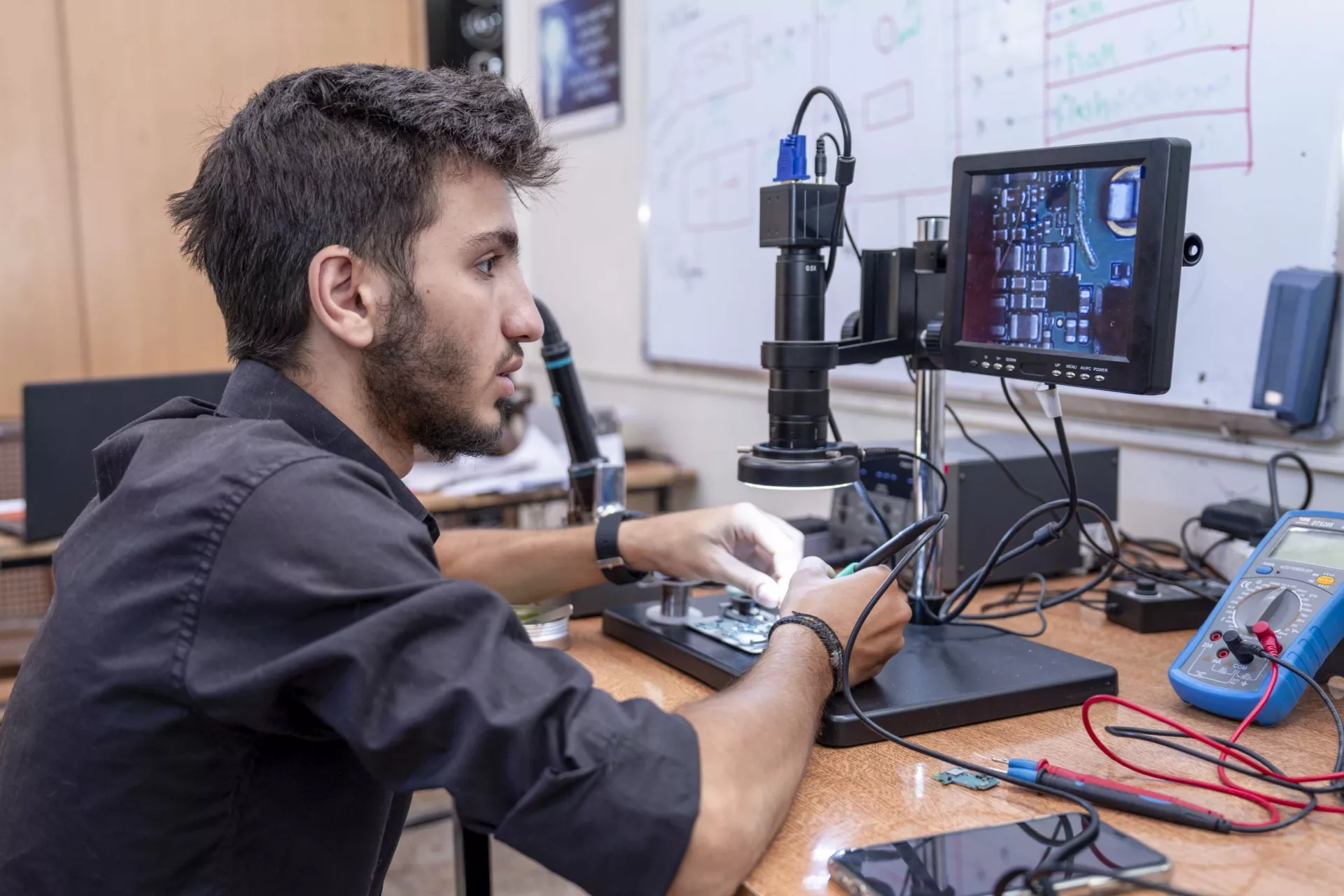
Jaramana, Rural Damascus - "Most people my age dream of university, but for me, it wasn’t that simple,” said 17-year-old Elia, who lives in Jaramana with his parents and older sister. “Now, I have a job I love, and one day, I hope to open my own business. Then I’ll have the time and money to go back and study telecommunications.”
Elia’s family faced immense challenges. His mother lives with multiple sclerosis, requiring expensive medication and physiotherapy. “Two years ago, I had no choice but to leave school and work to help my father cover her treatment expenses,” he said.
Even as a child, Elia was fascinated by mobile phones. He often would pause on his walk home from school, eyes fixed on shop windows, firing questions about the latest models and their standout features. “It was my passion,” he said. He eventually found work as a salesman in a local mobile phone store. But something was missing. “I wasn’t satisfied,” he explained. “My knowledge was superficial, and I couldn’t afford a private course. My dream felt out of reach, I even fell into depression.”
Then came a life-changing phone call from a friend, who told him about a UNICEF-supported youth-friendly space in Jaramana offering vocational training, including mobile phone maintenance. “I didn’t wait till the next day, I went immediately and signed up,” Elia said.

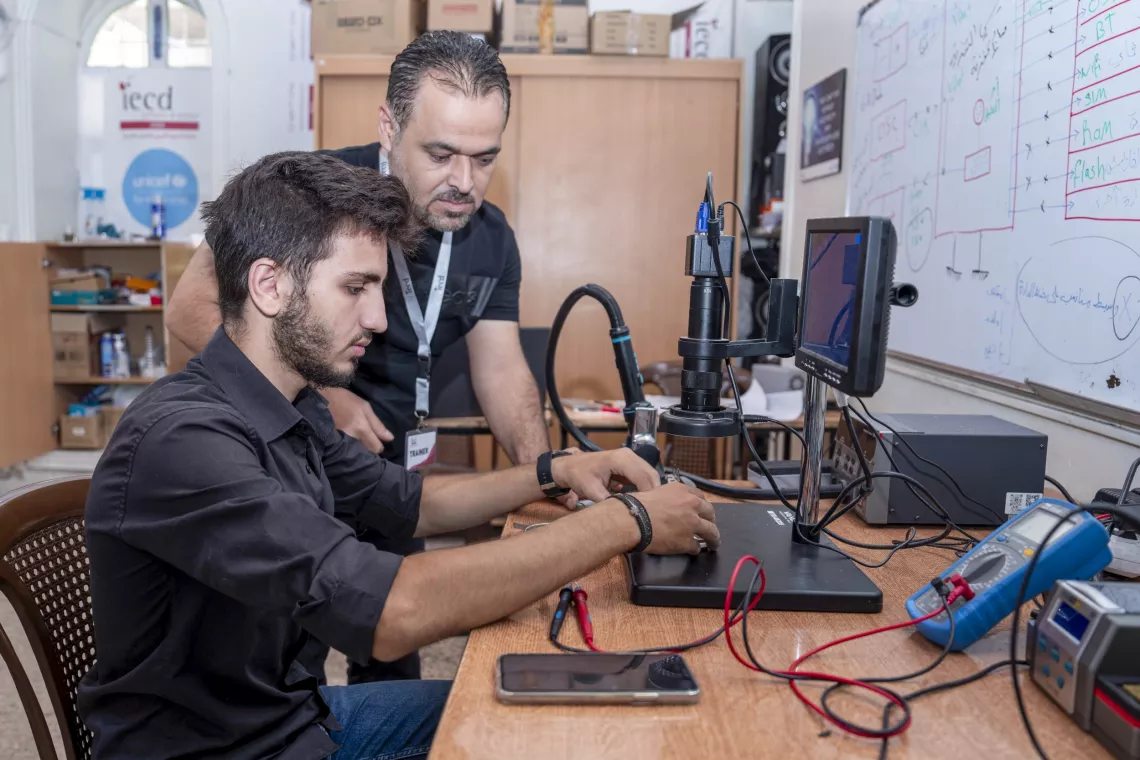

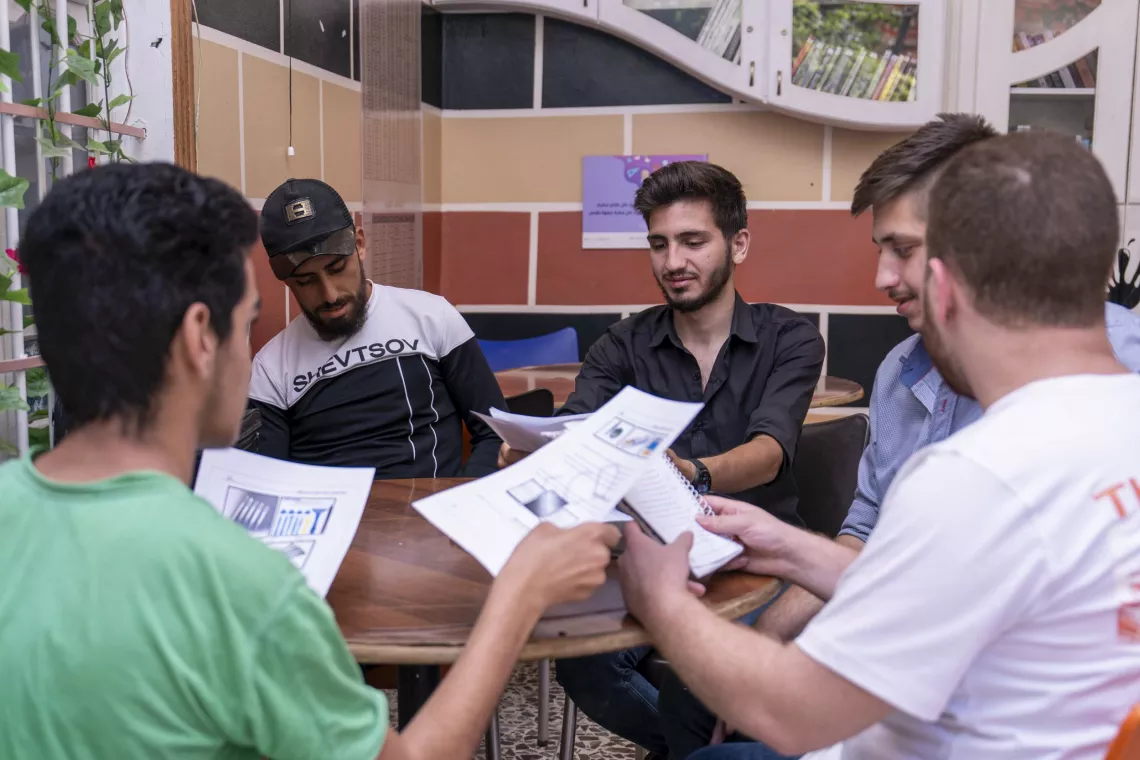
He arranged to work in the afternoons so he could attend classes in the morning. “I already knew the basics, but during the training, everything came together,” he said. “The best part was the hands-on practice. We didn’t just listen, we opened devices, diagnosed problems, and fixed them step by step.”
After completing the course, Elia proudly showed his certificate to the shop owner, who gave him a trial run to repair phones. “Since then, my income has gone up, and I’ve started saving. I want to open my own repair shop right here in Jaramana,” he said. “I understand the market and the needs of this city; I want to take that chance.”

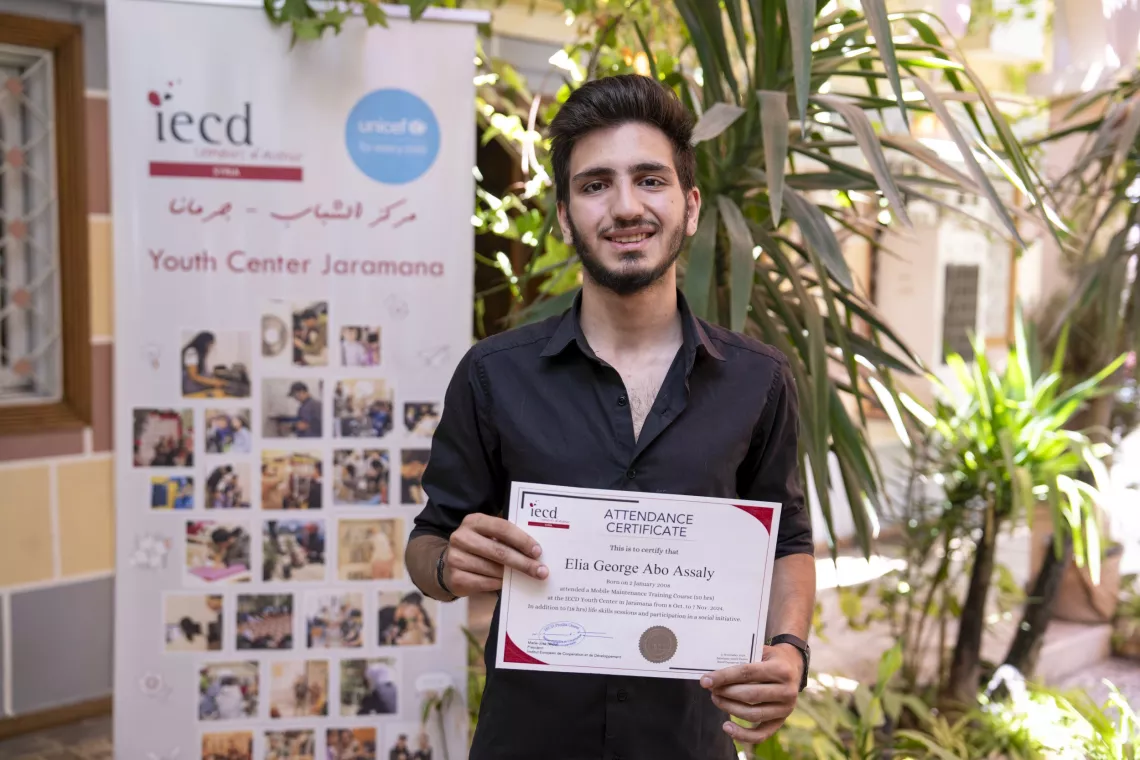

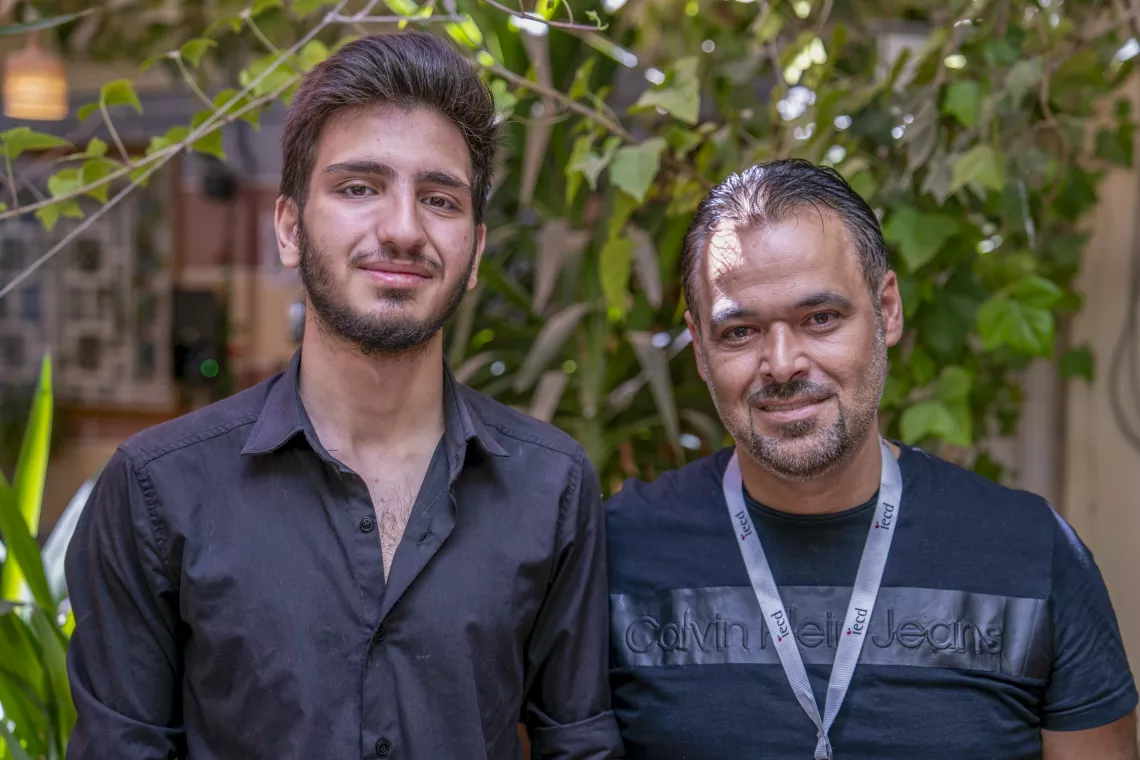
Still, Elia knows there’s always more to learn. “Whenever I face a tricky issue, I call my course trainer,” he said. “He’s one of the best teachers I’ve had, skilled, patient, and always supportive. He still guides me when I need help.”
Elia credits that mentorship with helping him stay confident and continue improving. “I was hopeless, just living day to day to survive. But now, I’m dreaming again,” he said.

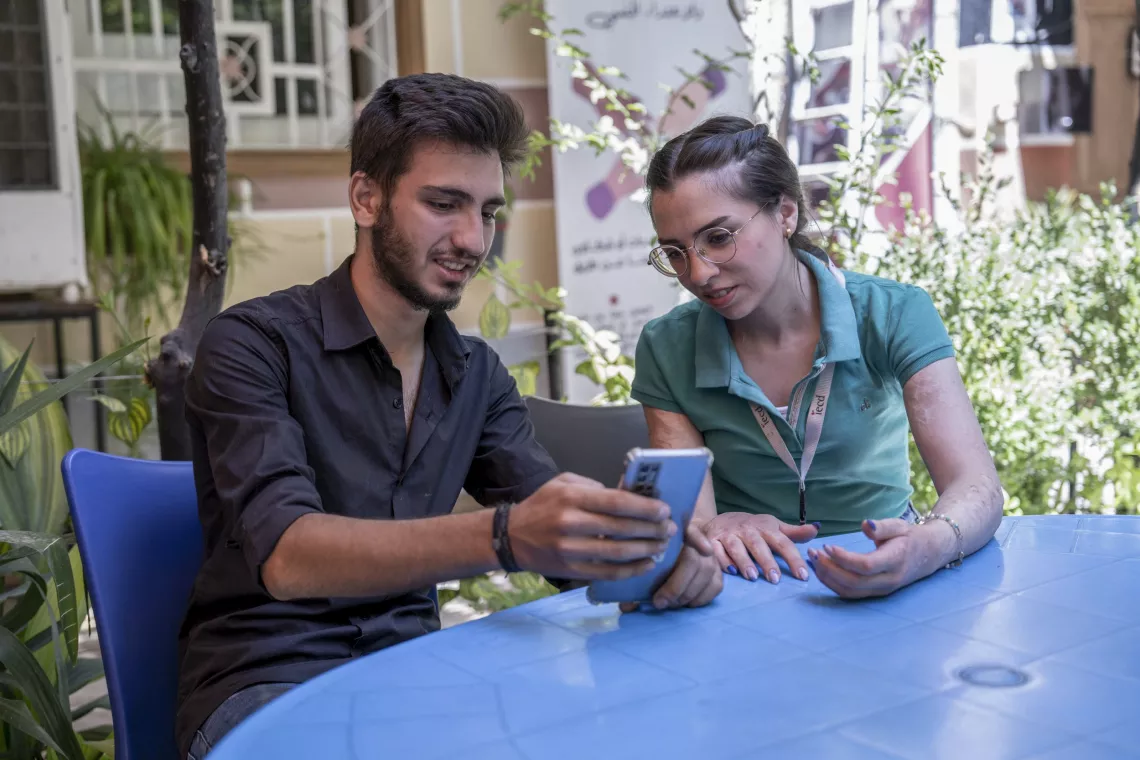
His ambitions don’t stop there. One day, Elia hopes to launch his own mobile phone shop and even open an academy to train other young people in high-demand tech skills.
“My message to young generation in Syria is: If you had to leave school, it’s not the end,” he said. “There’s always an opportunity waiting, you just have to find it.”
Since 2024, UNICEF has reached more than 245,500 young people aged 10 to 24, in Syria through skills development and vocational training through 43 youth-friendly spaces across all Syrian governorates. These spaces continue to provide thousands of adolescents and young adults with vital opportunities to build skills, develop resilience, and re-engage with their communities after years of conflict and displacement.
In partnership with the UN Joint Programme to Strengthen Urban and Rural Resilience and the Conditions for Recovery in Syria (UNJP); the Global Humanitarian Thematic Fund, the German Federal Ministry for Economic Cooperation and Development (BMZ) through the KfW Development Bank; the Foreign Commonwealth and Development Office (FCDO), the governments of Australia, Austria, Canada, Japan, and Norway; and UNICEF National Committee for Japan, Young people in Syria are gaining the skills they need to turn challenging circumstances into opportunities for growth, dignity, and meaningful work.