Safe water for all: UNICEF’s lifesaving interventions in Syria improve families’ lives
UNICEF rehabilitates water facilities and installs solar power systems to help families gain better access to safe water services
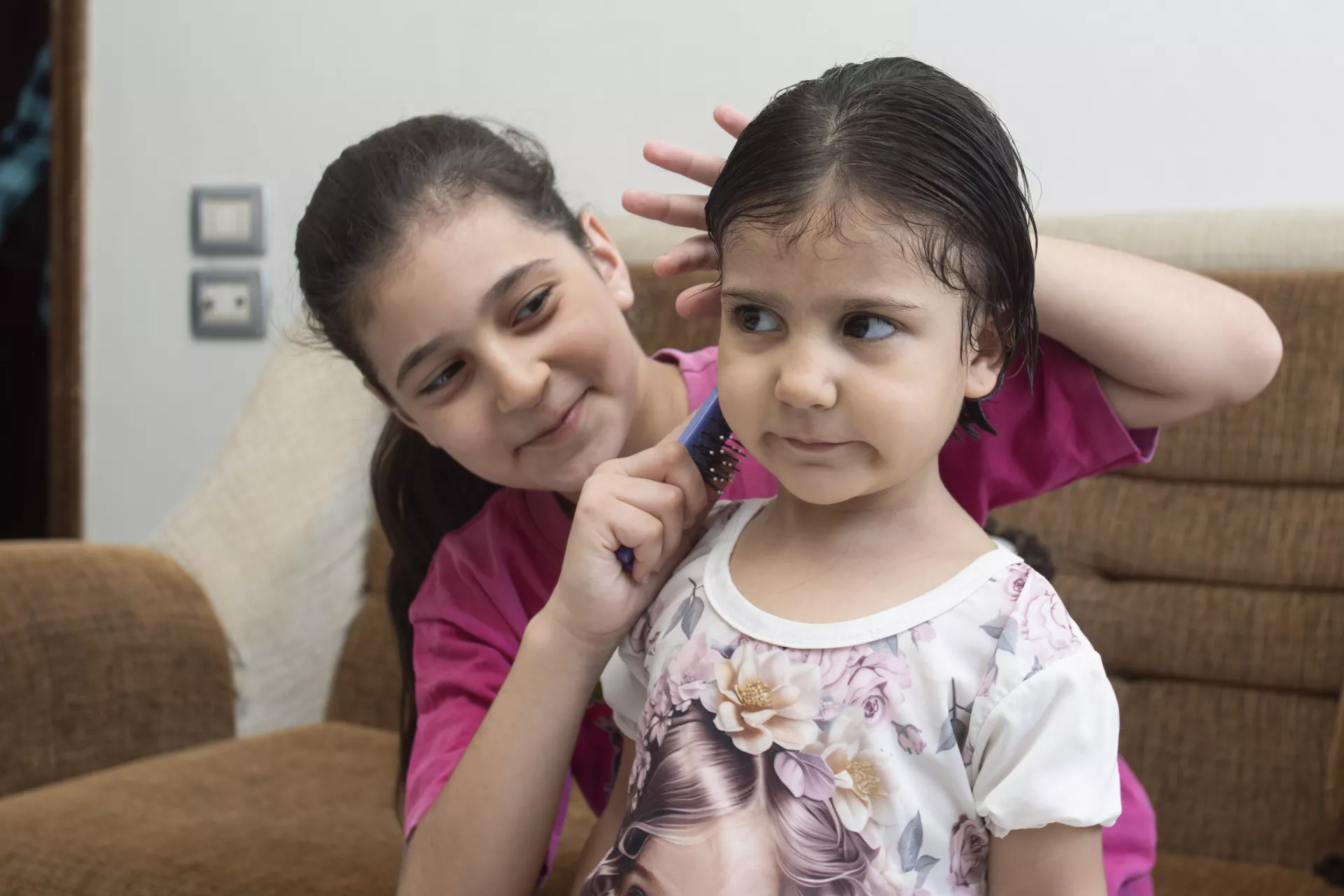
Western gathering in Kisweh city, Rural Damascus: “Most families in this neighbourhood can barely make ends meet,” said Leila, a 63-year-old mother of five and grandmother of 12. She lives with her three married sons in the Western gathering neighbourhood of Kisweh city, Rural Damascus which accommodates 50,000 people.
In this area, water is pumped from an old well, but due to severe fuel shortages and frequent electricity cuts, the pump was operational for only two hours a day. This limited water supply to households and forced families to buy water from unsafe sources.
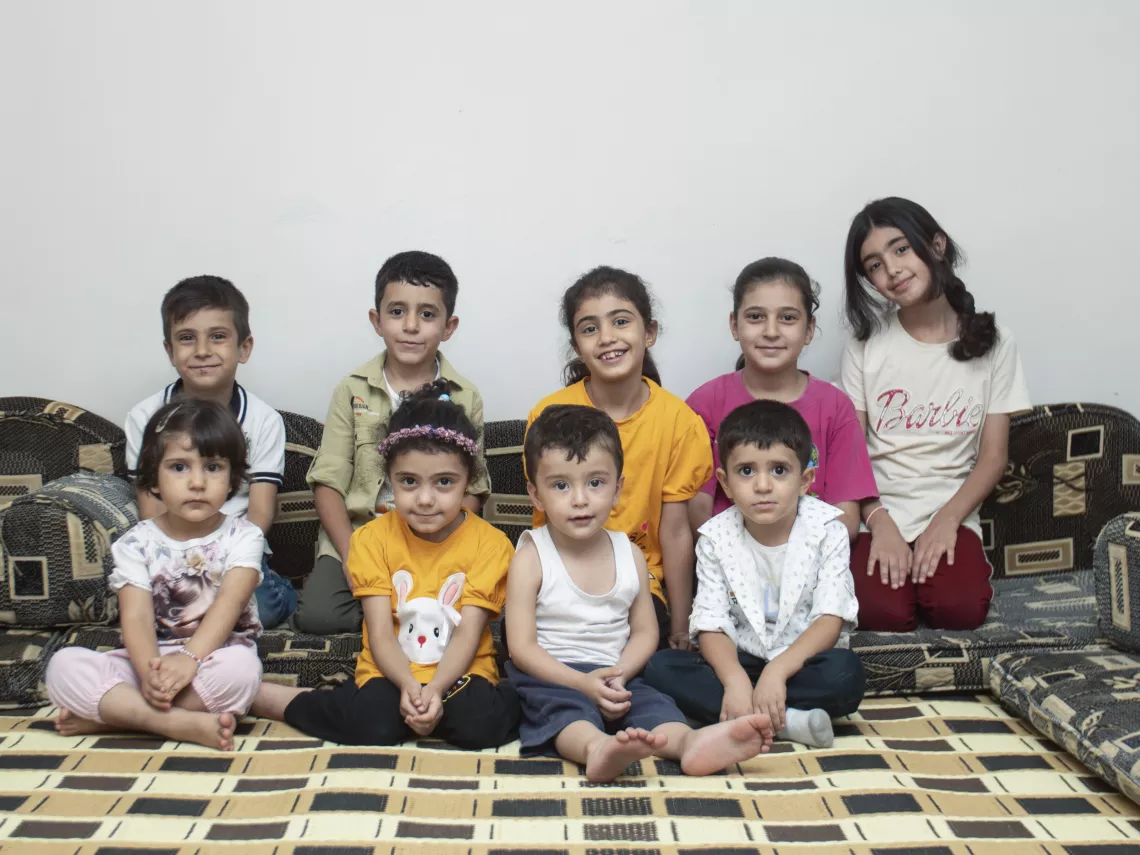
“I used to see moving objects in the water we bought,” Leila recalled, highlighting the risks associated with consuming contaminated water. “No one can live without water, so we had to buy it no matter what,” she added.
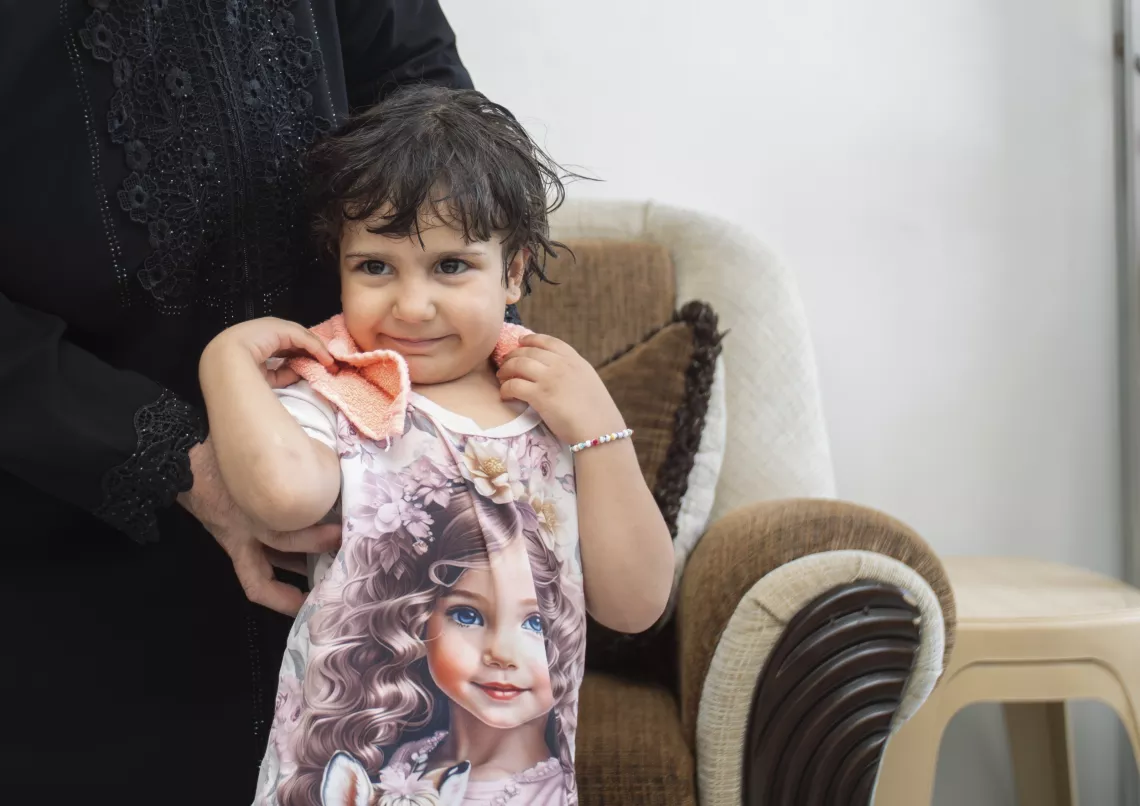
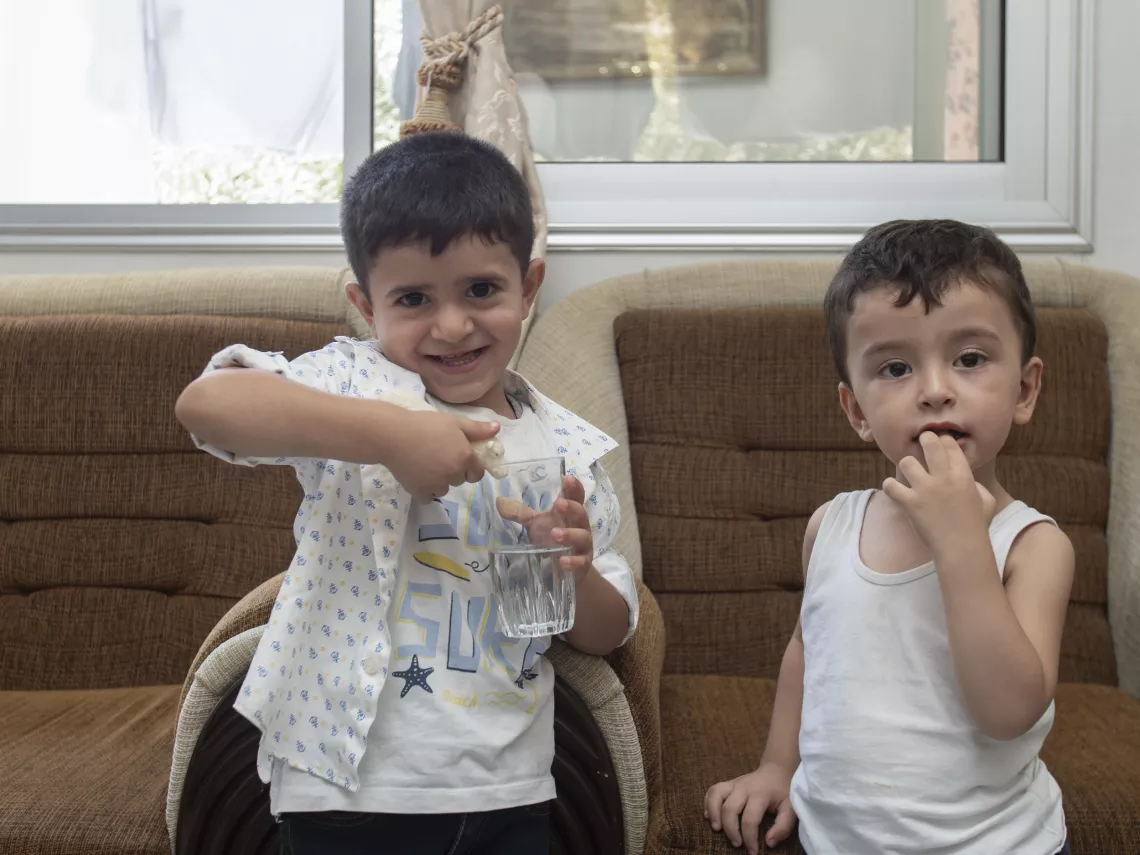
Leila’s family often fell ill from drinking unsafe water. “I remember nights when all my grandchildren couldn’t sleep because of diarrhoea and stomachaches. We knew it was because of the contaminated water, but all we could do was to take some medicine,” she explained.
Families in the neighbourhood, like Leila’s, had to prioritize water over other essentials and had to purchase water at high prices, which strained their finances and worsened their quality of life. Even basic hygiene practices like showering had to be scheduled to conserve water. “We minimized our water usage for cleaning the house and taking showers. My grandchildren were allowed to shower only once every ten days,” Leila said.
The local school also struggled with the water scarcity. Students had to bring water bottles from home for drinking and washing. “Some of my grandchildren got sick because they couldn’t use the school’s bathroom,” Leila added.
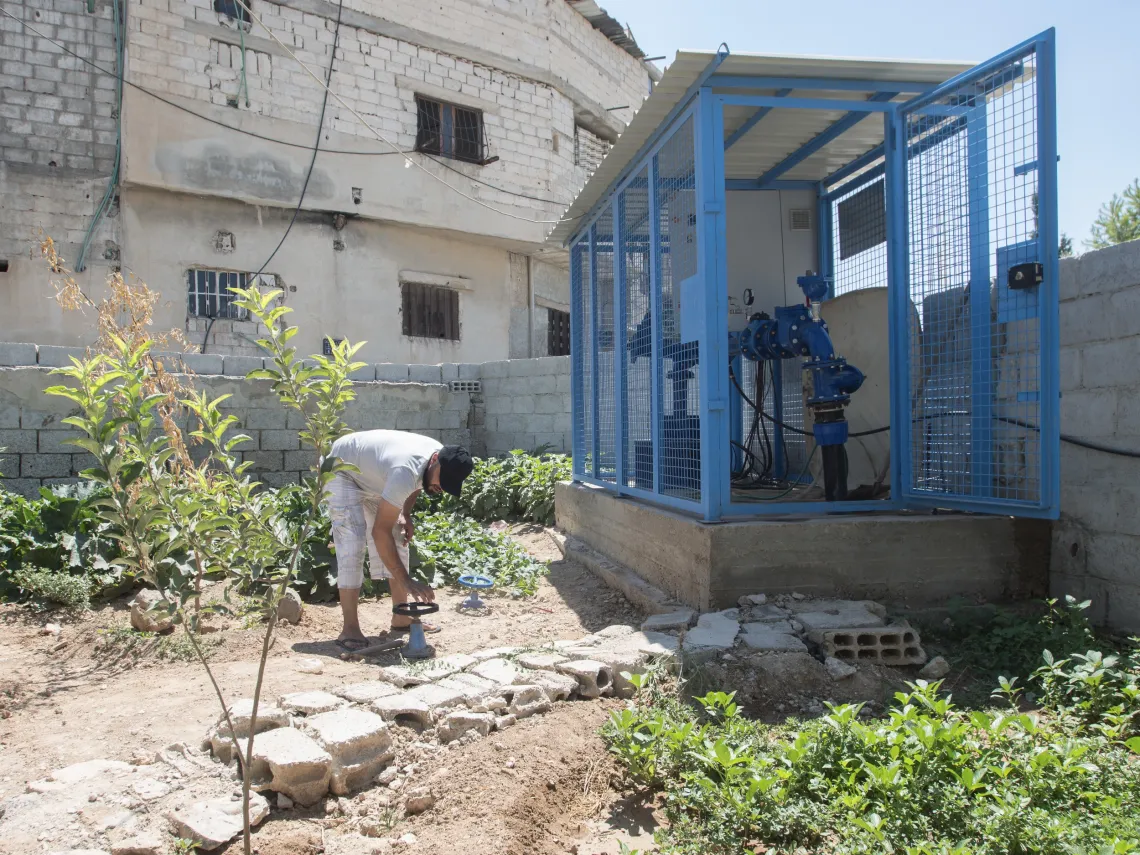
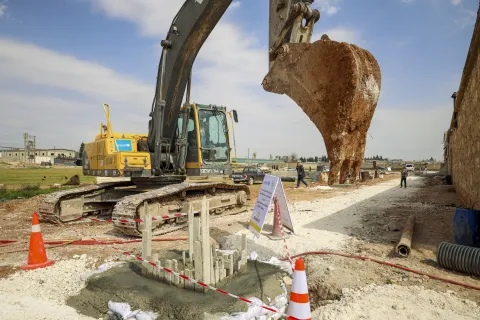
In February 2024, UNICEF stepped in to improve access to safe water and protect children from waterborne diseases and outbreaks. UNICEF rehabilitated the neighbourhood’ s water well and installed a solar energy system on the school roof, ensuring a sustainable electricity source to keep the pump running. By end April 2024, the pump was fully functional, providing 850 cubic meters of drinking water per day to 50,000 people, 70% of whom are women and children.
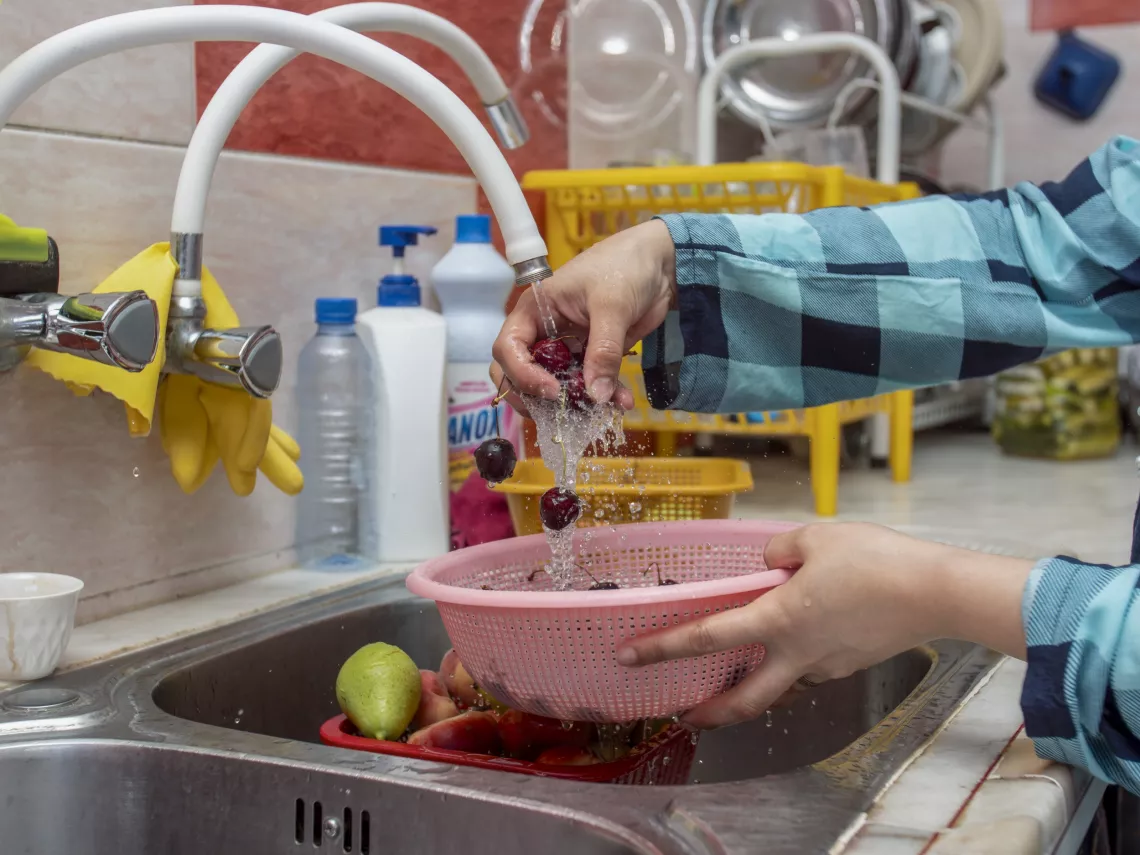
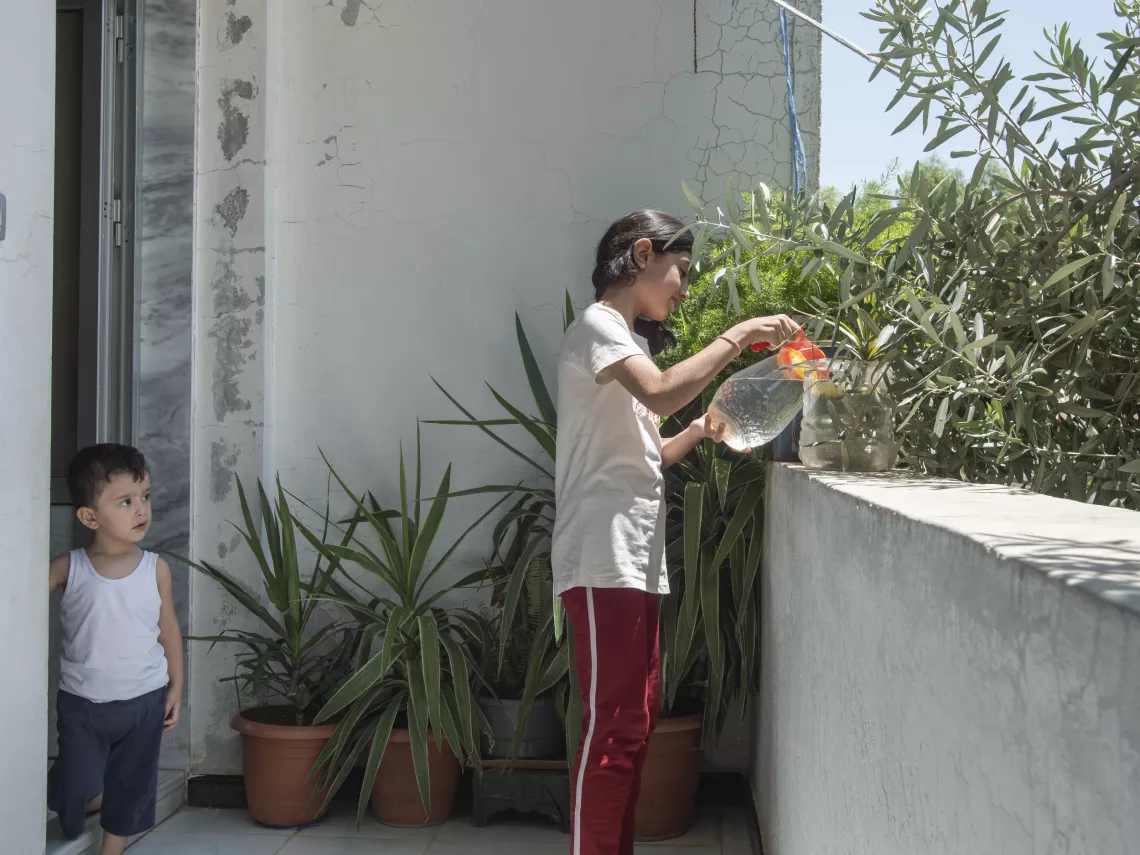
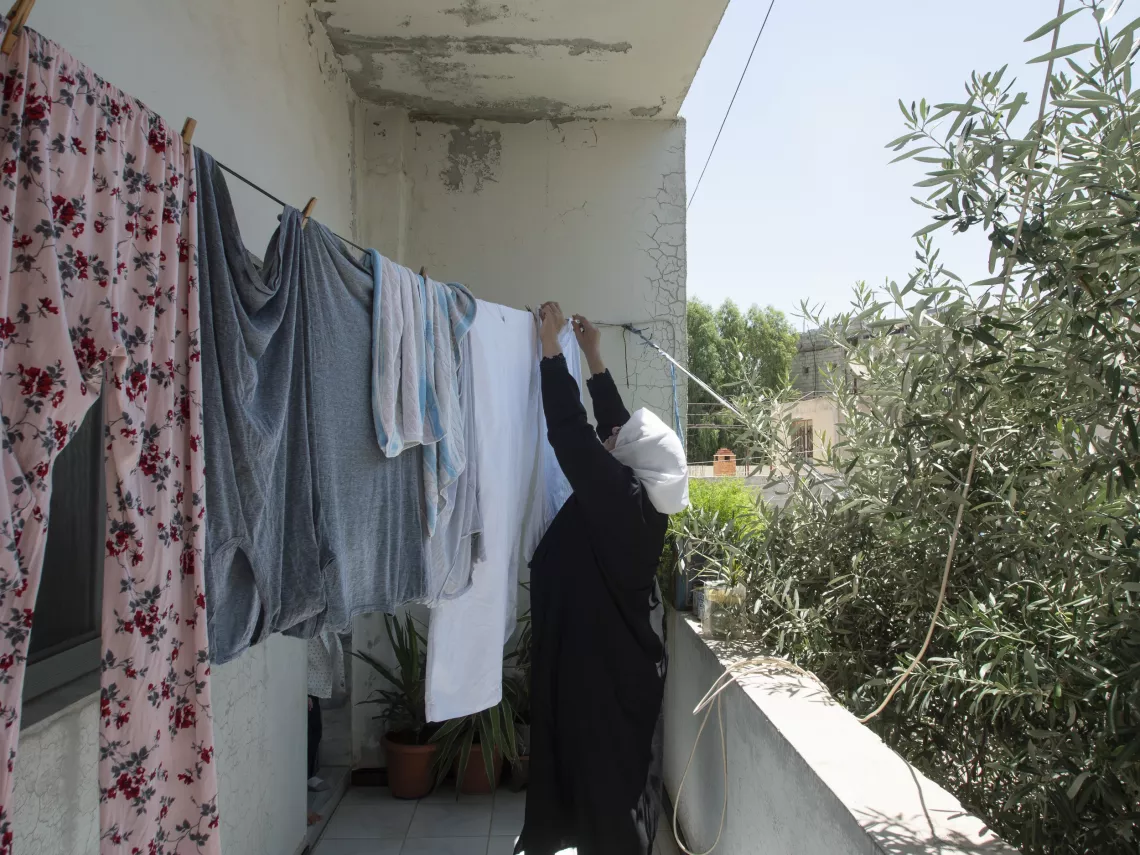
“Now our tanks are always full of clean water. We can shower whenever needed, water the plants, wash fruits and vegetables, and clean the house without worrying about running out of water,” Leila said. “The money we used to spend on buying water is now spent on food, medicines, and school supplies,” she added happily.





The school also benefited from the solar system, using the generated electricity to photocopy educational materials for 20 other schools in Kisweh city. “As a retired teacher, I understand the need for electricity in schools. The solar system greatly reduces costs by allowing schools to print their materials instead of using private shops,” Leila said.
“I’m glad that my grandchildren can now go to school without worrying about water or dirty bathrooms and focusing on studies,” she added. Despite having enough water now, Leila remains mindful of its use. “We always teach our grandchildren to use water rationally. Every drop is precious, and we must ensure it’s used efficiently,” she concluded.
During the first half of 2024, UNICEF, along with partners, improved access to safe water services for over 1.53 million people in Syria through the rehabilitation of water facilities and the installation of solar systems to compensate for insufficient power supplies. UNICEF also ensured the continuous provision of safe water to over 14.45 million people through water disinfectant distribution. This intervention was implemented in partnership with the German Federal Ministry for Economic Cooperation and Development through the KfW Development Bank.