What the children told us
Voices of resilience and the urgent needs of children who fled the violence in Al Fasher
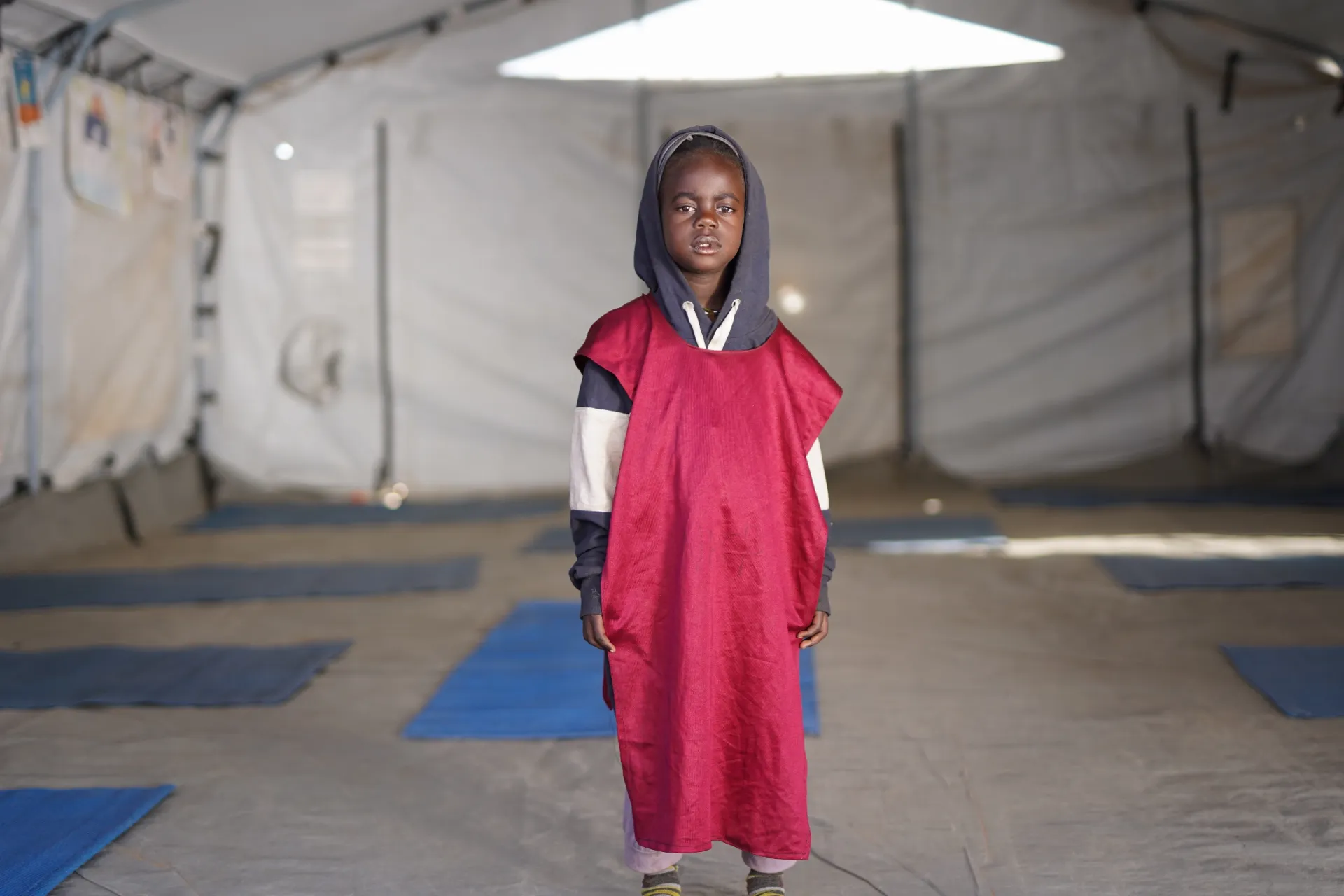
- English
- العربية
Ever since Al Fasher fell, families have been arriving in Tawila in staggering numbers. They come on foot, on donkeys, squeezed in the back of lorries — each step a search for safety after enduring months of siege and violence. Tawila, once a small town, is now overwhelmed. Most of those arriving are children and women.
“The numbers keep rising,” said Sheldon Yett, UNICEF Representative in Sudan, during his recent visit to observe the escalating situation and UNICEF’s emergency response.
“It’s a sea of children—many malnourished, dehydrated and exhausted. Everywhere you look, there are children.”
Children in Sudan are bearing the heaviest burden of the conflict. Many have witnessed killings, lost their homes, schools and friends, and carry memories no child should have to hold. In Tawila, many sit silently, staring into the distance—still battling the trauma of what they escaped.
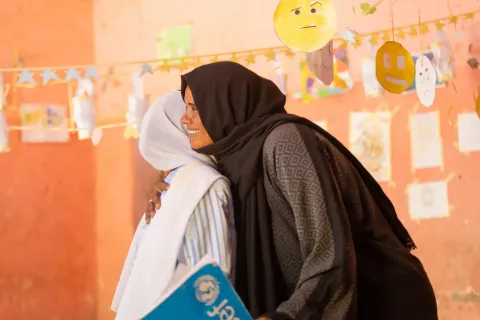
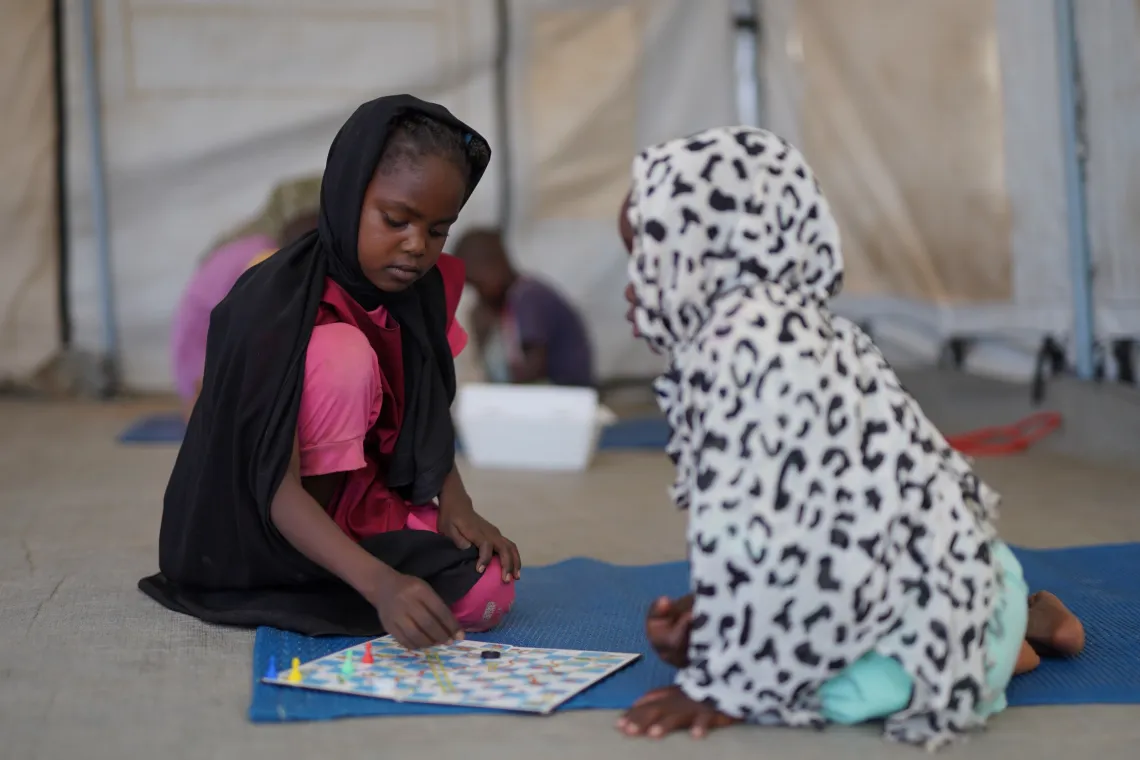
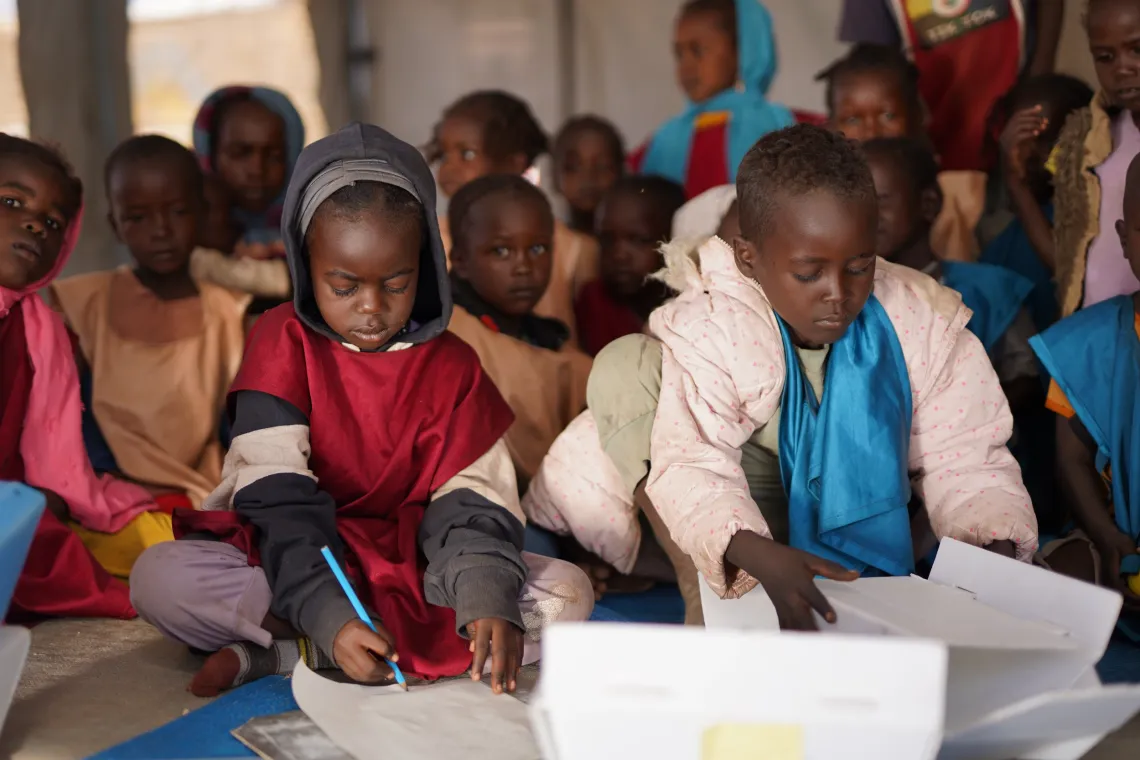
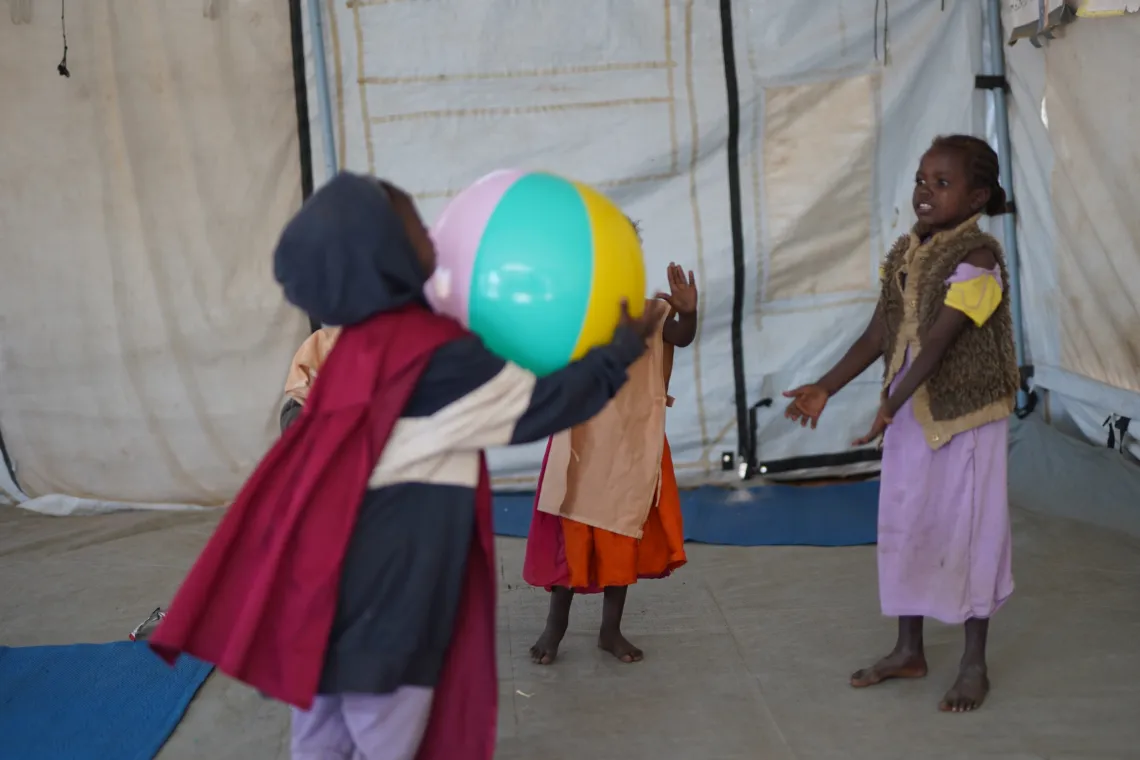
But inside UNICEF-supported child-friendly spaces, children are reclaiming moments of normal childhood. With trained counsellors, safe play areas, learning materials, and psychosocial support, these spaces offer healing, protection, and hope.
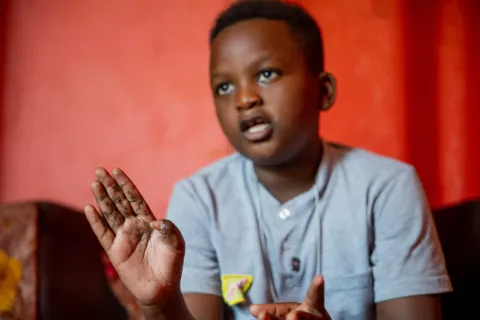
This is what the children told us.
“A shell hit us on the road.” — Ibrahim, 11
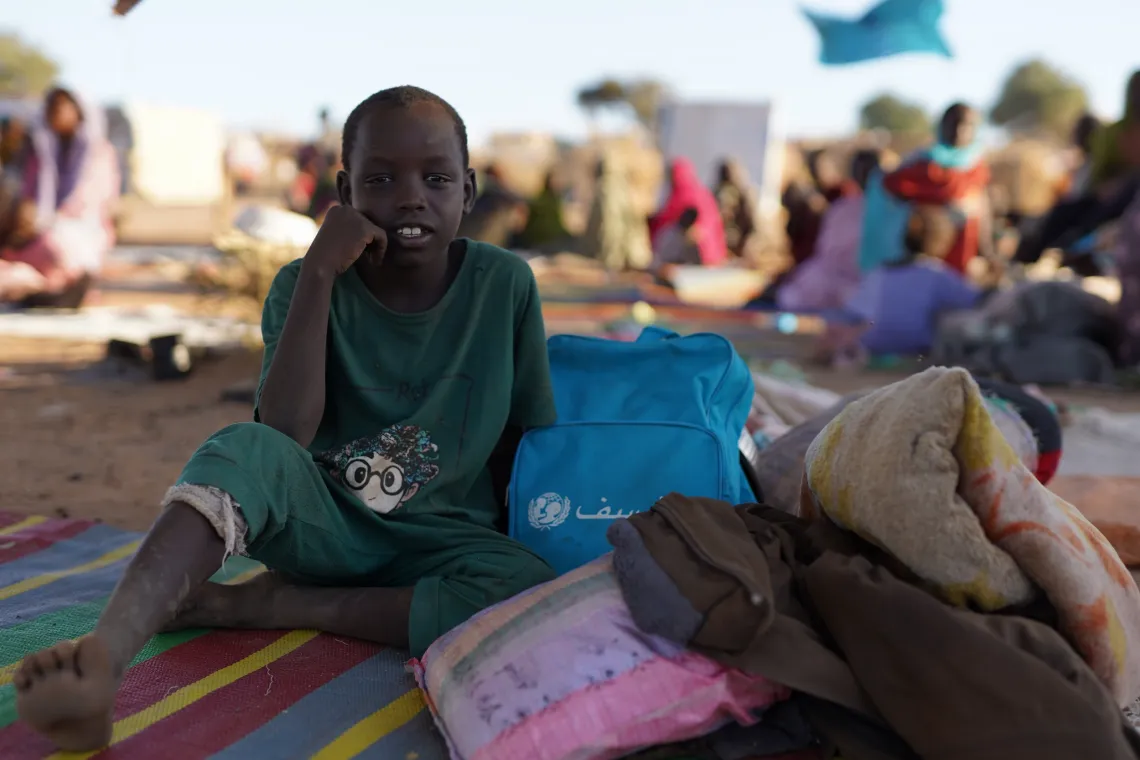
When Ibrahim arrives at the child-friendly space, he moves slowly. A white bandage wraps his injured knee; his limp reveals the pain he still carries.
At just 11, Ibrahim has seen more than many adults will in a lifetime. He remembers clearly the day Al Fasher fell—but the days that followed were even worse.
While resting by the roadside during their escape, a shell landed beside him. It killed his brother instantly. Shrapnel tore into Ibrahim’s legs.
“We left him behind,” he says quietly. “We had to run for our lives.”
The journey to safety took weeks. “We walked for two weeks to Garni, and another two before medical teams rescued us.”
Now in Tawila, Ibrahim hopes for surgery. At the child-friendly space, counsellors support him, and his wounds are cleaned and dressed. The school bag he received—with notebooks, pens, and colours—has brought him a small measure of comfort.
But with winter approaching, his family urgently needs blankets, warm clothing, and basic supplies.
“We lost everything. Our home, my books, my toys.” — Mashka, 10
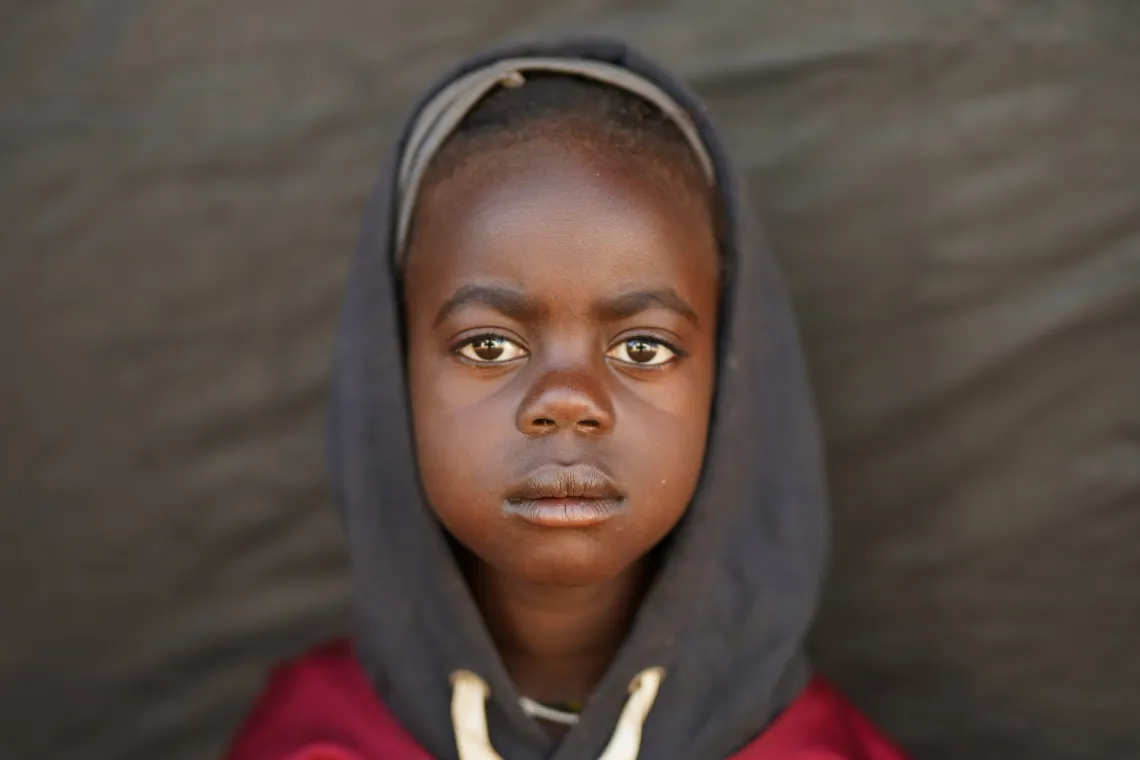
The grief in Mashka’s eyes says more than words can. She rarely smiles now.
A shell hit her home in Al Fasher, killing her father and destroying everything she remembers of her childhood.
“We lost everything,” she says. “Our home, my books, my toys.”
Now displaced with her mother and siblings, they live in a fragile makeshift shelter, exposed to the harsh nights.
At the child-friendly space in the Friendship Centre, Mashka draws and colours—pouring her emotions onto paper. These simple activities help her process the weight of her loss.
She dreams of becoming a surgeon “so I can treat the wounded.”
At just ten, she understands pain too closely—and she believes in healing.
“I saw things I cannot forget.” — Azraa, 9
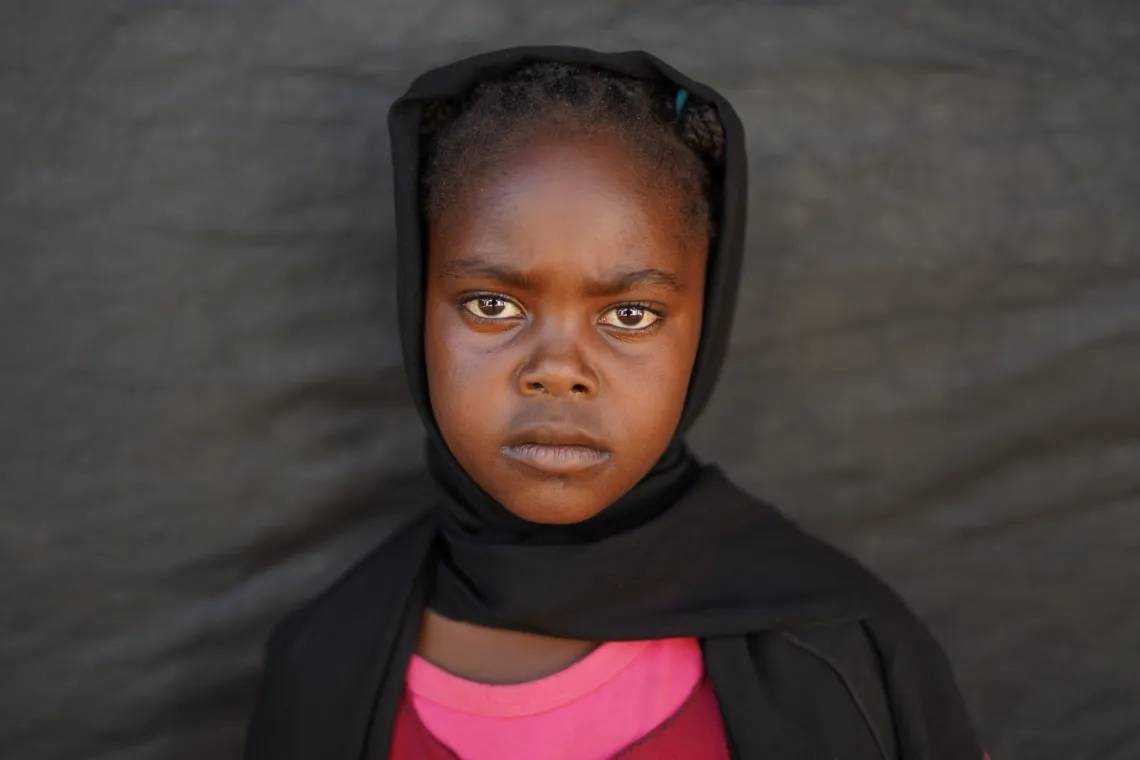
Azraa’s family has been uprooted multiple times—first from Zamzam camp, then from Al Fasher, and recently again to Tawila.
“I saw things I cannot forget,” she whispers.
Their escape route was lined with scenes no child should witness.
“We saw dead bodies, destruction, families torn apart, people tired from walking, those injured and bleeding.”
Despite everything, Azraa is slowly finding her smile again. She has made new friends at the child-friendly space. Together they play, sing, and laugh—small moments that help her reclaim her childhood.
“I feel like I am seeing the light again,” she says.
Safe spaces for healing
In emergencies, UNICEF and partners establish safe, protective spaces where children can play, learn, and receive psychosocial support from trained counsellors. In Tawila, these spaces are a lifeline for children like Ibrahim, Mashka, and Azraa—children who have endured unimaginable violence yet continue to hope.



But their needs are urgent and growing
- Nutrition support for malnourished children arriving daily.
- Clean water and sanitation to prevent disease outbreaks.
- Medical care, including surgeries for injured children.
- Psychosocial support to help them process trauma.
- Learning materials so they can continue their education
Every child deserves safety, dignity, and the chance to heal.
In Tawila, children are doing their part—fighting to hold on to hope.
Now, they need the world to do the same.