Trapped by war and hunger
Mothers in Al Fasher struggle to keep their children alive
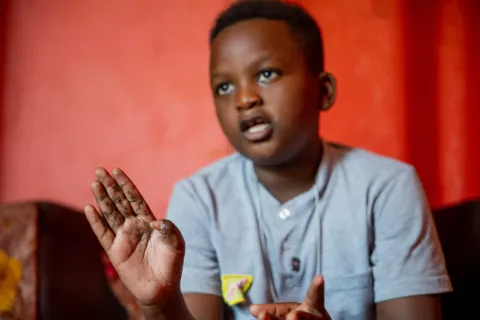
Pointing at empty pots and a cold cooking stove, Awatif describes her daily reality in Al Fasher, North Darfur. Hunger, bullets, and disease have become part of life.
“I haven’t lit the fire for four days. There is nothing to cook,” she shares.
For 16 months now, intensified fighting has trapped families inside the city, cutting them from food and essential services. Mothers like Awatif can barely find anything to feed their children. What little food is available is scarce, overpriced, and impossible to afford without income.
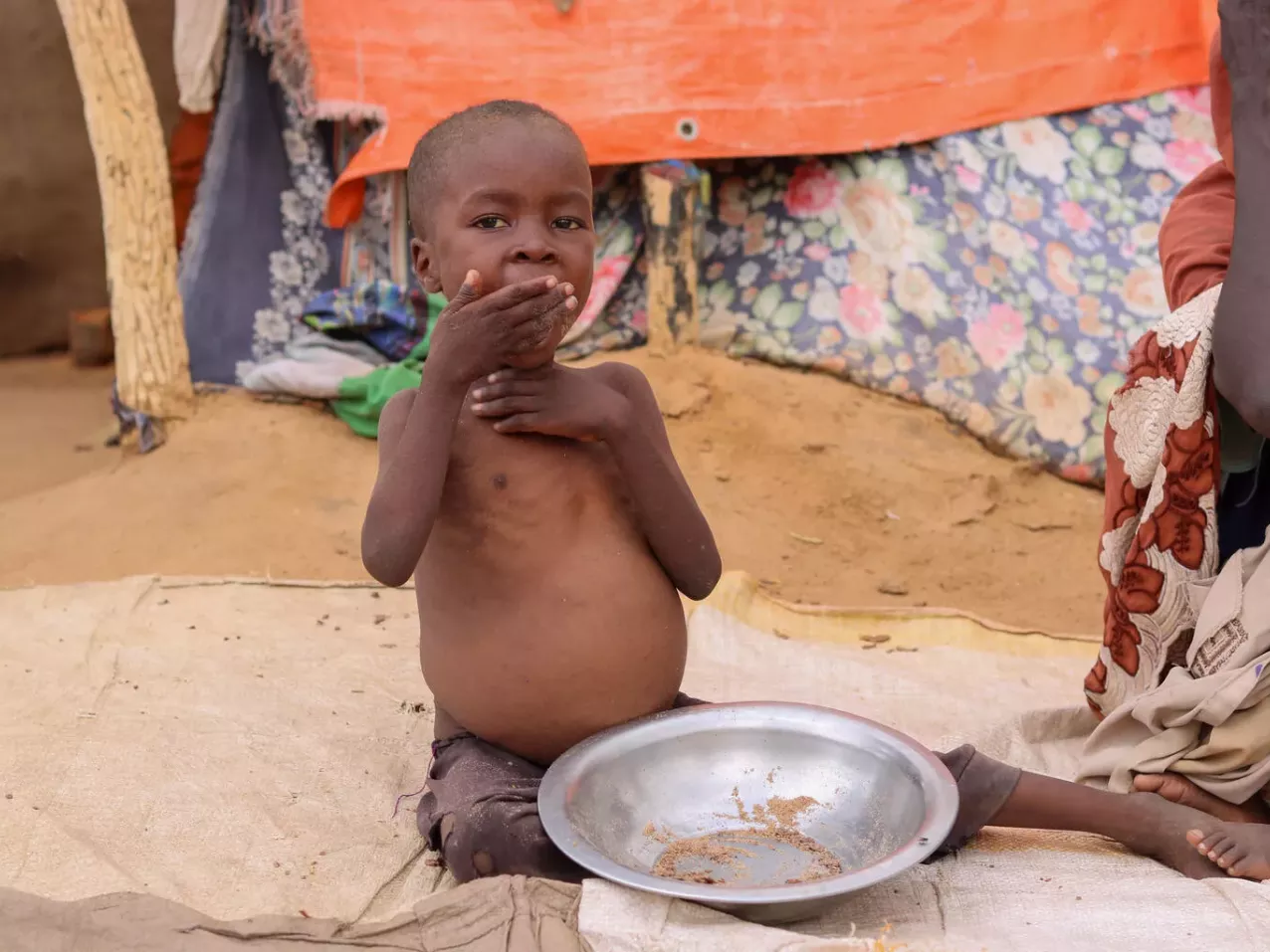
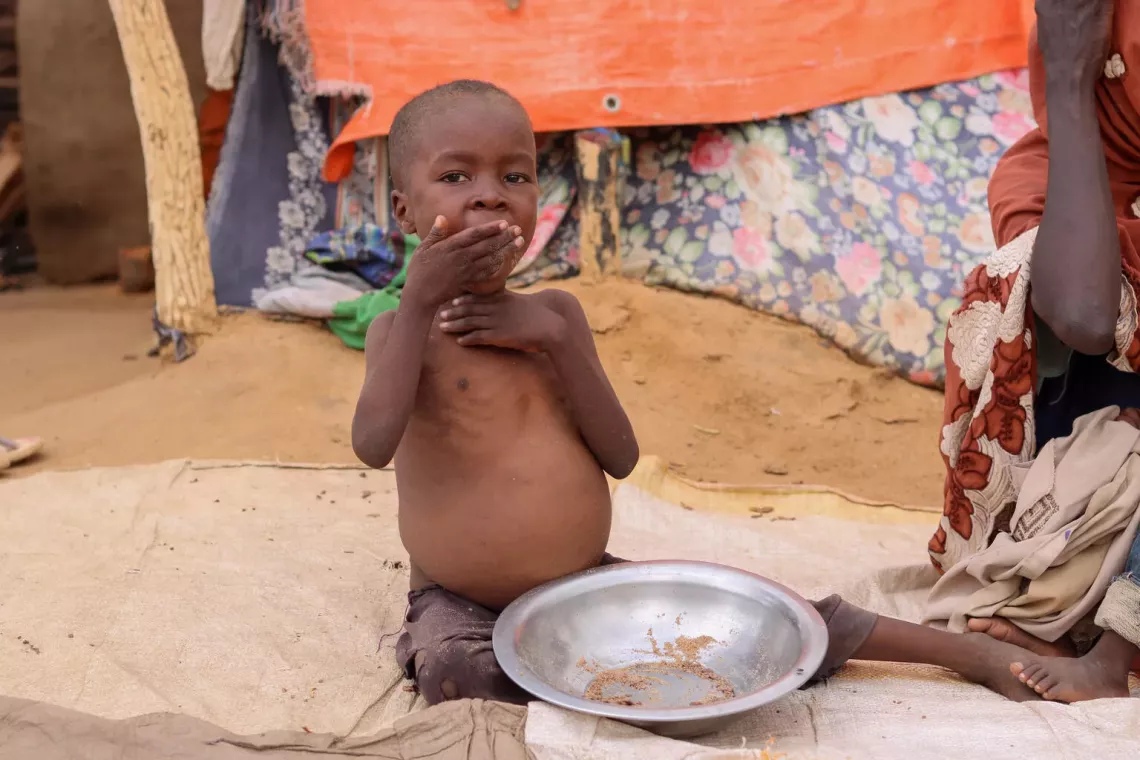
Awatif’s youngest child, Mujtaba, is malnourished. He was recently discharged from hospital but returned home without the vital nutrition supplements and medicines he needs- supplies had already run out. Now, at home, with little or nothing to eat, his recovery hangs in the balance.
“The situation here is bad, and my son’s condition is critical,” Awatif says softly.


A malnutrition crisis fueled by war
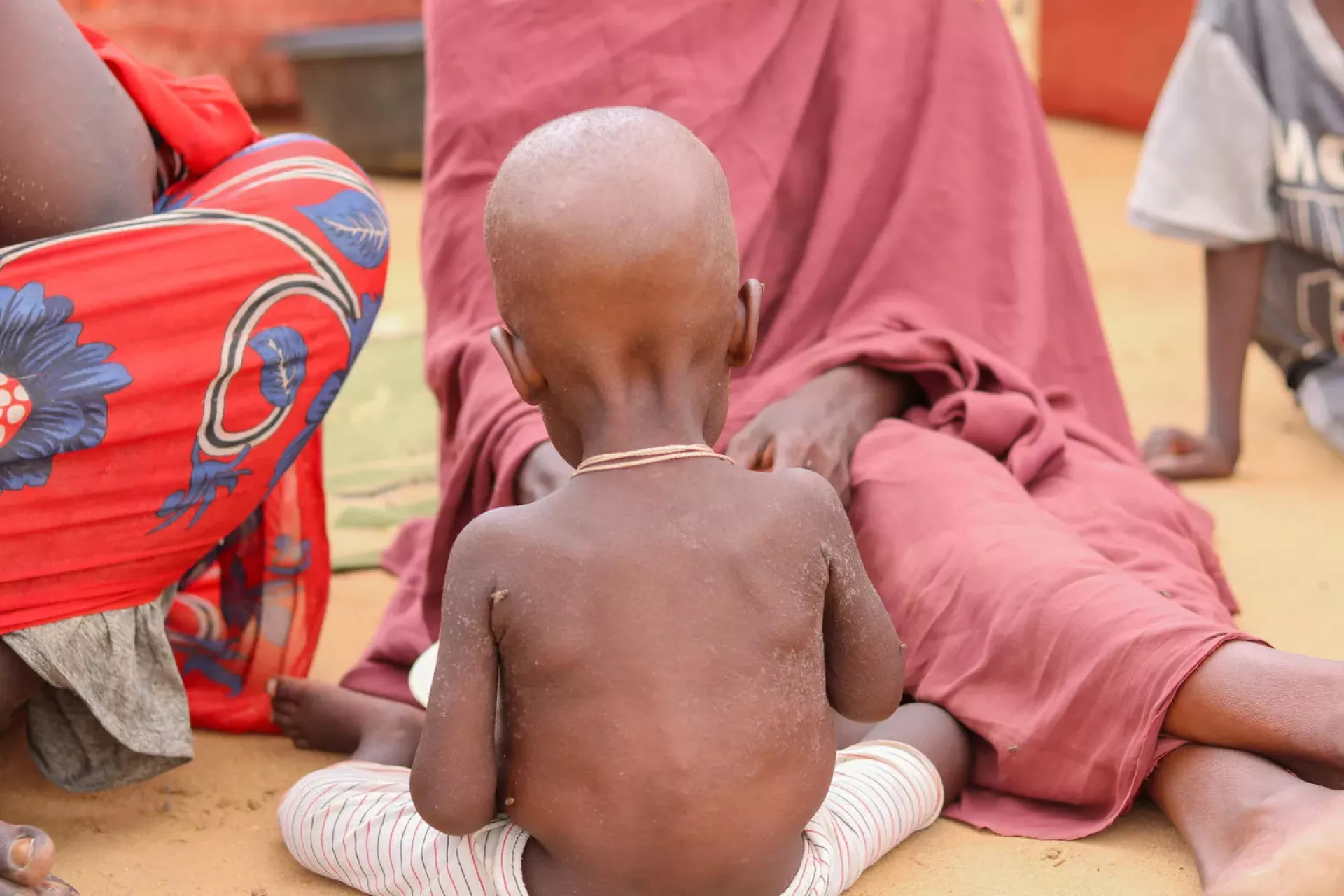
The hunger crisis in Sudan is worsening. Across the country, malnutrition is spreading rapidly, with children bearing the heaviest burden. In North Darfur, the situation is dire. Recent surveys show a 46 per cent increase in children suffering from severe acute malnutrition – the deadliest form of malnutrition.
“Malnutrition is rife, and many of the children are reduced to just skin and bones,” said UNICEF Representative Sheldon Yett.
With humanitarian aid blocked from reaching vulnerable families, many have turned to desperate measures.
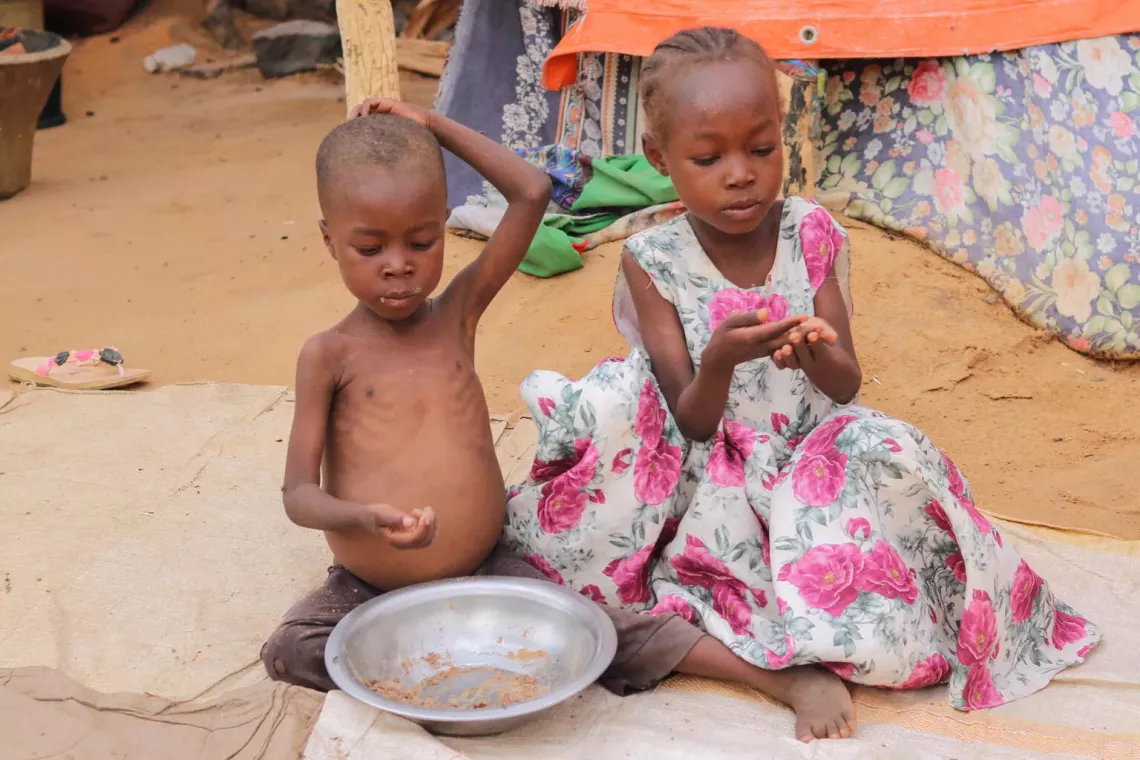
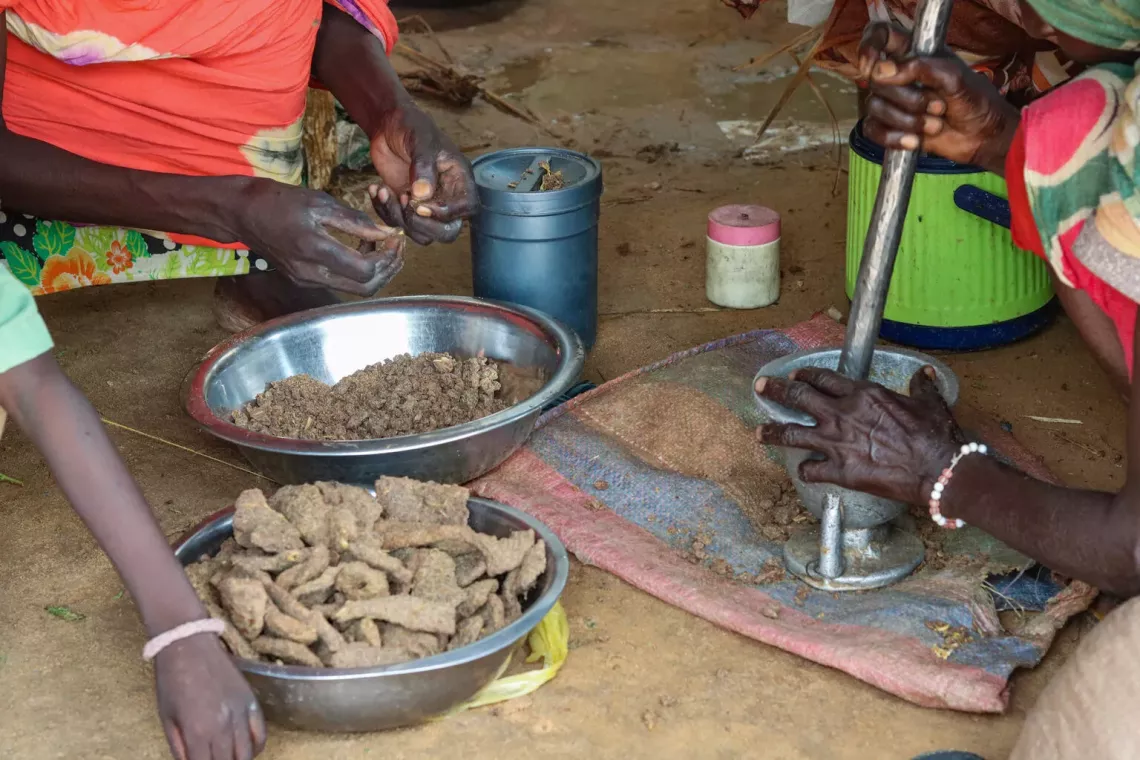
Hawa, a mother of four, watches her hungry children as the day draws to a close. Tonight, their only meal is a small bowl of brownish pellets —residues of pressed oilseeds like peanuts, sesame, and sunflower. Locally known as ambaz, this mixture is usually used as animal fodder.
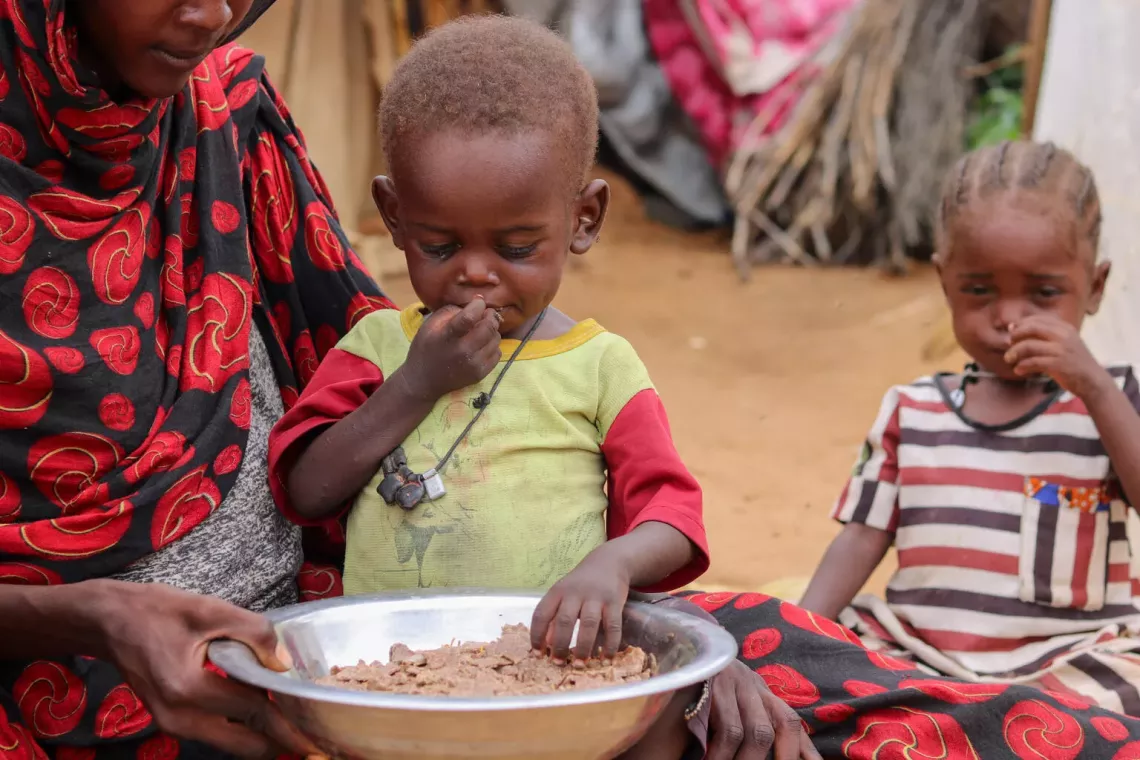
“This is all we have. We eat ambaz for breakfast, lunch, and dinner. But it makes children sick,” Hawa shares, her voice heavy with sadness.
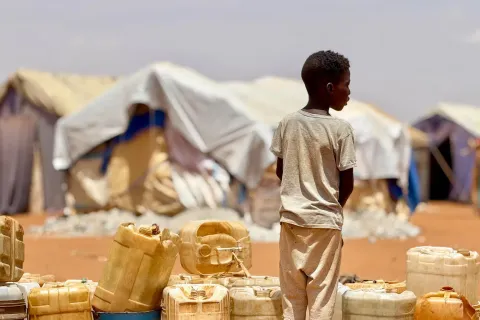
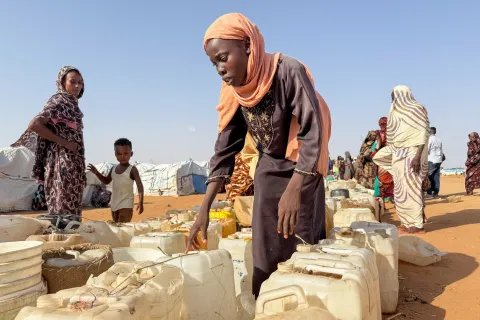
We are stuck in Al Fasher
“We have no way to leave, no donkeys, no money. We are stuck here,” Hawa explains.
She recalls the days she fed her children nutritious meals. Now, they survive on scraps. “We have not seen bread since we came here. We yearn for proper meals.”
Hawa is breastfeeding her youngest, but her own lack of food has left her weak, affecting her ability to nurse. Her baby is missing out on the most basic nutrition.
Her son Adam is also severely affected. “Over the past days, he has been losing weight continuously. I am so worried,” she says.
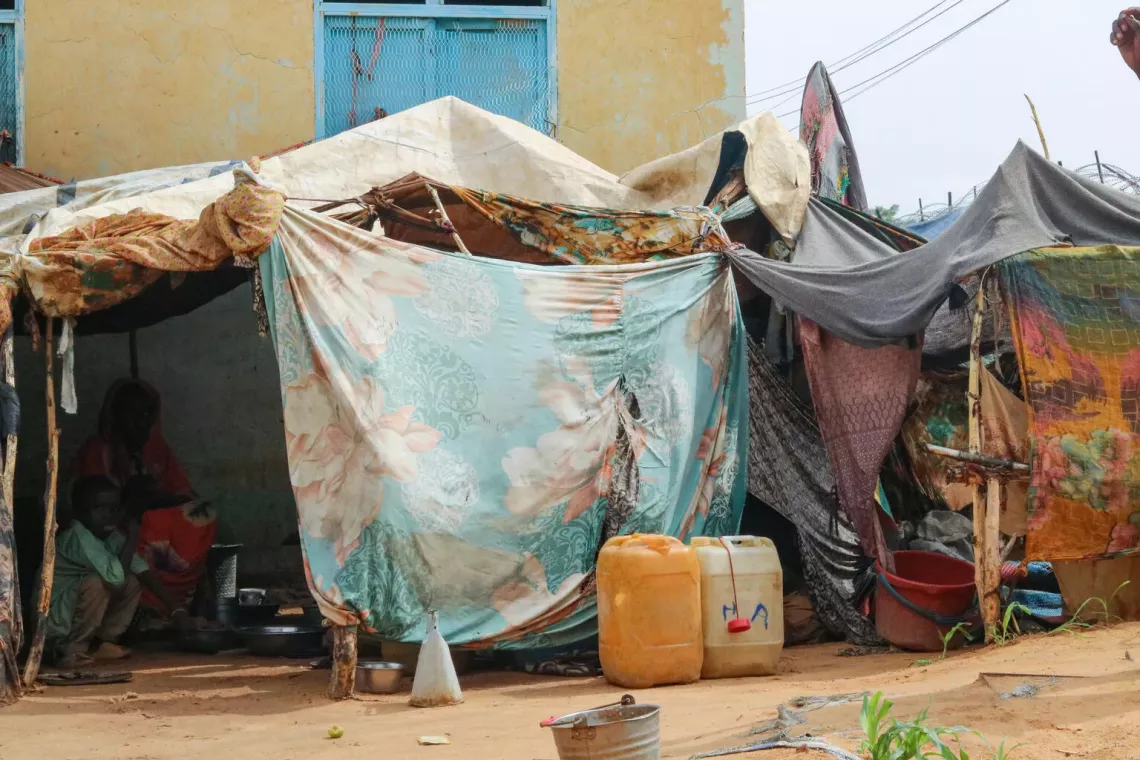
The family lives in makeshift structures covered by light apparel. It offers little protection from scorching sun, nightly gunfire, or swarms of mosquitoes. With the rainy season beginning, the children now face an even higher risk of diseases like dengue and malaria.
“The children are hungry, and when the rain comes, they get cold,” Hawa explains.
“Instead of sleeping, they spend the night crying. Our children are dying.”
A plea for help
For families in Al Fasher, life is on the edge.
Hunger, disease, lack of medicine, and the destruction of hospitals have left them with nothing to cling to.
“As fighting rages on, the chance of survival for malnourished children like Adam and Mujtaba shrinks with each passing day,” says Sheldon Yett.
“Children in Sudan are resilient. They have endured war for over two years. But they cannot survive without help. The world must not look away. Not now.”