Safe havens for healing
How UNICEF’s child-friendly spaces help children rebuild their lives in Sudan
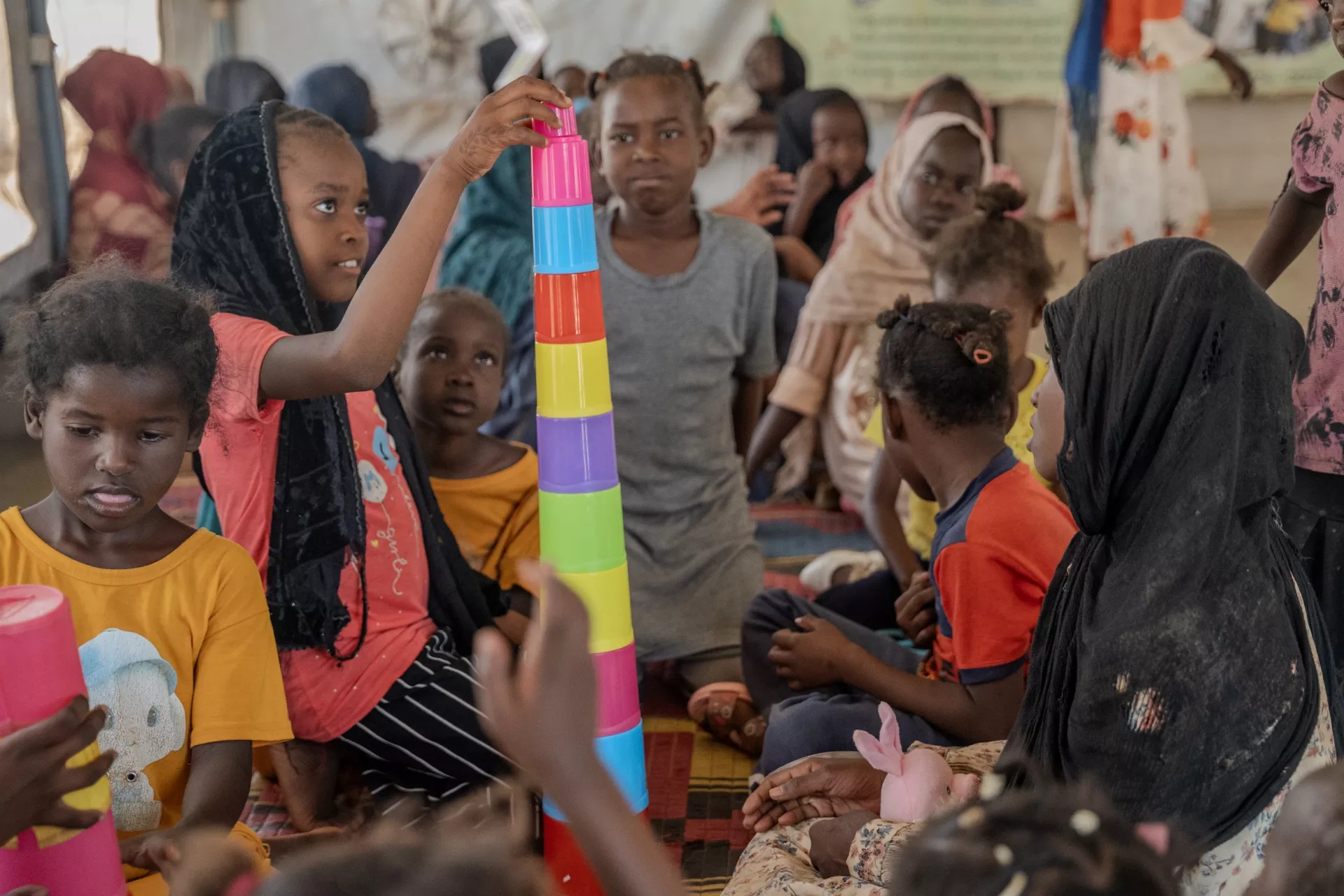
The conflict Sudan has uprooted millions of children, both across borders and within the country. Thousands have sought refuge in temporary shelters in relatively safer states. As displaced children remain away from home and in continuous movement, they face a heightened risk of abuse and exploitation.
Creating safe and protective environments where children can engage in a wide range of activities- from play, sports, recreation to life skills training- with support from trained facilitators remains critical. Across the country, UNICEF and partners are setting up child-friendly spaces (CFSs) to provide children affected by the conflict a safe place to spend time, bond, socialize, play, learn, and most importantly, access psychosocial support to help them overcome the stress and trauma of war and displacement.
These CFSs, established in areas with high displacement, are run by trained facilitators who lead structured, child-centered activities critical to supporting children’s resilience and restoring a sense of normalcy, order, and routine in their lives.
Here are some of the stories of how these child-friendly spaces are impacting children displaced by the war:
A safe place to heal
Walaa was silenced by trauma.
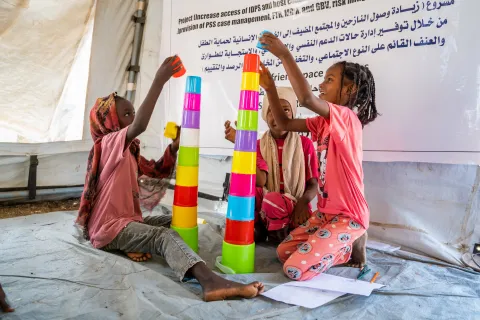
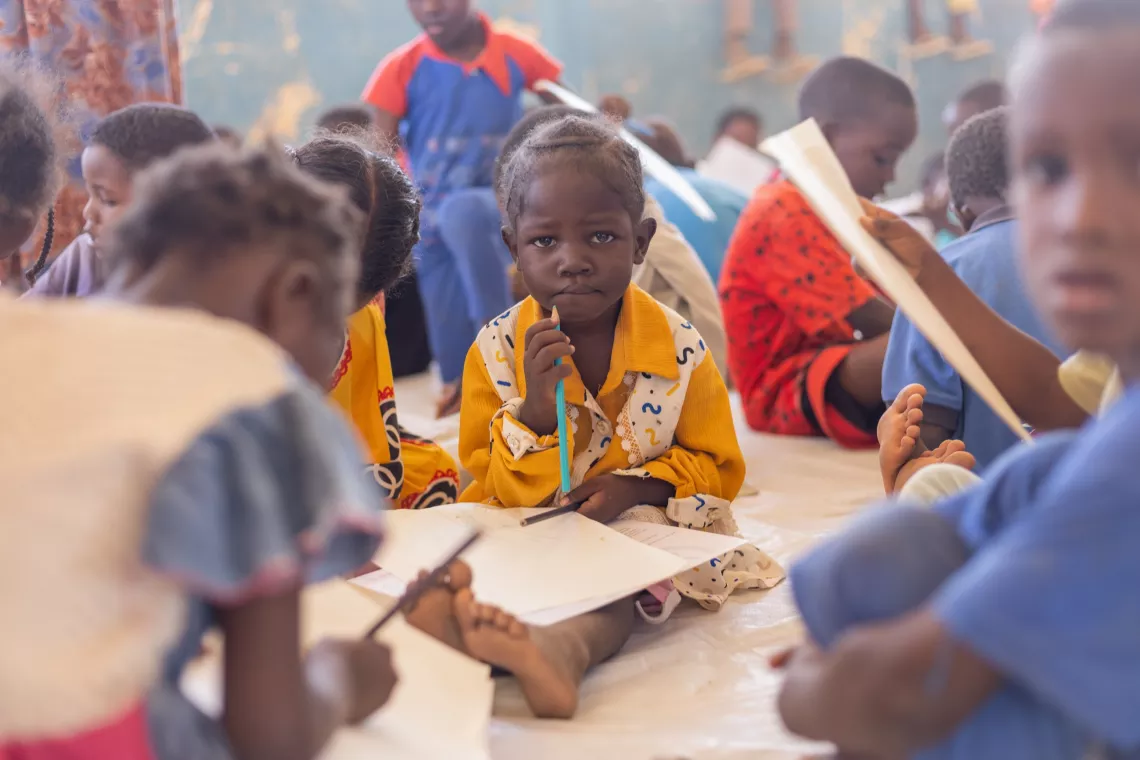
At the CFS, she sits quietly, scribbling on a piece of paper. She doesn’t speak much, often stares into space, but occasionally tries to engage with her peers.
“Since the war started, she has fallen into a state of silence,” said Intesar, Walaa’s mother.
“Sometimes she shivers, and her body turns cold.”
Here, Walaa is receiving counseling from Amal, a trained counsellor who has been supporting her healing journey.
“Previously, she wouldn’t eat or drink much and didn’t express herself when she was hungry or needed to use the bathroom,” Amal shared. “She has improved compared to before. Her responses are much better.”
Amal, who has witnessed the impact of war on children, recommends psychosocial support for every child, wherever they are.
Rebuilding through play
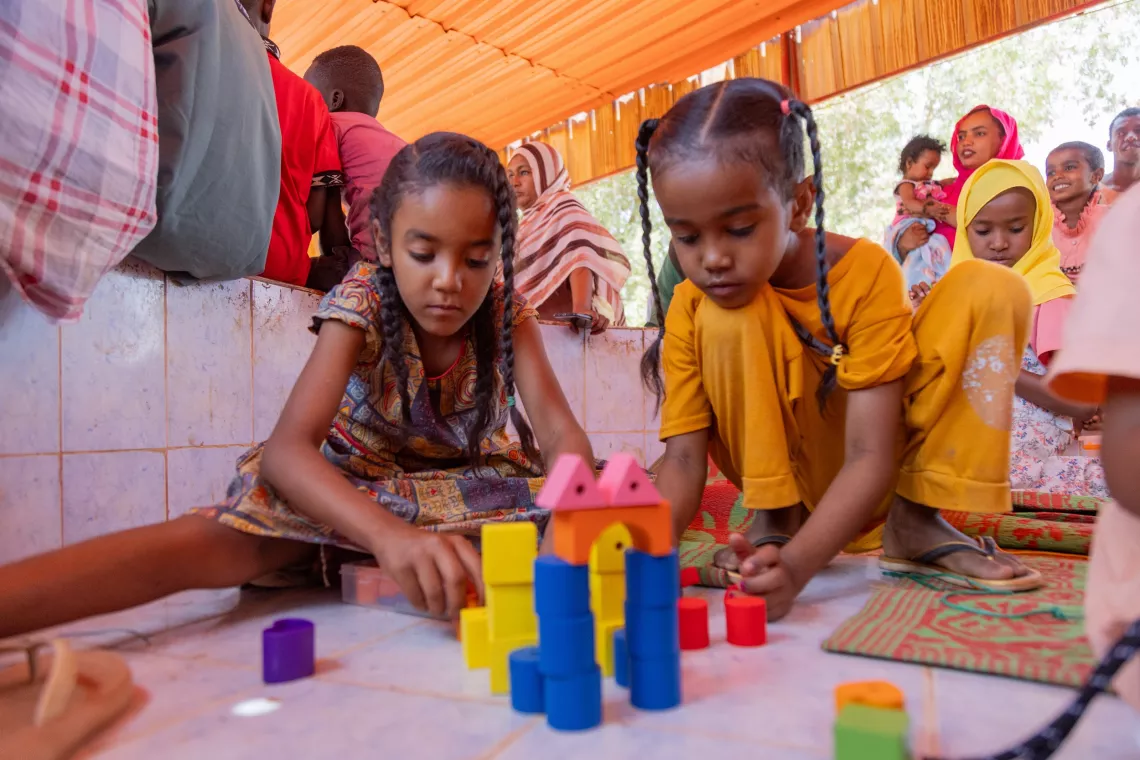
For over two years, some children and families were trapped in Khartoum. The UNICEF-supported child-friendly space (CFS) in Alhatana neighbourhood in Omdurman, Khartoum State, offered them a secure space to run, draw, sing and play together.
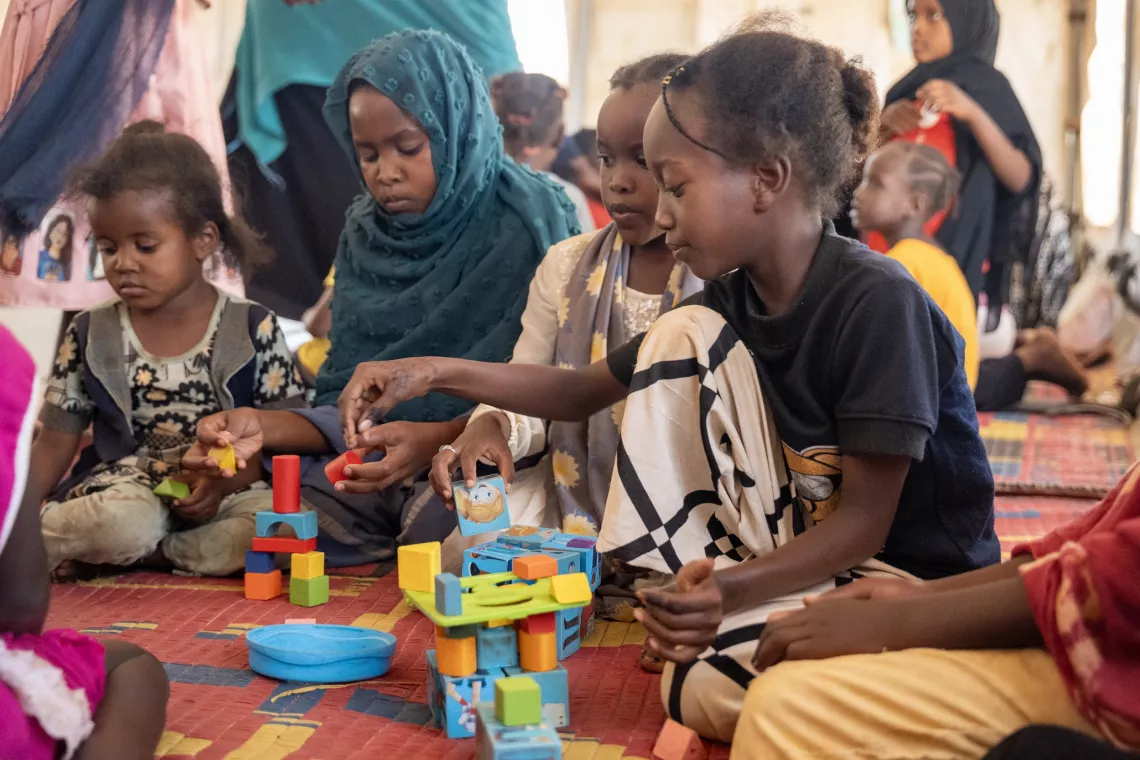
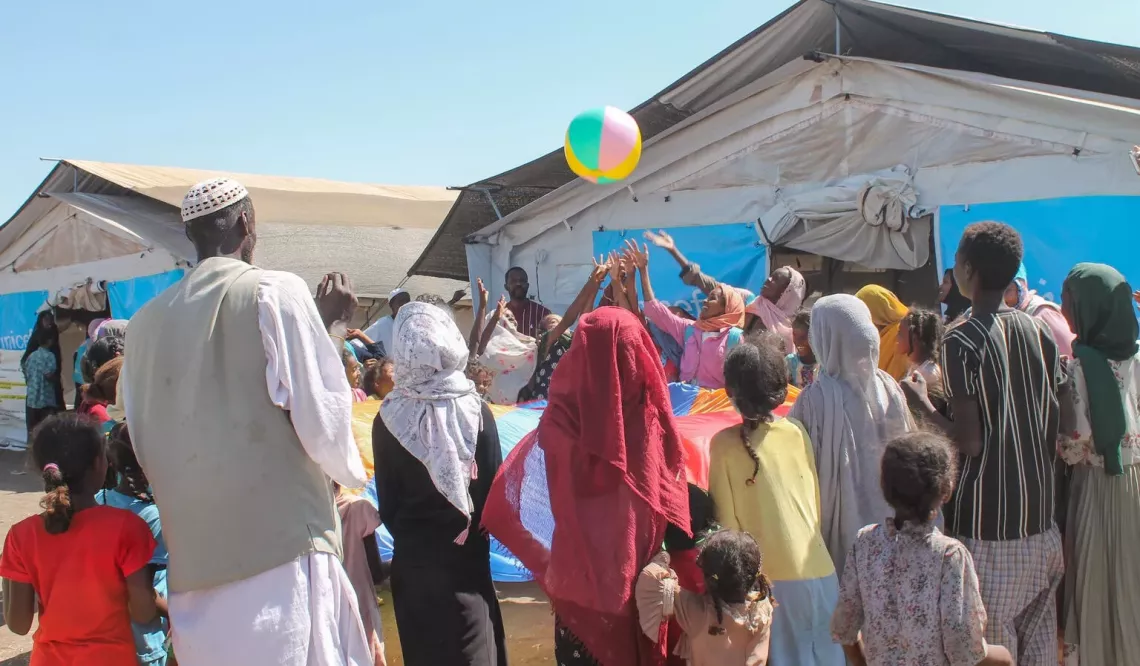
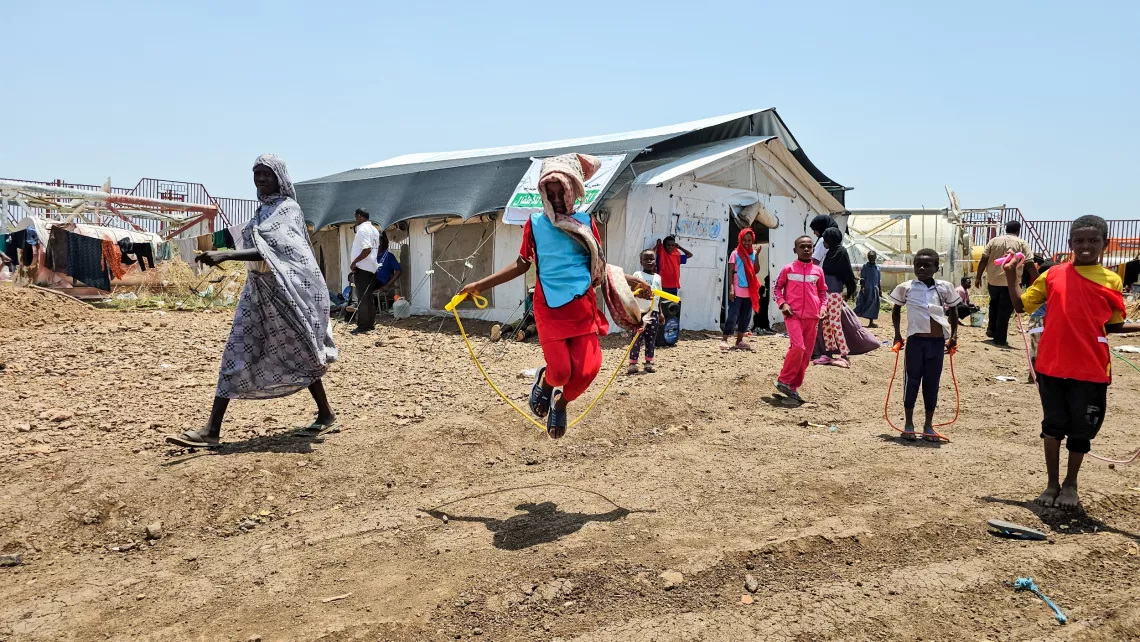
In Gharb Al Mater, it’s a busy morning. Children are arriving, energized for the day’s activities. Grouped by age and guided by trained facilitators, they dash into the different UNICEF tents to participate in activities like drawing, art and craft, beading, crocheting, and cooking.
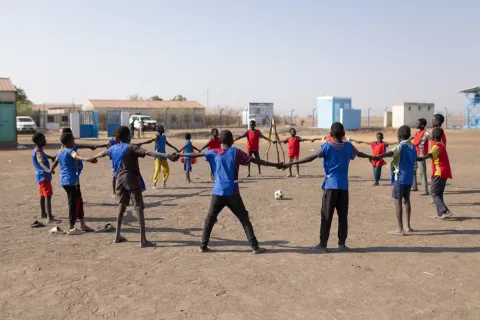
Sports and play activities are also ongoing.
“Children coming from war zones often display violent behaviour resulting from the violence they witnessed at home or throughout displacement,” said Tawadud, a facilitator.
“These activities foster cooperation and camaraderie among adolescents, and their daily interactions help ease the psychological impact of conflict.”
Games and fun activities
Conflict and disasters disrupt children’s ability to play safely. The spaces where they once played are often destroyed, and toys left behind or lost during displacement.
Rebuilding play spaces where children can interact with peers is not only therapeutic- it helps them rebuild their lives.
Recreation kits packed with board games and various sports equipment are provided to support indoor and outdoor play for children and adolescents aged 7 to 18. Through sports and play, children connect, communicate, manage stress- and most importantly- have fun.
Singing and dancing
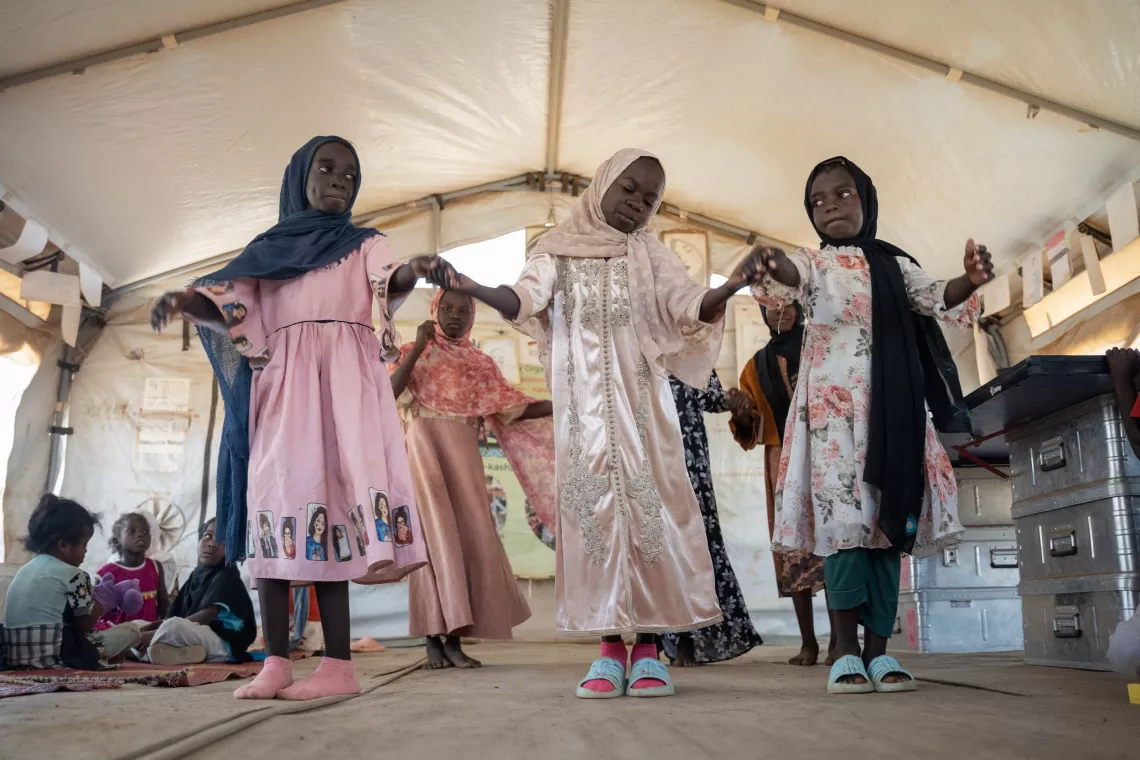
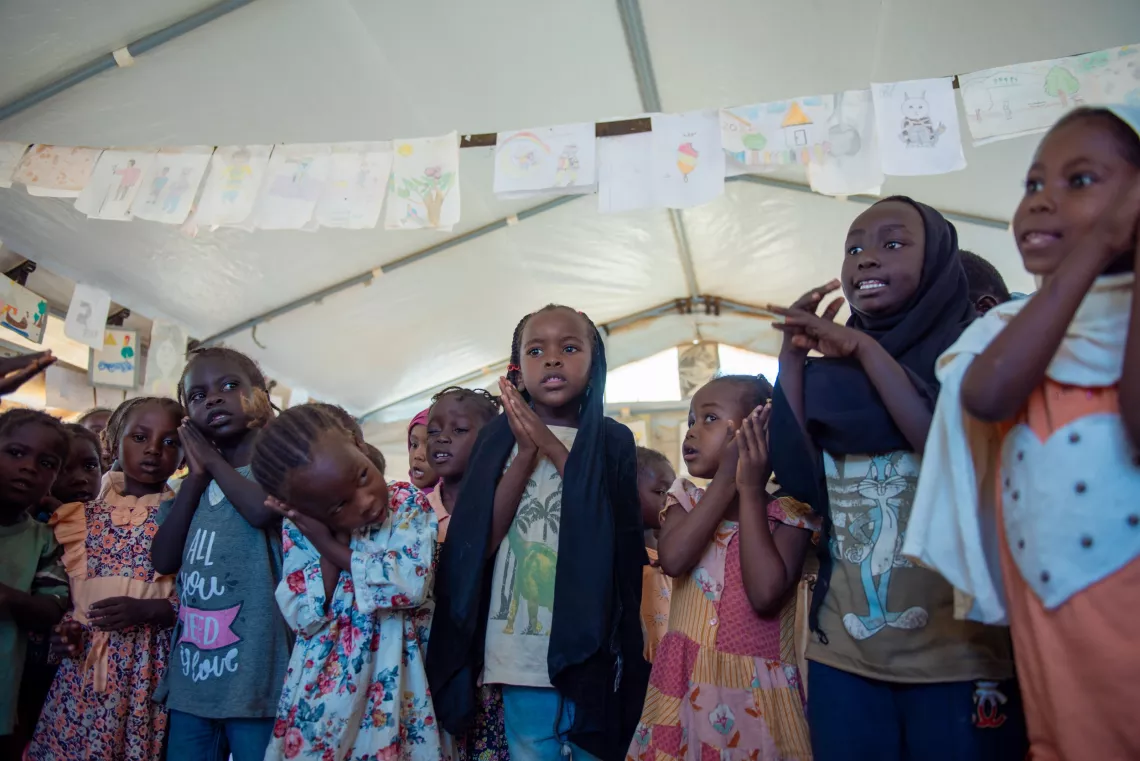
Singing and dancing to traditional Sudanese songs is a favourite activity at the safe spaces.
Saja (middle) loves to sing and dance. Together with six friends, she formed a group called ‘Amal’ – which means hope.
Every day, they lead children in joyful sessions of singing and dancing - sometimes even performing in the community, spreading messages of hope and resilience.
Far from home, they find a sense of joy and belief in a better tomorrow through music and dance.
Skilling for the future
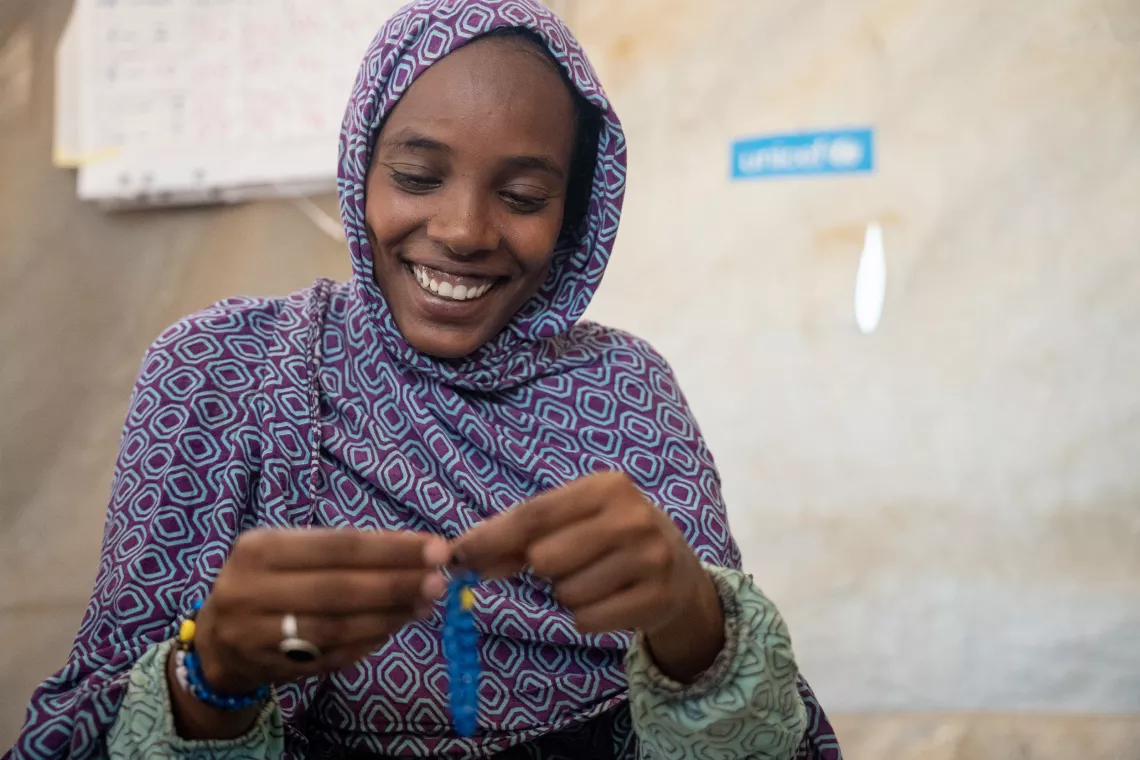
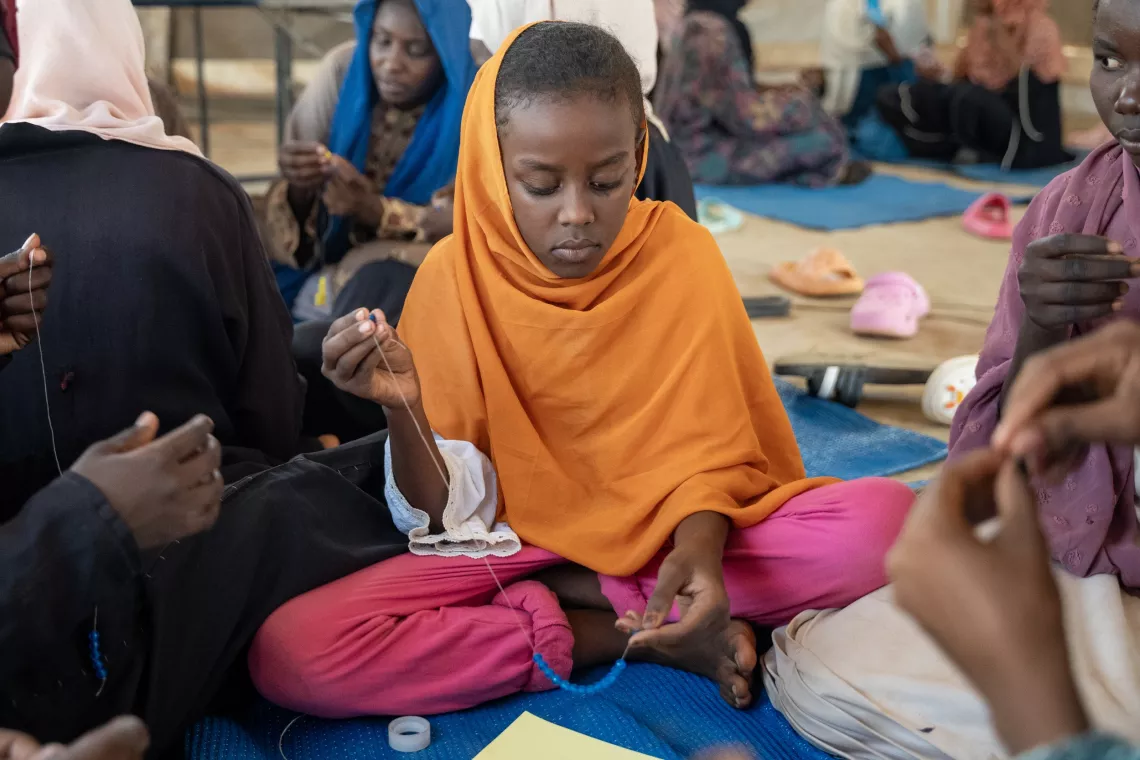
At the CFS, children and young people also receive life skills training and emotional support to help them navigate life during and after the conflict.
Guided by trained facilitators, they learn to make jewelry, hats, blankets and even cook. They are learning critical skills they can use to generate income in the future.
“I have learned so much,” said Fatuma. “More importantly, I can turn these skills into a source of income.”
Support in Tawila
Recent clashes in Al Fasher have displaced hundreds of children. In Tawila, many frequent the child-friendly spaces to play, interact, draw, and just be children again.
Here, social workers can also identify separated and unaccompanied children and provide immediate support.
“These children have suffered greatly,” said Aisha Adam, a social worker in Tawila.
“We are seeing the effects both in behavior and speech. We sit with them, talk to them, and gently guide them—helping them make sense of their experience and express themselves in safer, more hopeful ways.”
Illustrating life
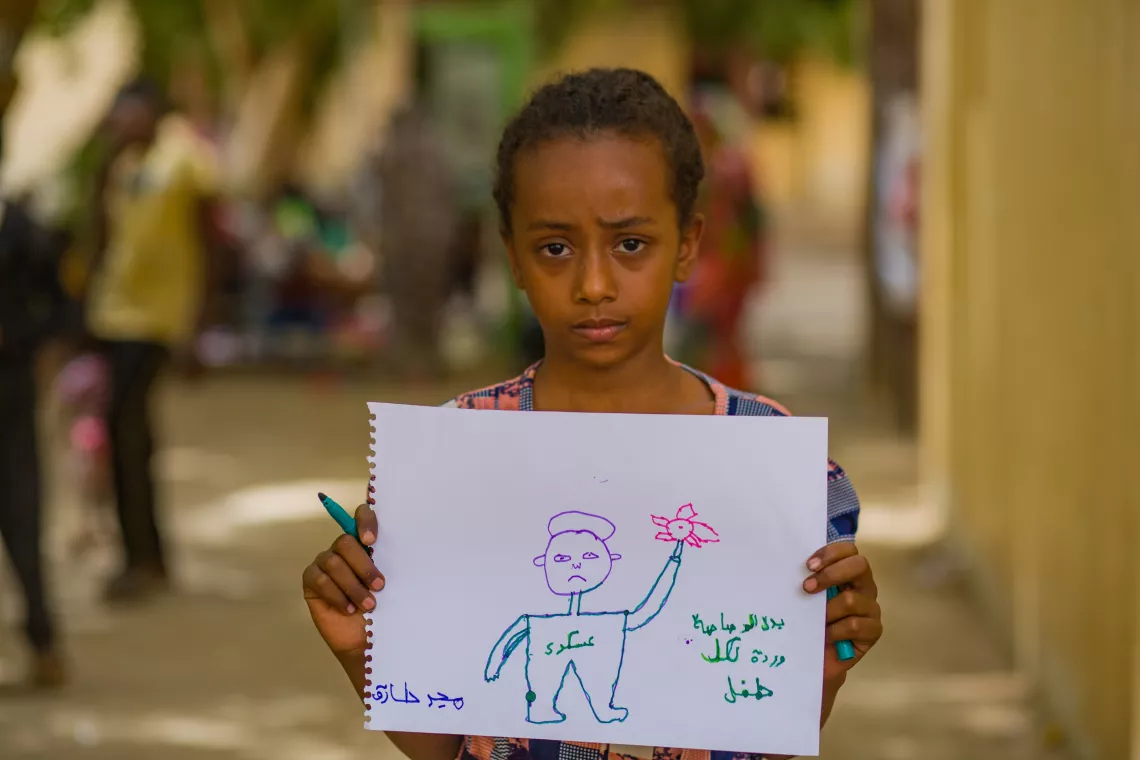
Through simple activities like drawing, colouring, and molding clay, children communicate their experiences.
“Drawings can reveal a lot,” said Aisha Adam. “We often see images of guns, snipers, and scenes of violence- clear signs of trauma.”
With coloured pencils and paper, one child, Majd shared a strong message “No bullets. One rose for each child.”
Emergencies impact children physically, psychologically, and socially. Through well-designed programmes and trained facilitators in child-friendly spaces, UNICEF and its partners are helping children recover from the horrors of the war.
With the support of the European Union, ECHO, KFW and the Government of Canada, UNICEF and partners have established child-friendly spaces, were children affected by the war can redefine, rediscover, and rebuild themselves-and most importantly- just be children.