

Reimagine Parenting
How parents contribute to their child's development during the first years of life
- English
- العربية
During the first few years of life, a child’s brain develops at a never-again-repeated speed of more than 1 million new neural connections every second. This period offers a once-in-a- lifetime opportunity to shape a child’s ability to learn, grow, form healthy relationships, and contribute fully to society. Parents are the main providers of health, nutrition, stimulation, opportunities for early learning and protection that babies need for healthy brain development
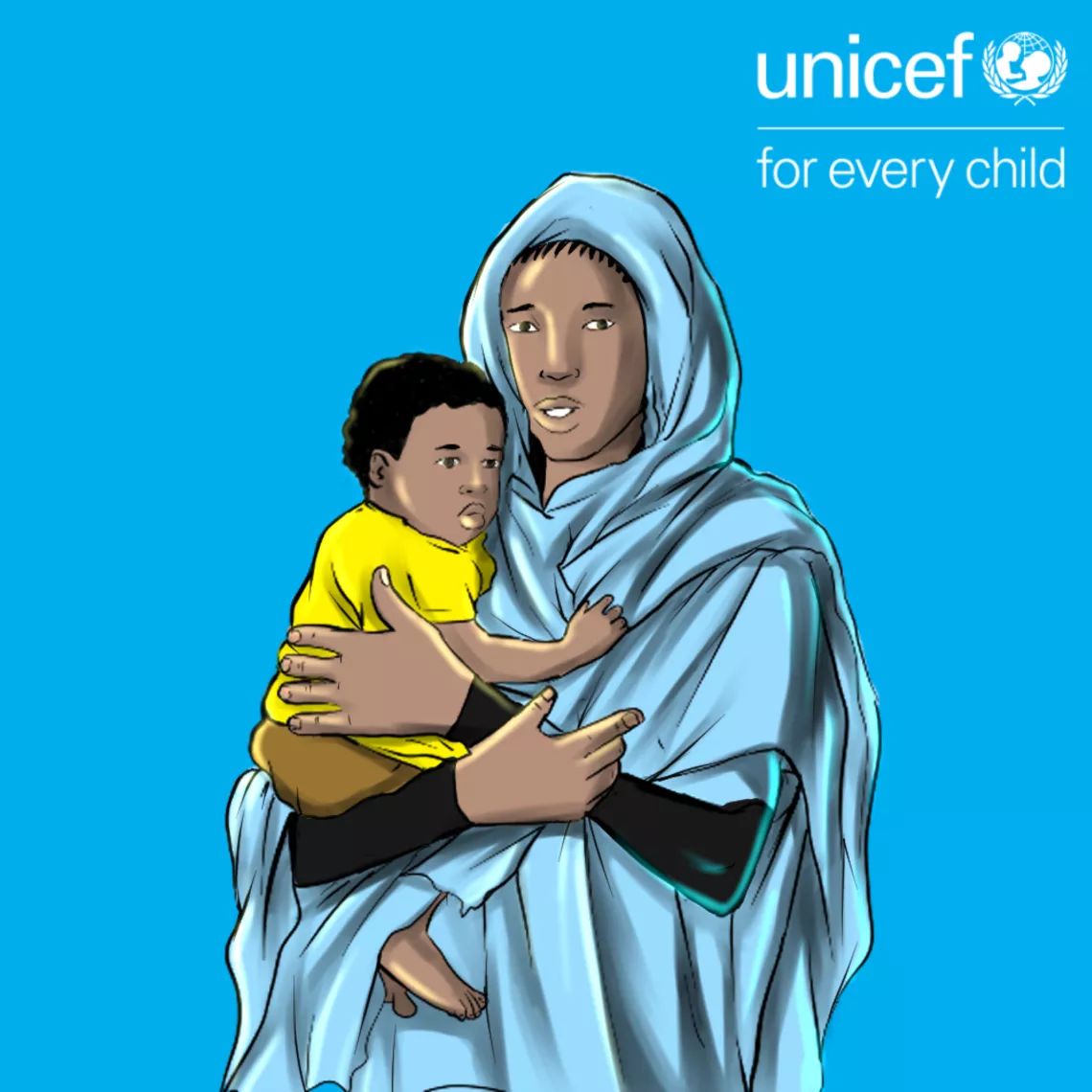
From the moment they are born, babies have one instinct, it’s in the core of human nature to attach to a caregiver – usually a parent - to survive, grow, be protected, and learn.
It’s this attachment with a parent or caregiver that provides nutrition, protects them from harm, soothes them with play and love, and helps them learn how to safely navigate the world.
Children’s happiness, ability to believe in themselves, be resilient, self-regulate, cope with disappointments, learn and discover new things – all important for skills for lifelong mental health - are tightly linked to these early emotional connections.
Loving, positive, soothing relationships between a parent or caregiver and their baby in the earliest years are vital for promoting brain development and children’s wellbeing and mental health throughout life.
Every loving connection made, every nutritious meal and game played helps build the babies brain and shapes the way they think, feel, act, and learn throughout life.
The need for love and play in childhood may be intuitive, but scientific research has taught us love and play are vital for brain development and lifelong mental health.
Children learn better when they feel safe and learn best through play.
Love and play strengthen the mind and body, helps develop social and emotional skills, and provide comfort when feeling anxiety and stress, for both parent and child.
Every act of love, connection and play, no matter how small, builds babies brain and strengthens their health and emotional well-being and the bonds between parents and children.
Parents’ and caregivers’ mental health and well-being is so important for building these bonds which shapes the child’s well-being and ability to thrive and flourish throughout life.
Parent’s ability to be the best they can be is also shaped by their own experiences and current and past well-being.
Self-care is important and can happen best only when we all support and care for each other.

All parents want the best for their children, but for many, successful parenting is not instinctive – it’s a skill that is learned.
Parenting is one of the hardest jobs in the world. It comes with more responsibilities and stress than most other jobs. It can also be painful at times, particularly when parents find it hard to balance demands of other relationships or are struggling with their own emotional wellbeing.
Without proper support, parenting can be harmful for parents and children.
It’s never been an easy job, and the COVID-19 pandemic has parents and caregivers carrying an even heavier mental load, as they continue battling to keep children learning and families functioning.
The pandemic has been a source of unprecedented stress and adversity for many families putting their own mental health and ability to provide a protective and nurturing environment for their children at risk.
It has increased the already heavy burden on all parents and caregivers, especially mothers and female caregiving who carry a disproportionate burden of caregiving.
For families living with poverty, violence, abuse and neglect in the home, those living through conflict or in some of the world’s most fragile places, the stress and adversity is compounded on what they live with day to day.

Now more than ever, we need to reimagine the support we give to parents so that they have the time, resources, and services to give children the best start in life.
Parents need time to spend with their children; resources to provide for their children; and services to learn parenting skills and care for their own emotional well-being.
Yet, many don’t have access to services where they can learn parenting skills or look after their own mental health and many have no choice but to work long hours, to support their families.
UNICEF is calling on businesses to invest to scale up parenting programmes and family-friendly policies to build more resilient, prosperous, and fair societies. Especially in the early years, this support should promote playful, responsive care.
Parenting programmes –community support groups - give parents the support they need to learn skills, practical tips and guidance on positive parenting and nurturing caregiving and support their own well-being and mental health.
Family-friendly policies - including paid parental leave, breastfeeding support, access to affordable, quality childcare and child benefits and adequate wages - give parents the time, resources and services they need to give their child the best start in life; while mental health programmes for all employees, help working parents cope with conflicting demands.
Being a parent is the most important and hardest job in the world.
UNICEF is calling on governments and business to reimagine parenting support so that every child thrives and flourishes throughout life.


