Report
North Darfur (Al Fasher) and Kordofan Crisis
Humanitarian Flash Update (6 November 2025)

Highlights
North Darfur State
- Since 26 October, over 81,000 people have been displaced from Al Fasher town due to escalating violence.
- Humanitarian access remains restricted, hindering delivery of life-saving aid. Urgent needs include shelter, food, water, and medical care.
- Protection risks continue to rise, particularly for women and children. Reports indicate widespread violence, including killings, sexual violence, and looting of health facilities.
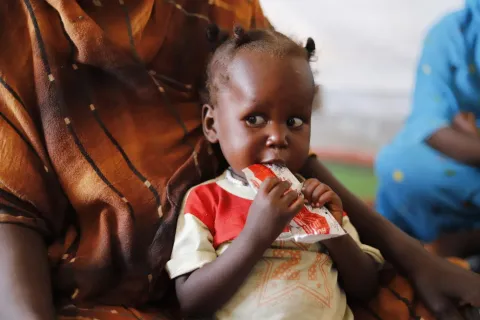
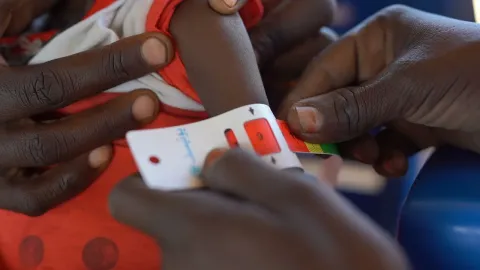
- Over 850 children with acute malnutrition have been identified and are receiving treatment. Mobile clinics and emergency water trucking are reaching thousands daily; hygiene kits have been distributed to newly displaced families.
- 65 unaccompanied or separated children have been identified; with 39 reunified. Over 1,350 people have received psychosocial support and gender-based violence (GBV) services, including trauma care and emergency assistance.
- North Darfur remains one of the epicenters of famine/risk of famine. The IPC analysis released at the end of October 2025 concluded Al Fasher to be in famine situation and indicated Tawila, Melit and At Tawisha to be at risk of famine.
Kordofan States
- Nearly 37,000 people have been displaced from different localities of North and South Kordafan by the recent conflict and shifting frontlines, with host communities in White Nile and other states absorbing large numbers of displaced families, further straining limited local resources and services.
- Civilian casualties have been reported following attacks in Aliweeb and Eliga villages. Displacement continues toward safer areas, including White Nile and Kassala States, amid growing humanitarian needs.
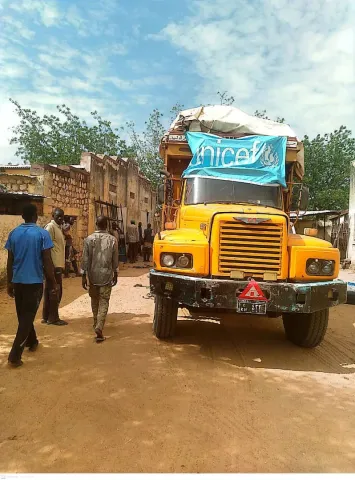
- UNICEF is supporting 40 health facilities and four mobile clinics in North Kordofan State, providing cholera treatment and nutrition services. Clean water access has been restored for 15,000 people, and cholera preparedness measures are ongoing across the Kordofan states.
- Over 320 unaccompanied or separated children received case management services across North, South, and West Kordofan. GBV and mine risk awareness campaigns have reached over 80,000 people, and thousands have received psychosocial support through child-friendly spaces and outreach teams.
- The October IPC analysis identified that areas of Kordofan are also facing a famine situation, with Kadugli determined to be in famine and West Nuba Mountains to be at risk of famine.
Publication date
Languages
English