The power of art
UNICEF Young Reporters in South Sudan showcase the power of art to advocate for children's rights

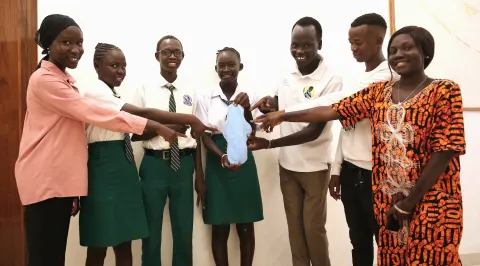
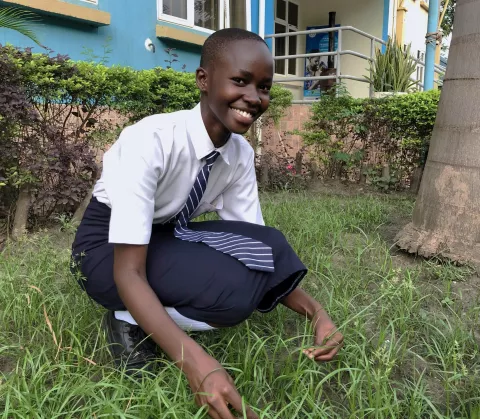
The UNICEF Young Reporters Programme has transformed my son, Junior, for the better. He was an introvert, but in less than a year since joining the Programme, he has become an extrovert. This platform is shaping and mentoring future leaders, and these young advocates are now an inspiration, not only to their peers but also to older generations.
This testimony from Zaki Verna, the parent of one of the young reporters, highlights the personal transformation brought about by the UNICEF Young Reporters Programme. It showcases how the Programme empowers children to become confident advocates for their futures and their communities.
Often, the role of children in decision-making, especially on issues that directly affect them, is overlooked. However, children and young people play a crucial role in shaping the future they envision, making their voices powerful tools for advocacy. Through initiatives such as the UNICEF Young Reporters Programme and various collaborations, children and young people in South Sudan now have a platform to share their views on the future they hope to see.
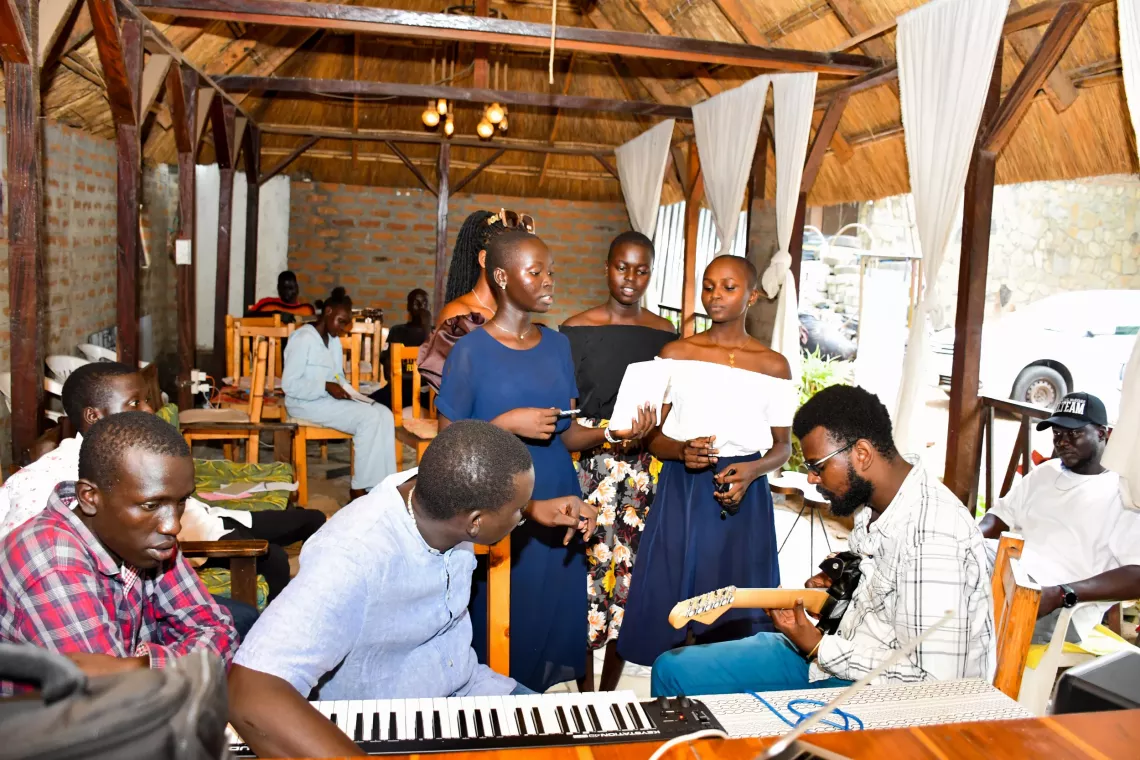
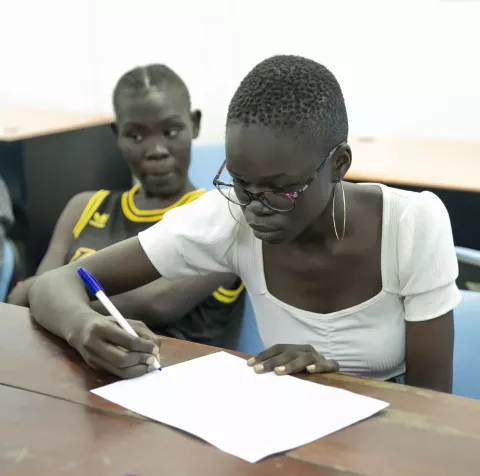
Following a series of trainings and bootcamps on news writing, storytelling for advocacy, and artistic expressions like music, dance, drama, and poetry, the UNICEF Young Reporters are now using the skills they have acquired to advocate for the issues that matter most to them. Through artistic forms of expression, they are sending out key advocacy messages that resonate deeply.
These messages cover a wide range of issues—from education to climate change, water, hygiene and sanitation, to child protection—emphasizing the importance of children and their dreams. They also highlight the roles of parents, guardians, the government, and humanitarian agencies in supporting the wellbeing of children. Most importantly, the messages call for the protection and upholding of children's rights in South Sudan.
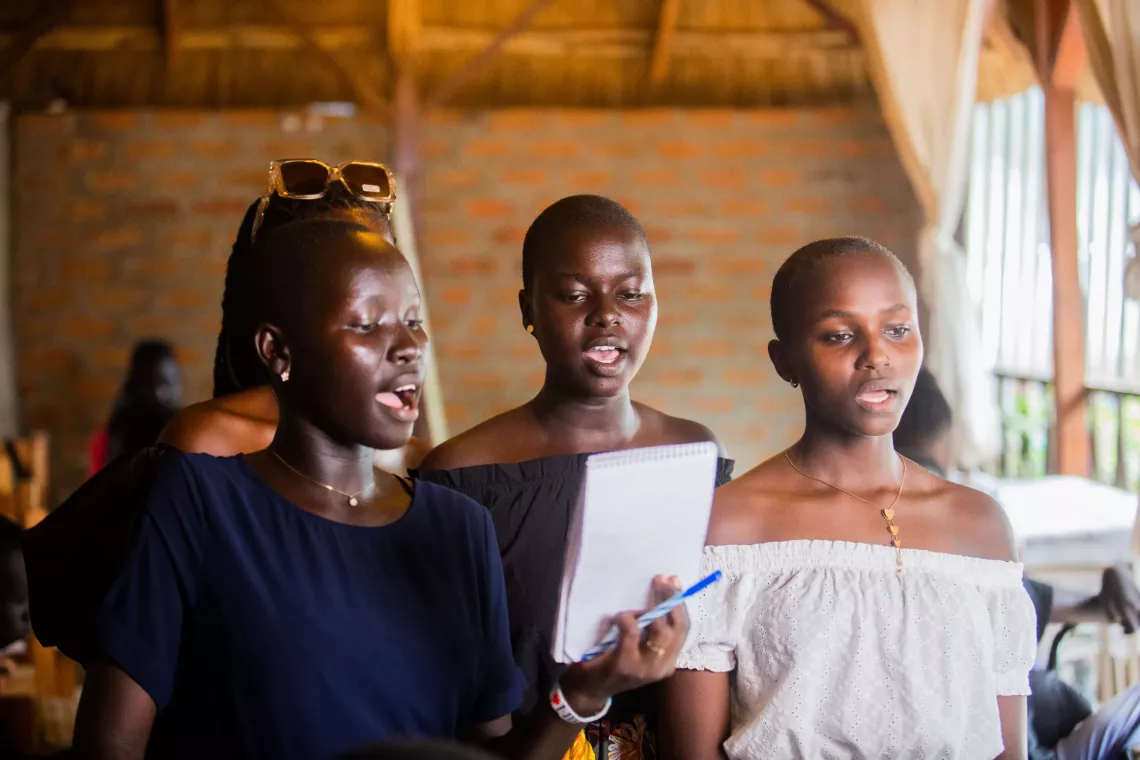
One powerful example is the song “I Am a Child,” written and performed by the Young Reporters. This song emphasizes the validity of every child’s dream, while also acknowledging the barriers—such as child marriage—that hinder the fulfillment of those dreams. The song questions the actions of those meant to protect children's rights and highlights the advocacy efforts of young people for a better future. It further serves as a call to action for relevant stakeholders to listen to the voices of children and young people in South Sudan by involving them in key decision-making processes—such as consultations and discussion panels.

In addition to this, the Young Reporters collaborated with the Grass Root Empowerment and Development Organization (GREDO) to write and perform another song, “Come Back Home,” in both English and Juba Arabic. The song highlights the struggles of street children in South Sudan, who often face immense hardships yet deserve education, love, and proper care. It advocates for these children to return home, reform, and reintegrate into society, rather than falling prey to gang-related activities or crime. The song emphasizes that life on the streets is difficult, and that children deserve a better future.
GREDO, a partner organization supported by UNICEF, plays a significant role in protecting the rights of children, rehabilitating and supporting young people who have been involved in street life. Their initiatives, which include providing recreational spaces for youth and promoting physical, social, and emotional development through sports, arts, and hands-on activities, are critical to shaping a better future for South Sudanese children.
The collaboration between the UNICEF Young Reporters and GREDO is both timely and impactful. By amplifying the voices of young people through artistic advocacy, the partnership aims to raise awareness about the importance of children’s rights and create change in South Sudan. The Young Reporters are committed to expanding their advocacy efforts, and there is a call for further collaboration with other initiatives that support children and young people in the country.
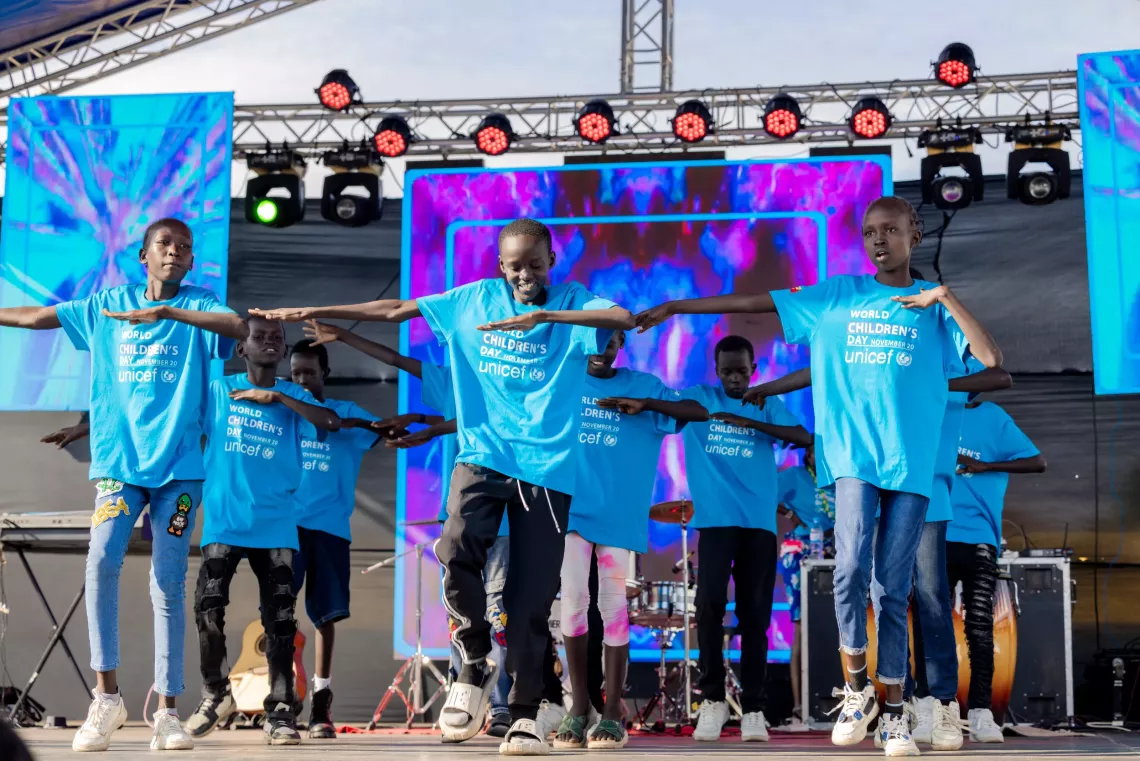
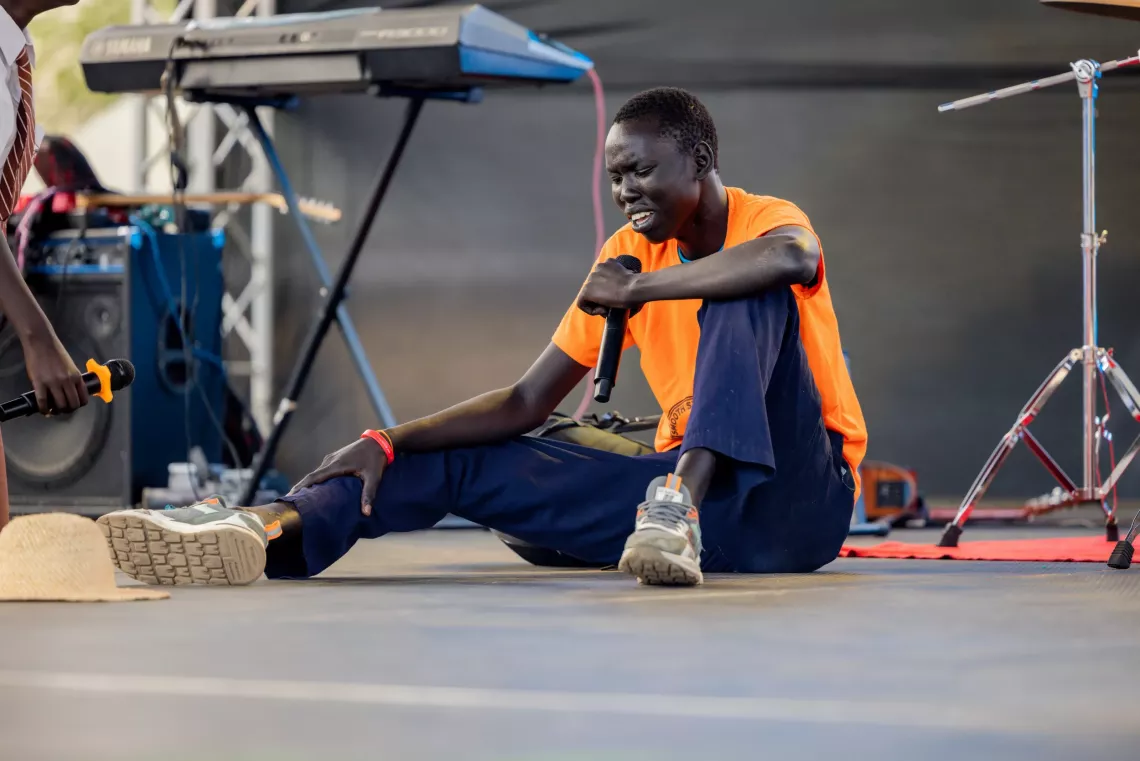
Art forms such as music, drama, poetry, and dance play a vital role in advocacy because they communicate important messages in an engaging and accessible way. With the advancement of technology, these messages can easily reach a wider audience, prompting reflection and action. The launch of these two songs is not just an artistic expression, but a continuous and impactful call to action for the protection of children’s rights in South Sudan.
Through this ongoing effort, the goal is clear: to promote and protect children’s rights through the power of art and advocacy, giving children a stronger voice in shaping their future.