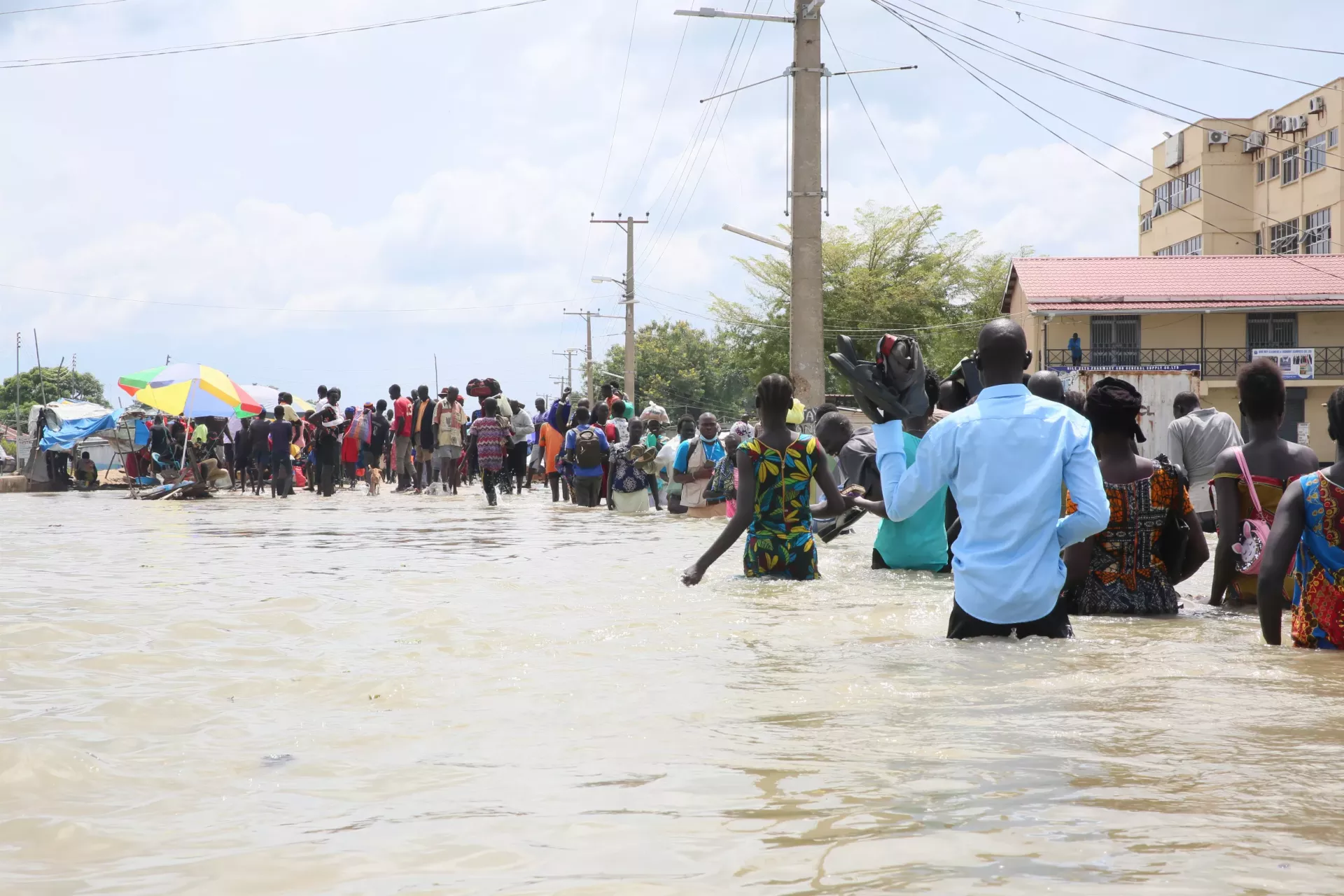
Facing the floods
UNICEF Young Reporters Leading Resilience Efforts in Jonglei State
With its breathtaking landscapes, South Sudan is home to one of the largest animal migrations on earth, the Great Nile Migration. Each year, 6 million antelope traverse its lands, creating a stunning spectacle showcasing nature's beauty and power. However, amidst this awe-inspiring scene, the country faces a significant challenge: the looming threat of climate change. As the risk of devastating floods increases, the already critical climatic crisis becomes more urgent, putting both the people and wildlife of South Sudan at risk.
Considering the uncertainties brought on by the climate crisis—which causes crop destruction, disruptions to education, rising diseases, and economic downturns—as a result, communities and victims are toned to prepare to counter these issues and be ready for future challenges. Aid groups and authorities have sounded alarms about incoming floods due to Lake Victoria's water levels rising to 13.6 meters—the highest in the Nile Basin in over a century. This escalation, compounded by discharges from the Nalubaale Power Station in Uganda, poses imminent flooding risks to South Sudan, particularly in Jonglei State.

When floodwaters rise, students, teachers, and communities strive to maintain educational continuity amidst natural disasters. Flooded schools render classrooms unusable, wash away educational materials, and undermine the very foundation of learning. This crisis disproportionately affects girls, jeopardizing their education and making them vulnerable to early forced marriages.
Beyond education, children’s health suffers significantly during floods. Access to healthcare becomes severely limited, compounding the risks of diseases such as cholera, malaria, acute respiratory infections, and dysentery. The psychological toll on children is equally severe; they undergo depression when they see the destruction of their homes and livelihoods.
Experiences and the Way Forward
Considering the devastating impacts of the climate crisis in Jonglei State, which have affected many, including children, is crucial. The UNICEF Young Reporters share their firsthand experiences with climate change and recommend achievable solutions to the government, partners, and stakeholders.
Nathaniel Thon Alier, a 17-year-old UNICEF Young Reporter from Jonglei and a nutrition advocate, expresses his concern about the risk of malnutrition in the region due to the flooding’s impact on agriculture. He emphasizes the need for the government to take the lead in addressing malnutrition.

In Jonglei State, agriculture is our lifeline. During this rainy season, my family and I visited the farm in late June to prepare the land for a great harvest. However, with the anticipated flooding, many families will face the risk of malnutrition since farming is one of the major activities practiced in Jonglei State. I urge the government and partners to work closely towards fighting malnutrition by promoting proper childcare practices to prevent developing children's deaths, as we do not know how long it will take for the water to recede.
Awan Kuol Awan, a 16-year-old advocate, shares his personal account of the difficulties in accessing medical services during the 2020 floods. He explains the financial burden and logistical challenges faced by families and calls for better access to health supplies during emergencies from the government and partners.
When we experienced the floods in 2020, access to health services became extremely difficult, and getting from my house to the hospital was a challenge. My mother and I had to take a boat that cost 500 South Sudanese pounds each day to visit Bor State Hospital, only to be told there were no medical supplies. We eventually had to send her to Juba to get medicine and better treatment. I urge the government and NGOs (non-governmental organizations) to help the community ensure easy access to health supplies and facilities during the floods.

Abuol Alier Leek, an 18-year-old advocate for education, mental health, and children’s rights, is concerned that the economic impact of the climate crisis may lead to irregular school attendance, increased dropout rates, and ultimately contribute to early marriage. She calls for the construction of flood resilient school structures.

With another flooding expected, young people are stressed. Many students will miss lessons due to floodwaters that might submerge classrooms. I’m worried about girls’ education; my friends and I are at risk of forced marriage. When we experienced flooding in 2020, livelihoods were destroyed and many parents, especially in Jonglei State, viewed girls as a source of wealth.
When floods strike, financial constraints make it difficult to meet basic needs—let alone prioritize a girl’s education. This flood crisis will increase the number of girls dropping out of school, making them vulnerable to early forced marriages. To address this climate change crisis,
“I urge the government and stakeholders to help build flood-resilient classrooms to ensure girls can continue their education,” Abuol added.
What the Young Reporters Are Doing to Prepare for the Worst
In preparation for the climate crisis, the UNICEF Young Reporters, in collaboration with the municipal council of Bor Town, have initiated a large-scale tree-planting campaign. This ongoing initiative aimed to plant at least 500 trees and was officially launched at the Pakwau roundabout in Jonglei State. The campaign seeks to combat the effects of climate change and mitigate the looming floods that threaten Bor Town, which has been deeply scarred by recurrent flooding.


The tree-planting event represents a proactive step toward reducing flood impacts in Bor Town. It sets a precedent for future environmental initiatives and inspires hope for a sustainable community where children are protected from the ravages of climate change.
As we progress, the dedication and commitment of the UNICEF Young Reporters will continue to drive progress toward a greener, more resilient future for Bor Town. This effort ensures that children grow up in safe, healthy environments that support their well-being and development.