DAVID’S RACE TO KEEP EBOLA OUT OF SOUTH SUDAN
Meet a Social and Behavioral Change Coordinator Working to make South Sudan Ebola-Free

As Ebola cases continue to rise in neighboring DRC and Kenya, preparedness efforts keep going in South Sudan. As part of preparedness, the most powerful tool is a conversation with the right person in a language the community trusts.
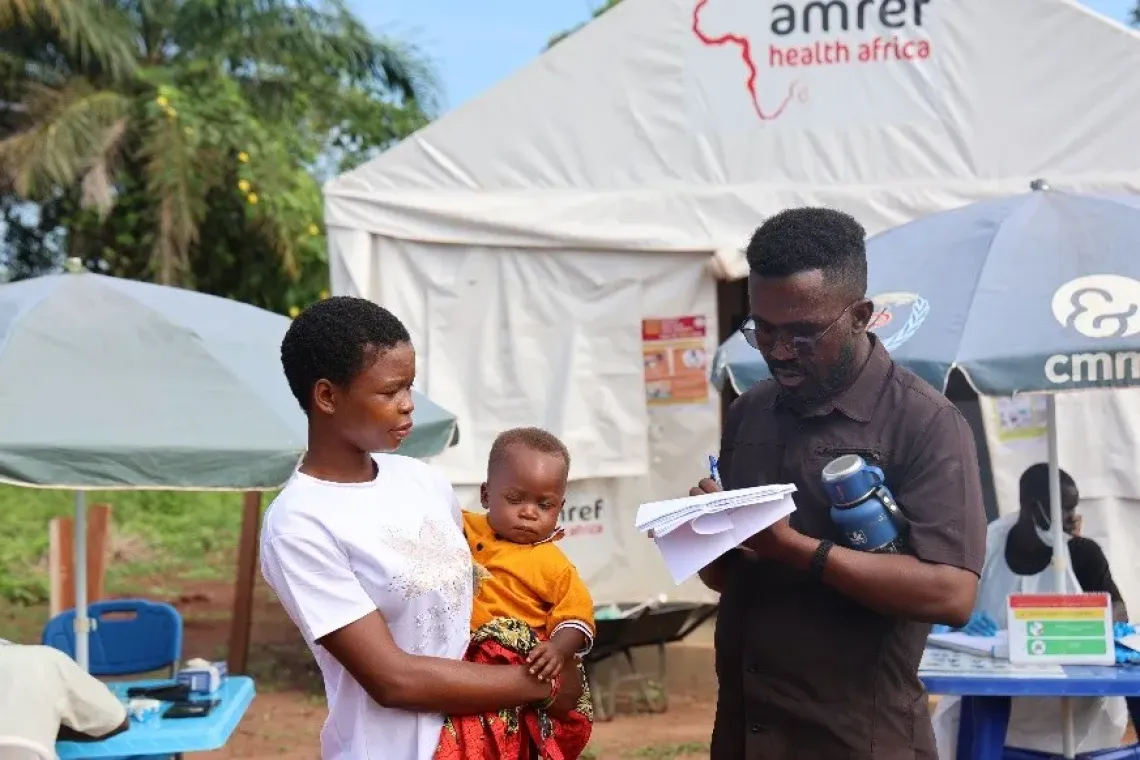
David Benjamin Ginana has built his work around this principle. As the Social and Behaviour Change (SBC) Coordinator at UNICEF’s Yambio Field Office in Western Equatoria State, he is on the frontlines of Ebola preparedness, engaging communities before a single case is detected.
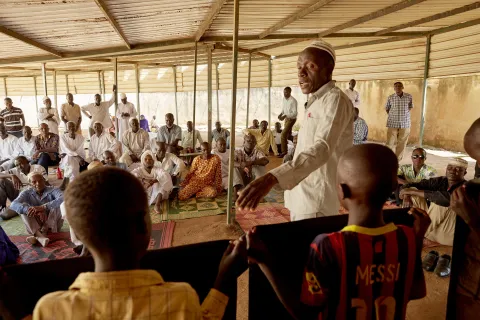
His work begins with listening. Before sharing messages, David and his team meet with families, health workers and elders to understand their concerns and questions. Alongside partners such as Amref and CMMB, he engages health workers, traditional and faith leaders, and community members.A critical partner in these efforts is the Azande Kingdom, whose health scouts, traditional authorities, youth and women’s groups help connect David and his team with communities. This collaboration places trusted local voices at the centre of engagement, linking preparedness messages with community concerns, language and culture.
When trusted community influencers deliver prevention messages in their own words, communities embrace those messages as their own rather than viewing them as UNICEF’s
The Kingdom’s collaboration is also critical to David’s engagement on safe and dignified burial preparedness. Working with its health scouts, traditional authorities, youth and women’s groups provides a trusted channel for discussing this sensitive subject, listening to families’ concerns and addressing questions about burial practices. The emphasis is on building understanding before an emergency: protecting communities while respecting the dignity of those who have died and the cultural values of bereaved families.
Underpinning these efforts is the Azande Kingdom’s strong collaboration with the Western Equatoria State Ministry of Health and religious leaders across traditional faiths, Christian denominations and Islamic communities. This partnership brings public health expertise, traditional authority and faith-based networks together to support David’s community engagement and dialogue on risk communication and safe and dignified burial preparedness.
Behind the scenes, David coordinates closely with UNICEF colleagues in supply, health and WASH to ensure communities can act on the guidance they receive. He relays field needs so supplies can be prepositioned before an alert rather than after one. Insights from villages, from rumours to service gaps, feed directly back to the team, helping refine the response and strengthen programme delivery.
Ebola does not stop at borders, and neither does our care for one another. When a mother, religious leader, chief and health worker share the same message, together we become South Sudan’s strongest protection

For David, the drive is personal. Growing up in South Sudan, he saw how conflict, poverty and limited services shape ordinary lives.
“I learned that development begins when people understand their challenges and help solve them. Sometimes change starts with a listening session, or a message that helps someone make a better decision,” he narrated.
At home, his wife and children remind him that success is measured not only by positions held, but by the love we give and the lives we touch.
“I hope for a peaceful, healthy, united, and prosperous South Sudan where every citizen has the opportunity to live with dignity,” David concluded.

The threat is urgent. As of 15 October, the DRC had reported 9,277 confirmed cases and 4,478 deaths. Kenya had also recorded eight confirmed cases, including one death, following its first imported case on 6 October.