

New National Survey shows serious challenges for children in South Sudan, but also clear areas for action
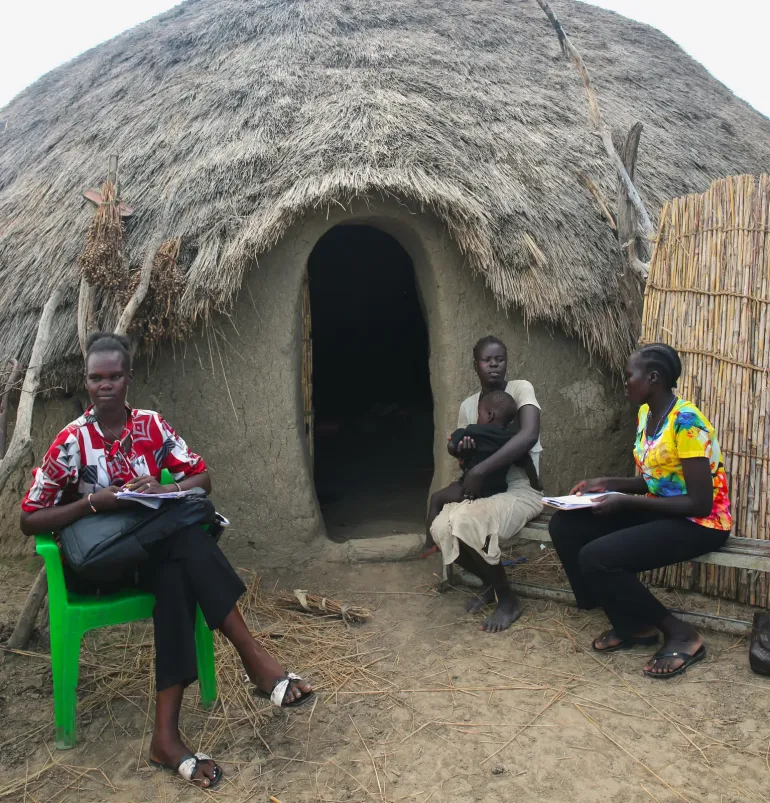
21 April 2026, Juba, South Sudan — The National Bureau of Statistics (NBS), together with UNICEF and development partners, today released the results of the 2025 South Sudan Multiple Indicator Cluster Survey (MICS). The survey provides the most comprehensive national picture to date of the situation of children and women in South Sudan.
The survey collected data on key aspects of children’s and families’ lives, including health, nutrition, education, child protection, water, sanitation and hygiene (WASH), and household wellbeing. The findings will help the Government and partners design better policies, improve services, and target resources where they are most needed.
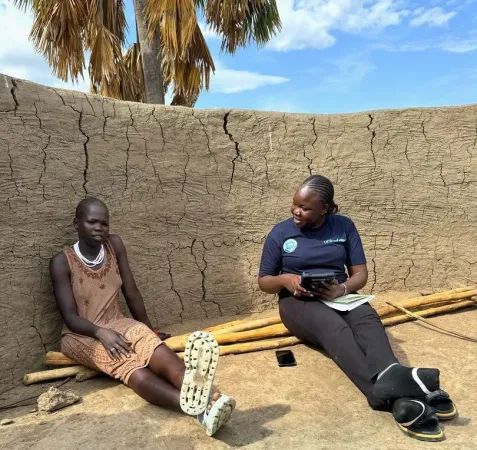
The survey sampled 12,000 households and successfully interviewed over 10,000 across all states and administrative areas. Response rates were very high: 98.8 per cent for households, 90.1 per cent for women, and 99.7 per cent for children under five. These results provide a strong national baseline for tracking progress and improving services for children and families.
While the data shows some positive signs, the overall picture remains worrying. Many children and women continue to face serious challenges, and faster, more decisive action is needed to improve their wellbeing.
“For the first time since independence, South Sudan has nationally representative household data that clearly show the situation of children and women across the country,” said Dr Augustino Ting Mayai, Director General of the National Bureau of Statistics. “This evidence provides a strong foundation for better policies and more targeted investments.”
The findings show that households are doing their best to care for their children, yet major gaps remain. The globally recommended investment for the social sector is approximately 4-6% of GDP, as well as recommended investment needed to improve health and nutrition (4-6% of GDP), education (5% of GDP), protection, and access to essential services.
“Behind every statistic is a real child whose future depends on what we do next,” said Noala Skinner, UNICEF Representative in South Sudan. “The data clearly show the urgent need for greater investment in health, nutrition, education, protection, and water and sanitation. UNICEF remains committed to working with the Government and partners to translate this evidence into action so that every child can survive, learn and thrive.”
Key findings report are summarised in the Media Factsheet that accompanies this press release. Full survey results and detailed data are available on the National Bureau of Statistics and UNICEF websites.
The survey was led by the National Bureau of Statistics, with technical and financial support from UNICEF and development partners, including the World Bank, UK Aid (FCDO), the Government of the Netherlands, the World Food Programme, and UNAIDS.
Media contacts
Additional resources
About the National Bureau of statistics
The National Bureau of Statistics is the Government of South Sudan’s official institution responsible for the production and dissemination of national statistics to support evidence-based policy and development planning.
About UNICEF
UNICEF promotes the rights and wellbeing of every child, in everything we do. Together with our partners, we work in 190 countries and territories to translate that commitment into practical action, focusing special effort on reaching the most vulnerable and excluded children, to the benefit of all children, everywhere.
For more information about UNICEF and its work in South Sudan visit: www.unicef.org/southsudan
Follow UNICEF South Sudan on Twitter, Facebook, Instagram and YouTube
