Kamal Adwan Hospital: From Hope to Ruin and Back Again
Kamal Adwan Hospital is resuming life-saving care for newborns, step by step – but needs considerable support beyond short term emergency assistance to recover fully.
- English
- العربية
For years, the Kamal Adwan Hospital has been the most important hospital in the north of the Gaza Strip. Its Neonatal and Pediatric Intensive Care Unit housed over twenty beds and incubators. Kamal Adwan became a synonym of hope for thousands, where newborns took their first breaths, doctors saved countless lives, and comforted patients in pain.
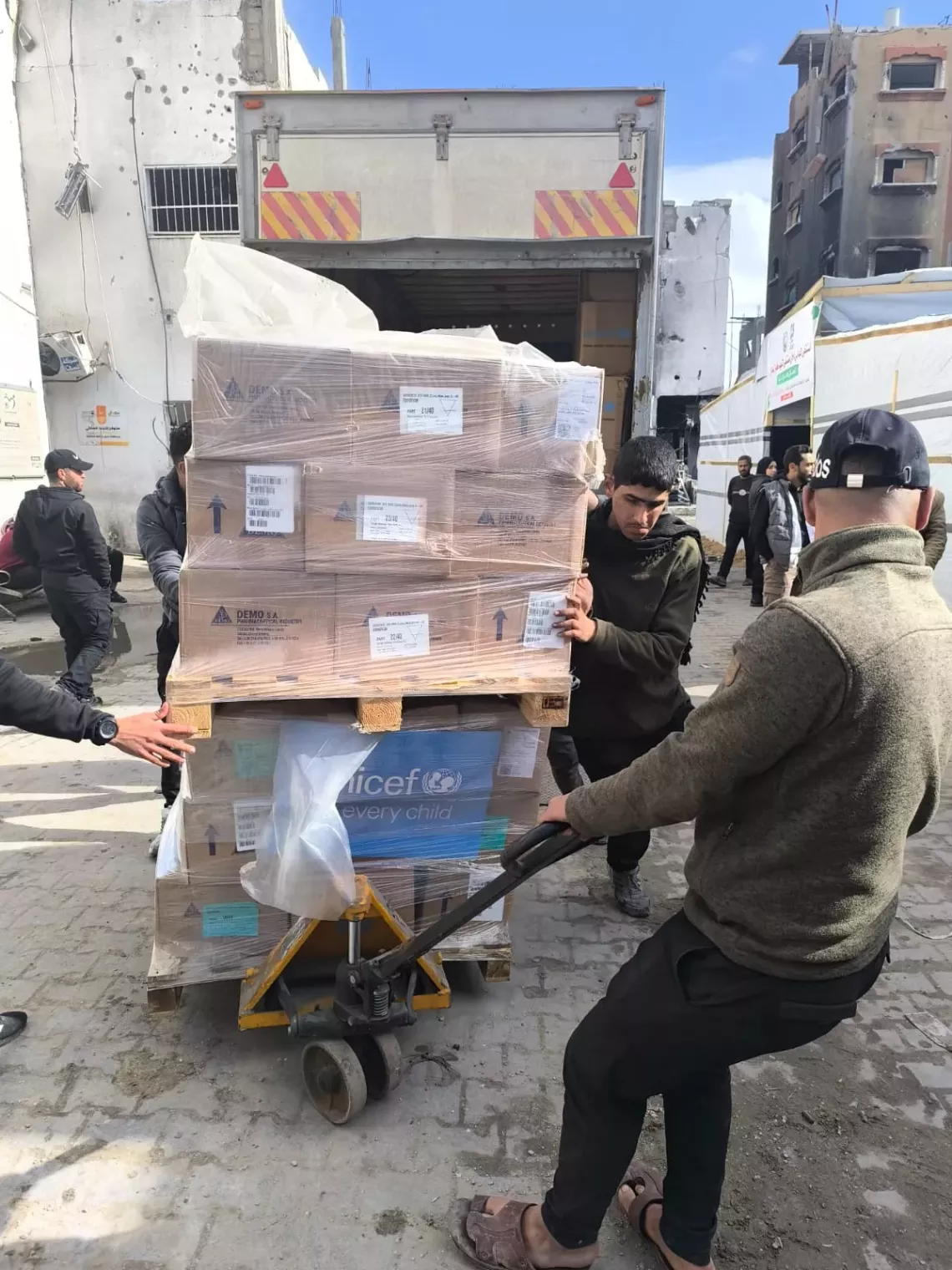
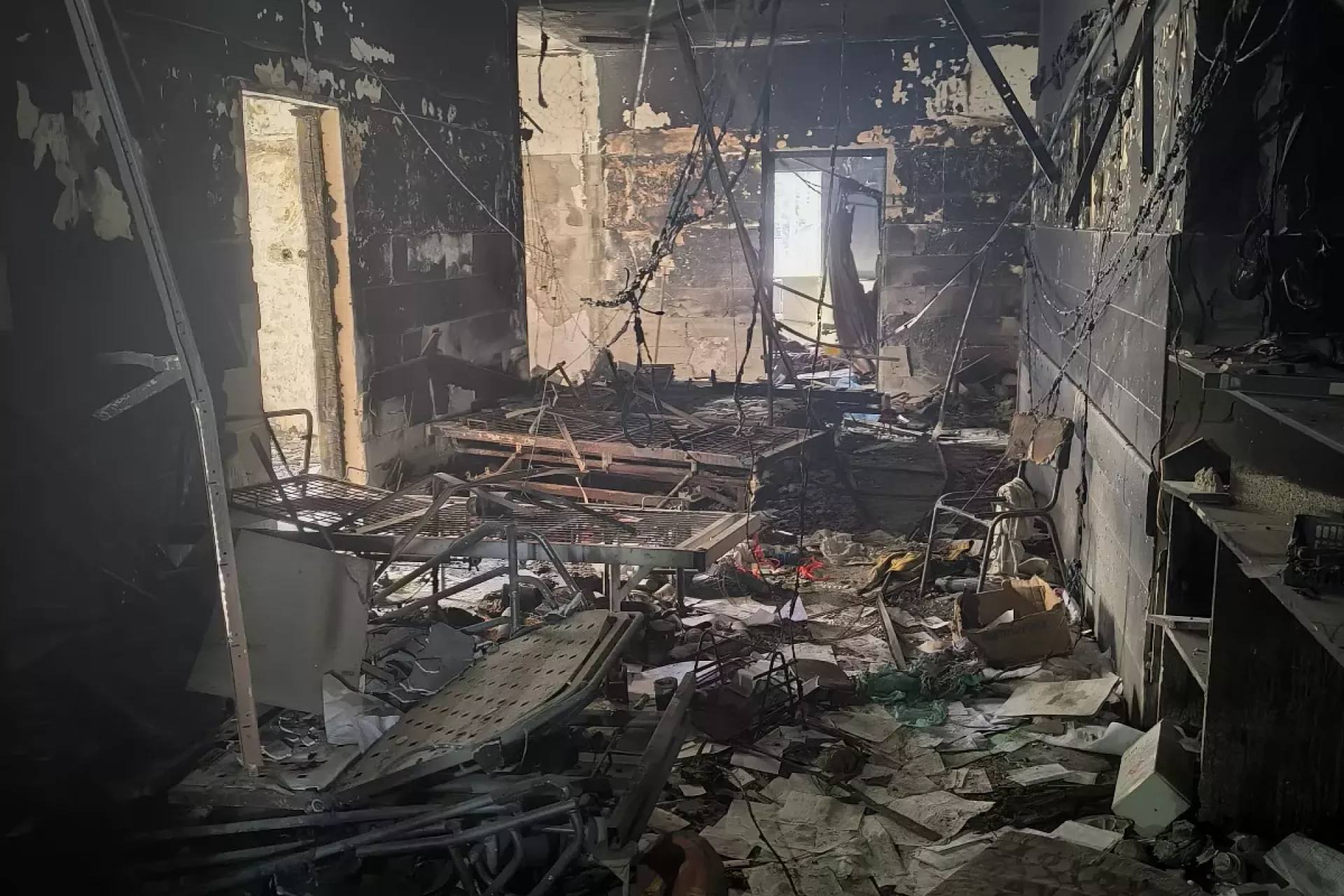
Today, Kamal Adwan no longer is the lifeline it used to be. Visiting the hospital requires a perilous journey through a landscape of devastation. The four-story structure itself, once bustling with patients and staff, lies in ruins. A chaotic entanglement of cables, tubes, and twisted metal are mixed with what remains of expensive medical equipment.
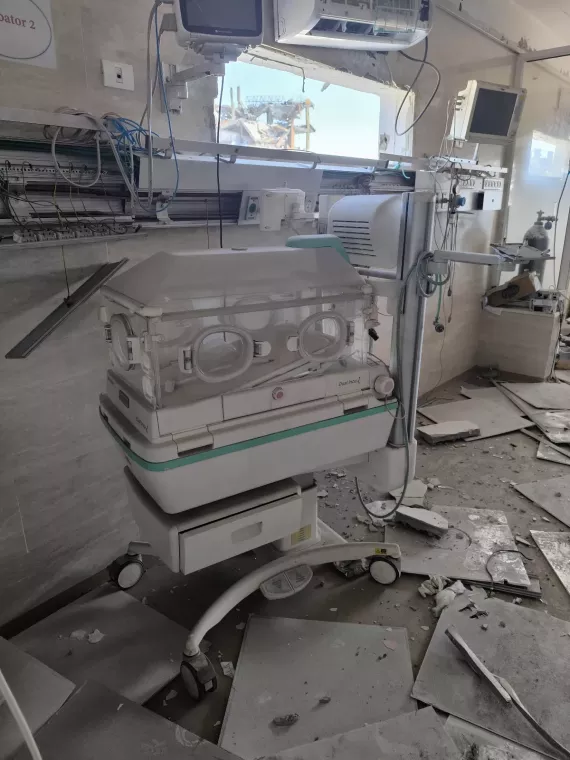
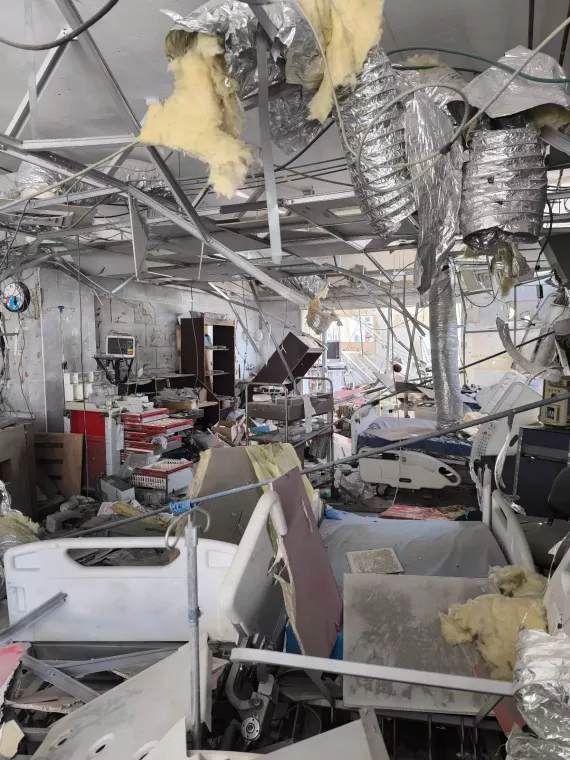
Explosions and gunfire have blackened and scarred the walls. Dozens of children who were treated in intensive care unit had to be evacuated. Hundreds of babies weren’t born in good conditions because of the military operations that took place there.
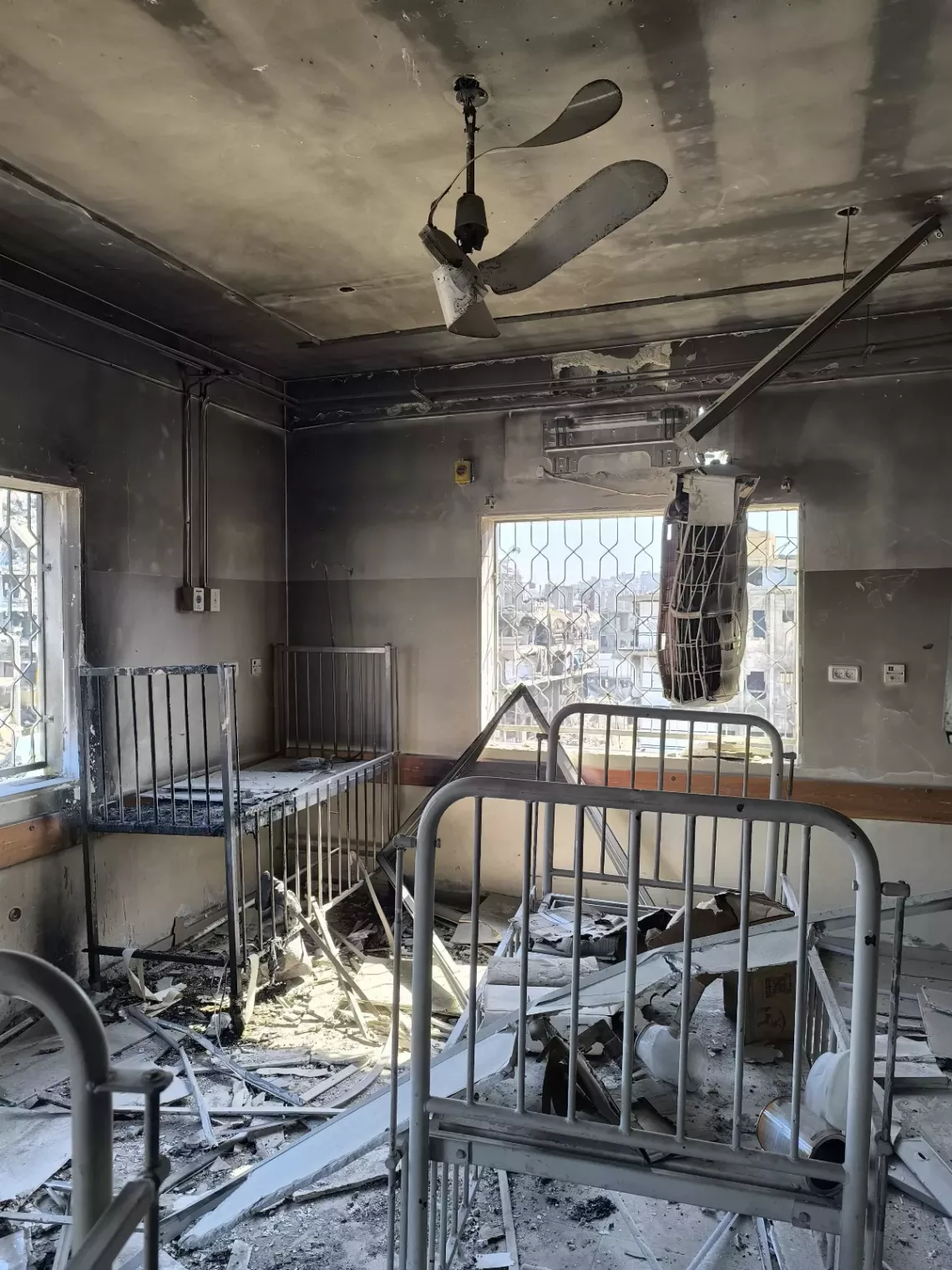
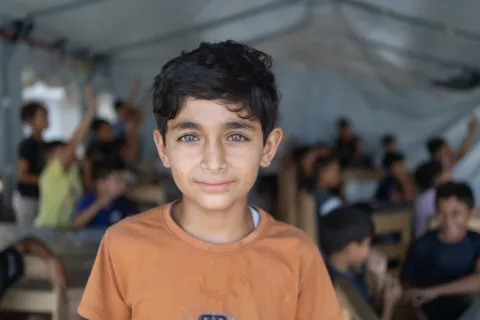
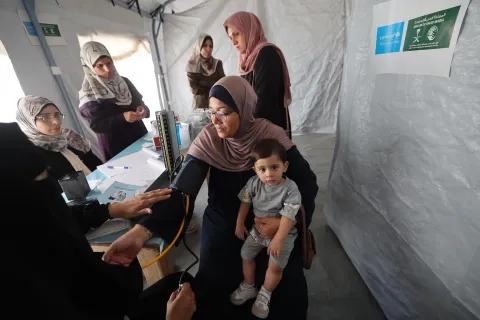
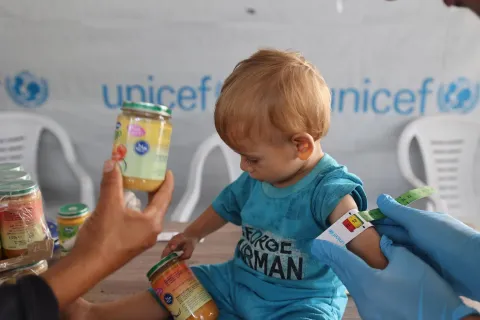
At the end of February, Kamal Adwan hospital started to resume its original role as an outpatient department, seeing over a hundred patients a day – among them, 70 child patients. In addition, 250 children come in on a daily basis for malnutrition screenings, their frail bodies a reminder of the ongoing crisis. The hands that once delivered babies, stitched wounds, and cared for patients are still at work, despite the immense challenges they face every day in terms of lack of medical equipment, lack of medical supplies and shortage of staff.
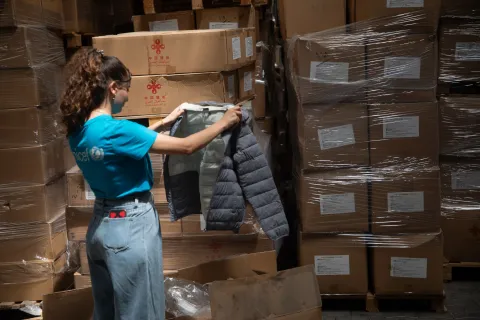
UNICEF is there to support. In the past weeks, we have delivered Emergency Health Kits to provide essential healthcare coverage for 20,000 people, as well as a steady supply of pediatric drugs, guaranteeing newborn and infant care. UNICEF also installed a water pump, electricity generator and a water tank to enhance water supply to the hospital and increase its storage capacity. Fifty UNICEF tarpaulins now provide temporary cover for damaged areas of the hospital. And UNICEF delivered more than 1,400 jars of ready-to-use complementary food and 72 cartons of ready-to-use therapeutic food to prevent and treat malnutrition in children. UNICEF is able to help strengthen healthcare services in Gaza thanks to the support of the European Union (ECHO), the UK Foreign, Commonwealth and Development Office (FCDO), the French Development Agency (AFD) and the Governments of Australia, Japan, the Republic of Korea and the Netherlands.
But this is not enough to address the needs of thousands of children.
This hospital, and others, need considerably more medical equipment, supplies and assistance. For Kamal Adwan's rehabilitation to continue, the ceasefire must hold, the crossings must reopen, and we must be allowed access to deliver vital aid to institutions like Kamal Adwan, and elsewhere.