Being a mother in the Gaza Strip: A story of resilience and determination
In a place overwhelmed by the ongoing war, Yasmine, a 25-year-old mother, navigates the challenges of raising her 4-month-old daughter Ayla.
- English
- العربية
Ayla was born in the Gaza Strip in early October 2023, arriving in this world not knowing what she would have to face as a little baby. Since the start, Ayla’s mother has one single goal: keeping her daughter safe and healthy.
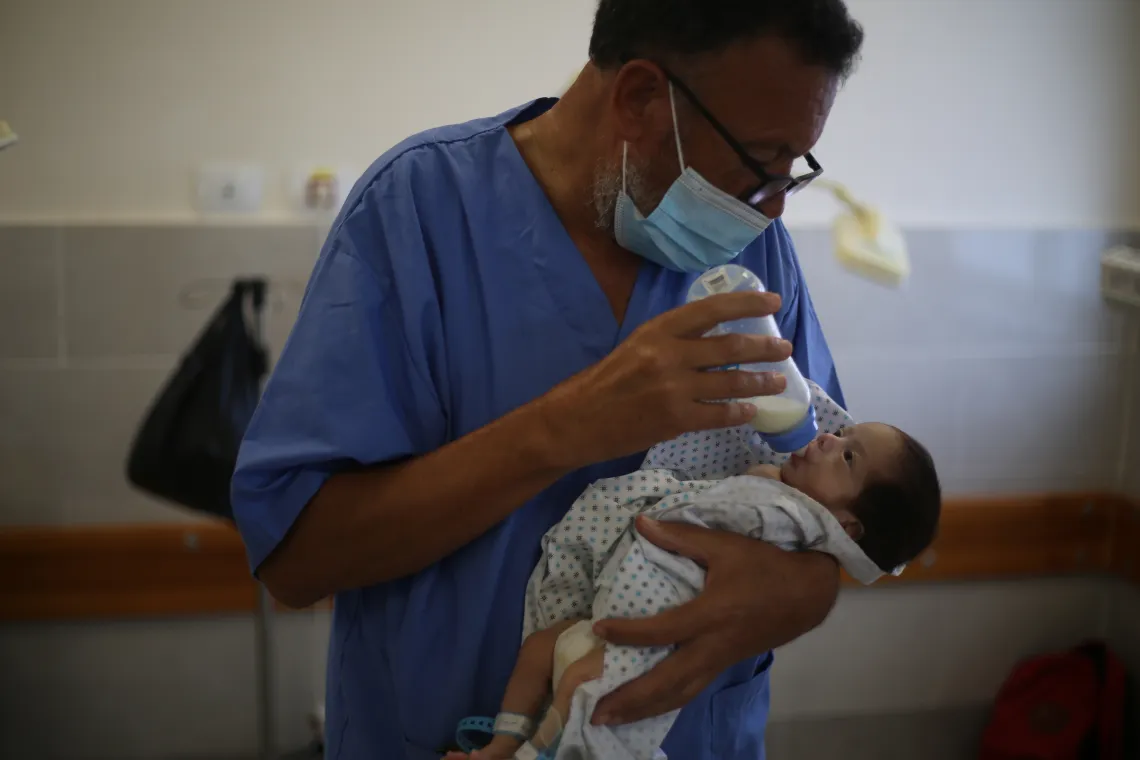
Yasmine's initial plan was to breastfeed her daughter, but the war disrupted their routine. “Finding nutritious food is a daily struggle, and it's affecting Ayla's feeding. We can barely find the minimum.”, she worriedly says. Their meals are reduced to once a day and scarcity of nutritious food makes it tough to maintain the breastfeeding routine, “I try my best to breastfeed her, but due to the circumstances, I have to rely on expensive formula milk that cost more than 6 dollars a box, and it's not always available”.
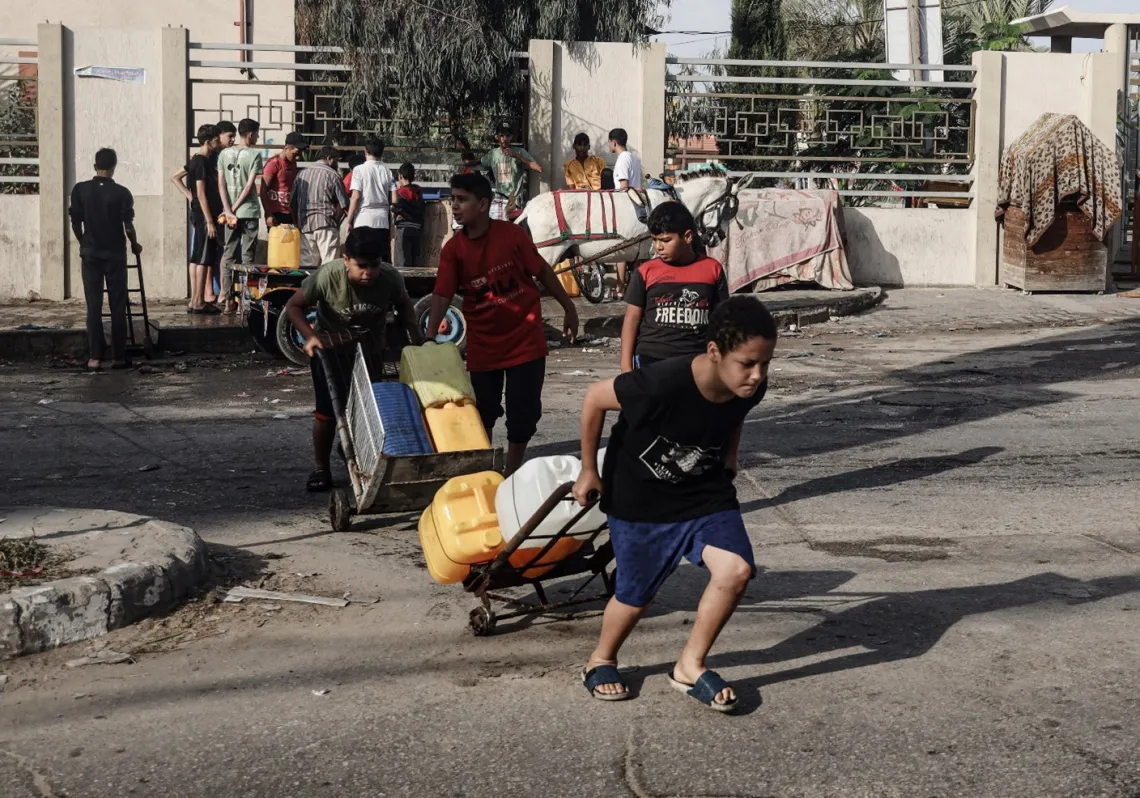
Clean water is also barely available. Yasmine's husband leaves at 5 am every day to try to find just some water, and, he often returns with salty water. “I boil the water to be able to use it for feeding or bathing my baby. This has been a real challenge, and she doesn't like formula milk made with that water”, she says.
Yasmine's husband lost his job because of the ongoing hostilities. Due to the lack of income, Yasmine relies on the support of her relatives to buy what she needs for her baby. “My brother sent money last week for formula and diapers, but I don’t know how we will manage next week .”, she explains. In addition, shortages of some products are beginning to impact on her baby's health, as she highlights: “To make the diapers last, I try not to change them often, fearing we won't find more in the market. Ayla has developed rashes, probably from the water quality, and she's frequently sick and crying.”
Nights are difficult, particularly with the constant sound of bombing, and Yasmine is coming short of ways to comfort her. “It's terrifying. When I hear bombs, my immediate reaction is to protect Ayla.” explains Yasmine, “I hug and shield her with my body, fearing for her safety from broken glass and collapsing structures.”
In the Gaza Strip, an estimate of 5,500 women are giving birth every month, 180 every day. Fifteen per cent of them are likely to experience pregnancy or birth-related complications and need additional medical care.
Thanks to the support of the Governments of Germany and Norway, the French Development Agency (AFD), the UN Emergency Fund (CERF), and other UNICEF Regular Resources, UNICEF has dispatched life-saving medicines and equipment to the Gaza Strip, including supplies for maternities and newborns. But much more is needed to meet the immense needs of civilians, including pregnant women, children and newborns.