Stories of survival while fighting malnutrition
Malnutrition and medical complications threaten children's lives, but stabilisation centres provide a lifeline for drought-affected children.

In Somaliland, Livestock are dying, and people are suffering as wells dry, and there is nothing for the goats and camels to feed on. Experts say this is the worst drought in 40 years. Rains are projected to fail for the fifth consecutive season.
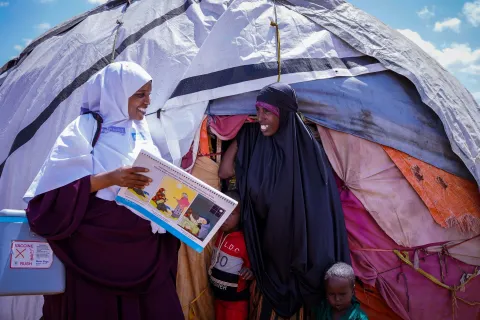
Somaliland is hit by severe drought. Chronic water and pasture shortage forced many to flee far from their villages. As cows, sheep, goats, camels, and donkeys start to perish, the pastoralist communities struggle to find food.

Droughts threaten the lives of millions of children around the world. Drought not only means a lack of water but also that children are hungry and thirsty daily. They are forced to walk miles in search of these things to survive, making these children sick. They become malnourished and even more vulnerable to killer diseases like measles and cholera.

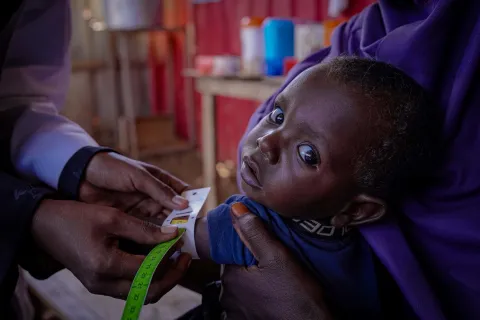
One year old, Mersinale is one of the lucky ones. She is in a stabilisation centre in Hargeisa Hospital, where children with severe malnutrition, along with other medical complications and poor appetites, are kept to improve their health.

Mersinale arrived very malnourished with her twin sister. “I was afraid I might lose them both, even if Mersinale was the one severely sick and weak, Obsinale was also not in her full strength,” says their mother, Fatuma. Both are receiving the treatment they need at the UNICEF-supported Stabilization Centre funded by the UK Government Foreign, Commonwealth and Development Office (FCDO).

“I am thrilled to see them play and laugh,” says their aunt, who is visiting them at the hospital. Today, the doctor told them that they were ready to go home. They will continue to receive supplementary feeding as an outpatient. This will help to sustain their recovery and prevent relapse.

With support from the UK government, UNICEF provides lifesaving services to children and women affected by the drought. The stabilisation centre provides continuous care and treatment for children with severe malnutrition and associated medical complications.

Persistent levels of acute malnutrition disproportionately affect the urban poor and drought-affected pastoralists. Their children are particularly vulnerable because these families cannot afford to improve their diet to prevent or recover from malnutrition. The stabilisation centre is the one place where underserved families from the town and the nearby pastoral settlements can access much-needed care for their children free of charge.

The centre is full with no beds for sick children; now, children are admitted on the floor. "If the rains don't come quickly, the situation will worsen daily, and the number of patients will increase even hour by hour. We cannot handle it, and we cannot save them." Says Dr Abdul Rahman Abdulahi, head of the stabilisation centre.

UNICEF provides urgent treatment for hundreds of thousands of children in Somalia suffering from severe acute malnutrition and supports early detection and treatment of child wasting. Still, we need to escalate the response, or children will die.