RUTF and good hygiene practices maintain children’s health in Burao
Malnutrition continues even during a time of resource constraints

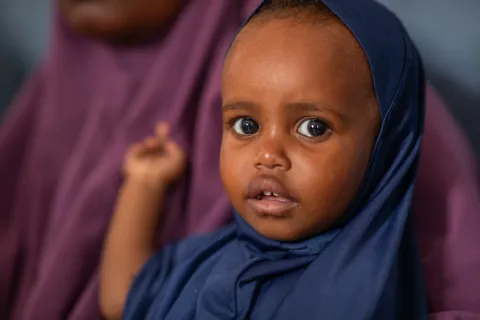
“I feel so happy now that Ayaan is getting better. Look at her smiling. She is also sleeping at night now,” says mother Hamdi about her 9-month-old girl. Ayaan has been getting treated with ready-to-use therapeutic food (RUTF), a medicinal peanut paste for children who are wasted, meaning they have low weight for their height, for three months now and is making great progress. “She stopped breastfeeding for no reason and had a fever and a runny tummy,” says Hamdi. Ayaan was weighed, measured, tested and logged into the digital health system at the Adan Saleban Health Facility to start her journey back to health.

Climate change-inflicted weather events like severe droughts and flash floods have created an environment where children are exposed to malnutrition due to displacement, lack of nourishing food and limited resources for impacted livelihoods. High rates of disease, largely stemming from inadequate access to health services, particularly in rural areas, and poor water, sanitation, and hygiene conditions due to insufficient access to clean water, basic sanitation facilities, and proper hygiene practices, compound the struggle. Prevention and early detection of malnutrition for treatment can be a matter of life and death.

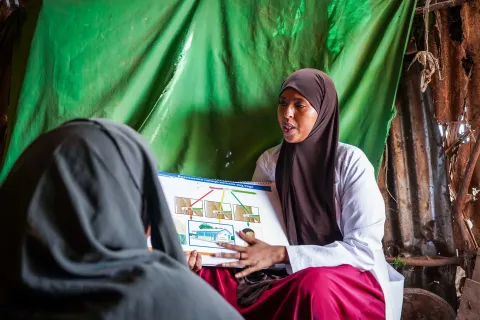
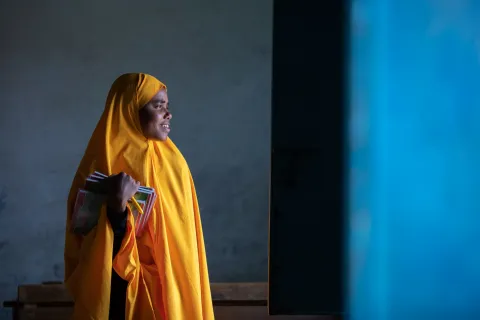
“I have been practising for four years now. I help mothers like Ayaan by explaining how to keep good hygiene practices for them and their family so that diseases are kept to a minimum, especially in this environment. Clean hands and good hygiene help children keep from getting diarrhoea, which makes them malnourished quickly. I educate that diarrhoea can be deadly if not treated,” says Najah, a Nutrition Nurse at the Adan Saleban Health Facility in Burao, Somaliland. “When the patient leaves the clinic, we give them a WASH kit that contains items like soap, water purifying tablets and a bucket for collecting clean water. This helps prevent diseases.”

To ensure systems are in place for children with waterborne disease and malnutrition, the Multisectoral Response to Severe Acute Malnutrition programme provides nutrition and WASH services to approximately 100,000 children as well as pregnant and lactating women in 15 high-risk districts across the country. This programme is funded by the King Salman Humanitarian Aid and Relief Centre (KSrelief) and the UK Government, in partnership with UNICEF and the Government.

So far, this programme has screened over 700,000 children under 5 years old for severe acute malnutrition across the country. Over 28,000 of those were admitted for the treatment programme. Najah says, “All of the caregivers that come through the door with malnourished children have been given messaging to improve child feeding, care and hygiene practices for their families and within their communities.”
Data collection, transparency and validation are key to ensuring high-quality service. A review conducted in 2023 identified the need to enhance last-mile supply delivery. In response, UNICEF digitized its system, thereby improving the timely, efficient delivery of the RUTF and reducing moments of being out of stock. The new digitised system has contributed to improved accountability at the various supply chain points, ensuring greater efficiency in the use of resources allocated under this project.

Malnutrition in children is the highest risk of mortality. Available health services, well-stocked RUTF, and a well-trained workforce are of the utmost importance. When an emergency hits, the system is already in place. This clinic serves around 20,000 families, and we must be ready. That is what this project is doing: increasing accessibility and sustainability with a package of integrated services at the fingertips of capable staff. Through this programme, 50,000 cartons of RUTF have been made available to get children back to health.

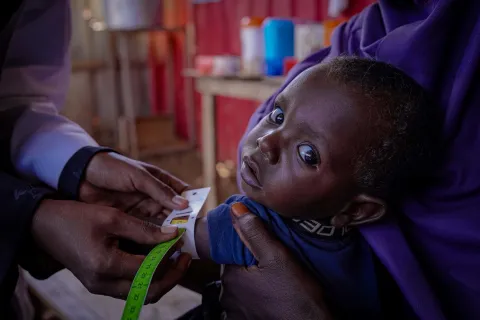
“We have the tools, the knowledge and the ability to help keep Burao free from preventable diseases. I ensure the child starts with registration, has their arm measured, has their weight and height taken, and is tested for an appetite. We can’t miss any step. Take, for example, Mother Hamdi; she has six other children at home to watch after, so the hygiene awareness she received today is very important. Healthy children mean a healthy future,” smiles Najah.