From Water Pans to Household Taps: How a Public-Private Partnership is Transforming Lives in Borama
Nearly 22,000 households in Borama now have access to reliable water through a community-based partnership that is improving lives and creating a more sustainable urban water system.

BORAMA, Somaliland-26 July-2026 – For years, residents of Borama relied on water tankers to deliver water from distant and often unprotected sources. For families living on the outskirts of the town, the search for water could mean walking for hours, sometimes more than 10 kilometres, in search of a supply for drinking, cooking and their animals.
Today, life is changing.
Nearly 22,000 households in Borama are now connected to a reliable water supply network, allowing families to access water simply by turning on a tap.
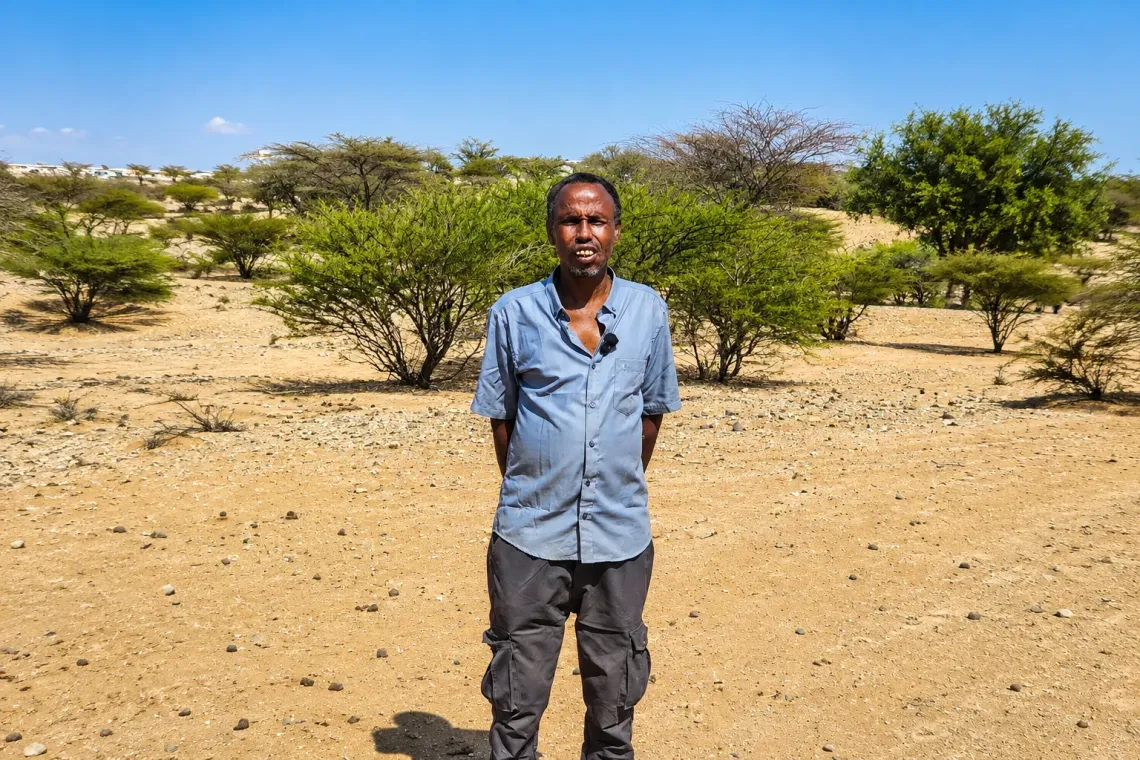
For Mohamed Saleban, a community leader living in Amoud neighbourhood on the outskirts of Borama, the difference is profound.
“We relied on shallow wells in the seasonal river below to get water. It was unreliable and unclean. During drought, sometimes there was no water, and we had to travel 10 kilometres to find water for ourselves and our animals,” he says.
For women and children, the burden was often even greater.
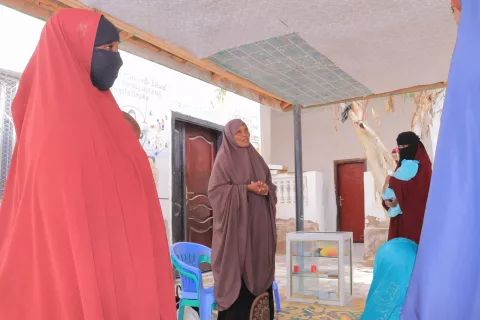
Muna Ahmed Ismail, a mother of four who lives in the same community, remembers the long journeys her family once made to collect water.
“Our source of water was a well in the seasonal river. The water was not enough, and when it ran out during the dry season, we walked more than 10 kilometres. We would leave at 4 a.m., and the journey could take up to four hours,” she says.
“It was especially difficult for women because we had to leave young children at home. For pregnant women, the journey was even more challenging.”
A town transformed by water
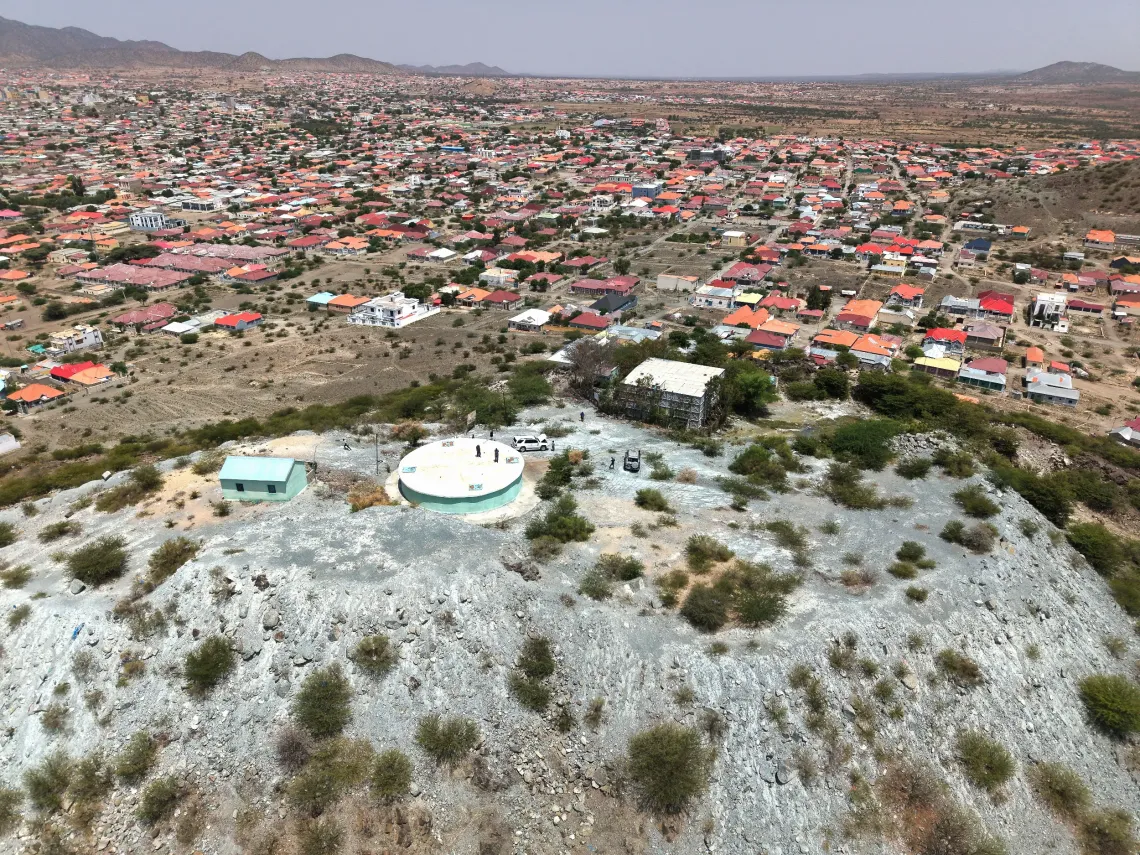
Borama has changed dramatically over the past three decades. Its population has grown from approximately 50,000 people to more than 400,000, driven in part by the return of communities from neighbouring Ethiopia, Djibouti and the arrival of displaced people and refugees.
As the population grew, so did the demand for water.
In the past, 33 water tankers transported water into Borama from sources outside the town. Nearly half of the water was lost during transportation.
A new approach began to change this.
Through the Improving Urban Water Service Delivery in Somaliland Project, supported by the European Union, UNICEF and partners, government, private water companies and communities came together through a Public-Private Partnership (PPP) model to improve access to safe and reliable water.
Community-Based Public-Private Partnerships (CPPPs) bring together government, the private sector and communities to finance, deliver and sustain essential services, combining public oversight with private investment and local participation. In Somalia, where private providers already play a major role in delivering basic services and development funding is declining, CPPPs offer a practical, locally led approach to expanding access while strengthening the quality and long-term sustainability of services.
The Borama Water Users Association represents water users elected from the town’s four districts and serves as an important link between the community, SHABA and other partners involved in the water supply system. Based at the SHABA offices, the association works closely with stakeholders to promote community ownership, strengthen dialogue and support the sustainable expansion of water services. According to the Association Chairlady, Hibo Mohamed Osman, the partnership has also helped foster harmony and cooperation among the different stakeholders. “Our collaboration started some years back where UNICEF supported its information and orientation. We have since serve as a bridge between the community, SHABA and other partners, promoting ownership and dialogue and also contributed to the expansion of the water supply system, particularly during the second phase, when pipelines had to pass through privately owned land. We sensitized the community and helped facilitate mutual agreements between landowners, the private sector, the public sector and the community,” she said.
In Borama, the partnership has helped establish and expand a water supply system with more than 60 kilometres of pipeline network, connecting approximately 80 per cent of households to the water system.
For people who cannot afford a household connection, including displaced families and other vulnerable communities, 45 water kiosks provide access to safe water.
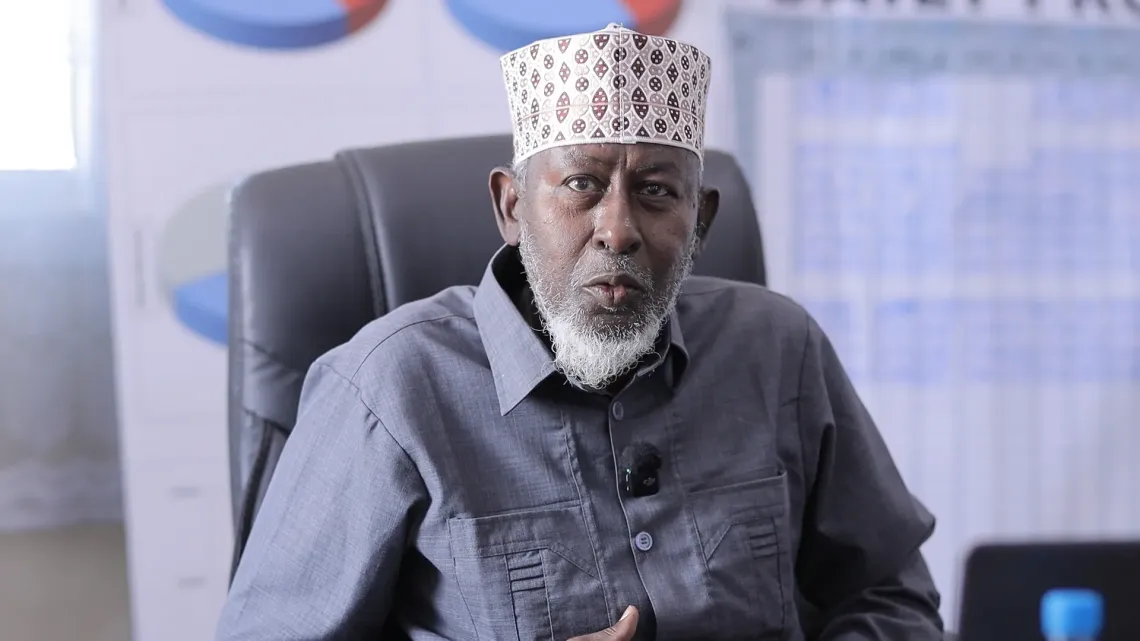
“Within a year of the establishment of SHABA, water tankers became a thing of the past,” says Abdirahman Abdisalaam, General Manager of SHABA Water Company, which manages the water supply system in Borama.
A partnership built for sustainability
The water system is managed through a tripartite partnership involving the Ministry of Water Resources, the local council and SHABA Water Company. Under the arrangement, the government and local authorities represent the public interest and retain ownership of the water assets, while the private sector invests in and operates the water system.
With a 25-year master plan, the model is designed to provide a sustainable and financially viable water service for Borama. “Borama remains a shining model for public-private partnerships,” says Abdirahman.
Over the years, collaboration between the government, UNICEF, donors and other partners has helped increase the number of boreholes and expand the water network, bringing reliable water closer to families across the municipality.
For vulnerable communities unable to afford household connections, water kiosks have helped ensure that access to clean water is not limited to those who can pay for a private connection.
Protecting the gains
Despite the progress, the water system continues to face challenges. Rising fuel prices have increased the cost of pumping water. The system uses a hybrid energy model, combining solar power during the day with diesel generators at night.
In recent months, fuel costs have more than doubled, placing additional financial pressure on the water utility. “Our water pumping system is hybrid. We use solar during the day and fuel at night to ensure adequate water supply. But in recent months, fuel costs have increased significantly, more than doubling our expenses,” says Abdirahman.
He believes that further investment in solar energy could help reduce operating costs and protect the sustainability of the water system. Climate change is also creating longer-term concerns. Declining rainfall and falling groundwater levels are placing pressure on the two main aquifers that supply Borama.
“Climate change is ever-present. The water table is gradually going down,” says Abdirahman. “We need to start planning for a major dam to conserve water, allow the aquifers to replenish and ensure a more reliable water supply for the municipality.”
A model for the future
The experience of Borama demonstrates how partnerships can help transform essential services in rapidly growing towns. Through the Improving Urban Water Service Delivery in Somaliland Project, water systems in Borama, Burao, Erigavo and Tog Wajaale have been rehabilitated or rebuilt, providing sustainable access to safe drinking water for approximately 1 million people.
The project has brought together government, private water companies, communities, UNICEF, the European Union and other partners to address a challenge that has affected generations.
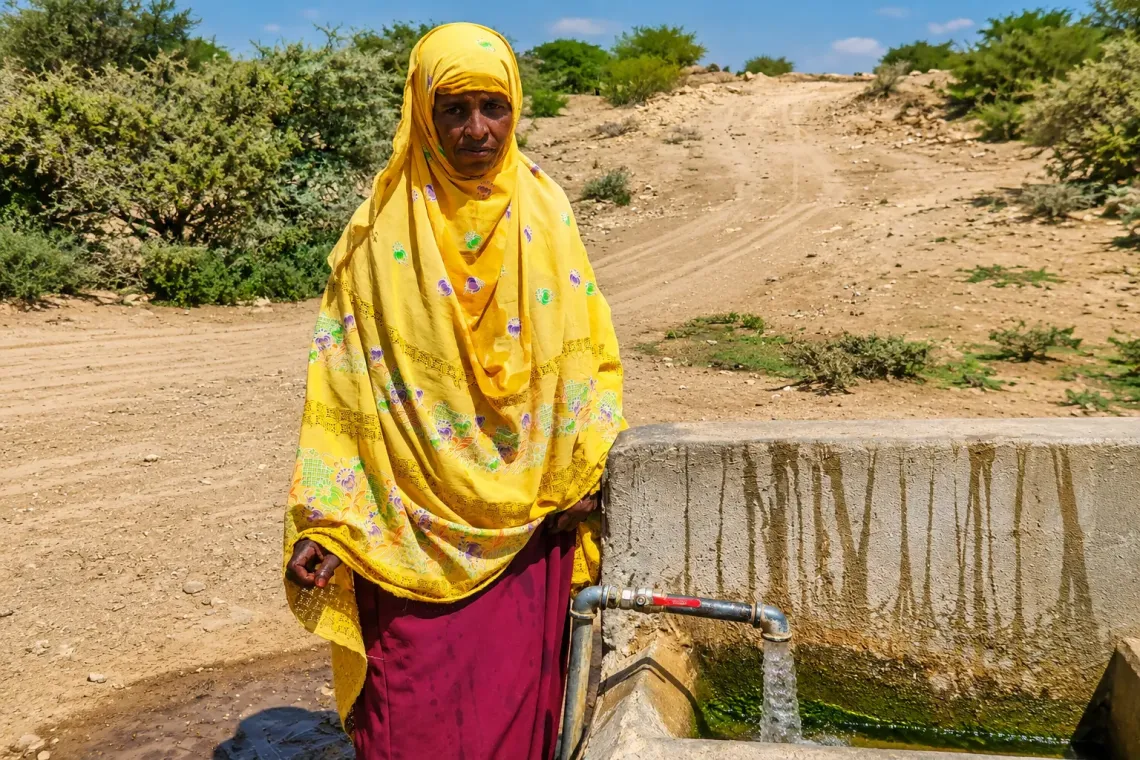
For families such as Mohamed’s and Hibak’s, the change is simple but life changing. The long journey to the river has been eliminated.
And for thousands of families in Borama, access to reliable water means more than convenience. It means more time for school, work and family. It means reduced exposure to unsafe water. It means greater dignity and improved health.
For Hibak, the difference is clear. “Today, having water closer to our homes has made life much easier for our families.”
Across Somaliland, 68 per cent of people have access to a reliable water source, but major disparities remain. In rural areas, only 28 per cent of households have access to an improved water source. Continued investment in climate-resilient water systems, sustainable energy and innovative partnerships will be essential to ensure that more communities can move from water insecurity to a safer and more sustainable future.