A mother's journey through the eco-village in Luglow
Restoring children’s health one egg at a time


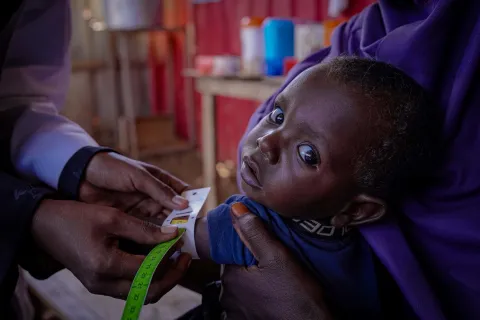
Over the years, the situation in Jubaland has been fragile, characterized by droughts, floods, disease outbreaks and instability. The combination of these natural disasters and man-made hazards is a key driver of the humanitarian crisis, punctuated by internal displacement, food insecurity and malnutrition. Poor feeding practices of infants and young children exacerbate the levels of malnutrition among underserved communities.
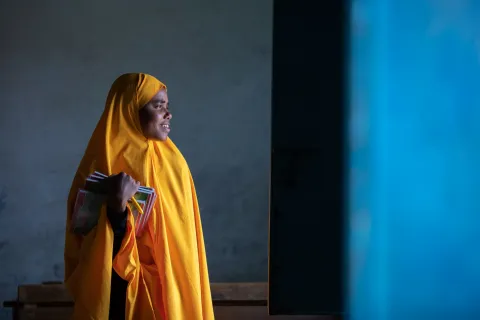
“I faced a difficult situation when two of my children were severely affected by their nutrition level. Both were admitted to the Baxnaano Health Center in Eljalle One,” says Ebla Muhumed Farah, a mother of three children, Musharraf, Dahabo, and Abdirahman, aged 3-5. She refers to the Eco-Village Primary Health Centre, which serves the Ludlow area 24 hours a day.
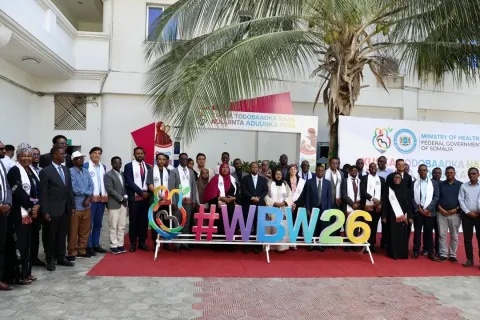
By the end of 2023, the Somalia Food Security and Nutrition Analysis Unit (FSNAU) Integrated Food Security Phase Classification (IPC) estimated that 1.7 M children 6-59 months would need treatment for moderate wasting, and 430,000 children would need treatment for severe wasting into 2024. This means that children are too low in weight for their age. In response, the State Ministry of Health in Jubaland, in partnership with UNICEF, initiated a programme focused on nutrition activities in Luglow, Kismayo and Belet-hawa districts in January 2024. This integrated programme is “Eco-Village, Building Climate Resilience for Somalia.”

“When I went to the centre, my youngest child [Abdirahman] was also screened at the facility and found to be in good health, which was a relief,” says Ebla. She was then able to focus on the recovery of her other two children. Ebla received chickens and seeds for a small home garden as part of the eco-village project. These resources proved instrumental in improving her family’s nutrition. She expressed her gratitude, "The chickens and vegetables have helped us in a very good way."
After her children Musharraf and Dahabo completed their visits to the Outpatient Therapeutic Program (OTP) and recovered, community health workers encouraged Ebla to feed her children green leafy vegetables and fruits and give each child one egg daily. They also emphasized the importance of maintaining good hygiene, especially before and after eating. Ebla took their advice to heart, and now her children tell her, "Mother, the egg is amazing; we need it every morning."

Musharraf, Dahabo and Abdirahman are now all healthy, growing well and enjoying their daily eggs and watermelon as part of a balanced diet. The three children play together in the mornings and afternoons, just like other healthy children in the village. Ebla expressed her satisfaction, “This egg project has been going well and has significantly improved my family's health and happiness.”
The health of not only Ebla’s children, but all children who benefit from this project will improve. Working with the government and civil society organizations (CSOs), UNICEF provides integrated health and nutrition services to vulnerable communities and internally displaced people. The Government of Germany supports Eco-Village through KfW and BMZ.