Somalia Redefines Child Survival with the Launch of the 2026 Maternal, Infant, Young Child and Adolescent Nutrition (MIYCAN) Framework
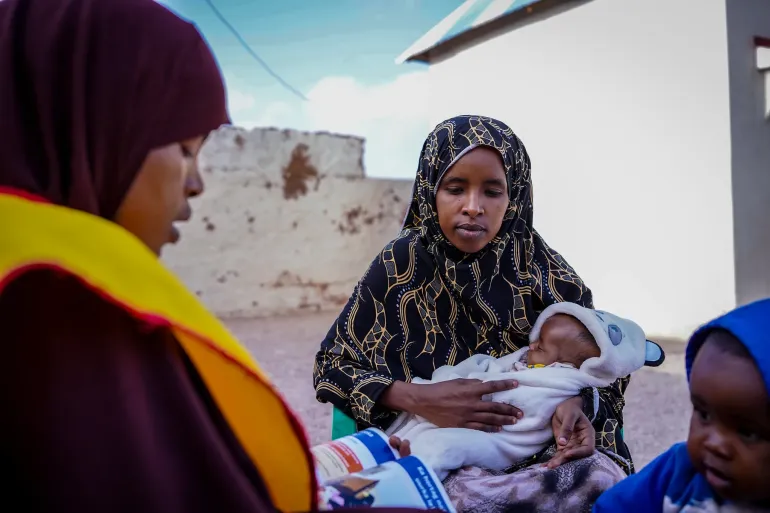
Mogadishu, Somalia, 28 January 2026 – The Federal Ministry of Health and Human Services today officially launches the 2026 Maternal, Infant, Young Child and Adolescent Nutrition (MIYCAN) Guidelines and Counselling Package, developed through the MIYCAN Technical Working Group, with technical and financial support from UNICEF, contributions from UN agencies, and in collaboration with national and international nutrition partners.
The launch of the 2026 MIYCAN Framework marks a major milestone in Somalia’s public health and nutrition agenda. Adapted from the 2024 Global Community Infant and young child nutrition (C-IYCF) standards, the new package reflects Somalia’s unique socio-cultural, environmental and humanitarian context, while addressing the evolving nutrition needs of children and adolescents.
For the first time, Somalia’s national nutrition guidelines go beyond traditional feeding practices to adopt a “whole child” approach. The framework explicitly integrates nurturing care, disability-inclusive nutrition, and guidance on addressing the emerging challenges of childhood overweight and obesity, alongside life-saving interventions for undernutrition.
From Clinical Response to Community Resilience
With an estimated 1.8 million children under five at risk of acute malnutrition, the MIYCAN package shifts the focus from reactive, facility-based treatment to preventive, community-led prevention and care.
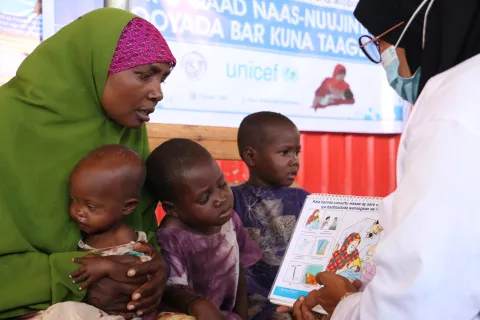
At the core of the framework is a standardised five‑day training curriculum that strengthens pre‑service and in‑service capacity. The framework reinforces the role of Community Health Workers (CHWs) as frontline nutrition counsellors, supported by 40 newly developed, culturally appropriate counselling cards designed to enhance caregiver engagement and promote positive behaviour change at both household and community levels.
“This package is more than a technical update; it is a promise to every Somali child,” said Dr. Ali Haji Adam, The Federal Minister of Health. “By combining our rich local traditions with the latest global evidence, we are empowering families to safeguard their children’s growth and development in the face of climate shocks and changing nutrition patterns.”
Key Innovations of the 2026 MIYCAN Package
- Nurturing Care Framework: Integrates early learning, play and caregiver-child communication into feeding practices, recognising that cognitive development is inseparable from physical growth.
- Disability-Inclusive Nutrition: Introduces Somalia’s first formal guidance on feeding infants and young children with physical or neurological difficulties, ensuring no child is left behind.
- Addressing the Double Burden of Malnutrition: Provides new guidance on preventing overweight and obesity, particularly in urban and peri-urban settings experiencing rapid dietary transitions.
- Climate-Adaptive Nutrition Solutions: Offers practical strategies to sustain breastfeeding and access to nutritious “first foods” during drought, displacement and emergencies, while promoting the use of locally available foods.
“The adapted MIYCAN package reflects our strong commitment to Somali families,” said Sandra Lattouf, UNICEF Somalia Representative. “By equipping community health workers with modern, evidence-based tools, we are not only improving child survival but laying the foundation for a healthier and more prosperous future for every Somali child.”
Media contacts
About UNICEF
UNICEF promotes the rights and wellbeing of every child, in everything we do. Together with our partners, we work in 190 countries and territories to translate that commitment into practical action, focusing special effort on reaching the most vulnerable and excluded children, to the benefit of all children, everywhere.
UNICEF has been working in Somalia since 1972 when its first office opened in Mogadishu. Today UNICEF has over 300 staff working in Mogadishu, Baidoa, Dollow, Garowe, Hargeisa and also Nairobi, Kenya. Together with 200 international and national NGOs and community-based organizations, UNICEF delivers services in Health, Nutrition, WASH, Education and Child Protection, and responds to emergencies and supports peace-building and development.