Climate Crisis Is Hitting Children First in Sierra Leone
As climate shocks intensify, children in Sierra Leone—especially the most vulnerable—face growing risks to their health, education and future. Urgent action is needed now.
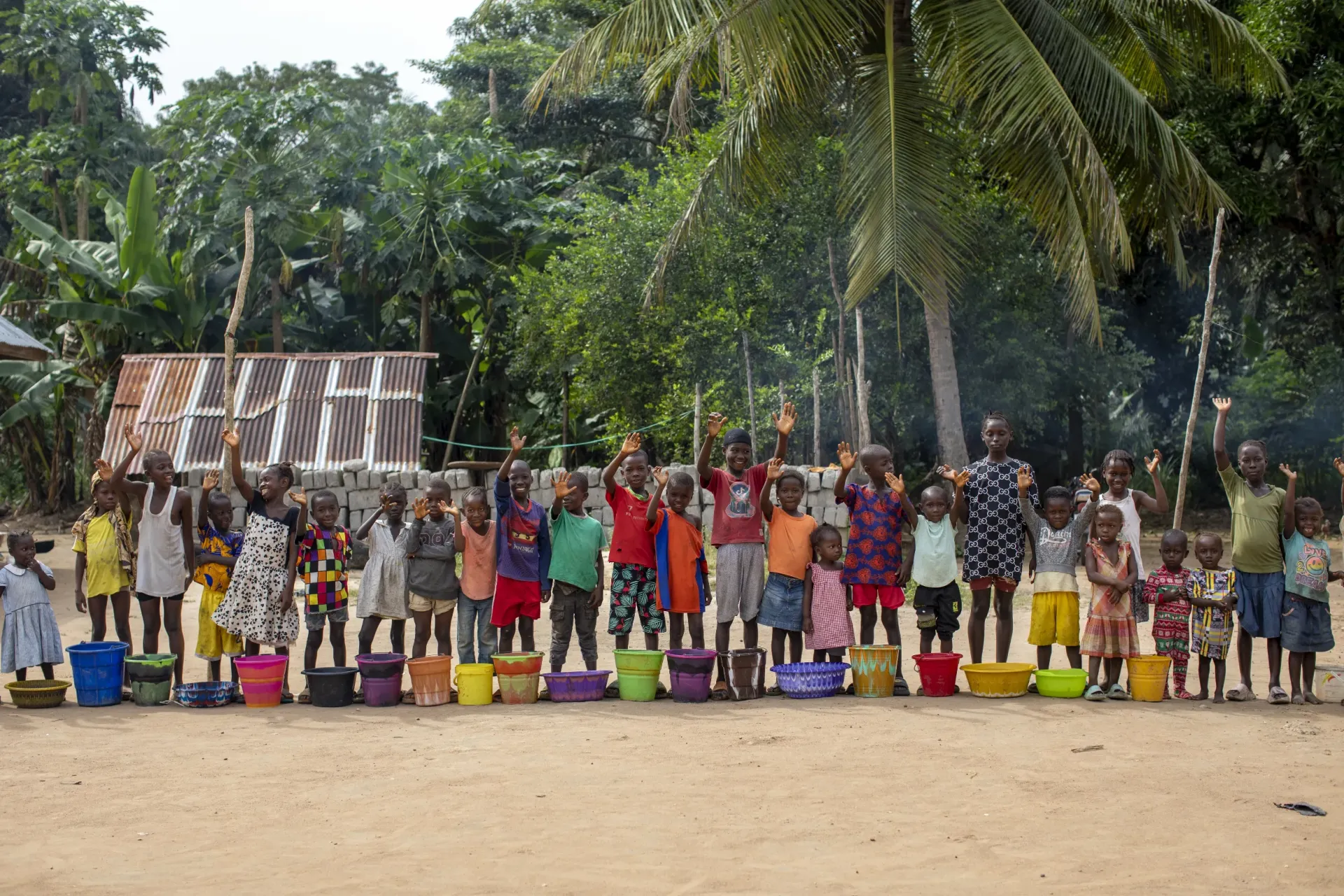
When floods damage water points, heat disrupts classrooms, and health centres lose safe water during emergencies, children—especially those living in poverty—are often the first—and hardest—hit. Extreme weather events are also increasingly disrupting teaching and learning, damaging school infrastructure, and exposing children to heightened protection, health and safety risks. In Sierra Leone, these climate impacts are already undermining children’s access to essential services, putting their health, education and future in jeopardy.
Across the world, children are among the most impacted by climate change—and in countries like Sierra Leone, this is especially acute. As the country marks World Environment Day on 5 June, the urgency of climate action has never been clearer. Globally, nearly one billion children live in countries at extremely high risk from climate impacts.
With 41 per cent of the population under the age of 15, children make up nearly half of Sierra Leone’s population. Yet they are increasingly exposed to the effects of a changing climate: disrupted access to clean water, increased risk of disease, and growing barriers to education and well-being.
Sierra Leone is among the countries most vulnerable to climate change, facing more frequent floods, environmental shocks and unpredictable weather patterns. Without effective adaptation, these impacts could reduce national GDP by up to 9–10 per cent by 2050, with coastal flooding alone putting assets worth hundreds of millions of dollars at risk.
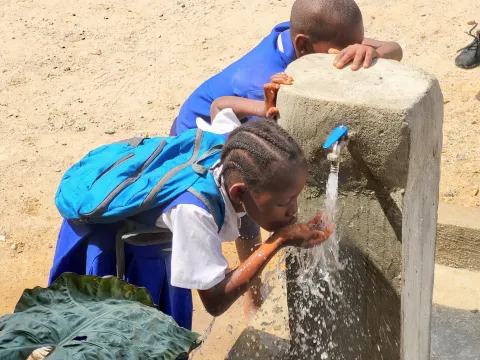
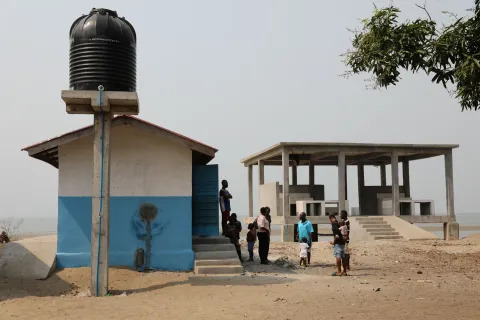
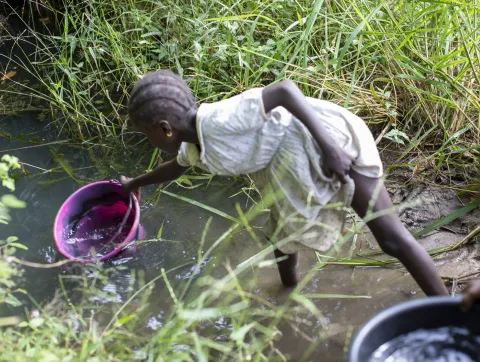
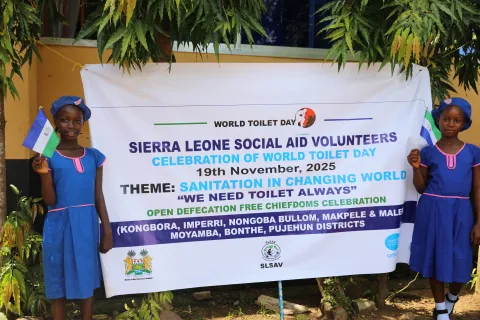
Climate change and environmental degradation are making it harder for families to survive, as poverty further exacerbates these challenges and limits access to the basic services they depend on. Flooding, unpredictable rainfall and rising temperatures are putting additional strain on already limited systems. For many communities—especially in rural areas and informal urban settlements—these pressures are reducing access to safe water and adequate sanitation. This is particularly critical given that only 17.8 per cent of the population has access to basic sanitation services, while almost 38 per cent lack access to basic water services.
Many families remain vulnerable to economic shocks, with limited access to social protection. In Sierra Leone, over 6 in 10 children live in poverty, limiting their access to basic services and opportunities. Without stronger safety nets, these challenges directly affect children’s wellbeing and their ability to learn, grow and reach their full potential.
For UNICEF, this reinforces a clear message: the climate crisis is a child rights crisis.
Children are among the most impacted by climate-related shocks—especially those living in the poorest and most underserved communities. When water supply systems fail, the risk of disease increases. Climate shocks are also threatening the continuity of learning, with floods and environmental disasters damaging school infrastructure, increasing closures, and placing girls and boys at greater risk of dropping out. When health services are interrupted, children face additional risks during critical stages of growth and development.
Addressing these challenges requires strengthening the systems that children rely on every day. In practical terms, this means keeping water flowing, schools open, and health services running—even during climate shocks.
Climate-resilient WASH, health, education and child protection systems are essential. Reliable access to safe water and sanitation reduces disease risks, enables access to essential health services and helps children stay in school. In Sierra Leone, efforts are underway to strengthen preparedness and ensure continuity of health care and learning during climate shocks, while expanding climate change education to equip children with the knowledge and skills to adapt.
This year’s World Environment Day also sets the stage for the Day of the African Child on 16 June, which focuses on ensuring universal access to water, sanitation and hygiene for every child in Africa. Together, these moments highlight the need to link climate action with investments in essential services for children.
In Sierra Leone, there is an opportunity to accelerate progress. Government, development partners, donors and the private sector must prioritise and scale up action by:
- Investing in climate-resilient infrastructure across schools, health facilities and communities, including safe facilities and reliable water and sanitation services
- Strengthening systems to ensure continuity of water, health, education and child protection services during climate shocks
- Increasing and sustaining financing for solutions that protect the most vulnerable children
- Expanding early warning systems and community resilience measures to prevent loss of life and protect children before disasters strike
- Strengthening disaster preparedness in schools, including safety plans and contingency mechanisms to ensure continuity of learning
- Training frontline workers on climate risk awareness, psychosocial support, and other services for children.
- Expanding climate change education and community awareness to empower children and young people as agents of resilience
Climate action is not just about reducing emissions—it is about protecting children from climate-related risks and securing their future.
As we mark World Environment Day 2026, the message is clear: placing children—especially the most vulnerable—at the centre of climate action is essential to building an equitable and resilient Sierra Leone, where every child has the opportunity to survive, learn and thrive. Achieving this will require sustained investment in essential systems, stronger preparedness and response capacities, and coordinated action across sectors to protect children before, during and after climate-related shocks.
Sources
- UNICEF (2021), The Climate Crisis Is a Child Rights Crisis: Introducing the Children’s Climate Risk Index (CCRI)
- Statistics Sierra Leone and UNICEF Sierra Leone, population estimates
- World Bank (2025), Sierra Leone Country Climate and Development Report (CCDR)
- UNICEF (2023), Situation Analysis of Children and Adolescents in Sierra Leone
- UNICEF (2023), Sierra Leone Water Sanitation and Hygiene National Outcome Routine Mapping
- UNICEF (2025), Progress and Promise Flagship Publication.
- UNFCCC (2025), Nationally Determined Contributions (NDC3.0): 2025 -2030