Investing in Children Is Investing in Serbia’s Future
UNICEF calls for stronger investment in human capital at the Kopaonik Business Forum
- Srpski
- English
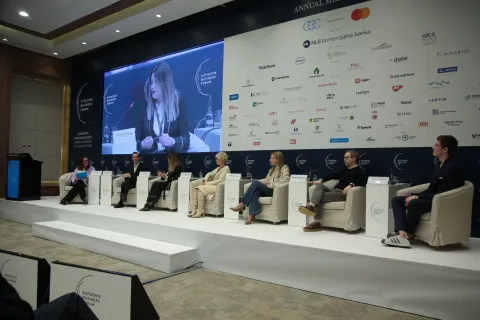
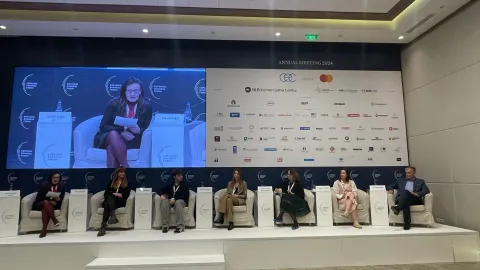
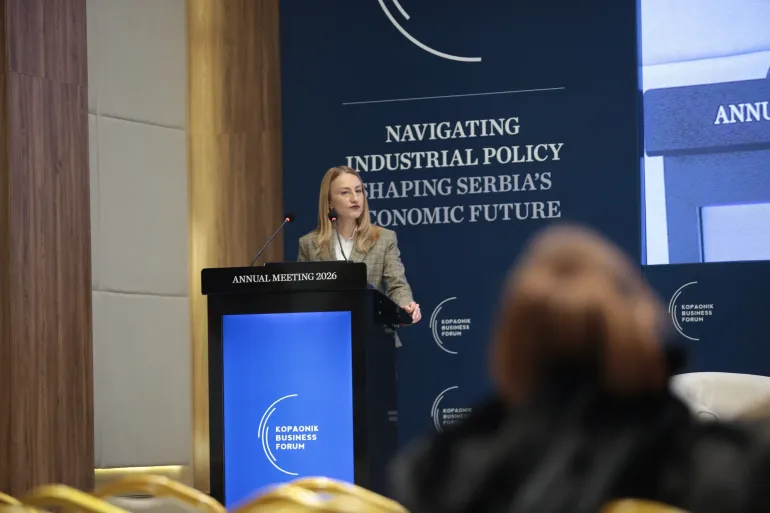
Kopaonik, 4 March 2026 – “In a tightening demographic and technological landscape, Serbia cannot afford to waste talent. Equity is not ideology. It is economic logic,” said Deyana Kostadinova, UNICEF Representative in Serbia, addressing ministers and business leaders at this year’s Kopaonik Business Forum.
Speaking about competitiveness and industrial transformation, Kostadinova emphasised that sustainable growth ultimately depends on how effectively a country develops its human capital.
“That workforce is today’s children.”
She highlighted that geopolitical fragmentation, strained public financing and rapid technological acceleration are reshaping labour markets faster than education and social systems can adjust. When inequality begins early in life, it translates into weaker skills, lower productivity and slower long-term growth.
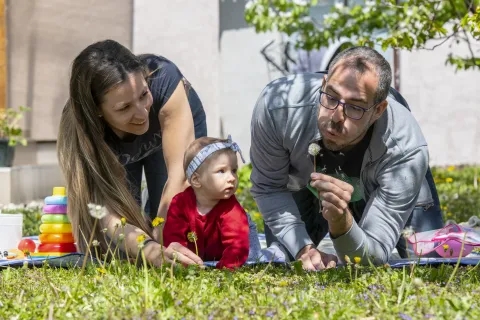
Nearly one in five children in Serbia is at risk of poverty. When poverty limits access to quality early development, learning and skills, human capital is constrained before it can fully develop.
“Human capital does not appear at age twenty-five. It is built from birth.”
Although Serbia has advanced in digital transformation, labour productivity remains below 40 per cent of EU levels. At the same time, demographic trends are tightening, with 58,455 babies born last year, meaning fewer young people will enter the labour market in the coming decades.
“In this context, every child carries greater economic weight.”
Kostadinova stressed that strengthening early childhood development, inclusive education and digital readiness is not a parallel social agenda, but part of Serbia’s economic infrastructure.
“Budgeting for children is not social spending. It is growth policy.”
She concluded that Serbia’s long-term prosperity will depend on sustained investment in children and young people, ensuring that no potential is lost in a rapidly changing economic landscape.