

Leveraging the food systems to get first food right for children
Malnutrition in West and Central Africa remains a public health and development concern, with 33 percent of children under five years of age suffering from stunting

- Français
- English
On the initiative of UNICEF and ECOWAS, Senegal hosts a regional workshop that brings together experts from civil society, United Nations, universities and academic institutions, financial institutions, governments and the private sector to discuss on how to “leverage the food systems to get first food right for children."
The meeting aims to initiate the discussion on how we can collectively transform the food system in the West and Central Africa region and ensure it meets the nutrition needs of young children. It seeks to address deficits in regional nutrition that exist despite the efforts.
Malnutrition in West and Central Africa remains a public health and development concern, with 33 percent of children under five years of age suffering from stunting and 7 percent affected by wasting. In absolute numbers, this represents 29.3 million stunted children and 6.5 million wasted children.
While the prevalence of stunting, has declined from 41 percent in 2000 to 33 percent in 2020, the annual rate of reduction is not significant enough to ensure the region meets the Sustainable Development Goal for nutrition by 2030.

To achieve this goal, we need to increase the annual average reduction rate of stunting by 3-fold. This is particularly the case because the absolute number of stunted children is rising due to rapid population growth.
Today, the West and Central Africa region bears 20 percent of the global burden of stunting while it is home to only 12 percent of the world’s under-5 children population. In addition, it is worth noting that more than 80 percent of the 29 million stunted children in the region are found in areas not affected by emergencies or food insecurity.

"Paradoxically, all this is happening on a continent and in a region with huge potential for food production, while a better use of local productions, more affordable and acceptable for communities, would contribute to improving the nutritional status of children" said Silvia Danailov, UNICEF Representative in Senegal, on behalf of the West and Central Africa region.

We need to ensure that the food systems provide the food that children need to grow and develop optimally
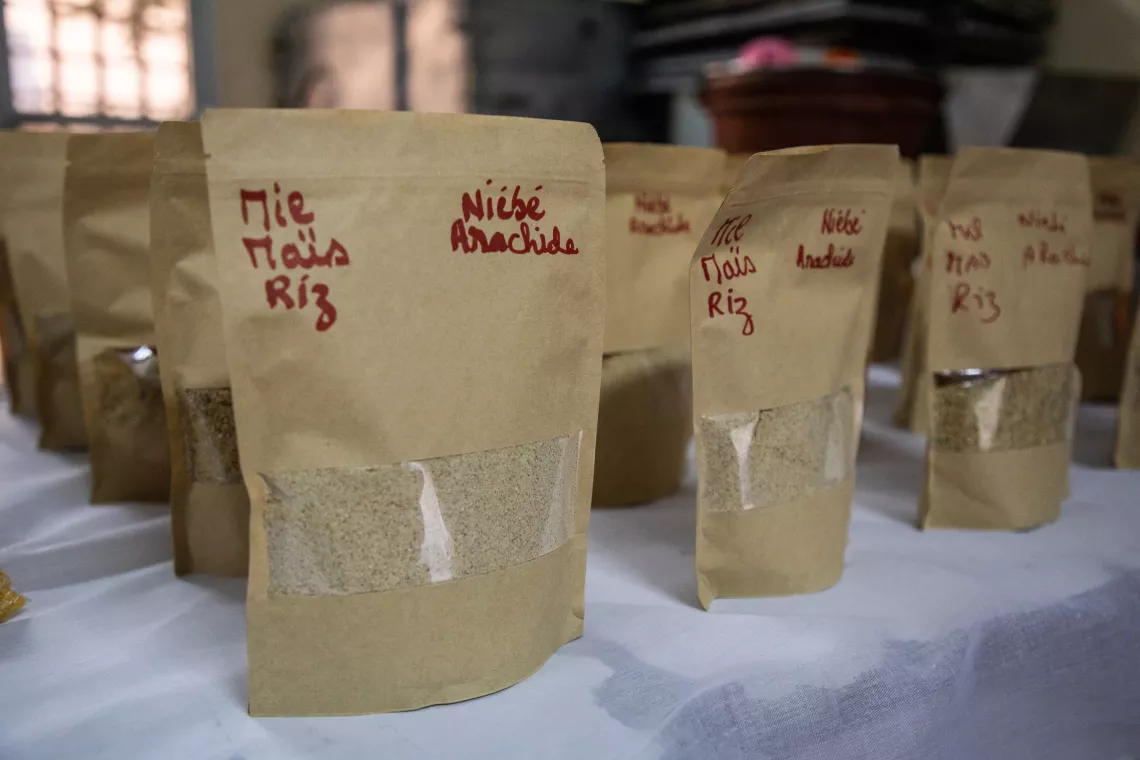
For food systems to adequately respond to children needs, they must produce diverse foods that are rich and nutrient dense; transform those foods and make them suitable and palatable for young children; ensure the prices are reasonable to ensure access for most of the population including by the most vulnerable in rural areas; and develop standards and regulation mechanisms to protect children from junk and unhealthy foods.
A clear road map is expected to be defined as an outcome of this workshop to ensure that the food systems in the region provide the food that children need to grow and develop optimally.