While Parents Work, Childhood Begins
In Rwanda's market and cross-border communities, early childhood development centres give young children a strong start in life while their parents earn a living.

Every morning, hundreds of parents in Gicumbi and Nyagatare leave home with the same purpose: to earn a living for their families. But as they make their way to border crossings or busy local markets, one question quietly follows them.
Who will care for my young child while I work?
For years, the answer was never simple. Some parents carried their children to crowded markets or busy border crossings. Others left them with older siblings who should have been in school themselves. Every option came with compromise, and every decision was accompanied by worry.
For Abingeneye Delphine, a trader at Matimba Market in Nyagatare District, those mornings are impossible to forget.
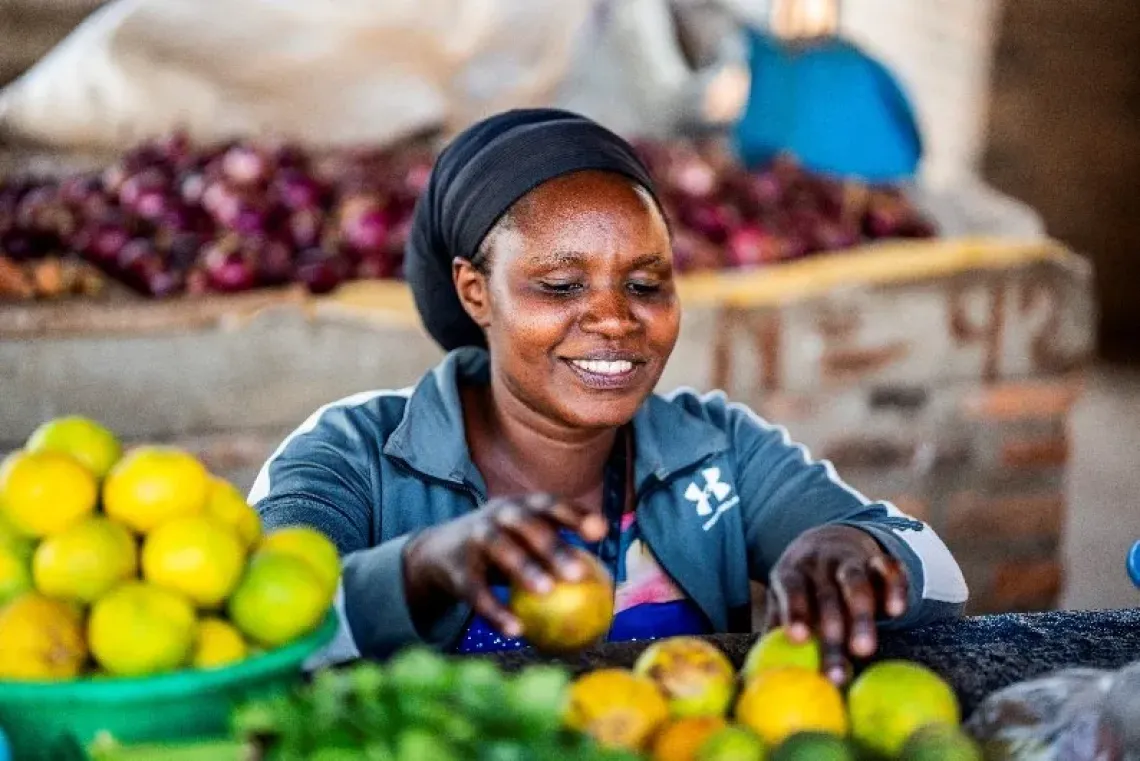
Before this ECD centre, you would have seen me leaving home before sunrise with my child tied on my back. Some days I carried her all the way to the market because there was nobody to leave her with. Every day felt like choosing between my child’s safety and earning enough to feed my family.
A safe place to learn and grow
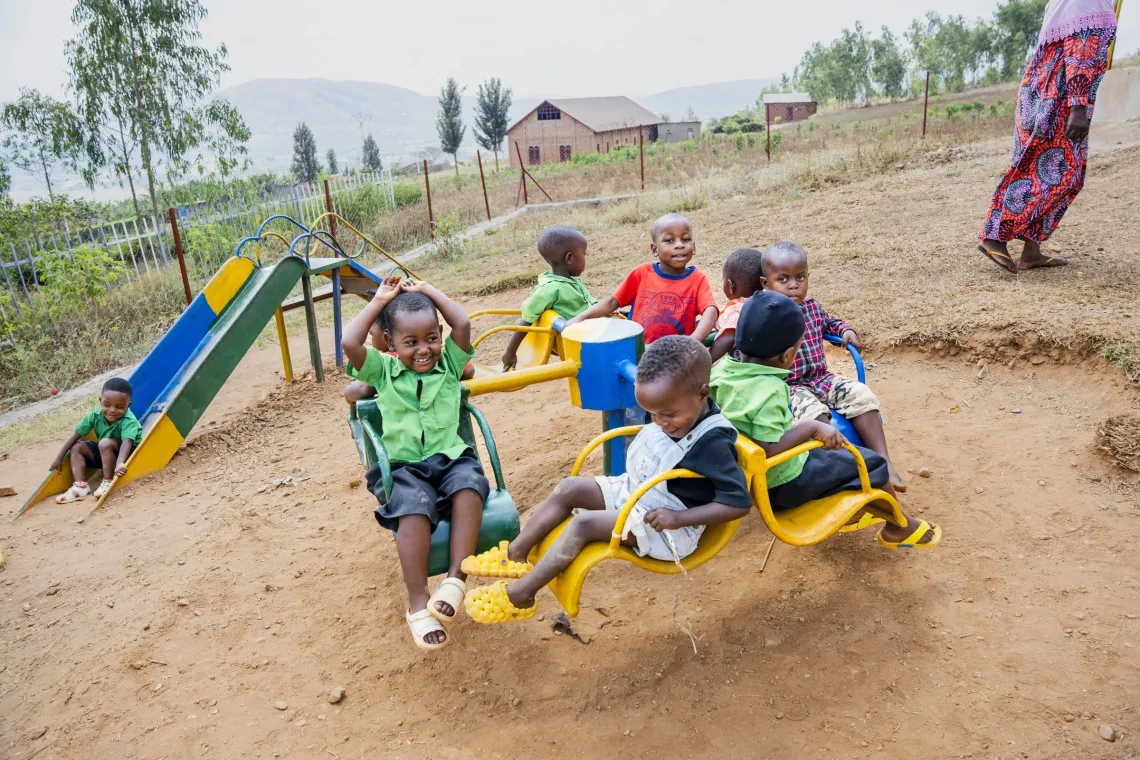
To respond to this challenge, market-based and cross-border early childhood development (ECD) centres were established in communities where parents’ livelihoods make conventional childcare particularly difficult. Across seven centres in six districts, more than 600 young children now have access to early learning, nutritious meals, health and hygiene support and child protection services while their parents work.
When an ECD centre opened near the market, Delphine enrolled her daughter, Isimbi Nelia. The first morning was not easy.
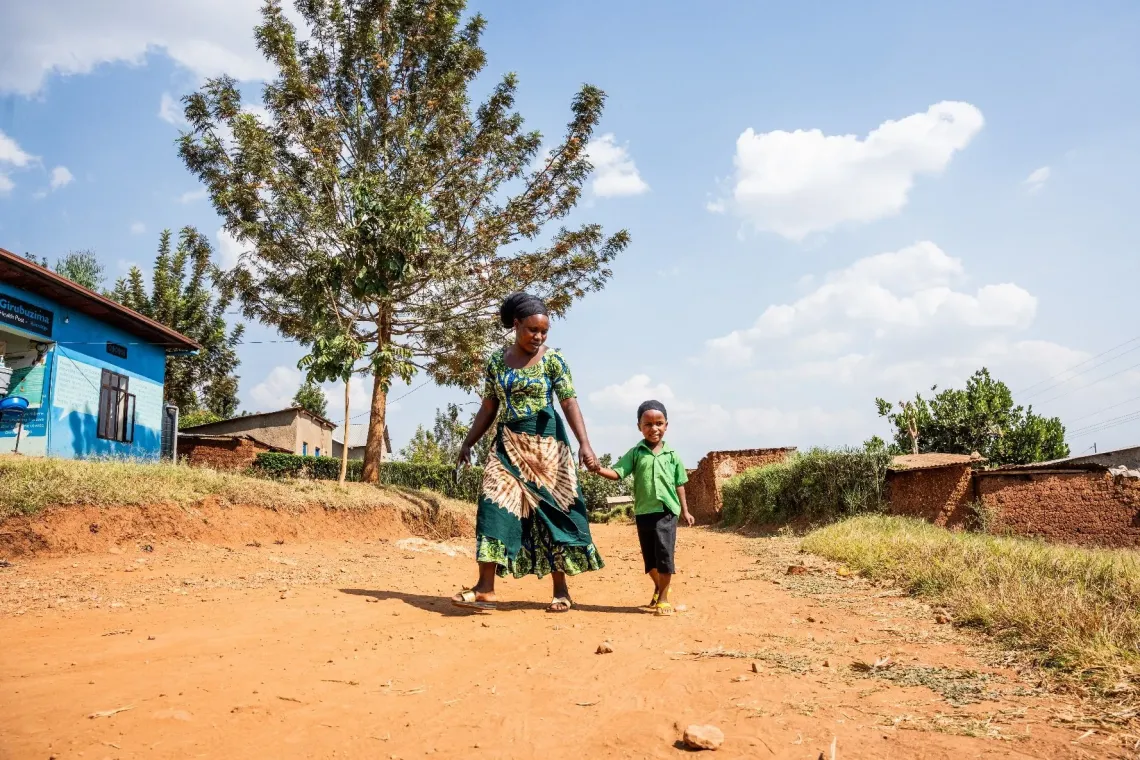
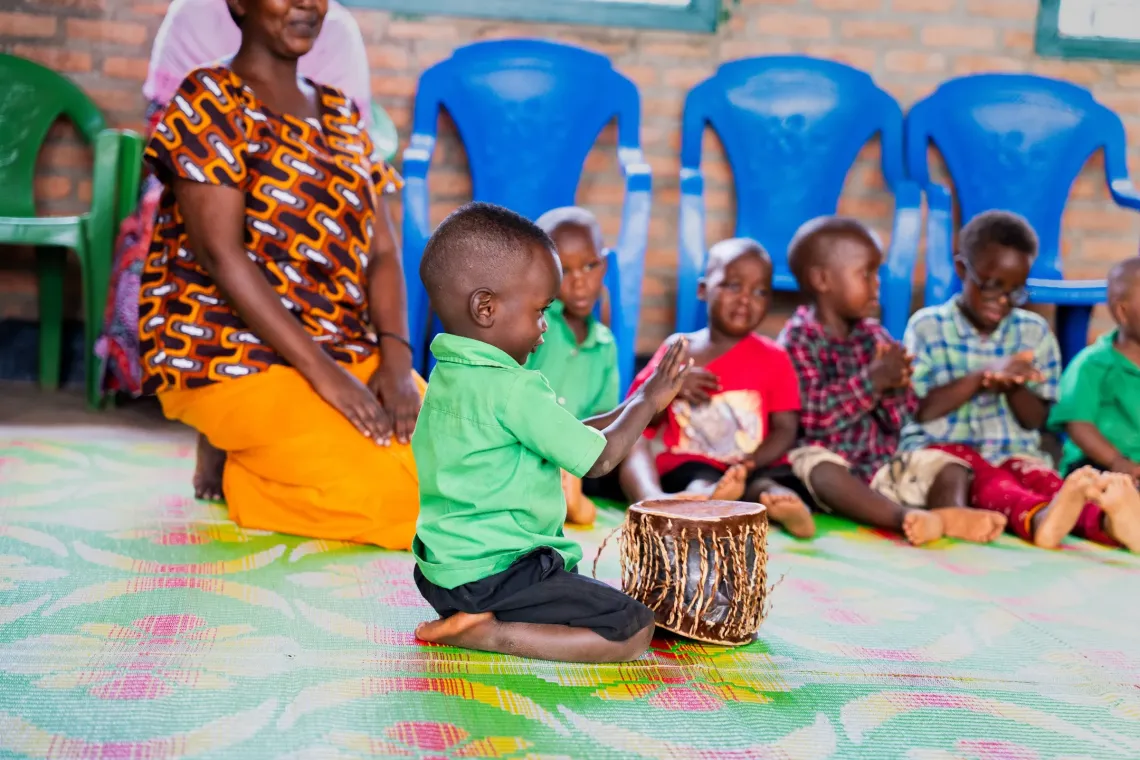
I remember walking away with tears in my eyes because I wasn’t sure how my child would react. I kept looking back until I saw one of the caregivers kneel down, smile and gently welcome her into the classroom. For the first time in a long time, I went to work knowing she was safe.
Within a few weeks, Nelia was coming home singing new songs, talking about her new friends and showing her mother what she had learned that day.
Delphine’s experience is shared by many families. Between September 2025 and June 2026, 608 children aged up to six were enrolled in the seven centres, more than the target of 560. Parents told the programme team they now feel more confident balancing childcare with earning a living.
608
children aged up to six enrolled in seven centres, above the target of 560
51
caregivers and sector ECD supervisors trained in early learning, child safeguarding and first aid
568
Friends of the Family volunteers and community health workers trained to support families at home


Peace of mind for working parents
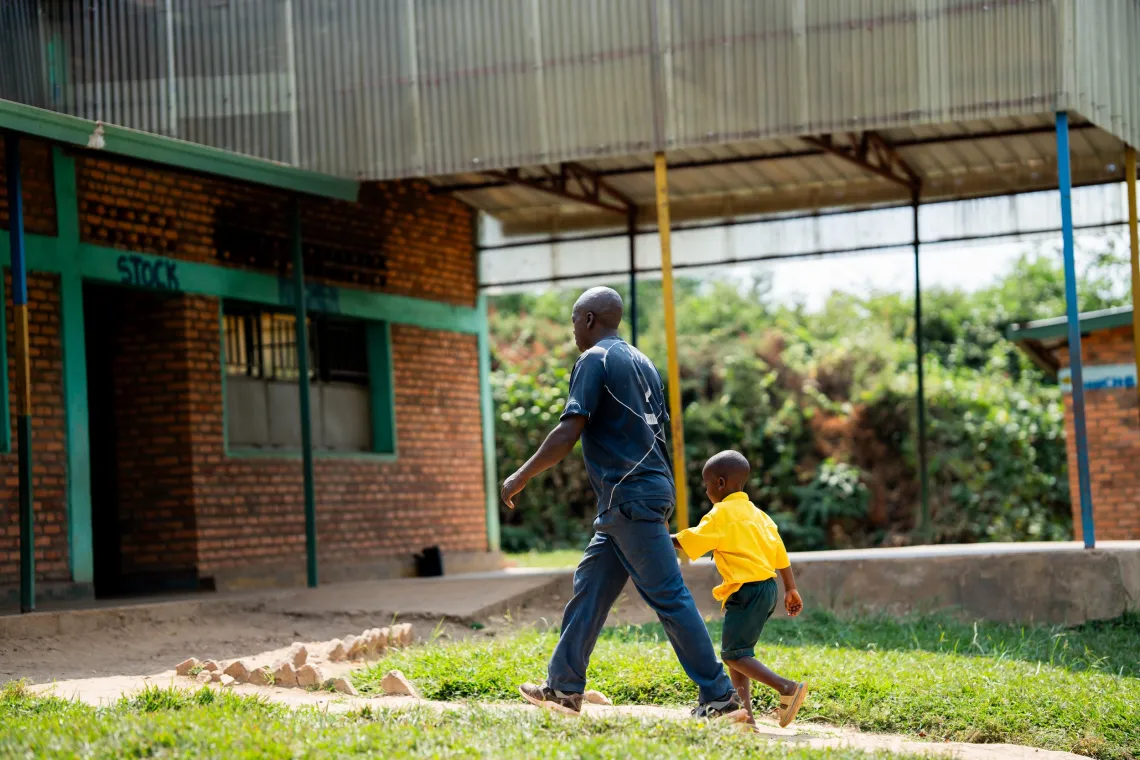
Nearly 100 kilometres away, in Rushaki Sector of Gicumbi District, Nkunzimana Alex says that before the centre opened, balancing work with caring for his young son, Ishimwe Alexis, was a daily struggle. Today he leaves for work knowing Alexis is somewhere he can learn, play, eat a nutritious meal and grow alongside other children.

Inside both centres, caregivers use storytelling, songs, creative play and hands-on activities to build children’s language, motor and social skills before they start primary school. Children also learn everyday routines, such as washing their hands before meals and sharing with friends. Caregivers and sector ECD supervisors have been trained in Rwanda’s Early Learning and Development Standards, child safeguarding and first aid, with follow-up coaching at each centre.
Aisha Mukamurenzi, a caregiver at Matimba ECD Centre, sees these changes one small step at a time.
I remember a child who arrived holding tightly to their mother’s hand and hardly spoke to anyone. Day after day, we watched that child slowly begin to smile, play and build friendships. Every child grows when given patience, care and the right environment.

Support that reaches home
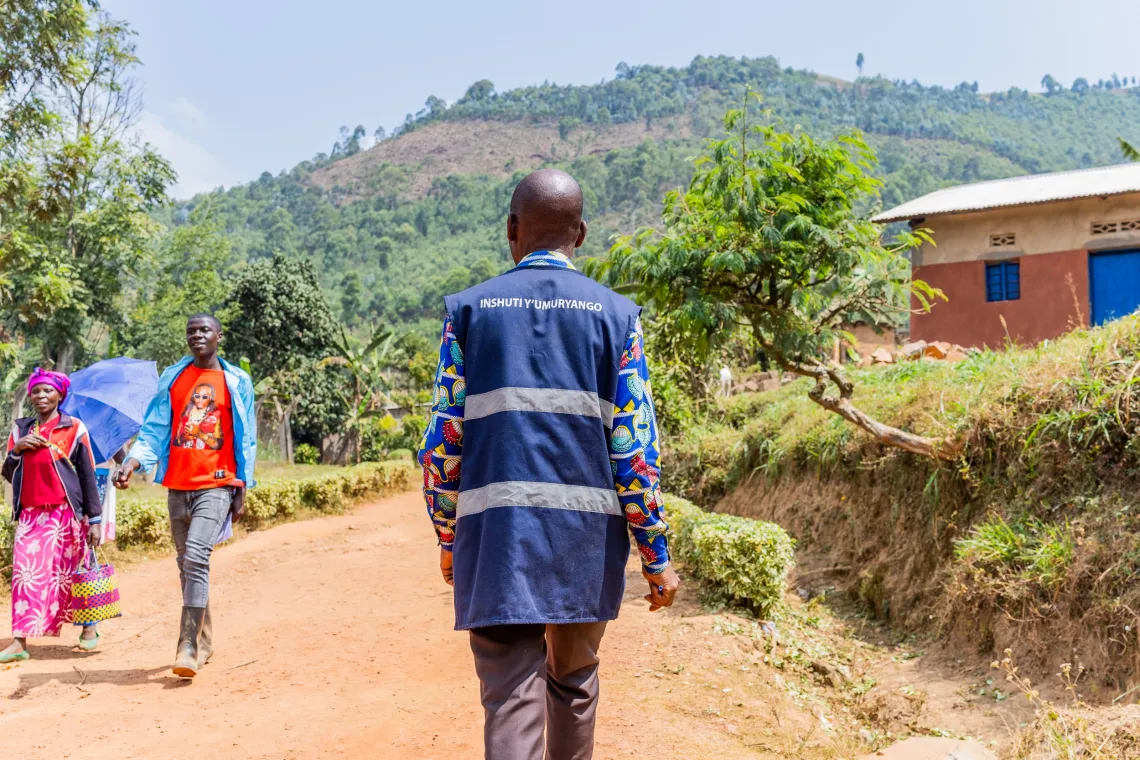
The support continues at home. Through regular home visits, Inshuti z’Umuryango (Friends of the Family) encourage parents to talk, read, sing and play with their children. Volunteers and community health workers have been trained to make home visits, spot early signs of developmental delay and refer children to health services, ECD centres and social protection programmes. Community health workers also carry out growth monitoring, nutrition counselling and regular health checks, and 480 chickens were given to families linked to six of the centres to improve their children’s diets.
Bernadette, a community health worker, says the measurements help her support families “before small concerns become bigger challenges”.

According to Mansana Jean Damascene, Sector ECD Supervisor, mornings in the community look very different from a few years ago.
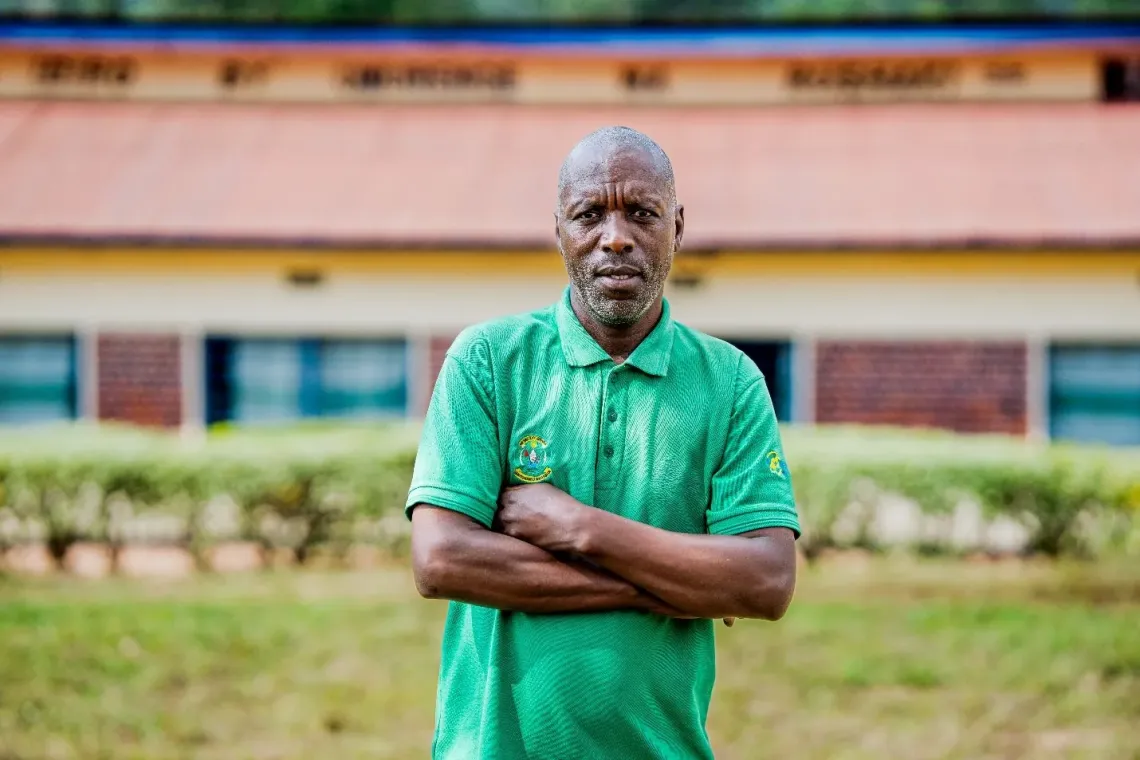
Years ago you would see very young children following adults through the market or staying home with older siblings. Today, each morning, you see children happily walking towards the ECD centre where they know they will meet friends, learn through play and receive proper care.
What still needs to be done
Challenges remain. Community mapping in the programme areas identified 332 children with disabilities and 101 adolescent mothers, and many vulnerable families still cannot afford to keep their children in ECD services. Reaching every child who needs care, especially children with disabilities and the children of teenage mothers, will require continued investment and stronger links between ECD, health, nutrition and social protection services.
The centres were established by the Government of Rwanda in partnership with UNICEF, with funding from the Government of the People’s Republic of China through China Aid. They are implemented by Action pour le Développement du Peuple (ADEPE) together with local communities.

In the late afternoon, as traders head home from markets and border crossings, the classroom doors open. In Matimba, Nelia runs to her mother, eager to share the songs she has learned and the friends she has made. In Rushaki, Alexis throws his arms around his father and tells him about his day.
For Delphine and Alex, earning a living no longer means putting their children’s wellbeing at risk.
For families in Matimba and Rushaki, childhood no longer has to wait until parents come home from work.
It begins every morning.