

Empowered Women, Empowered Nation
UNICEF Rwanda Celebrates Women's Month 2026
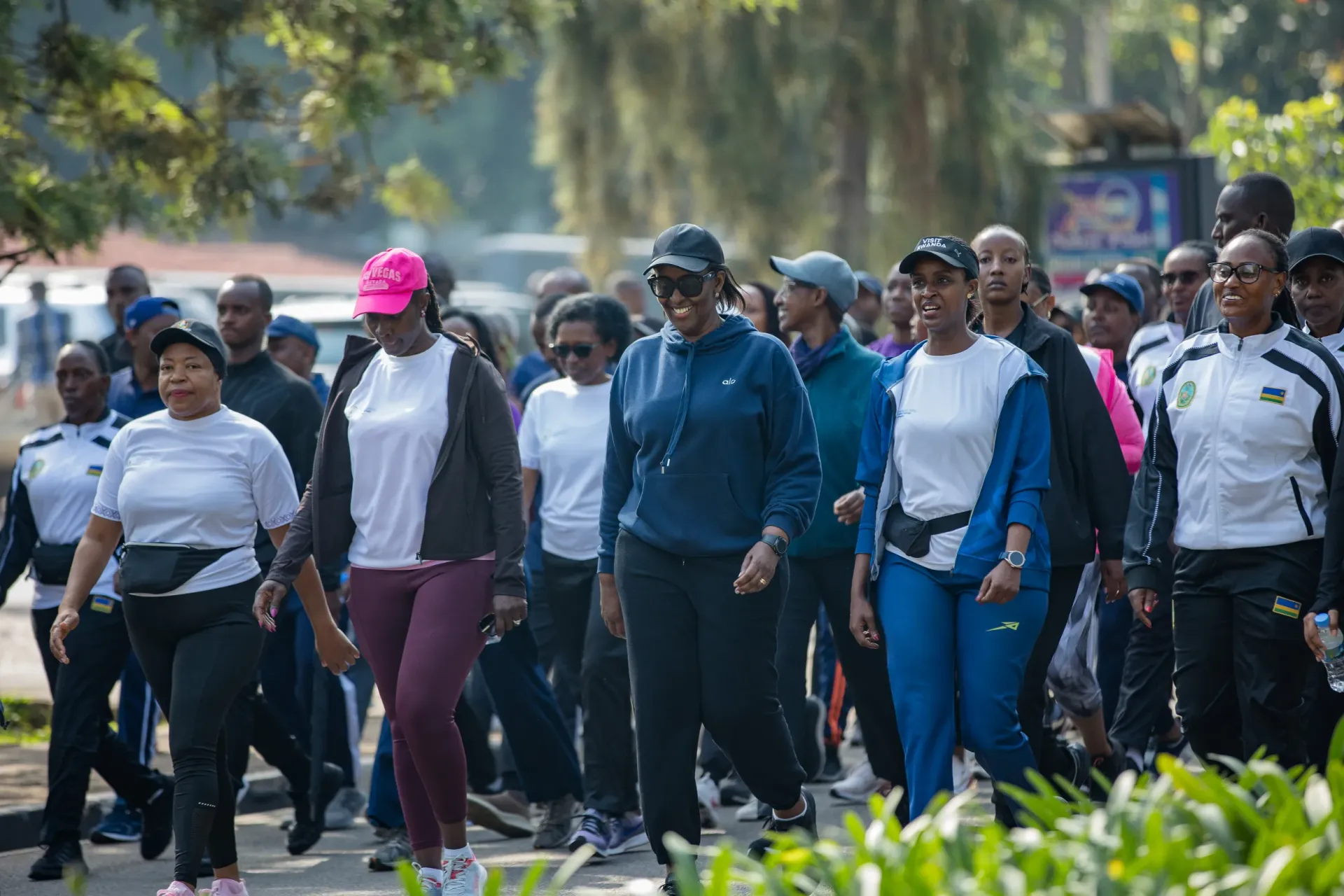
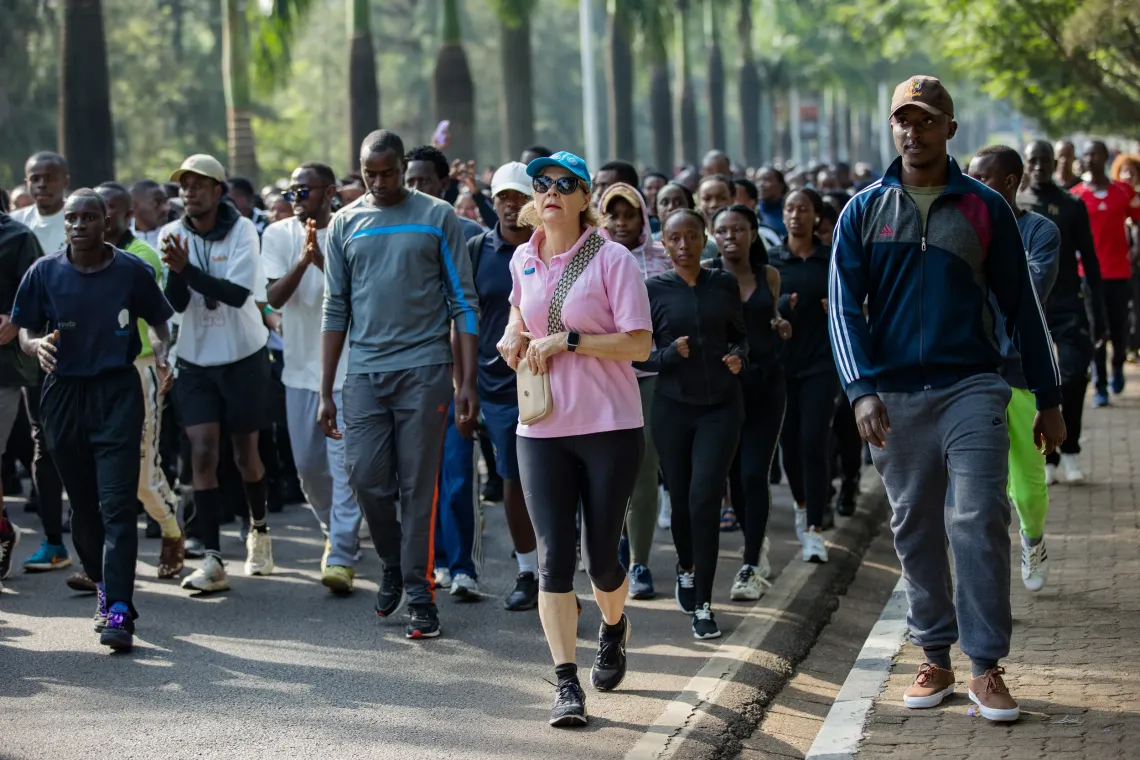
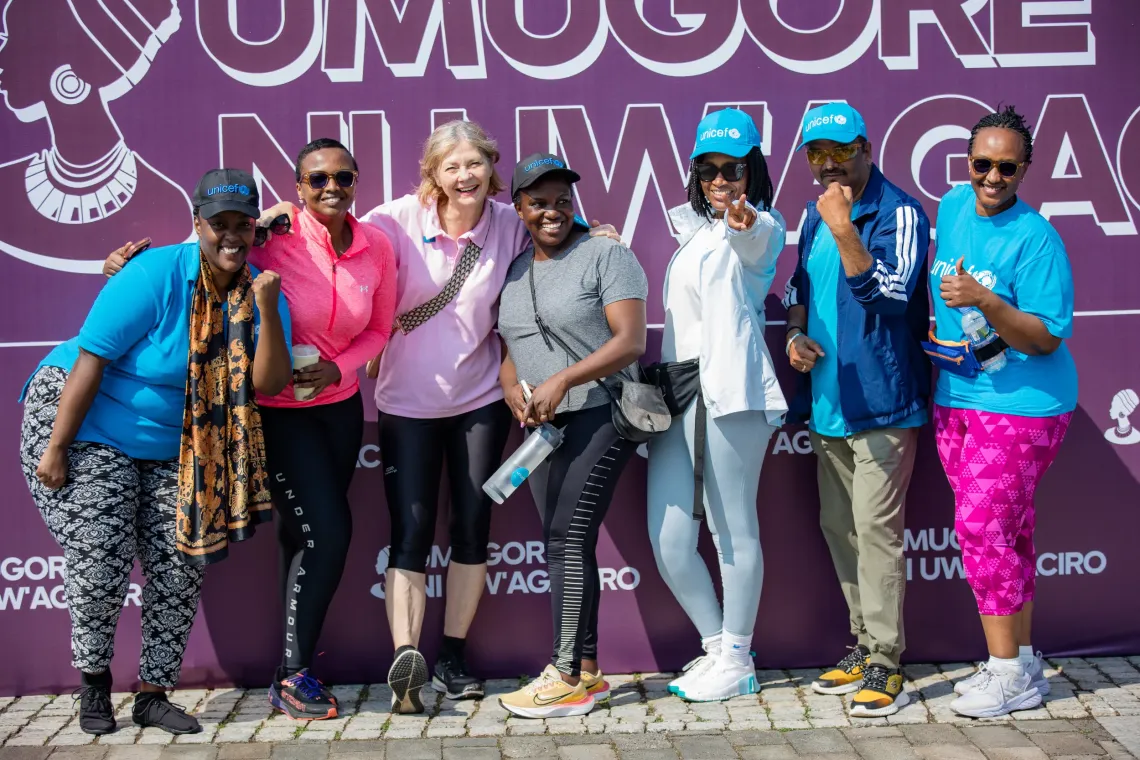
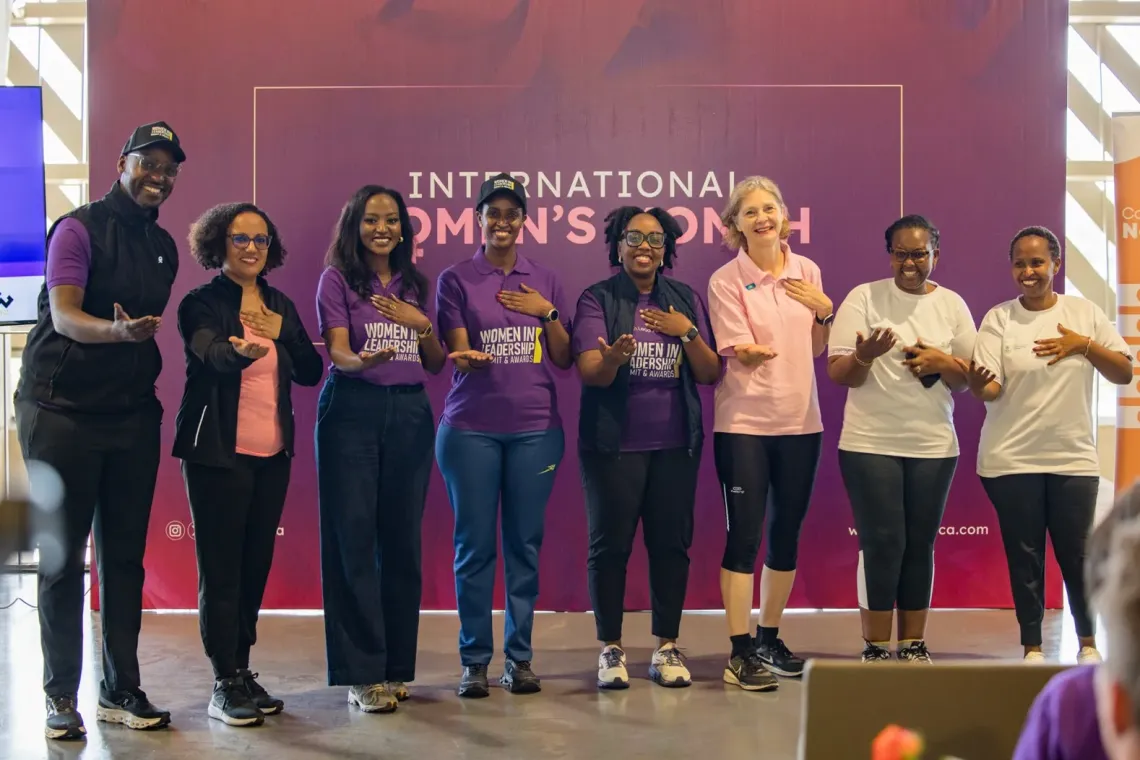
For one morning, the clean roads of Kigali usually crowded with traffic became spaces for laughter, conversation, and community. The air felt different, more than a public event, Car Free Day was a reminder that women’s and girls’ rights must be protected and upheld every day.
Rwanda's Voice at CSW70: From Kigali to New York
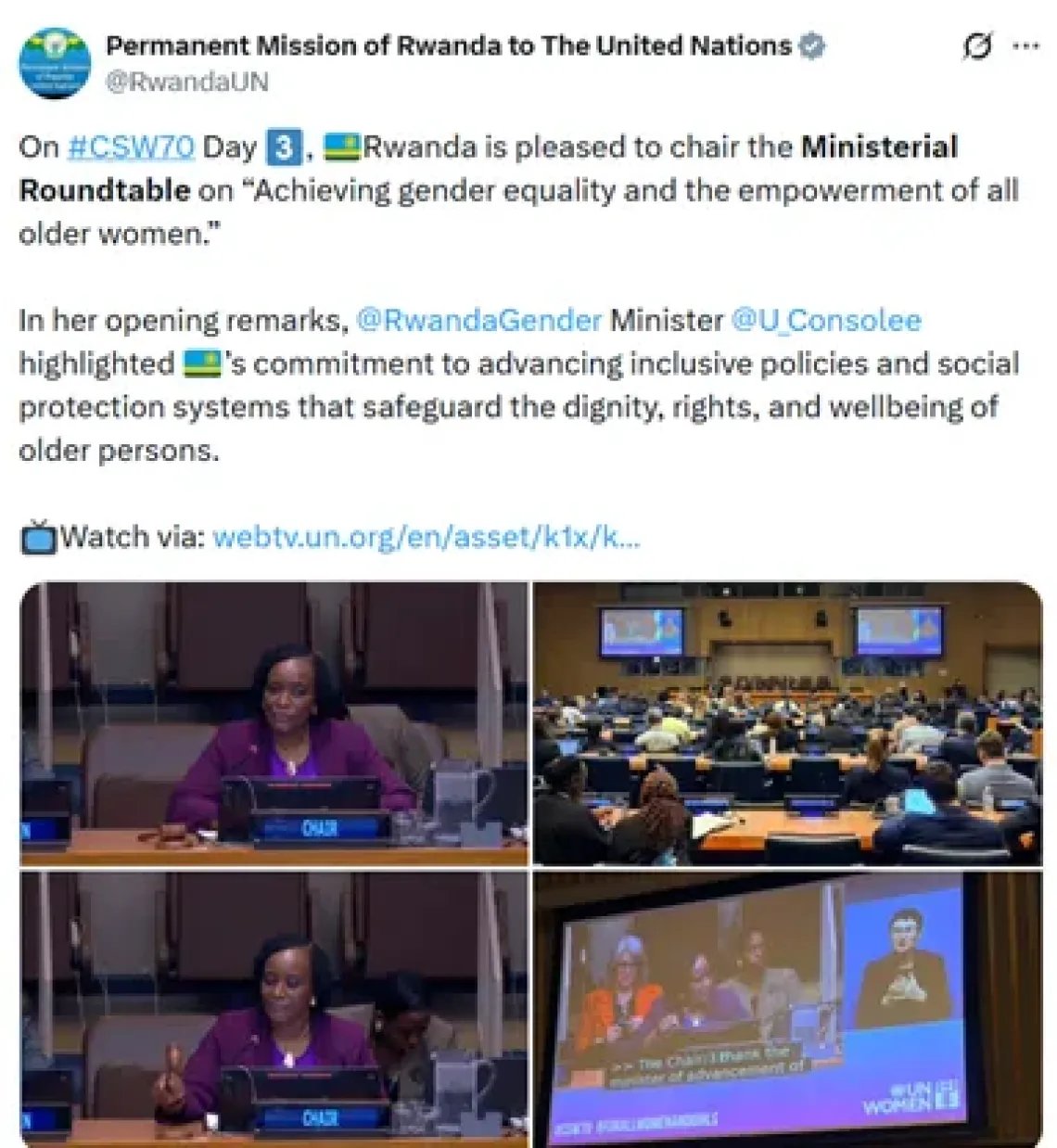
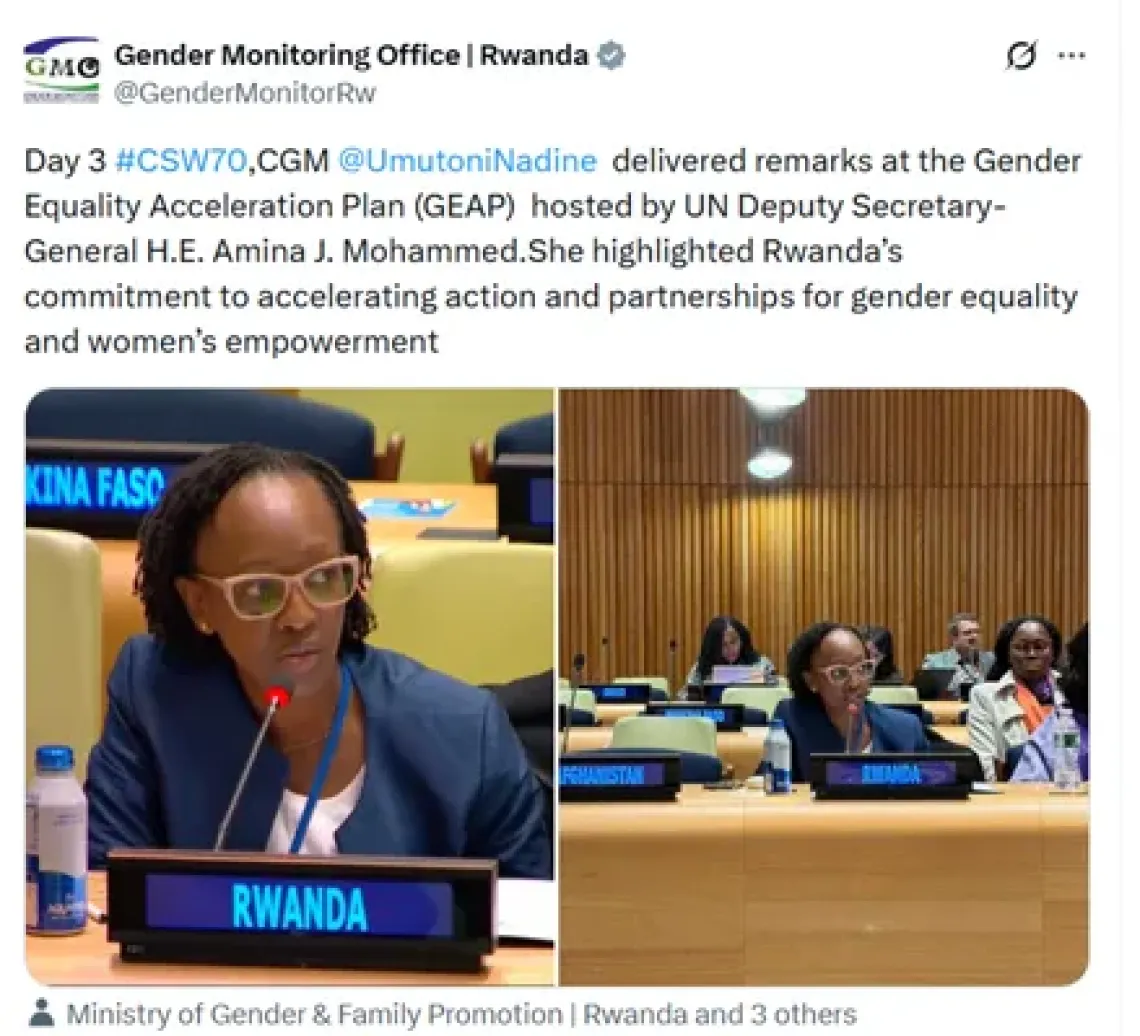
As Kigali celebrated in its streets, Rwanda’s voice carried thousands of kilometers away. In partnership with MIGEPROF, UNICEF supported a young Rwandan delegate to take part in the Commission on the Status of Women (CSW70) at United Nations Headquarters, from 9 to 19 March 2026. Far from a routine meeting, CSW70 is the world’s largest annual convening on gender equality and women’s rights—and this year it came with added urgency. Under the priority theme “Ensuring and Strengthening Access to Justice for All Women and Girls,” leaders and delegates called for inclusive legal systems, an end to discriminatory laws, and the removal of structural barriers that deny women equal standing before the law. Rwanda’s presence told a different story: not symbolic participation, but a live proof of progress—and confirmed that youth representation is not an idealistic aspiration, but an attainable reality.
Quiet Heroes: Recognizing the women who shape communities
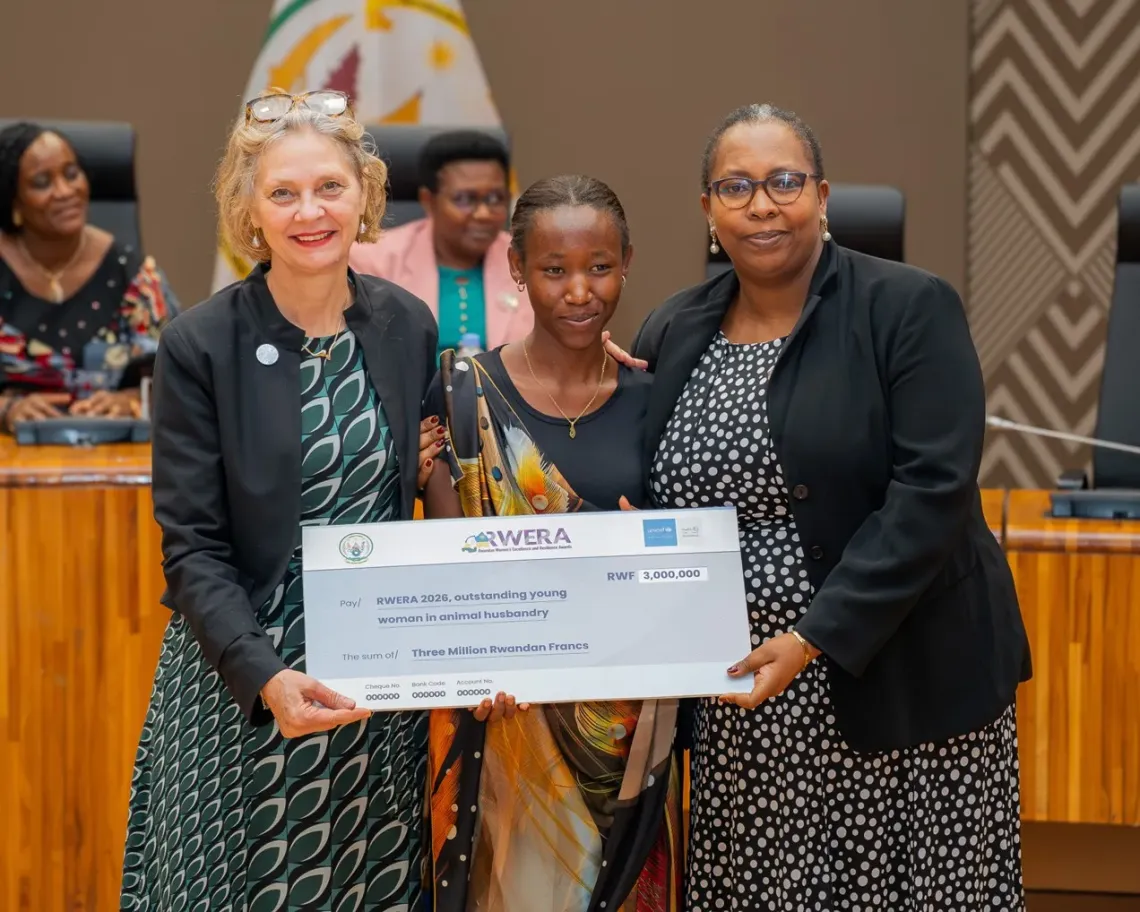
They weren’t in headlines or on social media. But on this day, their names rang out in Parliament. The Ministry of Gender and Family Promotion convened two landmark events—the African Women Leaders’ Network (AWLN) Summit and the Rwandan Women Excellence and Resilience Awards (AWERA)—bringing more than 300 women from rural Rwanda into the plenary hall. This wasn’t pageantry; it was overdue recognition.
One honouree was Zaneza Sandrine, a young farmer running a small chicken-rearing initiative with a clear purpose. Every month, she donates 240 eggs to her local Early Childhood Development centre, strengthening children’s nutrition and the fight against stunting. UNICEF recognised her for what works: consistent, practical generosity. Her story shows how change often starts small—and keeps going.
In partnership with Lead Access, UNICEF also honoured Vanessa Ngarambe, an educator turning inclusion into action. She founded Little Stars Day Care Center to make a simple promise real: children with special needs deserve a safe place to learn, grow, and belong. In a world that still sidelines too many children, her school is a daily refusal to leave anyone behind.
The AWLN Summit brought a continental lens. Created in 2017 with support from the African Union and the United Nations, AWLN advances women’s leadership in peacebuilding, governance, and development. Rwanda’s chapter, launched in 2023 by First Lady Mrs. Jeannette Kagame, is now a hub for mentorship, advocacy, and intergenerational leadership. In the plenary hall, that purpose was tangible: women from cooperatives, farms, and local leadership filled every seat. For an afternoon, Parliament belonged to the women who keep communities running.
At the One UN level, UNICEF supported a high-level dialogue with government institutions, Youth Advocates, and civil society partners to confront urgent challenges for women and girls in Rwanda. Participants faced gender-based violence, entrenched social norms, and institutional gaps that leave too many women without protection, support, or justice. The conclusion was clear: empowerment cannot rest on celebration. It demands strong protection systems, cooperation that lasts beyond March, and commitments backed by accountability. The issues were serious, but the mood was resolute. Government, civil society, Youth Advocates, the private sector, and the UN family agreed on one point: progress only comes when we move together—in partnership.
Investing in Girls, Building Rwanda: The National Youth Summit
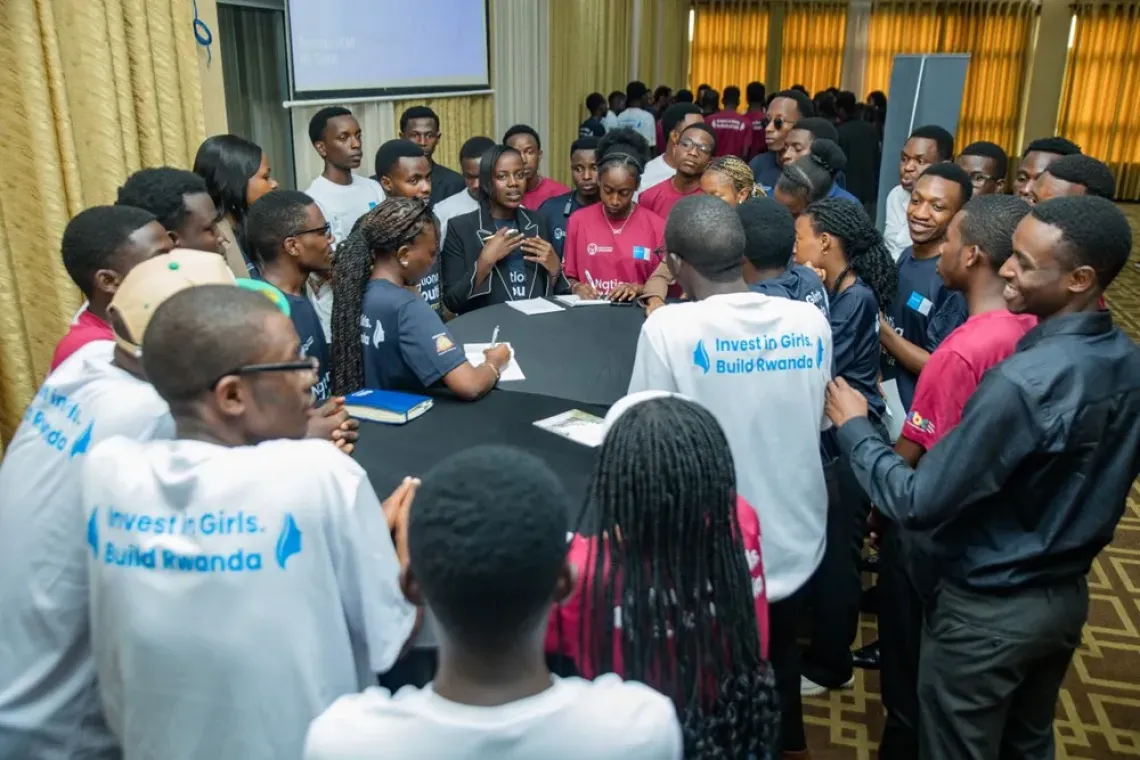
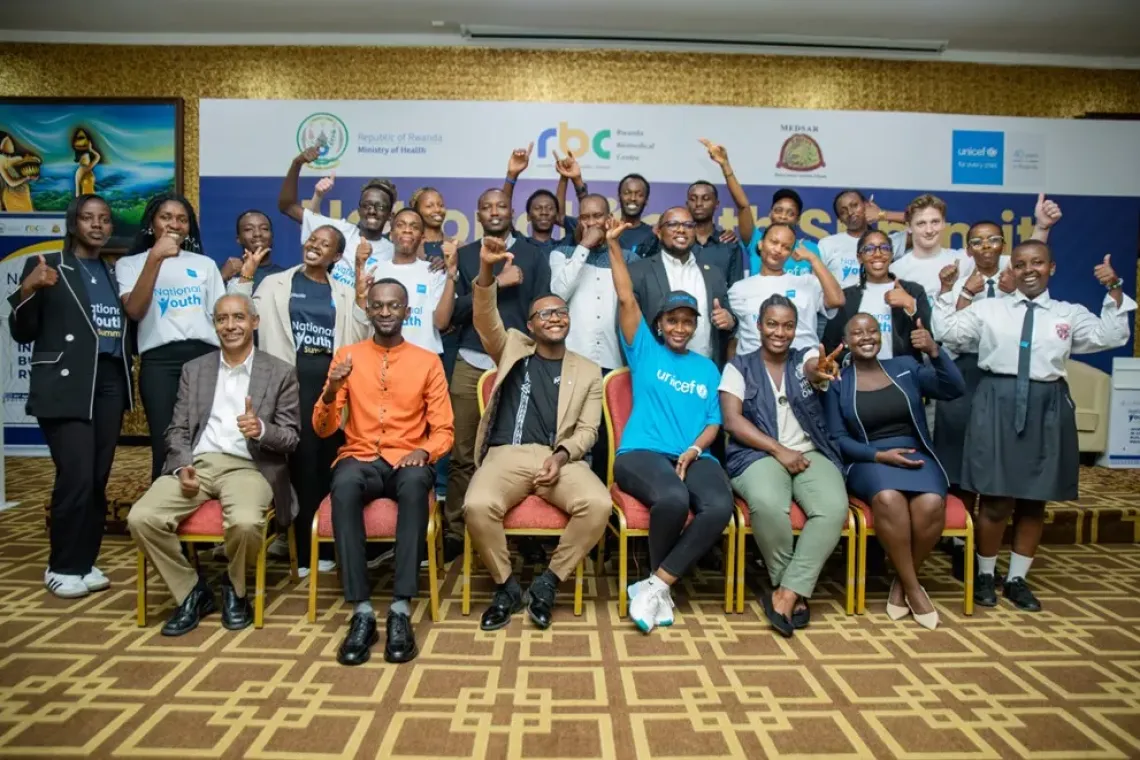
Women’s Month concluded with a National Youth Summit, held in partnership with UNICEF, the Ministry of Health, the Medical Students Association of Rwanda, and Youth Advocates, under the theme “Invest in Girls to Build Rwanda.” The summit tackled two urgent issues: young people’s access to health services and the rise in teenage pregnancies—and the impact on girls’ health, education, and opportunity. Young People led the conversation and presented innovative solutions, including AI tools for confidential health-related appointments, reproductive-health information printed in school notebooks, and peer-led awareness campaigns. The Ministry of Health reaffirmed its commitment to adolescent-friendly services, while UNICEF pledged continued collaboration with the Government of Rwanda to support adolescent girls and unlock the potential of Rwanda’s young population.
Rwanda’s Women’s Month 2026 may have ended, but its message is clear: women across the country are quietly shaping Rwanda’s future through leadership, resilience, and unwavering commitment to their communities. As Zaneza Sandrine returns to her farm and Vanessa Ngarambe to her classroom, countless girls and women continue to look to systems that protect them, invest in them, and make space for their potential. This year’s reflections underscored a simple truth: gender equality is not a one-off celebration, but a national journey—measured in everyday choices and sustained action. And as UNICEF Rwanda marks 40 years of partnership and impact in Rwanda, its commitment remains unwavering: to stand with every woman and every girl, whether leading in the spotlight or working quietly behind the scenes. When women rise, are heard, supported, and given the pace to lead, Rwanda rises with them.


