

New parenting push aims to break the cycle of violence in PNG homes
With violence against children at crisis levels, a new initiative in Morobe Province is helping parents build stronger, more caring relationships with their children.
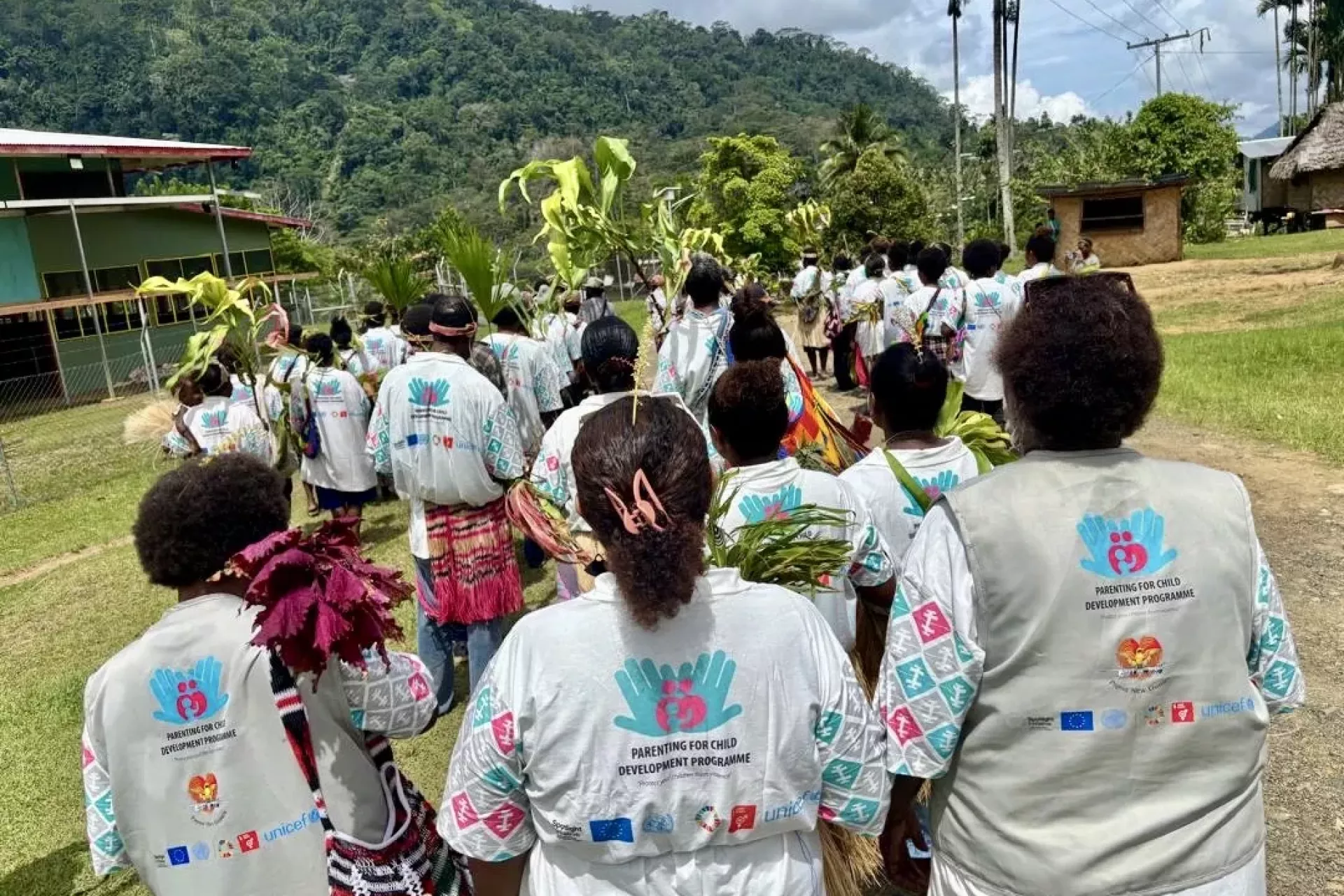
Led by the Evangelical Lutheran Church of Papua New Guinea (ELC-PNG) with support from UNICEF, the Parenting for Child Development (P4CD) program equips mums and dads, teachers, church leaders and child protection officers with practical skills to support families and create a caring and safer homes for children.
Sessions were held last week in the communities of Mumeng and Buso, targeting frontline workers who play a key role in children’s lives — from schoolteachers and local government officers to faith leaders and volunteers.
Six certified instructors from the P4CD program delivered positive parenting training, while UNICEF and ELC-PNG provided technical support and supervision to ensure quality and relevance.

The initiative is part of a broader push to end violence against children in Papua New Guinea, where rates of abuse remain among the highest in the region.
UNICEF PNG Chief of Child Protection Paula Vargas said violence against children is widespread and often hidden behind closed doors.
She said recent studies estimate that at least 75% of children, in Papua New Guinea experience physical or emotional abuse at home, with over 85% of parents accepted using physical violence as a way to discipline children, with many also exposed to neglect, exploitation or harmful traditional practices.
“Community-based interventions like this helps shift attitudes, build skill on positive and caring parenting, and strengthen the support networks families need,” Ms Vargas said.

The P4CD program focuses on practical, respectful ways of raising children, drawing on evidence about child development, communication, and the importance of nurturing relationships.
Participants learned how to set clear expectations without violence, manage stress, and strengthen emotional bonds between children and caregivers.
Alongside the positive parenting sessions, UNICEF also delivered training on key safeguarding principles, including the prevention of sexual exploitation and abuse, responding to intimate partner violence, and creating child-friendly spaces where children feel safe, valued and heard.
The training also introduced the concept of community-based child protection — a localised approach that builds on traditional strengths while addressing harmful norms.
Buso Village participant Grace Giuawa said the program has given her both inspiration and tools she can use in her daily life.
“It has the power to heal broken relationships and foster a brighter future for our children,” she said.

Ms Vargas said the rollout of the P4CD program has already reached over 30,000 parents in the last two years, with strong pathway to be institutionalised within government structures and to expand the program to other parts of the country in the months ahead.
“When we strengthen parents, we strengthen communities, and we end violence against children” she said.
“This training gives families the tools to build safer, more caring homes, where every child has the chance to grow up healthy and be protected.”


