mSupply: Transforming vaccine management in Papua New Guinea
Over the past four years, the mSupply vaccine management system has enhanced immunization efficiency across Papua New Guinea, ensuring more children receive timely vaccinations

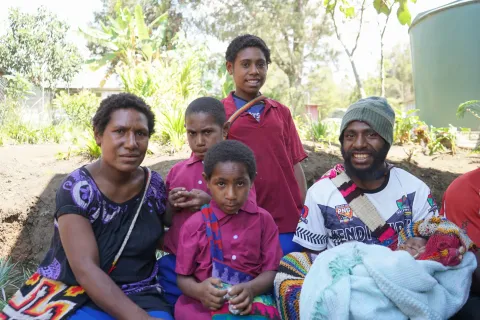
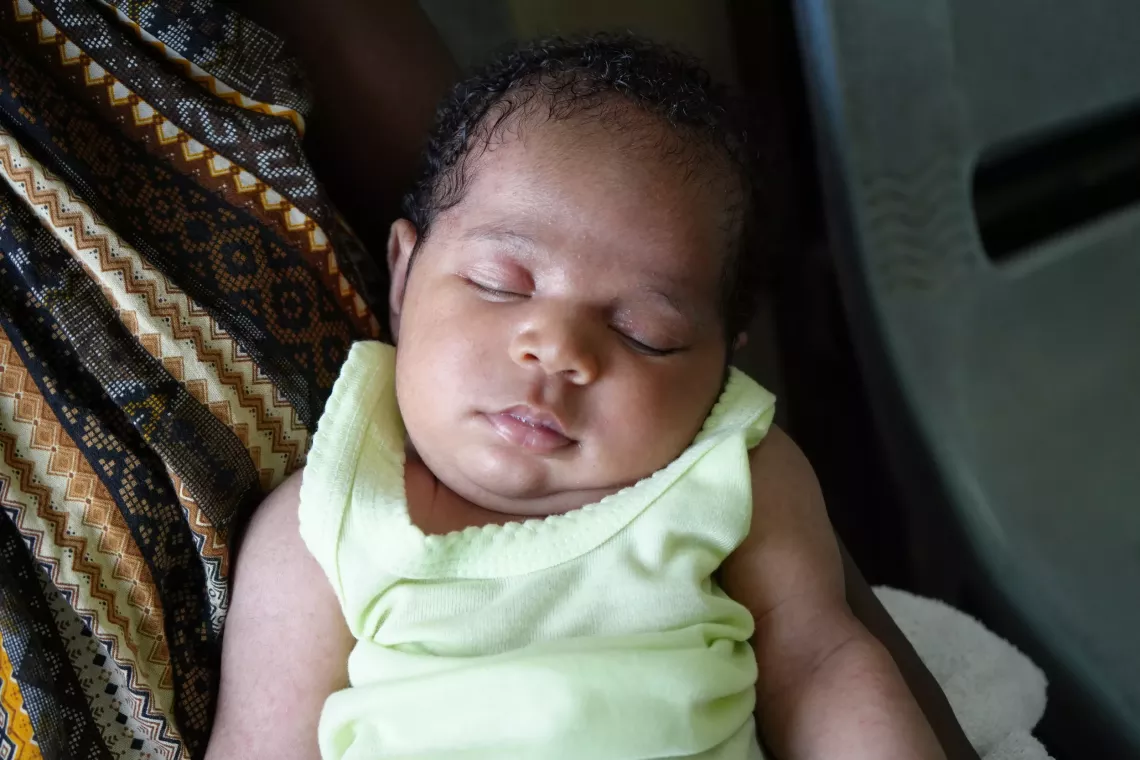
Mums cradle their babies while waiting patiently for their turn, some soothing their little ones while others chase after curious toddlers eager to explore.
The Well Baby Clinic at 6-Mile Clinic in Port Moresby bustling as always.
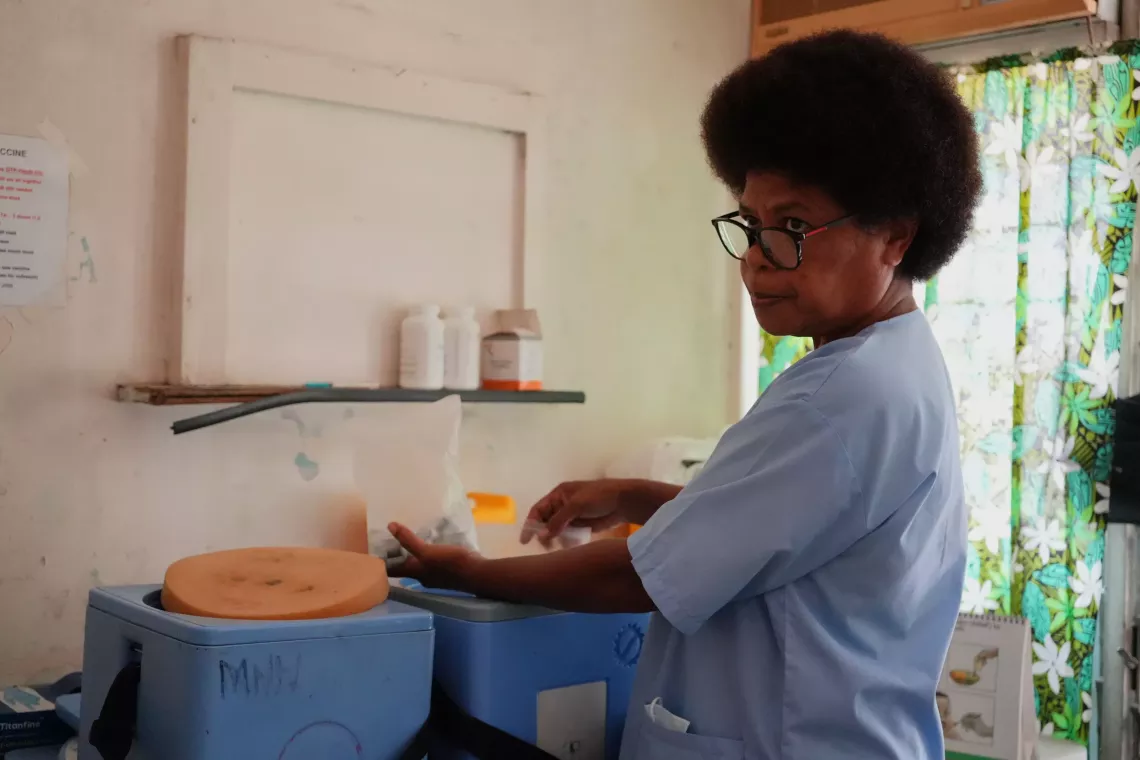
Inside, sister Garia Baker and Nurse Judy Agui work tirelessly to provide essential immunization services, ensuring every child receives life-saving vaccines. Thanks to the mSupply vaccine management system—made possible through the generous support of the Government of Japan—their clinic has seen a remarkable transformation over the past four years.
Before mSupply, Garia and Judy relied on pen and paper to track vaccine stock, an outdated system prone to delays and shortages. “We often ran out of vaccines,” Jude recalls. “When new stock arrived, we would have a backlog of returning patients alongside new ones, leading to overcrowding, long delays, and immense frustration.”
For many families, missing a vaccine appointment was more than an inconvenience—it was a financial burden. “Most of the parents who visit us are street vendors,” Garia explains. “If we tell them to come back another day, they must make a difficult choice—lose a day’s earnings to bring their child back or delay their child’s immunization.”
Overcrowding further complicated the situation. “When we turn families away, they return alongside the new lot of babies scheduled for that day,” Judy says. “This not only overwhelms our small clinic but the heat which gets worse as the day progresses, makes the situation unbearable.”
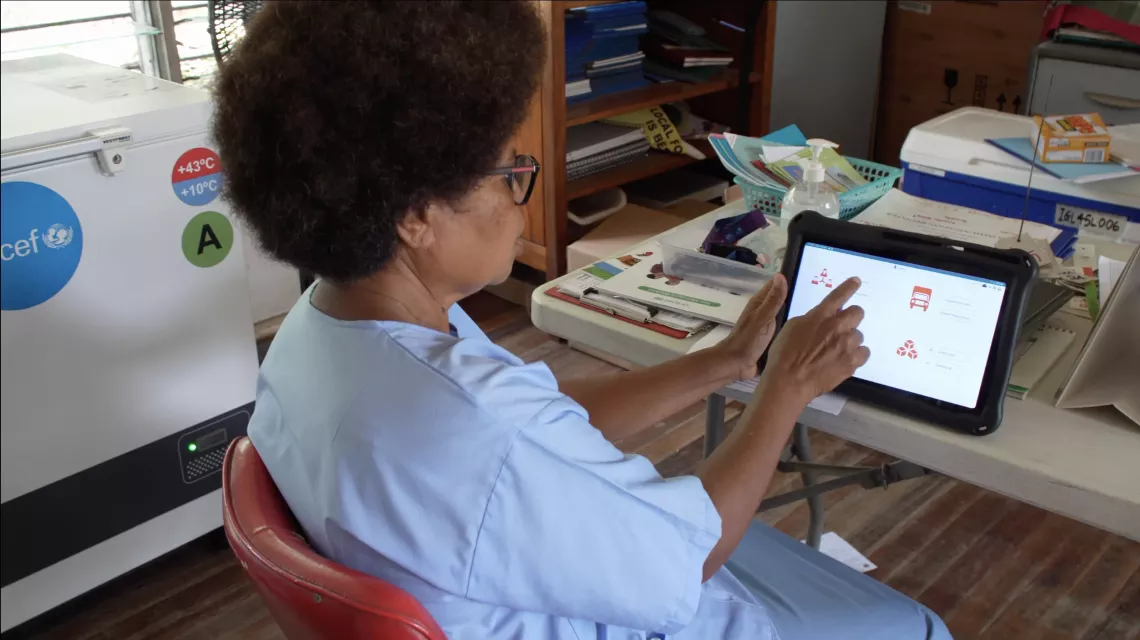
Now, with mSupply, vaccine orders are calculated automatically, ensuring a steady supply and preventing stockouts. However, challenges remain. Power outages still pose a risk to the cold chain, and to mitigate this, Garia, Judy, and their team place vaccine orders four times a month, ensuring the stock remains viable and effective.
Despite these hurdles, mSupply has transformed vaccine delivery in PNG—cutting wait times, reducing costs for families, and ensuring more children receive timely vaccinations. The system has laid a solid foundation for efficient vaccine management, proving to be a game changer in strengthening immunization services.
According to UNICEF Chief of Health Dr Satish Gupta, immunization is one of the most effective public health interventions, saving millions of children globally from vaccine-preventable diseases. “The introduction of mSupply helps health workers accurately forecast and order vaccines using simple applications on mobile tablets,” Dr Gupta said.
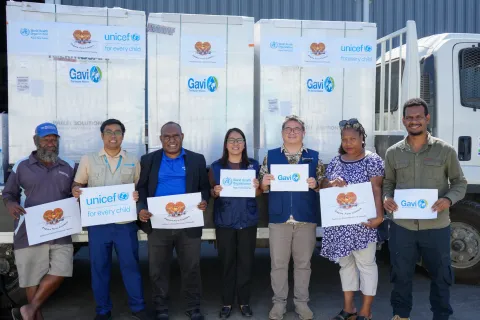
UNICEF continues to work alongside the Government of Papua New Guinea, GAVI, the Vaccine Alliance, and the Government of Japan to ensure that every child receives life-saving vaccines—paving the way for a healthier future for every child in Papua New Guinea.