Four sachets a day changes Vali’s life
From severe malnutrition to recovery
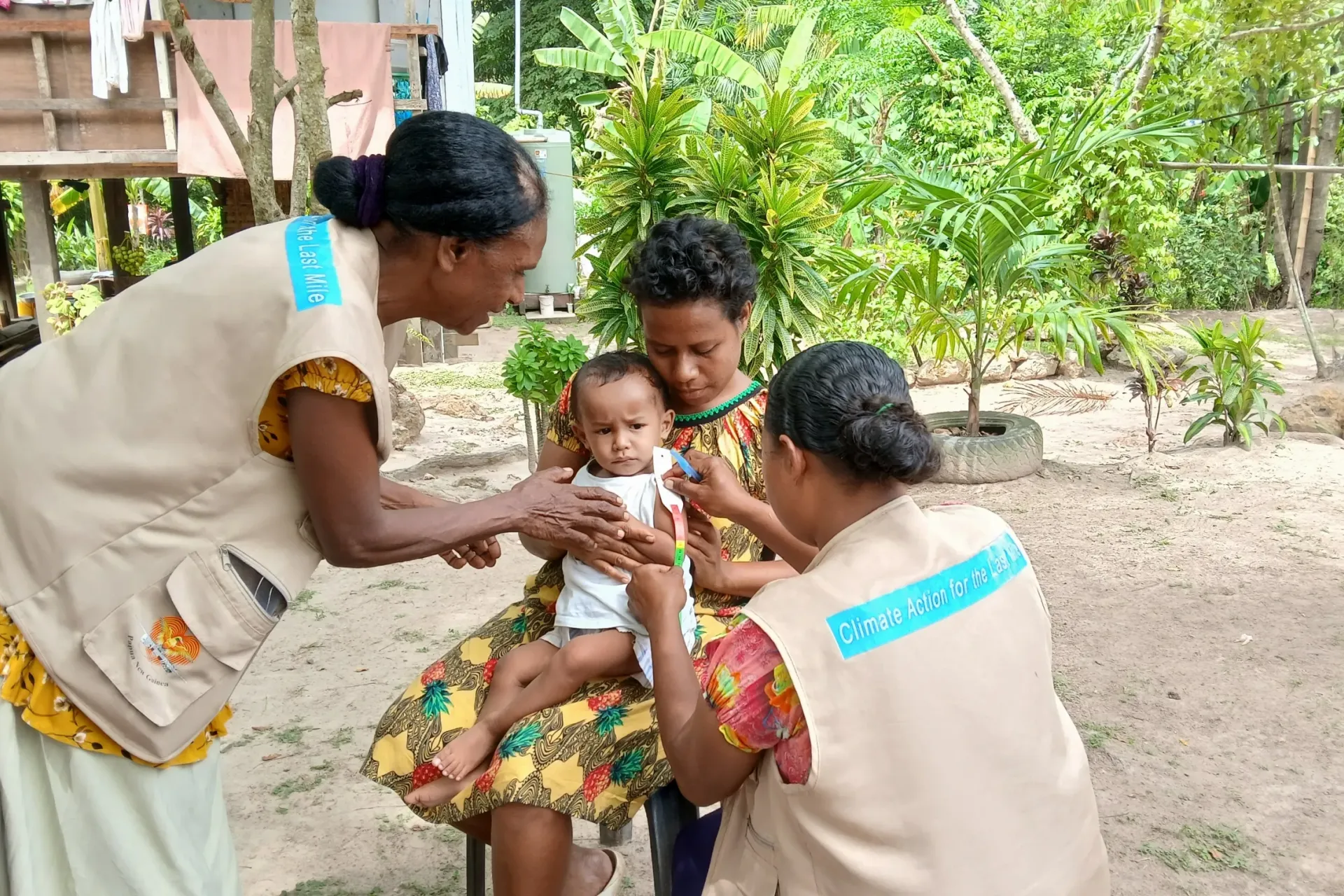
When Village Health Assistants (VHAs) Joan Gwaibo and Kila Raga met three‑year‑old Vali in December 2025 in Rigo District’s Kemabolo community, he was very weak and suffering from severe acute malnutrition and could no longer walk.
Vali’s condition started when his mother, Dianne, was forced to stop breastfeeding at three months after she fell seriously ill with tuberculosis. Without breast milk and proper nutrition, Vali’s health quickly began to deteriorate.
“Dianne struggled to breastfeed while she was sick,” Joan explains. “On advice from the hospital, she weaned her son very early on. That’s when Vali started getting sick and became severely malnourished.”
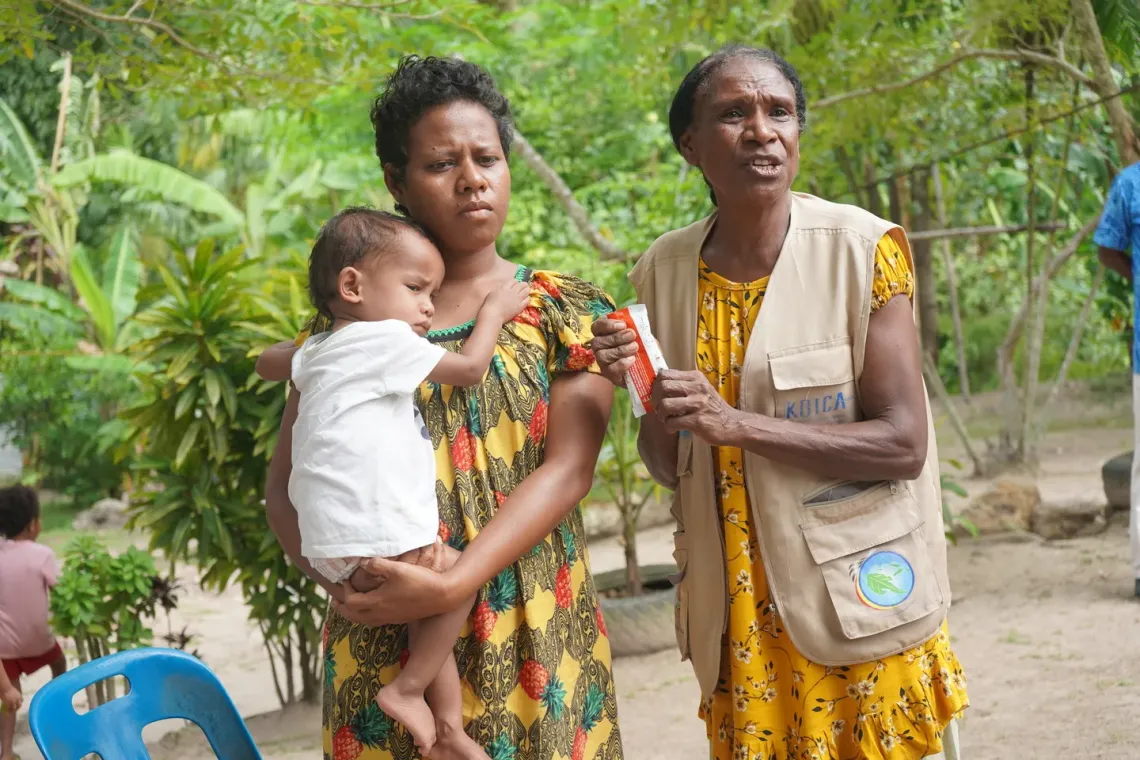
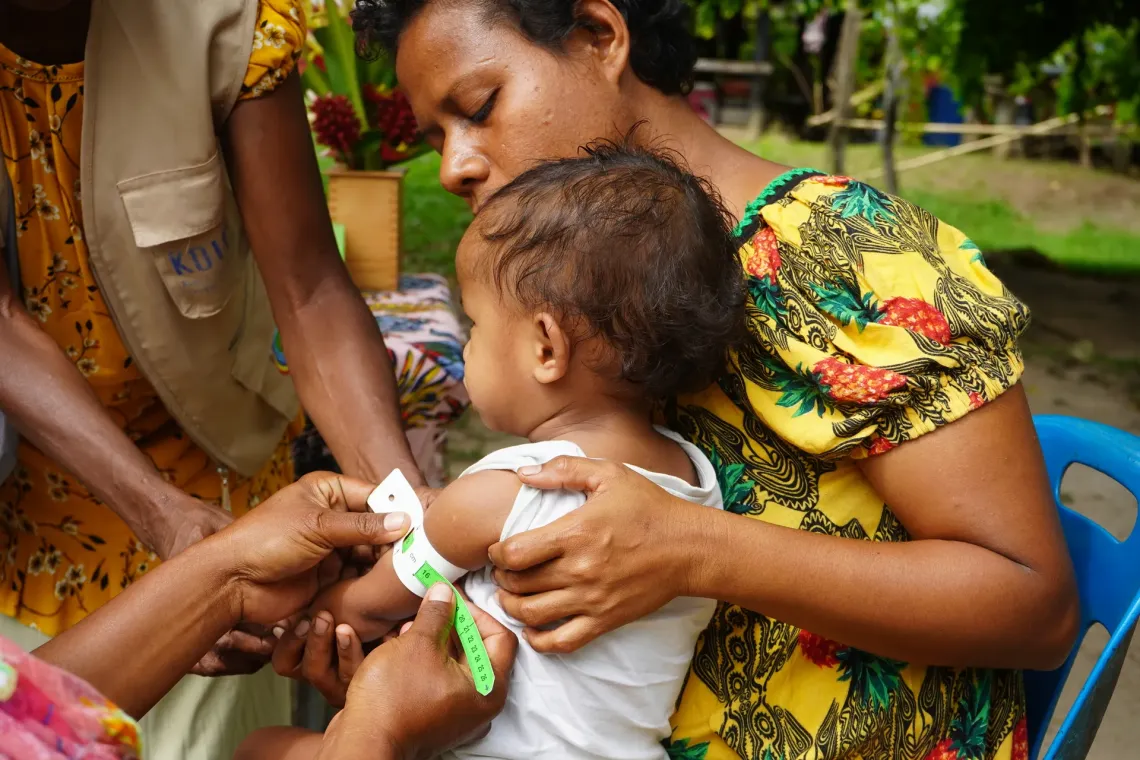
Having trained by UNICEF a few months earlier, the VHAs recognized the danger Vali was in and immediately referred him to the local health clinic. There, a health worker enrolled Vali in a nutrition programme and prescribed Ready‑to‑Use Therapeutic Food (RUTF), a fortified peanut paste packed with essential vitamins and minerals used to treat severe wasting.
His treatment was simple but lifesaving - four sachets of RUTF daily.
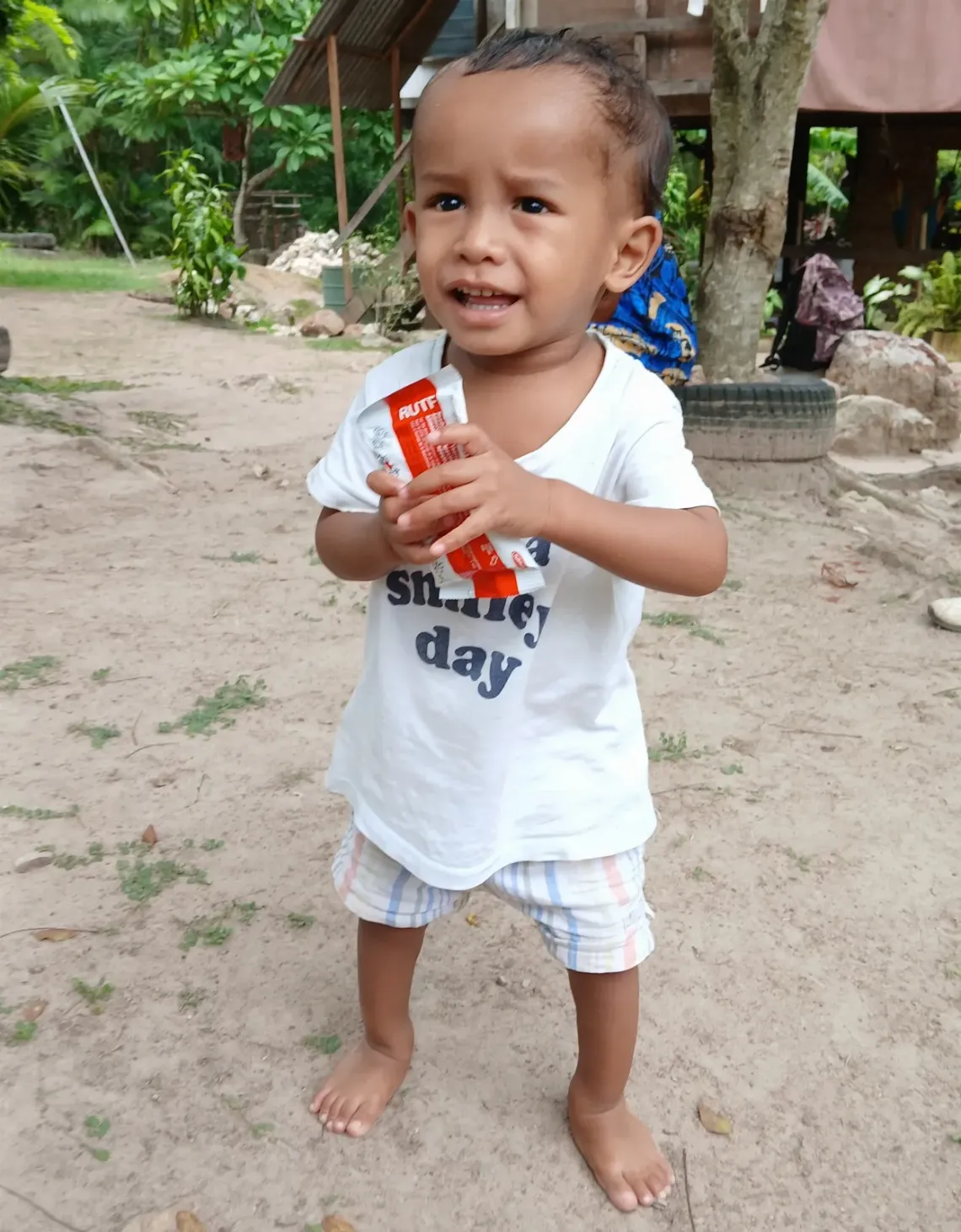
Vali’s father, Raga, is proud of his son’s recovery.
“All I want to say is thank you. This peanut paste is really helping my son, and as you can see now, he is able to walk. I am very happy.”
Vali is not an isolated case. Since beginning their work as VHAs in December 2025, Joan and Kila have identified ten children under five suffering from severe acute malnutrition, along with 15 others affected by moderate acute malnutrition in Kemabolo, their catchment area.
All these children started their RUTF journey as soon as they were identified and are on the path of recovery.
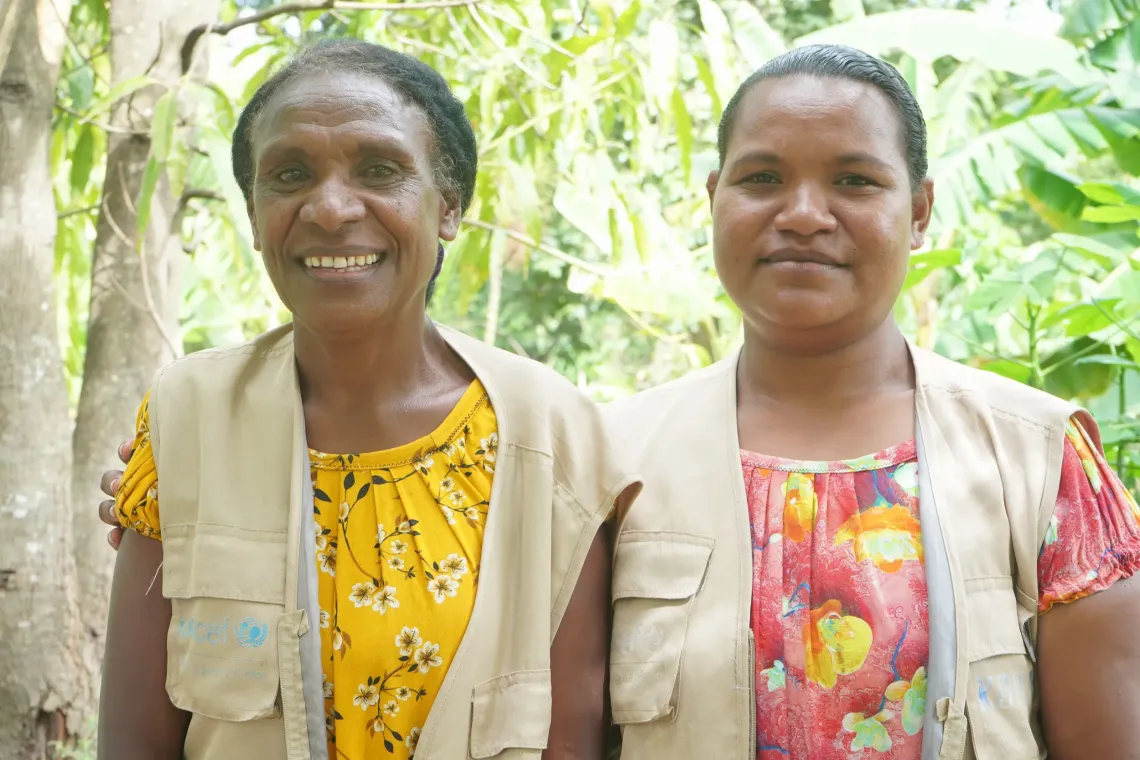
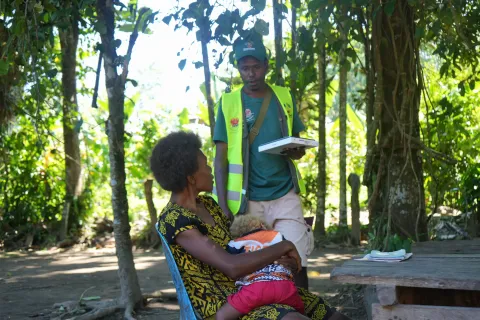
Kemabolo is a large and dispersed community made up of 280 households that are home to 120 children under the age of five. Joan and Kila have visited every household. Working closely with the health facility, they screen children for malnutrition, refer sick children to the health facility for care and regularly monitor recovery.
Their work is crucial. They are a vital link between families and the health system, helping ensure children are identified early, treated on time and supported through recovery. Without them, children like Vali might never be reached in time.
Joan and Kila are part of the Community Nutrition Action (CNA) programme in Kemabolo, which brings essential health and nutrition services closer to families in hard‑to‑reach areas. Through the programme, trained Village Health Assistants provide health education, preventive care, nutrition support for severely malnourished children, and referrals when further care is needed.
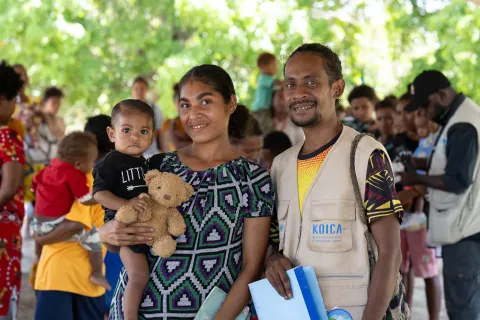
The programme, delivered through close collaboration with community and government partners, is funded by KOICA’s Climate Action for the Last Mile initiative. UNICEF provides technical support and works alongside the Central Provincial Administration and Central Provincial Health Authority. Sixteen trained VHAs in Rigo District currently help implement that CNA programme.