Youth at the Frontlines of Climate Action
KLIMAlikasan Kabataang Resilient Awards – Youth Organization Category
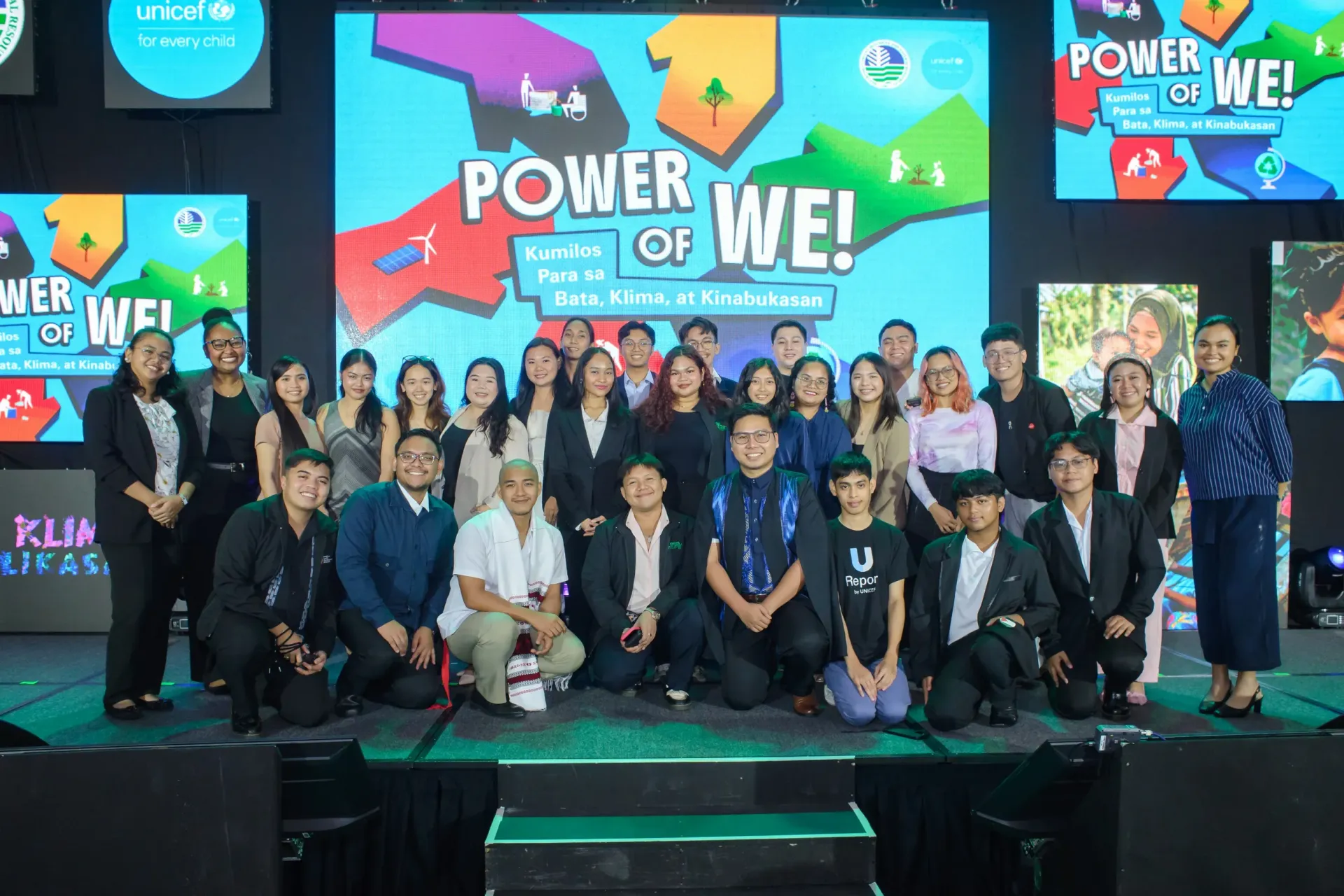
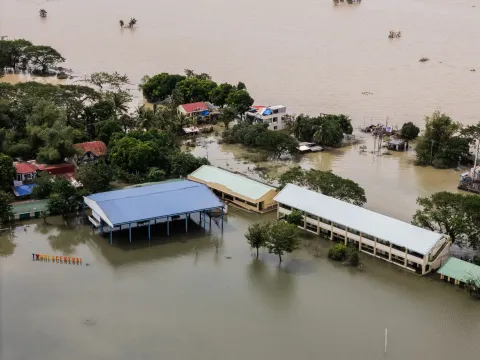
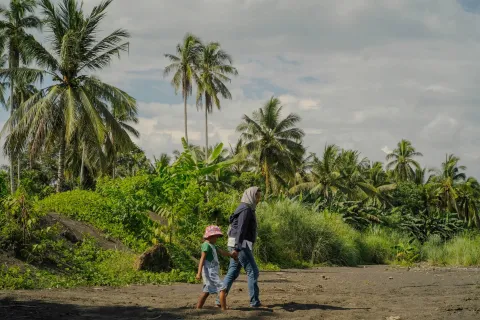
Climate change is not a distant risk for children and young people in the Philippines. It is a daily reality — shaping how they learn, move, play, and grow. Flooded classrooms, sinking coastal communities, plastic-choked waterways, and increasingly frequent disasters are part of the environments they navigate every day.
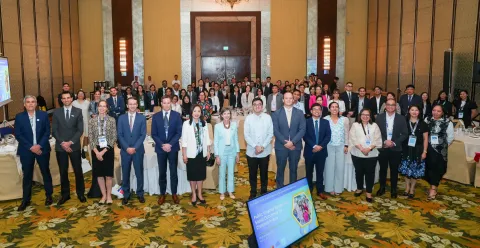
KLIMAlikasan: Mga Kwentong Kabataang Resilient was established with the Department of Environment and Natural Resources (DENR) to recognize these realities — and, more importantly, the young people who are responding to them with leadership, creativity, and resolve. Through the Kabataang Resilient Awards, a category introduced for the first time in 2025, KLIMAlikasan honours youth-led initiatives that strengthen community resilience, protect the environment, and place children at the centre of climate action. A key pillar in UNICEF’s work in climate change includes increasing participation of children and young people and improving their ability to cope with climate impacts.
The awardees in the youth organization category, demonstrate what becomes possible when young people are recognized not only as beneficiaries of change, but as their architects. Their work spans disaster preparedness, climate education, marine protection, and child-centred risk reduction — offering practical solutions rooted in local realities and driven by a deep sense of responsibility for future generations.
Environmental Science Student Society (EnviroSSS)
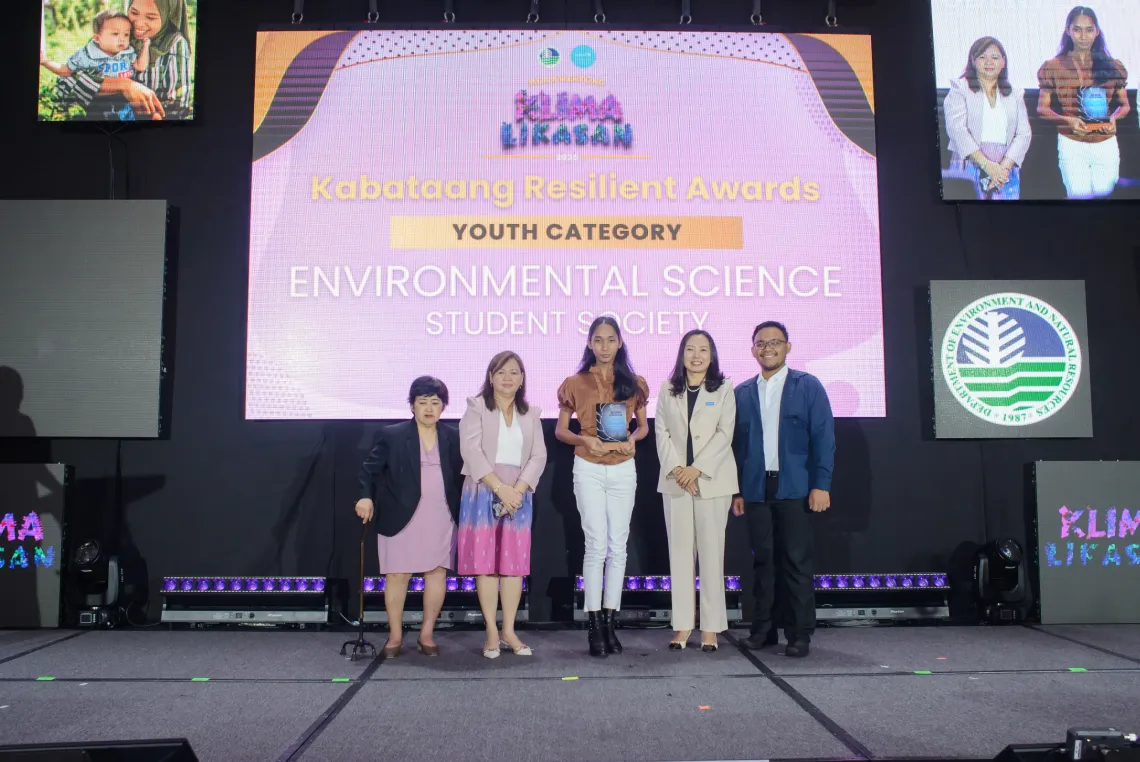
For EnviroSSS, resilience begins with knowledge — and with people who are informed, engaged, and empowered to act. Led by environmental science students in Bukidnon, the organization designed a comprehensive education and advocacy programme that brought climate awareness beyond academic spaces and into communities, schools, festivals, and online platforms.
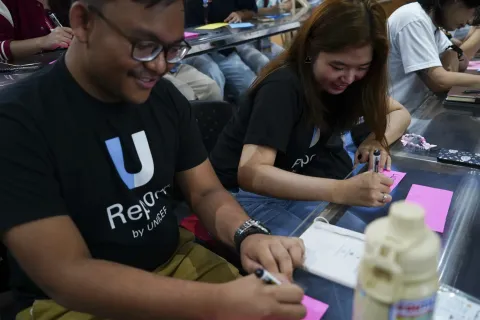
EnviroSSS organized eco-booths, school seminars, environmental debates, outreach activities in tribal schools, and digital campaigns that translated complex environmental issues into relatable, actionable learning experiences. Their initiatives encouraged participants to reflect on daily habits, understand climate risks, and identify practical solutions rooted in local contexts.


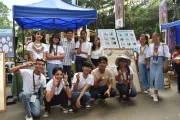
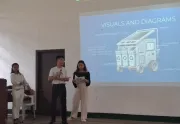

Building climate resilience is not only about systems and infrastructure — it is about educating, preparing, and engaging people.
Dyesabel Philippines
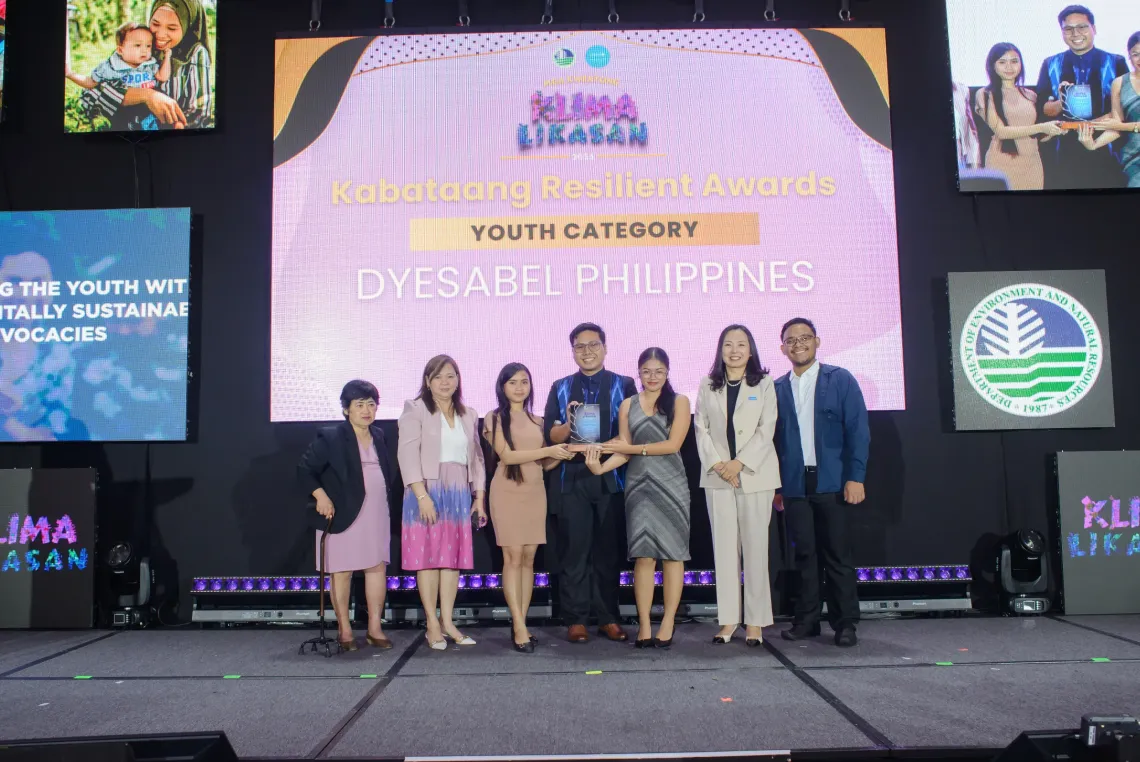
We learned that protecting the environment is not only about cleaning and planting — it is also about helping people live better and safer lives.
For Dyesabel Philippines, climate action began with what young people saw around them every day: polluted waterways, plastic-filled coastlines, and communities increasingly affected by flooding. Rather than turning away, they chose to respond.
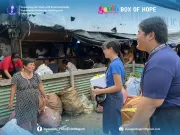
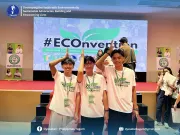
Through a series of youth-led initiatives — including coastal and river clean-ups, environmental education activities, and community support projects — Dyesabel Philippines connected marine conservation with social responsibility. Their work highlighted that protecting ecosystems and supporting people are inseparable goals.
One of the organization’s most impactful initiatives, project Katubo, used storytelling to reach younger audiences. Through a children’s storybook on ocean protection, youth volunteers helped children understand how everyday actions affect marine life — inspiring care, responsibility, and hope.


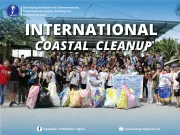


Small actions, when multiplied, can create waves of change for both people and the planet.
Passionate Youth for Islands
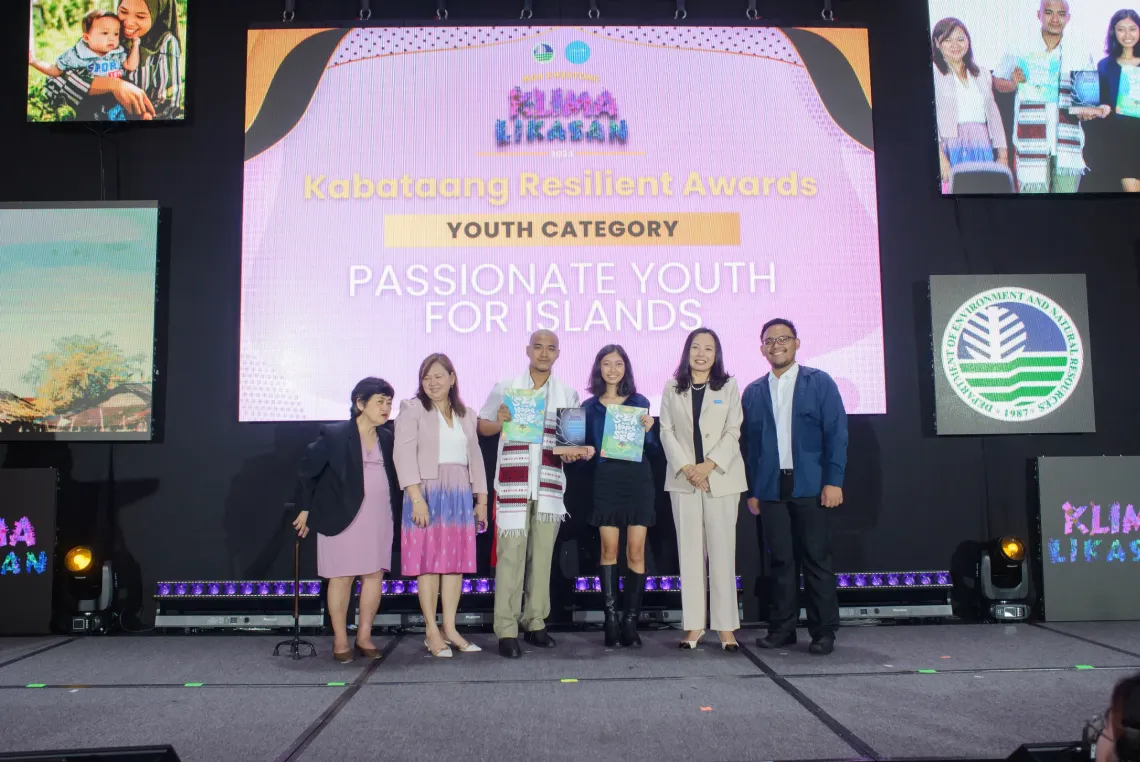
In the island barangay of Pamarawan, where rising sea levels and environmental degradation threaten livelihoods and cultural identity, project PARAW chose an approach grounded in creativity and care: storytelling.
Through the illustrated storybook “The SEA We Hope to SEE,” youth volunteers engaged children in conversations about mangroves, seagrass, coral reefs, and climate change. The project transformed scientific concepts into stories rooted in local culture, imagination, and lived experience — making environmental education accessible and meaningful for young learners.
When weather disruptions forced last-minute changes during implementation, the team adapted quickly — reinforcing the importance of flexibility and community connection in climate work. The project demonstrated that awareness begins with curiosity, and resilience grows when children feel heard and valued.



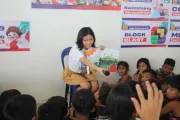
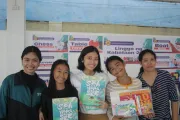

The children reminded us that young voices hold wisdom worth listening to — and that awareness begins with wonder. We wanted children to see the sea not just as a resource, but as something alive and worth protecting.
University of the Philippines Association of Civil Engineering Students (UP ACES)
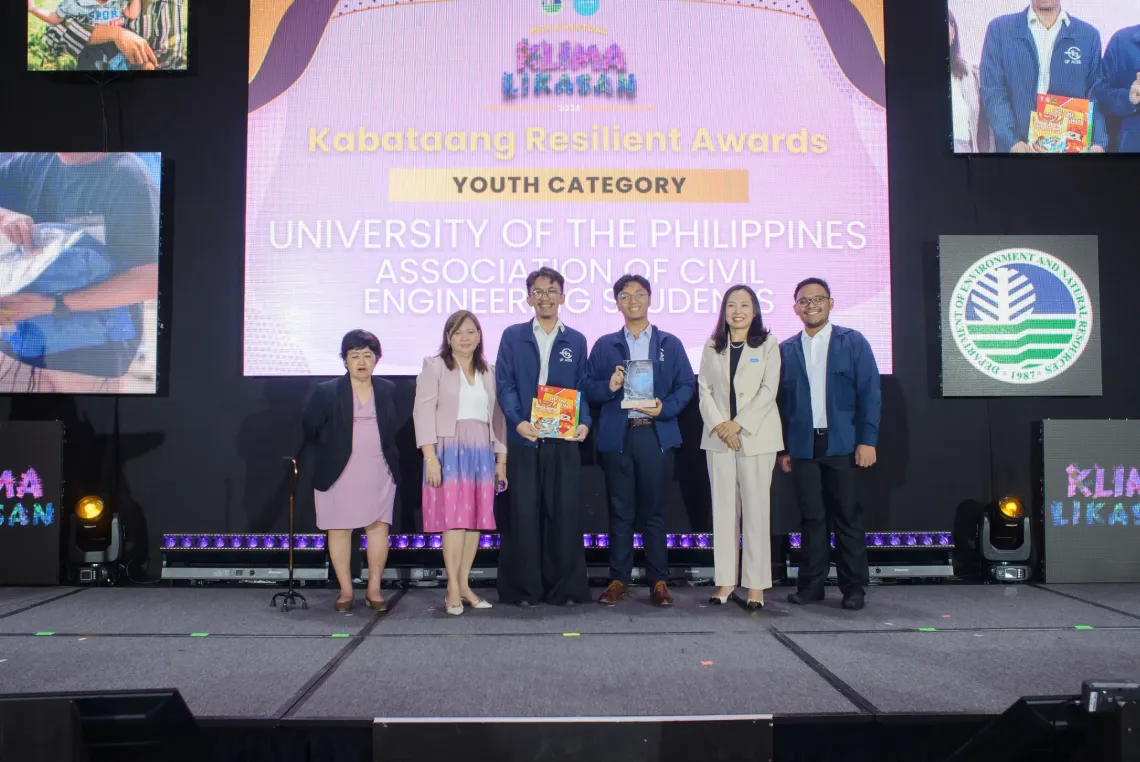
Disaster education often reaches communities only after loss has occurred. Project ALAS was created to change this narrative — by embedding disaster risk reduction education early, in ways that are engaging, age-appropriate, and empowering for children.
Led by civil engineering students, Project ALAS translates technical knowledge into interactive learning experiences for elementary students. Through simulations, dioramas, storybooks, videos, and emergency preparedness kits, children learn about hazards such as flooding and fire safety — not as abstract threats, but as manageable risks.
The project’s impact extends beyond classrooms. With growing partnerships with schools and local government institutions, Project ALAS is evolving into a replicable framework for child-centred disaster education — demonstrating how youth leadership and technical expertise can drive systemic change.


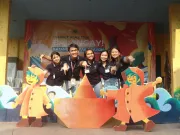
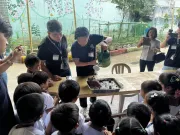

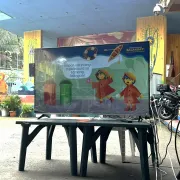
Project ALAS showed that preparedness is not something to fear — it is a form of strength and agency that can be learned early.
Youth leading the climate story forward
Together, these youth organizations show that resilience is built through learning, care, creativity, and collective action. Their stories reflect a shared commitment to protecting children, communities, and the environment — not in the future, but now.
Through KLIMAlikasan, these youth-led initiatives remind us that young people are not waiting to inherit the climate challenge. They are already leading the response.
These young leaders are already shaping safer, more resilient communities. Their ideas, courage, and commitment show what is possible when youth are empowered to lead climate action where it matters most. Discover their stories, learn from their solutions, and stand with young people as they protect their communities and their future — for every child.