Climate change is not waiting. Real life stories from the Philippines
Empowering children in the Philippines to claim their rights for a clean and healthy environment
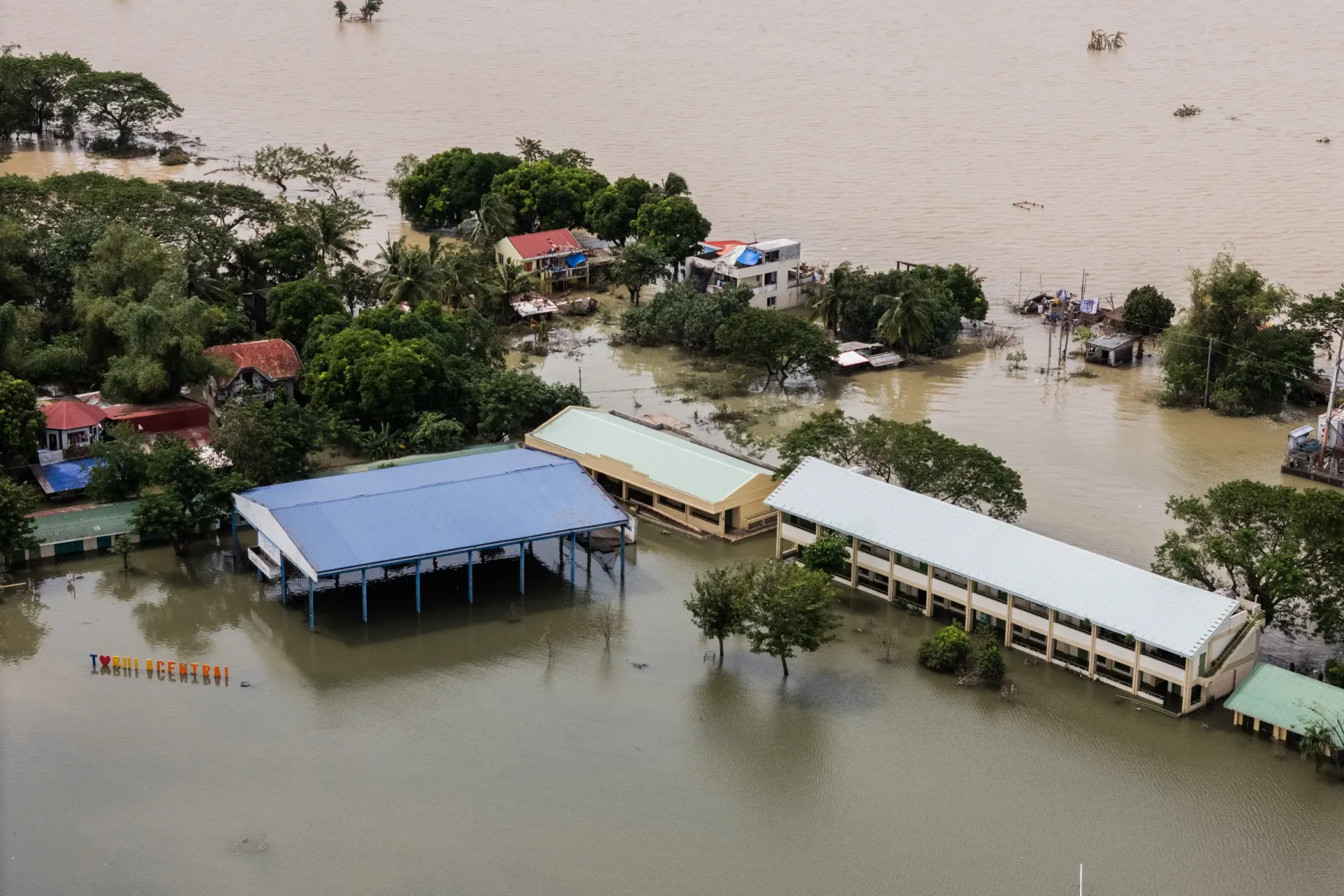
The numbers are stark. Climate change is no longer far‑off for children in the Philippines. It is shaping their days, here and now.
Almost every child in this archipelago —96 percent—faces more than one severe climate threat at once. Fiercer typhoons, floods, burning heat, dirty air, and a lack of safe water are now part of daily life. This puts the Philippines as the one of the most dangerous places in the world to be a child as far as climate risks are concerned. Again and again, these shocks force families from their homes and push children toward hunger, sickness, and fear. When crops fail—by as much as 98 percent in the worst‑hit areas—food runs short and malnutrition grows, hitting hardest the one in three children already living in deep poverty.
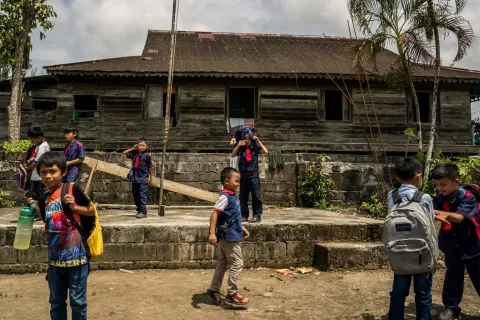
The climate crisis is also taking away children’s learning and peace of mind. In the 2023–2024 school year, storms and floods erased 32 school days, nearly a fifth of the year. Over the past decade, nine out of ten schools have been hit by disasters. When strong typhoons strike, lessons stop for more than 90 percent of students as classrooms flood or turn into shelters. Beyond lost schooling, repeated moves and packed shelters raise the risk of violence, abuse, and deep mental stress.
And yet, the truth is best heard through lived stories.
Cromwell, Andrew, Kiana, Nicole, Paul, and Koko—young climate justice activists—spoke of how climate change has marked their lives and left lasting wounds in their memories.
Nicole’s earliest memory is from when she was just three years old. She remembers the night the typhoon came, its howling winds filling the dark. She sensed how serious it was when her grandparents took her upstairs to hide with their dogs. By morning, water covered everything. The crops were gone. Silence amid fear struck.
Paul was nine when Typhoon Yolanda struck in 2013 and took more than 6,000 lives. He recalls the fear, but also the childlike thrill of being locked in a dark room with thirty others. Their farm was destroyed. Days dragged on empty with no school and no power for months and months.
Kiana turned sixteen as fierce winds tore through her town. She worried not only for herself, but for children with disabilities like her—children with nowhere safe to go when storms hit.
Their voices are calm, yet firm. They carry both anger and worry. They know climate change is not waiting for talks or promises. Stronger typhoons will come, and they will cost lives and scar young minds forever.
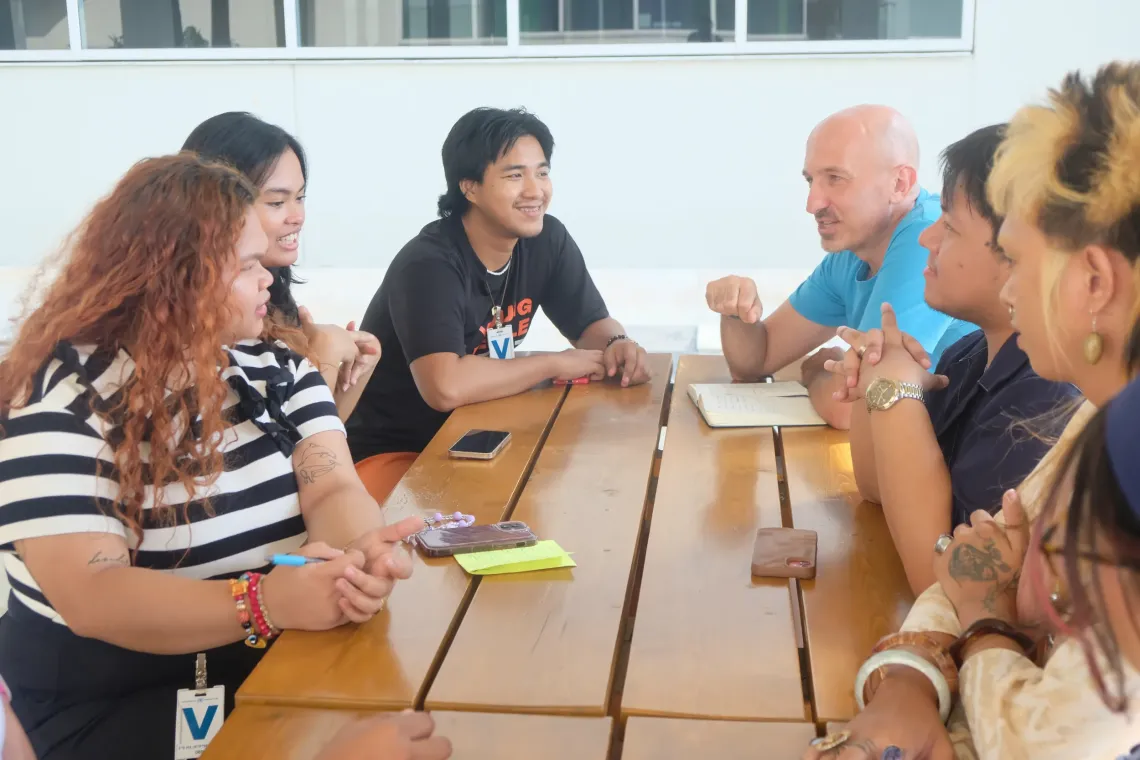
Hope alone is not enough. Now is the time to act.
With the strength and courage of Cromwell, Andrew, Kiana, Nicole, Paul, Koko—and many others—UNICEF Philippines is moving ahead to make sure every child can claim the right to a clean and healthy environment. A new carefully tailored project will help children stand up for this right—not someday, but now.
Through a well‑shaped set of joined actions, children and young people will be guided step by step as they grow into their voice and empower them to claim their rights.
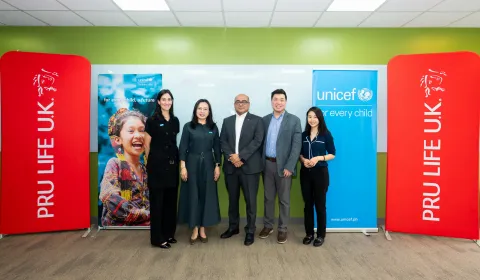
Over the next three years, with the generous backing of Treehouse Investments, children and youth across the Philippines will receive steady, hands‑on support to turn their rights into something real, not just promised. As part of this work, they will take part in focused training on their rights, working side by side with courts and legal experts, and learning how vital children are to building a fair and caring world—today and in the years ahead.
Along the way, they will draw strength from the powerful example of a noted Filipino lawyer Antonio Oposa, whose landmark 1993 Supreme Court case upheld the right of children—and those yet to be born—to a clean and healthy environment. That ruling, known around the world, laid the ground for fairness between generations in environmental law.
We look forward accompanying children and youth in this exciting and important journey. There is no time for complacency.
Climate change isn’t waiting and why should we?
The project is supported by Treehouse Investments.