Where did their voices go? 4,000 young perspectives on participation
How insights from children and youth helped inform efforts to strengthen participation in the Philippines
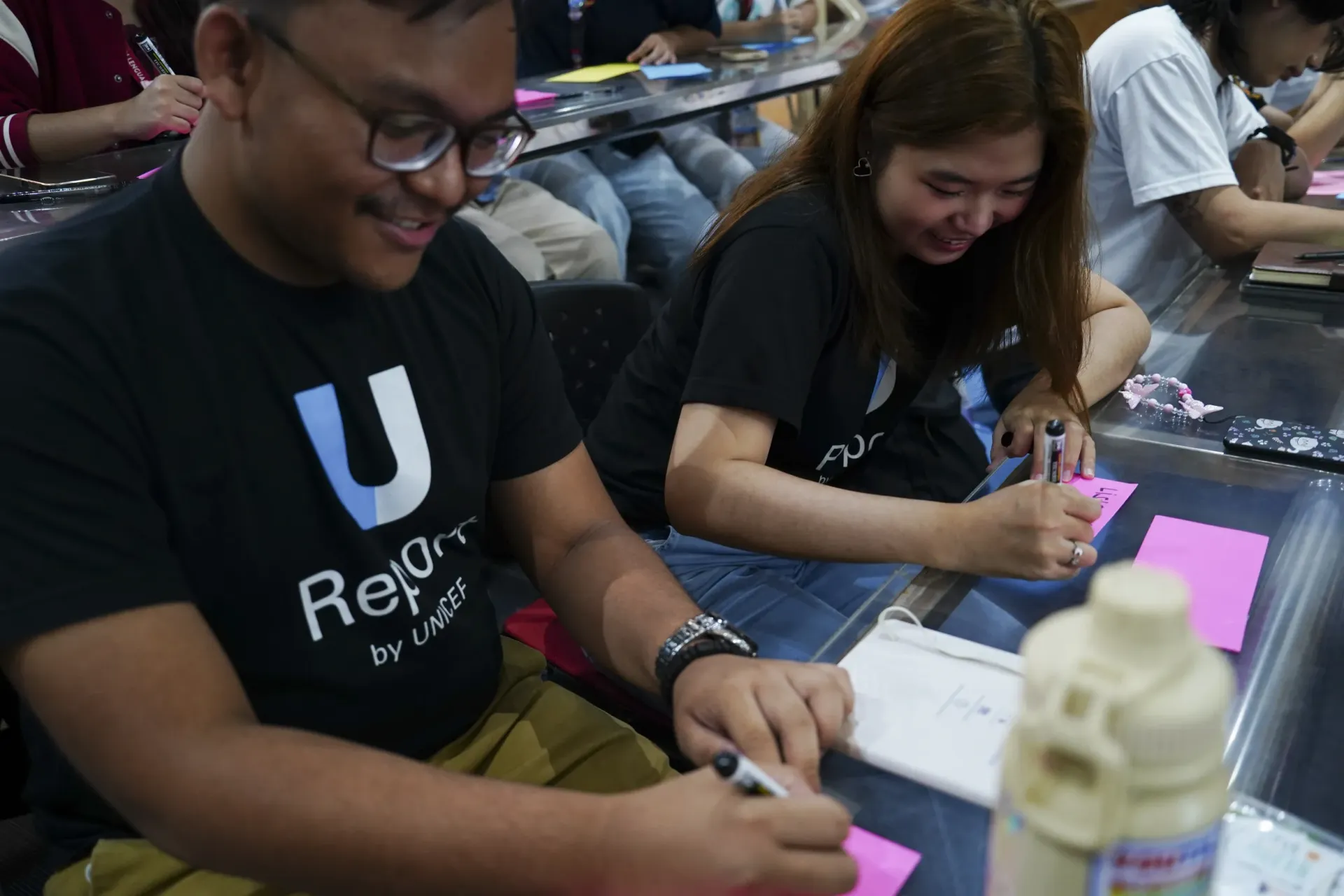
A year after around thousands of young people across the Philippines shared their views through a nationwide U-Report poll on children and youth participation, their voices continue to echo in ongoing national conversations on how children and adolescents are meaningfully engaged in decision-making.
The 2025 U-Report poll, which gathered insights from over 4,000 respondents aged 13-30, explored how children and young people experience participation at home, in school, and in their communities, as well as the barriers that shape whether they feel heard, included, and able to influence decisions.
Findings showed that 85 per cent of respondents are aware they have the right to freely express their views and be taken seriously by adults, though some are still unsure what this right fully means. At home, 62 per cent said their opinions are considered in decision-making, while nearly two in five reported limited influence or that their views are rarely sought.
In school or work settings, 77.5 per cent said they have opportunities to share their thoughts in a safe environment, but about one in five still feel unsafe or unsure how to participate. At the community level, participation was less consistent: only 35 per cent said they are invited and actively involved in discussions or activities, while a similar share said they have not been invited at all.
Key barriers included discomfort in speaking up (36 per cent), not feeling heard (14 per cent), and not feeling included (8 per cent). Many young people also said they express themselves through friends, youth groups, or creative outlets like music, writing, and art rather than formal decision-making spaces.
Overall, these insights point to a continued gap between awareness of participation rights and the lived experience of having those voices meaningfully shape decisions in everyday spaces.
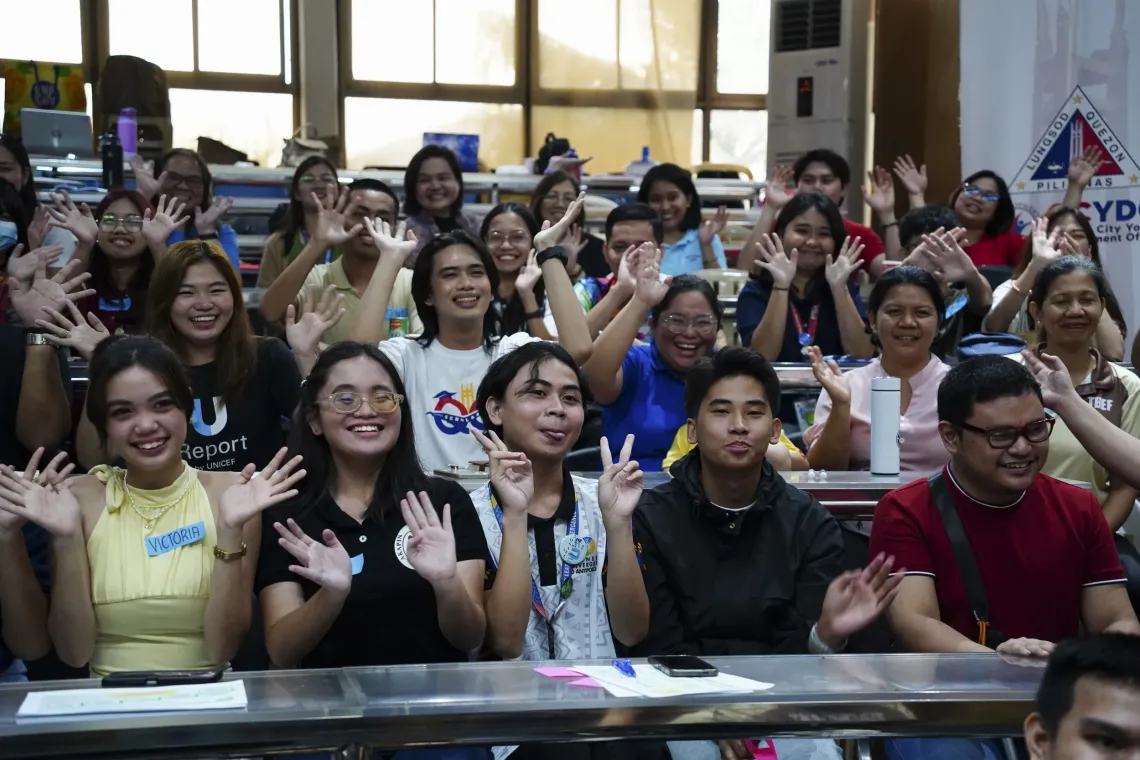
From youth voices to shared frameworks
The insights from the poll are among the inputs that were considered in the ongoing development of the National Harmonized Framework to strengthen approaches to children and youth participation in the Philippines.
UNICEF Philippines supports the development of National Harmonized Children and Youth Participation Framework through the leadership of National Committee on Children and Youth Participation, with member agencies including the Council for the Welfare of Children, Department of Education, and the National Youth Commission, and other civil society organizations.
The initiative responds to the long-standing need to align different approaches to child and youth participation across sectors and define more consistent understandings of what meaningful participation can look like in practice.
The framework is currently in its final stages of refinement, following a series of validation sessions with both children and young people, as well as adult stakeholders from different parts of the country. It is expected to be introduced in the coming months as a shared reference point for strengthening participation practices nationwide.
Importantly, U-Report findings from the 2025 poll are reflected among the evidence considered in the process. This illustrates how young people’s digital participation continues to contribute to shaping how participation is understood and strengthened over time.
In addition, the pool also informed the inclusion of participation-related questions in the upcoming Annual Poverty Indicator Survey (APIS) that will pave the way to getting nationally representative data on participation.
A growing feedback loop
Taken together, the process reflects a gradual strengthening of the feedback loop between young people’s voices and national-level efforts on participation. Digital platforms such as U-Report have played a role in enabling large-scale expression of youth perspectives, particularly on issues that affect their everyday lives.
There are still gaps in ensuring participation is consistent, safe, and meaningful across all spaces, but youth voices continue to be part of how more responsive and inclusive approaches are taking shape. Still, this is a win for children and young people in the Philippines.