Washing Away Worries
How a Day Care Worker’s Persistence Helped Bring Water and Hope to a Remote Community
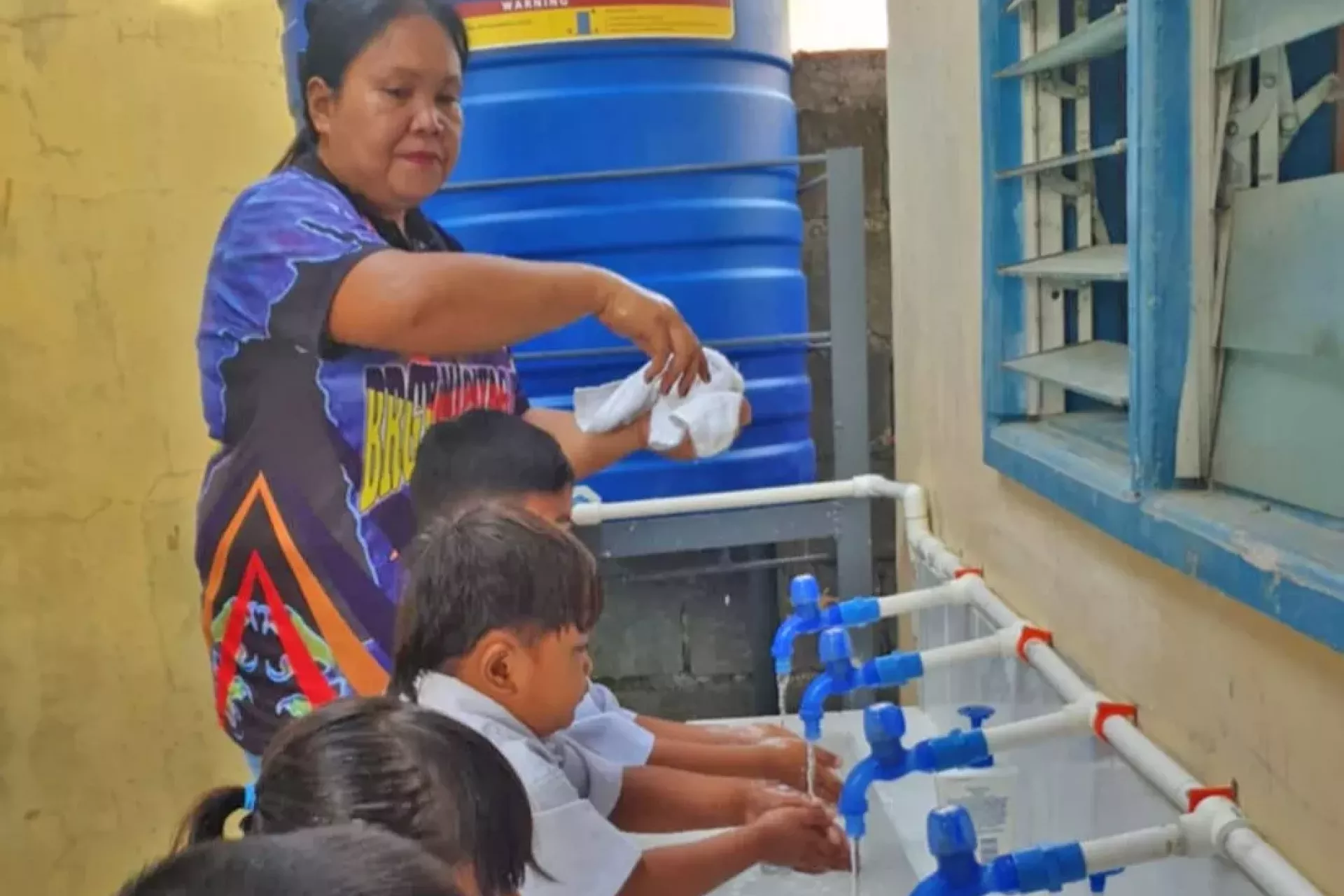
Datu Anggal Midtimbang, Maguindanao del Sur ─ For eight years, Tarhata Watamama has served as the daycare worker in Barangay Mapayag with patience, commitment, and an unshakable belief in every child’s right to learn and grow in a safe and healthy environment.
At 40 years old, she currently teaches 32 daycare learners (12 boys and 20 girls) in a daycare center where limited services and structural gaps pose daily challenges. One of her long-standing struggles had been access to clean water.
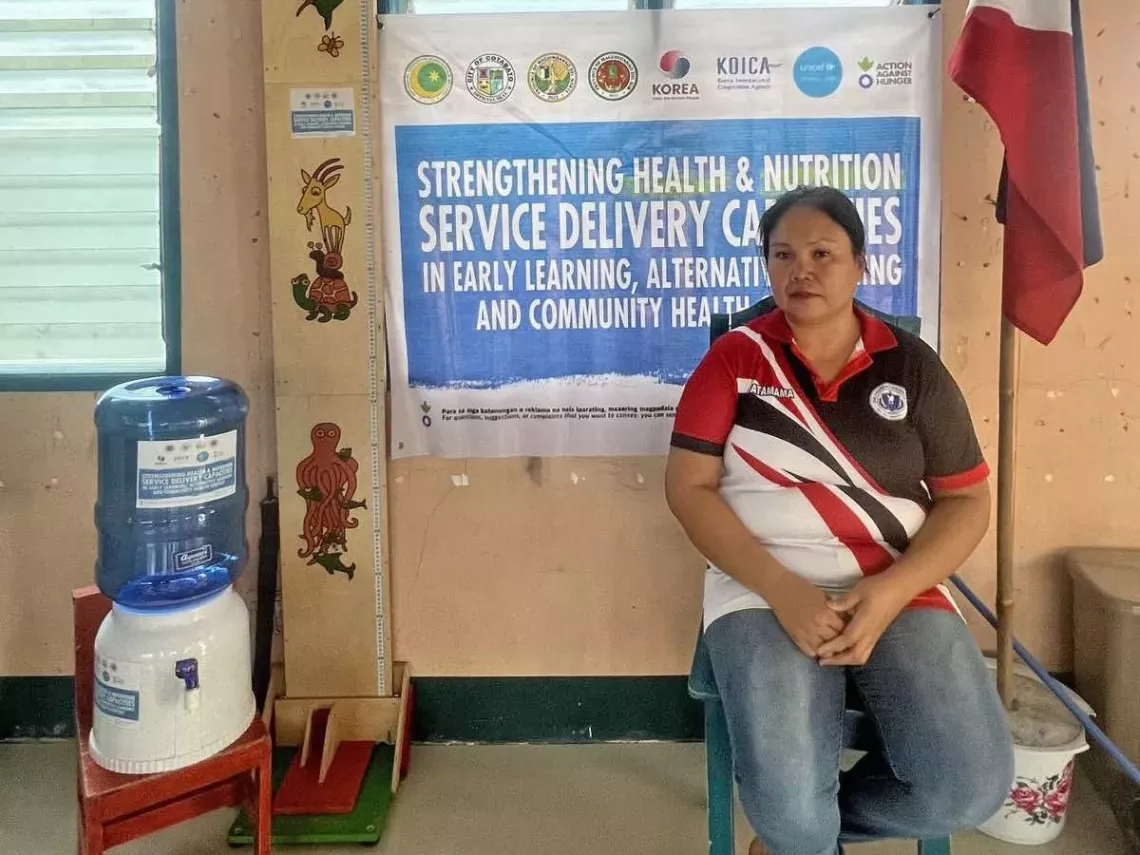
“Mula po nung nasira ang aming handwashing [facility], hindi na po nakakapaghugas ng kamay ang mga bata tuwing may klase. Minsan po ang mga magulang ng mga bata ay nag-iigib ng tubig sa mga kapitbahay,” she explained.
While the barangay local government unit (BLGU) has been supportive in trying to meet the center’s needs, the lack of a functioning water supply system and adequate sanitation and hygiene facilities remained unresolved for a long time. Water had to be fetched from nearby homes and stored for use in washing and cleaning the daycare center, making daily hygiene activities difficult.
“Hindi talaga kami makapaghugas ng kamay nang maayos. Wala rin kaming mga gamit tulad ng sabon, panlinis, o kahit timba.”
With no anthropometric tools of their own, growth monitoring, which is essential for tracking the physical development of young children, was also hampered. Tarhata had to borrow tools such as height boards and weighing scales from the nearby barangay health station (BHS), just to fulfill her responsibilities as an early childhood care and development (ECCD) worker.
But things started to change when the center was selected as one of the beneficiaries of the “Strengthening Health and Nutrition Service Delivery Capacities in Early Learning, Alternative Learning, and Community Health” project.
With funding from the Korea International Cooperation Agency (KOICA), Action Against Hunger and UNICEF aims to improve access to health, nutrition, water, sanitation, hygiene (WASH), and education services for over 20,000 people in the Bangsamoro Autonomous Region in Muslim Mindanao (BARMM) through this project. With a special focus on young children, pregnant & lactating women, and persons with disabilities, the initiative is strengthening the capacity of 19 health and learning facilities across the region.
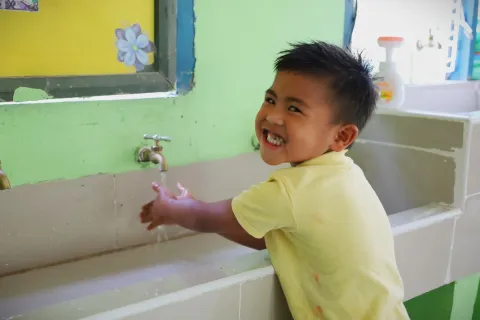
Following a series of consultations with the MSSD and the Municipal Government of Datu Anggal Midtimbang and joint technical assessments by Action Against Hunger and UNICEF, critical WASH and nutrition-related interventions were carried out at the daycare center. These included the repair of the water supply through the installation of a water pump, which was then piped directly to the daycare center’s toilet and a newly constructed handwashing station. A rainwater catchment system was also installed to further enhance water availability. In addition, the handwashing facility was improved, and the daycare center was provided with essential supplies and materials for hygiene, sanitation, and nutrition—including soap, pails, drinking water containers, cleaning materials, and growth monitoring tools such as a height board and weighing scale.
Napakalaking tulong po talaga itong ginawa po ni UNICEF at Action Against Hunger sa aming daycare center. Ngayon, di na kami mahihirapan. May tubig na po, may hugasan ng kamay. Bago mag-recess pinapahugas ko na ang mga bata.
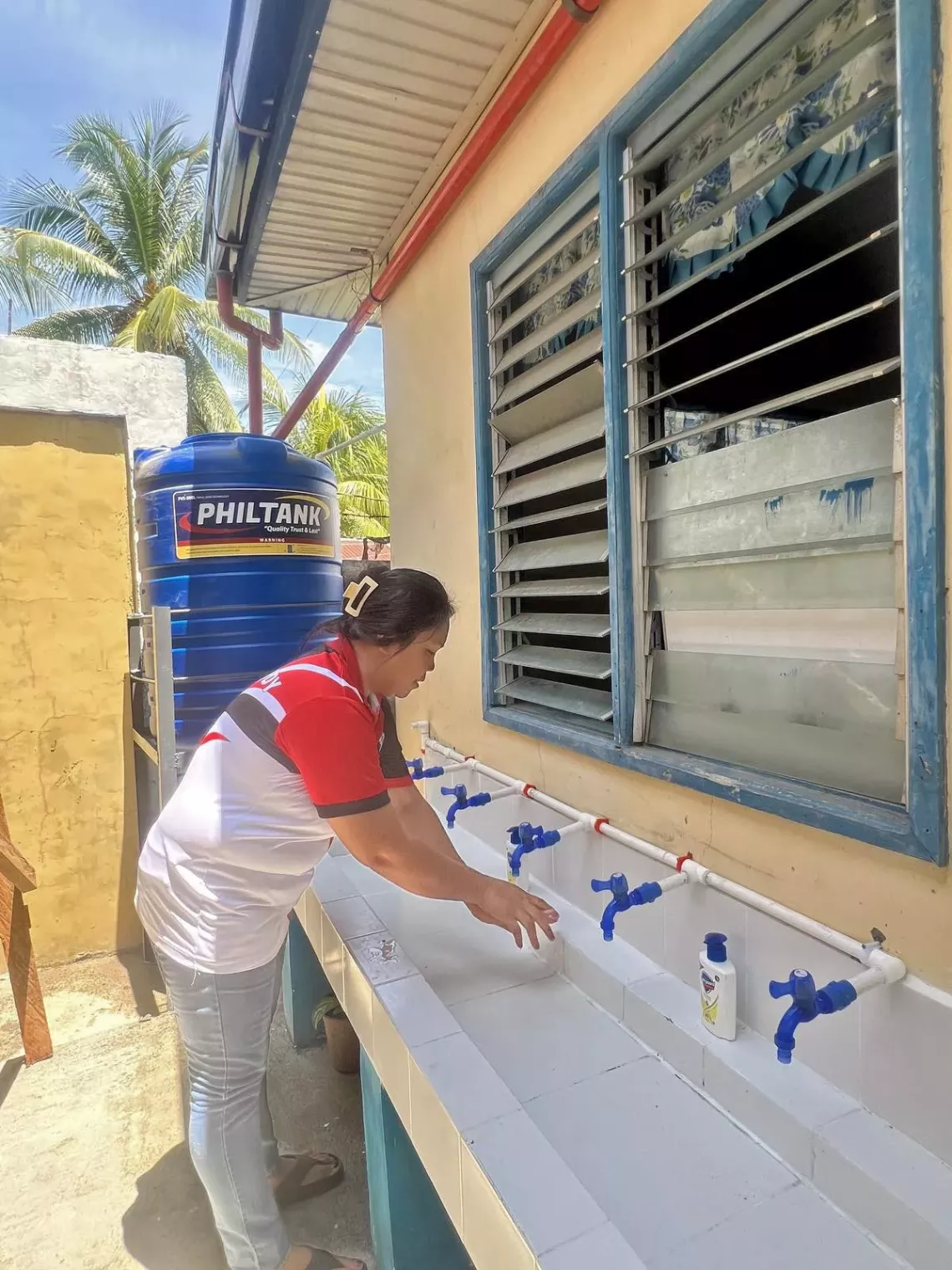
With access to water restored, Tarhata immediately began integrating proper hygiene practices into daily routines. The children, she noted, were more than willing to embrace the change.
“Nakakatuwa nga po dahil sa meron nang maraming tubig, handwashing area, at mga sabon, ang mga bata ay nag-eenjoy at gusto laging maghugas ng kamay,” she added.
The impact goes beyond just hygiene. The daycare center also received height boards and weighing scales, allowing Tarhata to carry outgrowth monitoring on site. Parents no longer need to fetch water every morning. hildren no longer need to leave the daycare premises just to wash up, which helps reduce potential risks and disruptions during class time.
“Isa din po sa pinasasalamatan po namin ay yung mga gamit tulad ng timba, lalagyan ng inuming tubig, sabon, at gamit panlinis. Lalo na po ang height board at timbangan. Wala po kaming kakayahan na bumili ng mga ito. Kaya salamat po talaga sa Action Against Hunger at UNICEF,” she emphasized.
For Tarhata, this is more than an improvement in infrastructure—it is an investment in dignity, safety, and opportunity.
“Sana po itong project ay marami pang matulungan na daycare centers at daycare workers,” she said hopefully.
Her story is a powerful example of how the right support, provided at the right time, can uplift not just a center or a worker—but an entire community.
The “Strengthening Health and Nutrition Service Delivery Capacities in Early Learning, Alternative Learning, and Community Health” project is implemented by Action Against Hunger together with UNICEF, thanks to the funding support of the Korean government through the Korea International Cooperation Agency (KOICA).