Caring for the land that nourishes our children
How stronger local action is empowering indigenous communities and supporting every child’s right to nutrition
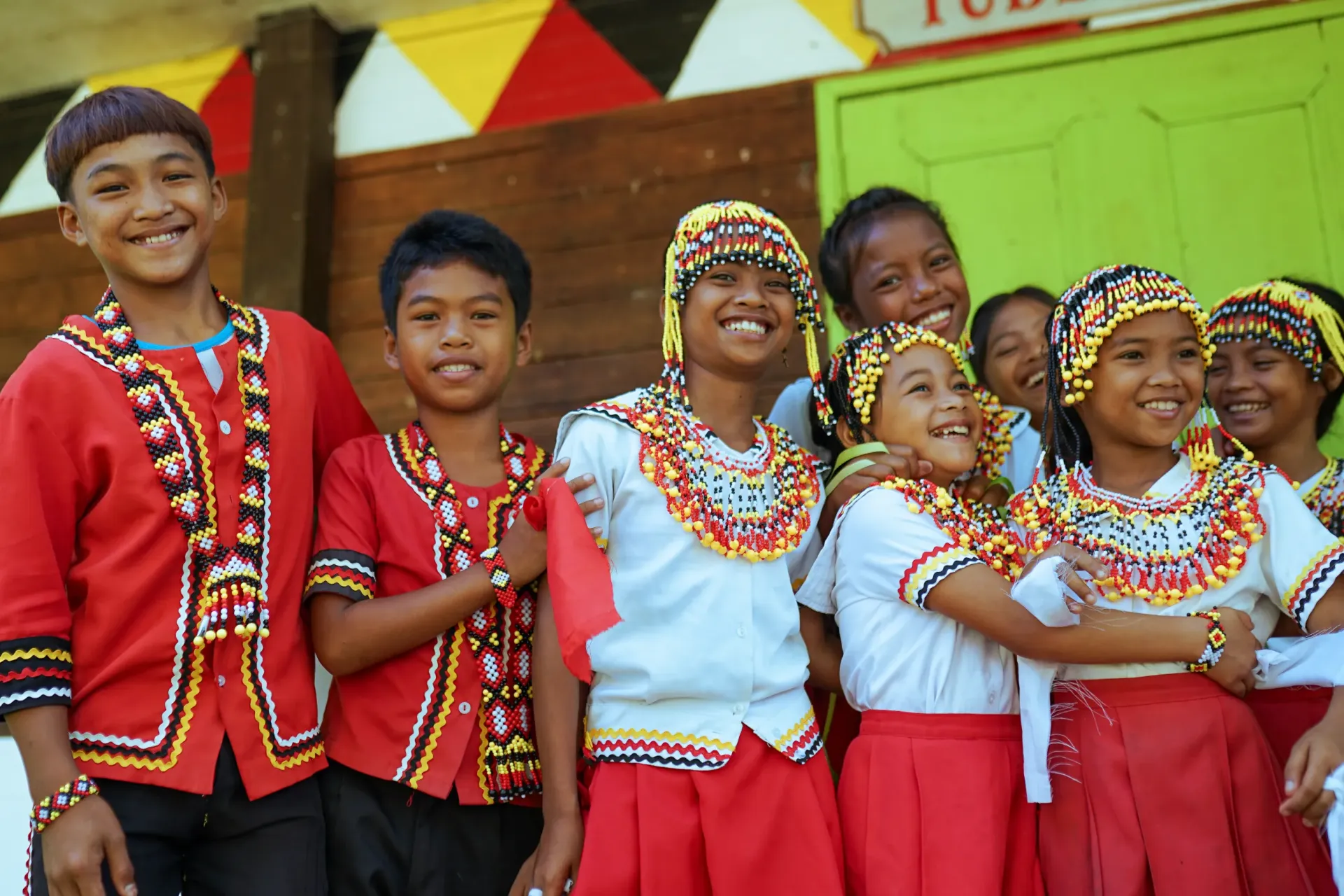
Every child deserves the right to nutritious food and the care they need to grow up healthy. Yet for many families, especially those far from town centres and health facilities, keeping children well-nourished depends on whether nutritious food is available at home and whether health workers can reach mothers and children early.
In San Miguel, Surigao del Sur, this is the reality for many Manobo families. The Manobo are among the Indigenous Peoples (IP) of Mindanao, with communities whose daily life remains closely tied to the land they farm and the food they are able to grow.
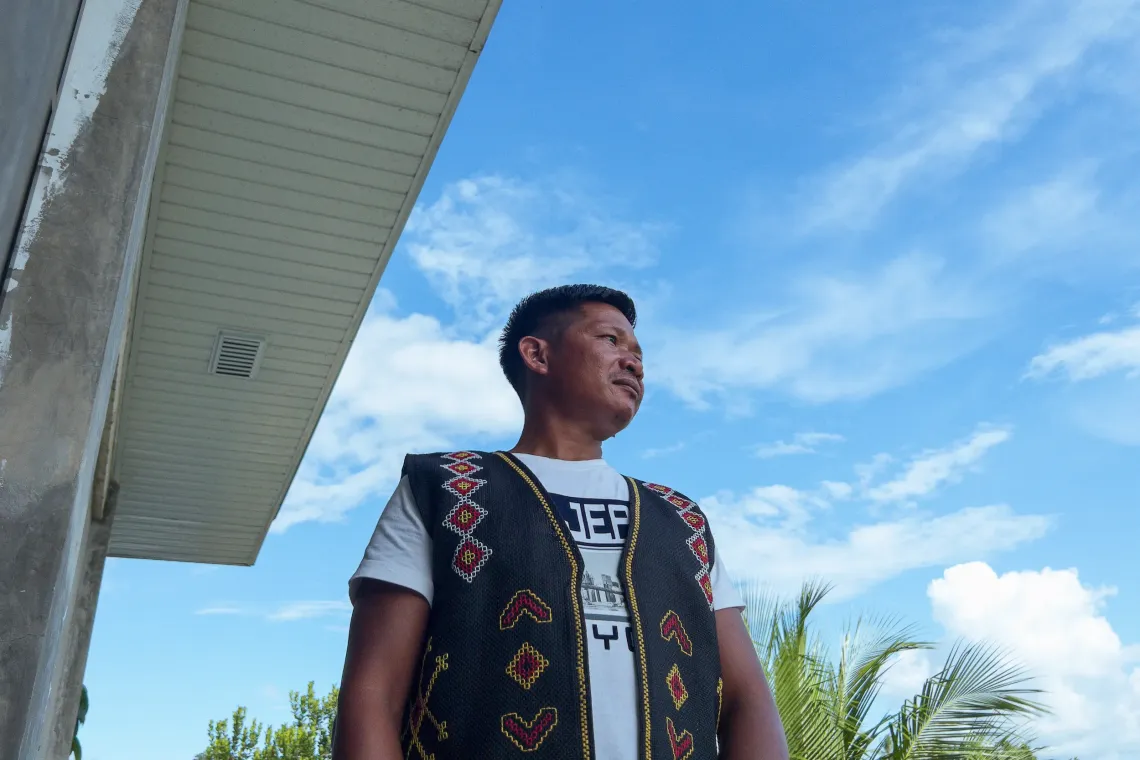
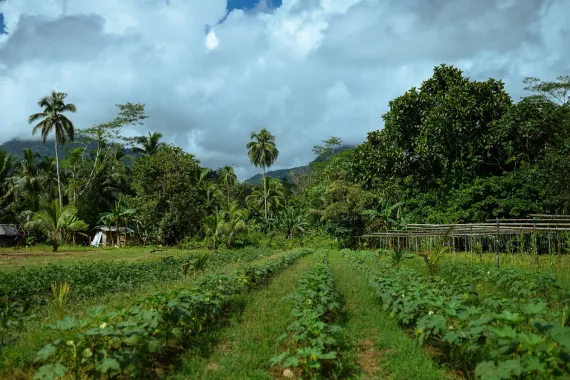
Datu Winnie, a Manobo leader in San Miguel, says families care for the land because it is sacred and because it gives them food that keeps the body strong. Before planting, they ask permission and pray for a good harvest. “The land is our life and our nutrition,” he says. After harvest, they give thanks.
For families, this belief has practical meaning. Food from the land is food for the household. Datu Winnie says root crops such as kamote are usually grown to be eaten rather than sold. If there is more than the family needs, it may be exchanged for rice or used to buy basic goods. But its first purpose is to feed the community.
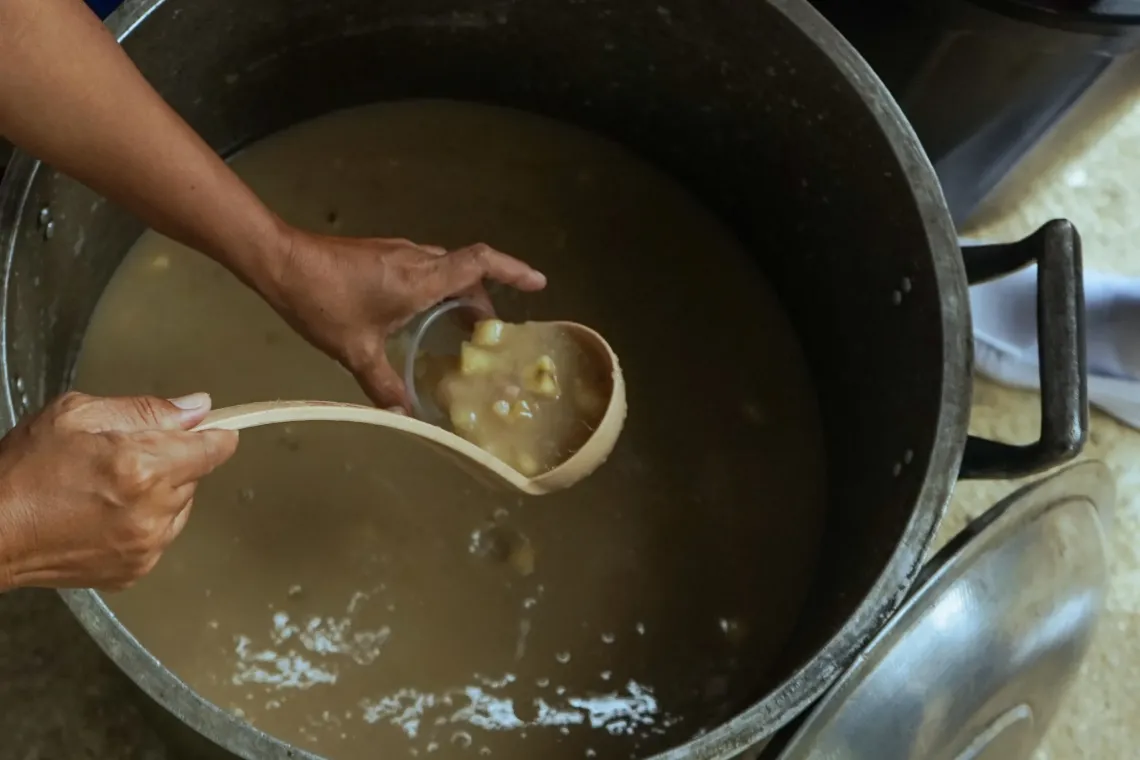
Food from the land, however, is not always available when families need it. The Philippines is constantly exposed to severe weather conditions like typhoons and floods which can contaminate water sources and make food more expensive. Without clean sources of water, parents have fewer ways to prepare meals safely and protect their children from illness.
Poor harvests can also affect food sources especially in farming communities. Drought from long periods of heat and little rain can leave the soil too hard for root crops to thrive. This means that families lose food for the household and a source of income or exchange for other basic needs.
Traditional food practices remain important for keeping food sources sustainable and helping communities use knowledge that has sustained them through difficult seasons. In places where climate-related events can affect the food that families harvest, these practices can also help support children’s nutrition.
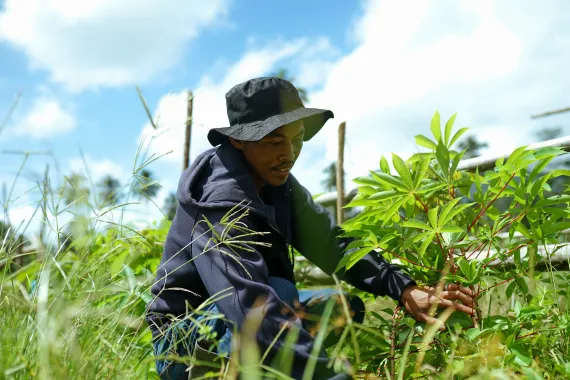
For Ericson Tomian, a father and barangay kagawad in San Miguel, the garden is also a way to help other families. Parents in the community need vegetables, he says, and what he grows can help them bring food home without buying everything from outside. “That is why I try to keep a vegetable garden,” he says.
At the same time, responsive and quality services are also important for ensuring children can grow up healthy and well-nourished. Through the Philippine Multisectoral Nutrition Project (PMNP), local governments are being supported to plan nutrition services with the people they serve. Especially in IP communities, this means consulting leaders, involving local workers who speak the language, and carrying out activities in ways that respect local traditions and practices.
In San Miguel, this means working with IP leaders before activities are introduced and involving local workers who speak the language, so services can reach sitios far from the town centre.
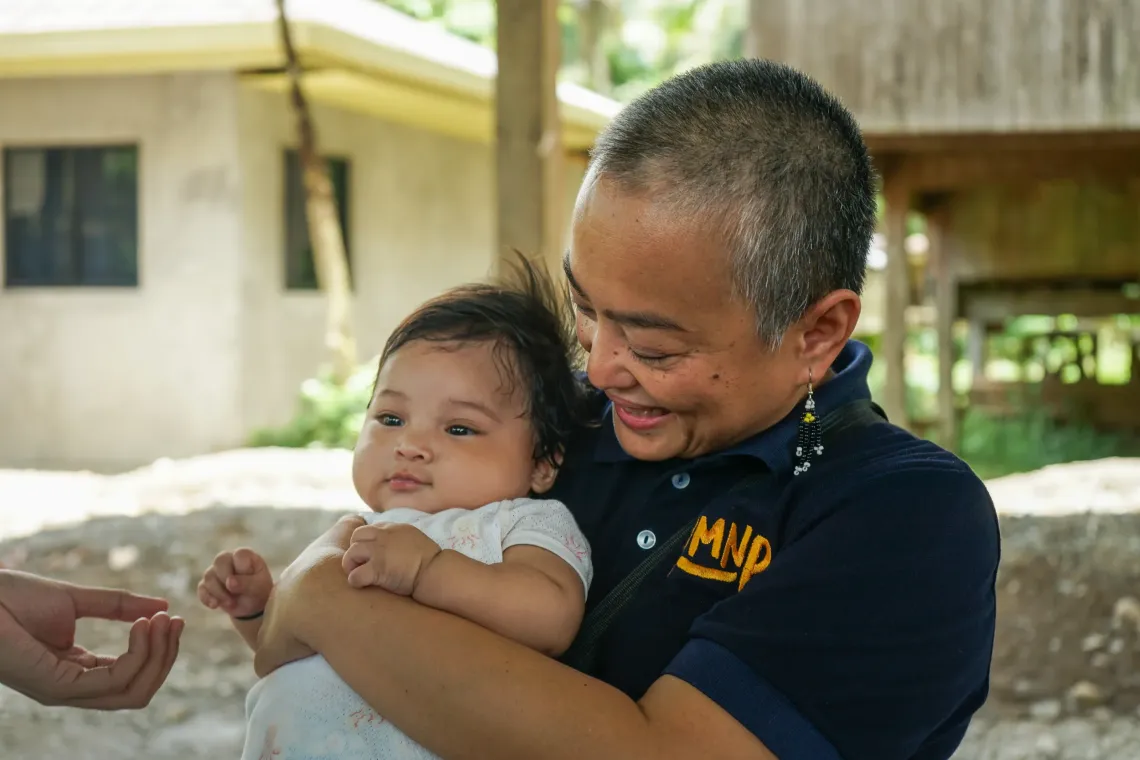
Michelle May Amamio, Nutritionist-Dietitian of the Department of Health Center for Health Development in Caraga, says work forums and discussions with IP leaders help teams understand what support families need and how activities can be carried out while respecting local traditions, beliefs and practices.
When activities are planned this way, services become more reliable for families. Guidance on pregnancy, breastfeeding, feeding and child care reaches mothers through local workers who speak their language and understand the community.
For Michelle, one of the clearest changes is that IP communities are starting to receive services that had been harder to reach before.
“More families are starting to access health and nutrition services because of the project,” she says.
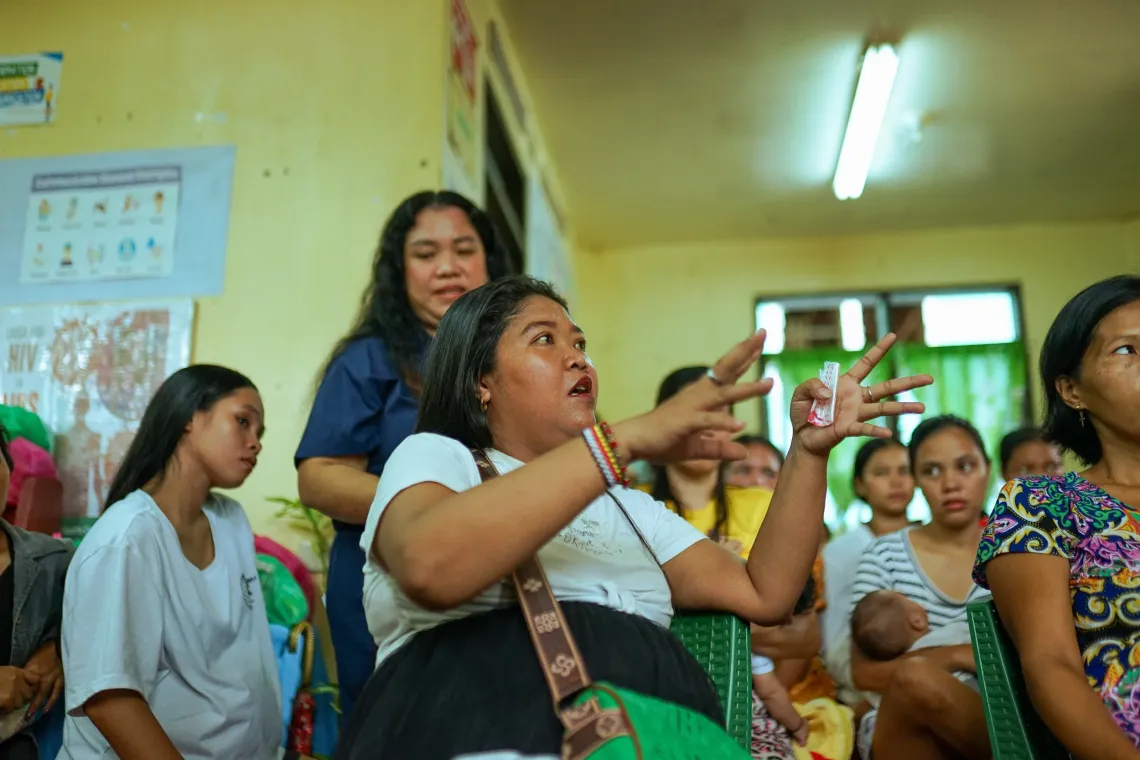
Especially during the first 1,000 days of life, timely support can help ensure that mothers and young children receive the support they need when it has the greatest impact on a child’s growth and development.
Through PMNP, UNICEF supports the Department of Health in helping local governments reach communities with quality nutrition services that are planned with the people they serve and respectful of local traditions, beliefs and practices, so every child can receive support early and grow healthy and well-nourished.
UNICEF, through the Philippine Multisectoral Nutrition Project (PMNP), is dedicated to ensuring all children receive nutritious diets, essential nutrition services, and nurturing care during their First 1,000 Days and beyond. With $178 million from the World Bank, the project works with local governments in 275 municipalities across Luzon, Visayas, Mindanao, and the Bangsamoro Autonomous Region in Muslim Mindanao. The Department of Health and the Department of Social Welfare and Development are leading this project to provide a coordinated package of nutrition services and promote healthy practices at the household level to improve nutrition for every child.