

For children in Wao, a simple tap helps create healthier schools
This World Water Day, a simple tap from UNICEF helps children in Wao, Lanao del Sur build healthier habits at school
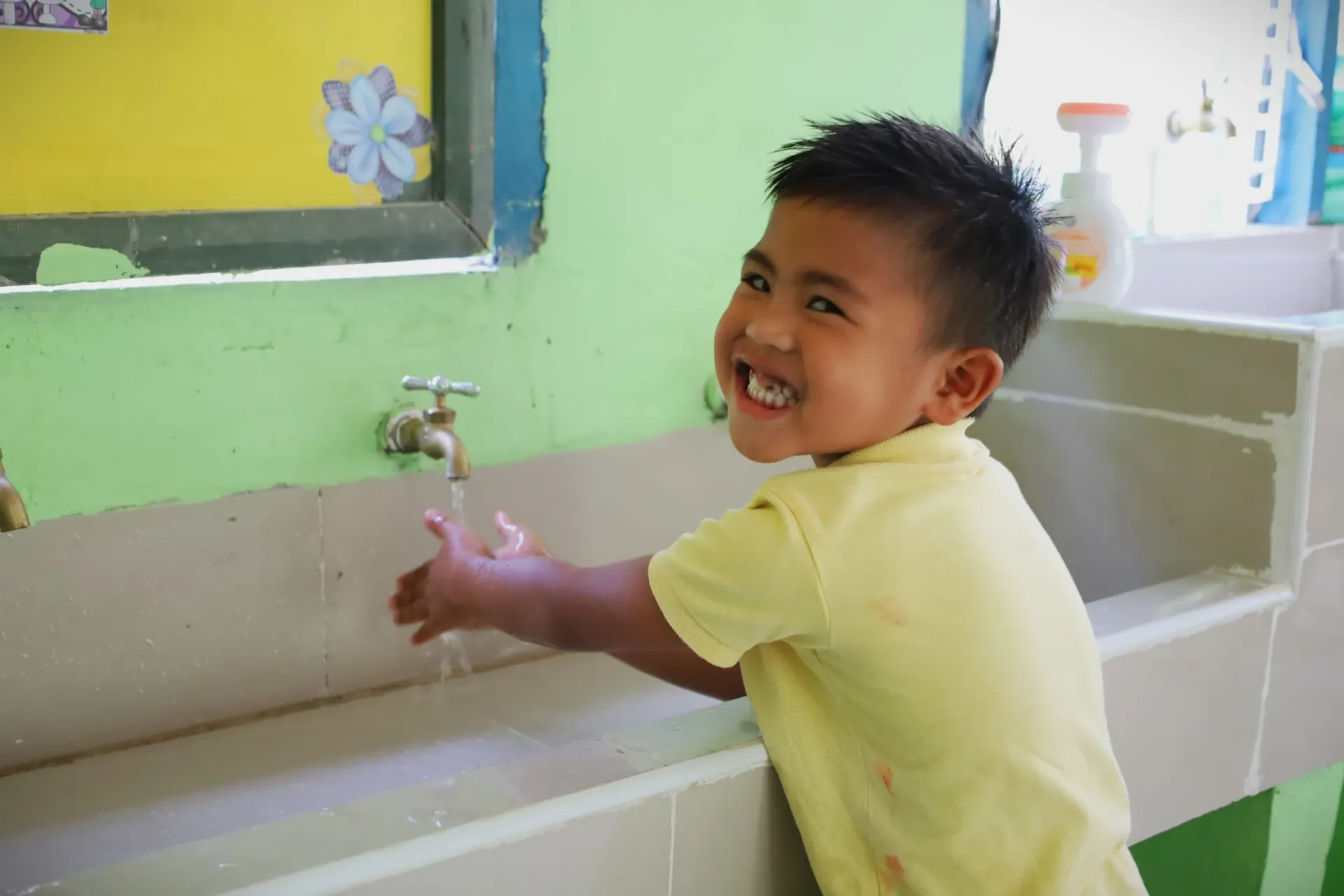
Every morning, young children gather at the day care center in Barangay Manila Group in Wao, Lanao del Sur, ready to begin their lessons. They sing songs, share snacks, and spend the day learning alongside their classmates.
But for years, simple routines such as washing hands before meals or brushing teeth after snacks were difficult to practice.
“We did not really practice handwashing before because we had no water facility. I even asked parents if we could have a small handwashing area just so the children would have somewhere to wash,” said Teacher Mary Joy Balondro, a day care worker in the community.
Teaching children proper hygiene early in life can significantly reduce their risk of illness and help them develop habits that protect their health as they grow, according to UNICEF and the World Health Organization.
Yet around the world, many children still lack access to basic hygiene facilities in schools. Globally, two out of five schools still lack basic handwashing facilities, affecting around 818 million school-age children.
In the Philippines, access to clean water has improved in recent years, with about 91 per cent of the population having basic water access, but gaps remain in many communities. In the Bangsamoro Region, only 69 per cent of families have access to water.
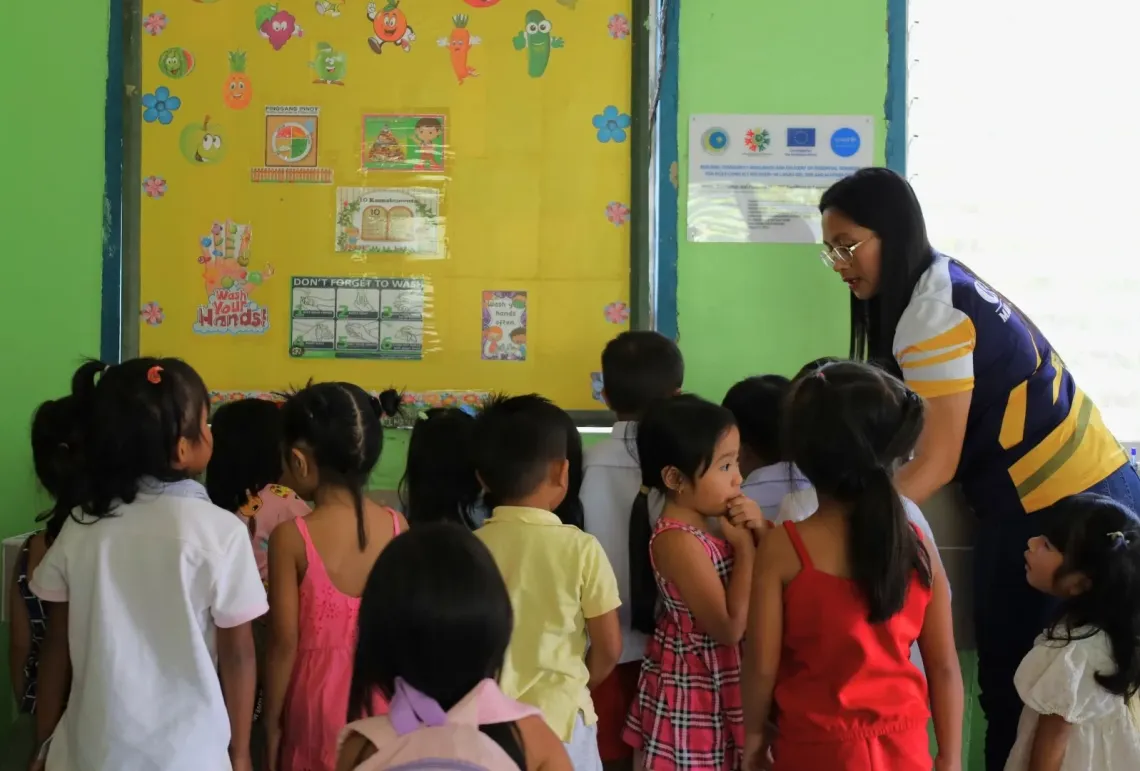
For teachers in Barangay Manila Group, these challenges were once part of everyday school life. Without proper handwashing facilities, teachers and parents had to improvise to help children maintain basic hygiene in the classroom.
For Teacher Rodalyn Bandianon, also a day care worker in the community, the lack of facilities meant getting creative with whatever materials were available.
“I even became a carpenter there. I made a small sink myself just so the children would have a place to wash their hands,” she said with a laugh.
Whenever leftover construction materials were available from barangay activities or repairs, Teacher Rodalyn would collect them and use them to build a simple washing area.
“We really tried to make something work,” she said.
Despite these efforts, the makeshift facilities were not always enough to support consistent hygiene practices among young children. Teachers continued to encourage handwashing and cleanliness, but the lack of proper infrastructure made it difficult to sustain these routines.
In 2025, UNICEF visited the community and identified day care centers for WASH support. With support from the European Union and the partnership with the Ministry of Social Services and Development (MSSD), child-friendly sinks and improved sanitation were installed, along with hygiene kits for children.
With these facilities in place, children can now wash their hands, brush their teeth, and learn healthy habits in a safe and clean environment.
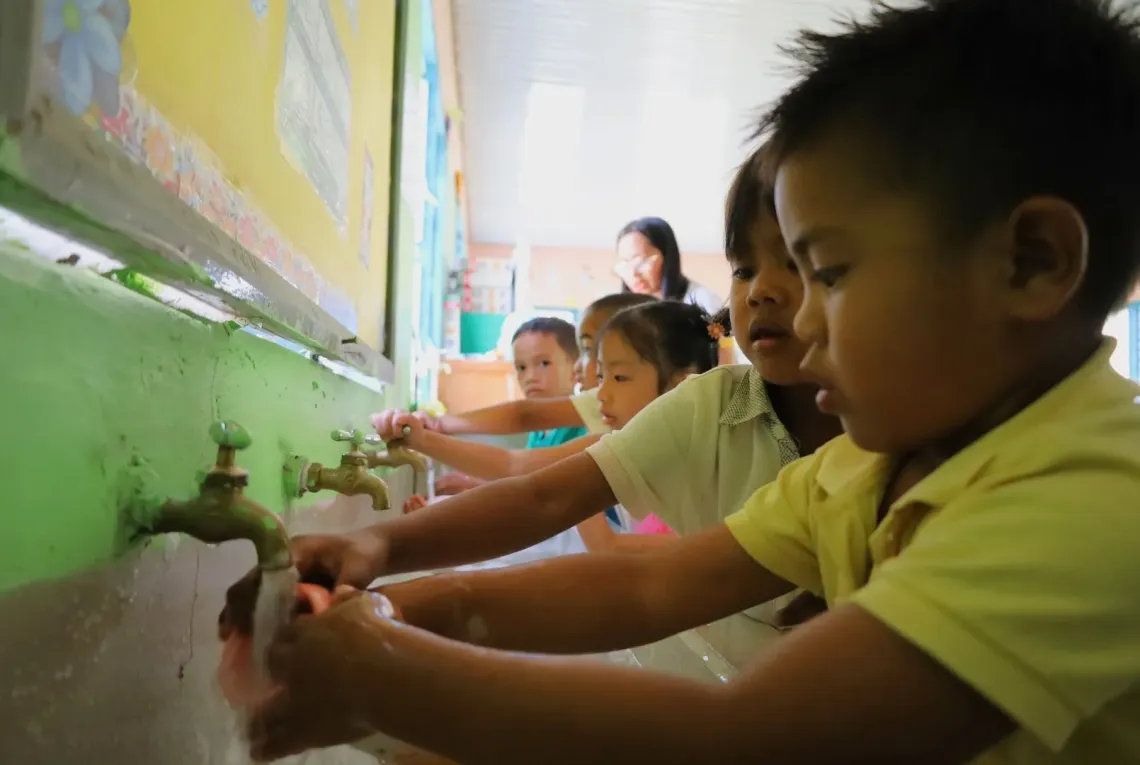
By ensuring that young children have a clean and safe environment where they can practice good hygiene, we help protect them from preventable diseases and support their ability to learn and grow.
For teachers like Mary Joy and Rodalyn, the improvements have made it easier to guide children in practicing good hygiene every day. Now, handwashing has become a regular part of the children’s daily routine in the classroom.
“After recess, when we play the ‘wash your hands’ song, the children immediately line up at the sink one by one. I always remind them to wash their hands before and after eating so the germs can be removed,” Teacher Mary Joy said.
The new facilities have also made it easier for the children to practice other hygiene habits, such as brushing their teeth after meals.
“Before, when we talked about toothbrushing, the children had to do it outside and they would get wet because there was no proper place for them to brush,” she said.
Climate change is also disrupting water access, with typhoons and floods damaging water systems and increasing health risks for children.
Teacher Rodalyn added that having proper handwashing facilities has become even more important as the effects of a changing climate affect daily routines in the community.
“With changing weather and heavy rains, it becomes even more important that children have a safe and clean place where they can wash their hands,” she said.
For Analiza, whose four-year-old son Adam attends the day care center, the improvements have brought reassurance.
“Now that they already have a proper place to wash their hands, I feel more at ease knowing that my child can stay clean and safe even when he is away from home,” she said.
Adam himself has already learned an important habit.
I always wash my hands so I won’t get sick.
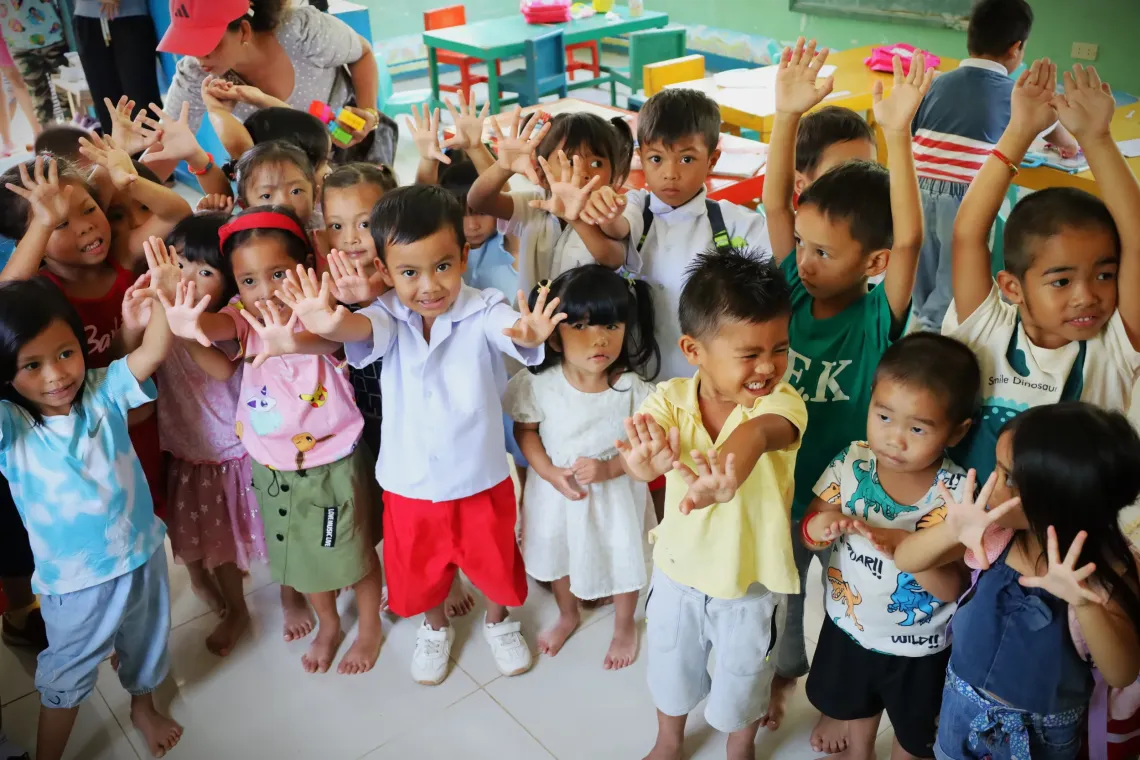
By providing safe water and proper sanitation facilities, children are able to practice healthy habits that protect their wellbeing and support their early learning.
As communities around the world mark World Water Day, children at this day care center in Wao show how something as simple as access to water can make everyday school life healthier, safer, and more supportive for young learners.


