A Safer Space to Speak
Bringing child protection services closer in Wao, Lanao del Sur
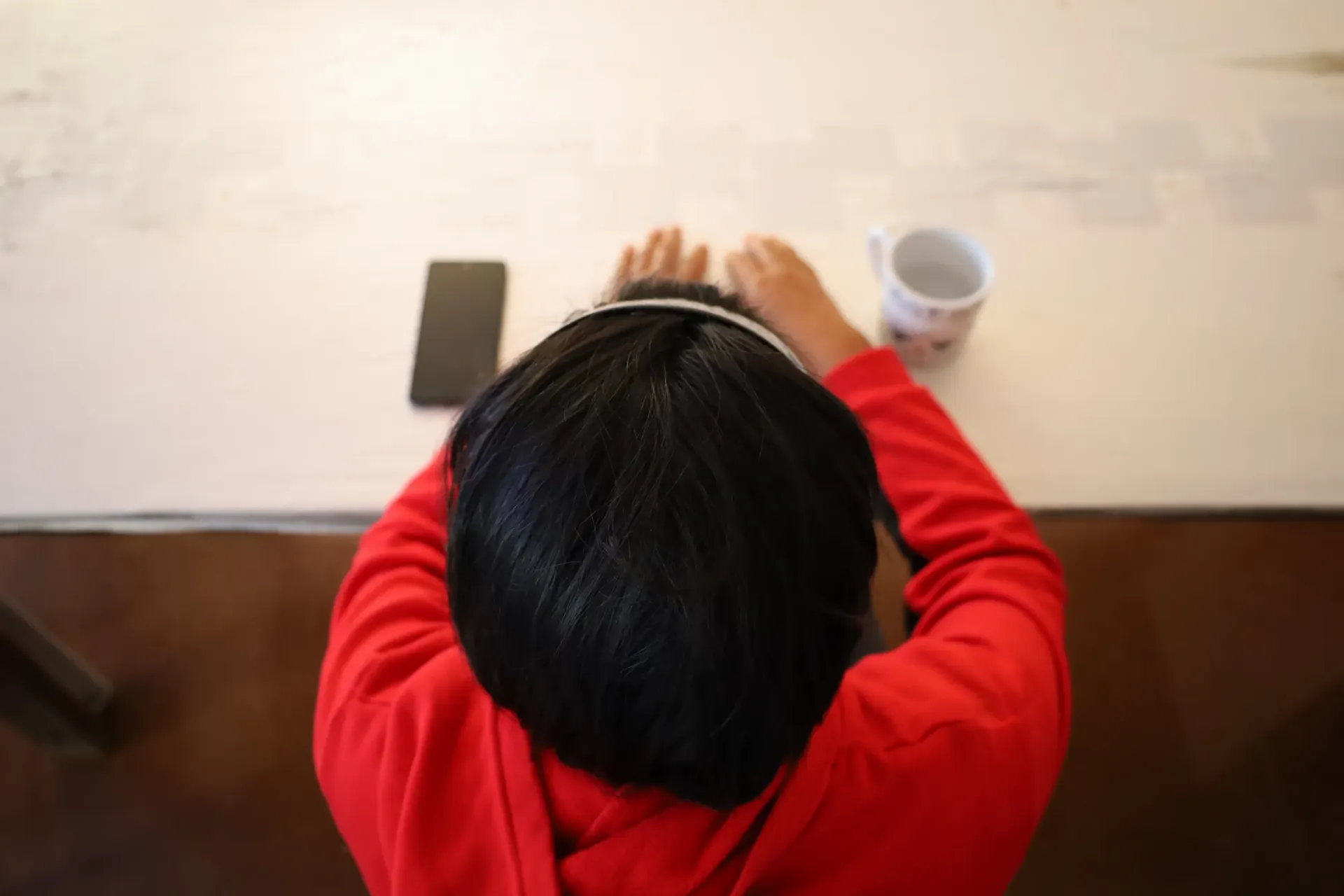
*The names of the subjects have been changed to protect their identities.
At 15, Shasha*, should have been in school, thinking about her lessons or spending time with friends. But for now, her days look different.
“No one saw what happened. My parents were not at home,” she said.
Shasha is a survivor of sexual violence. Her mother, *Myrna, recalled how difficult it was to respond in the days that followed the incident.
“I didn’t know where we were supposed to go at first. It felt like there were so many steps to go through before we could get help,” she said.
For many families, seeking help means going from one office to another—retelling painful experiences along the way. In many cases, getting help is not always straightforward.
In Shasha’s case, the incident was reported days later. When they sought help, they were told by the police that the delay would make it more difficult to document evidence, adding to the challenges the family already faced.
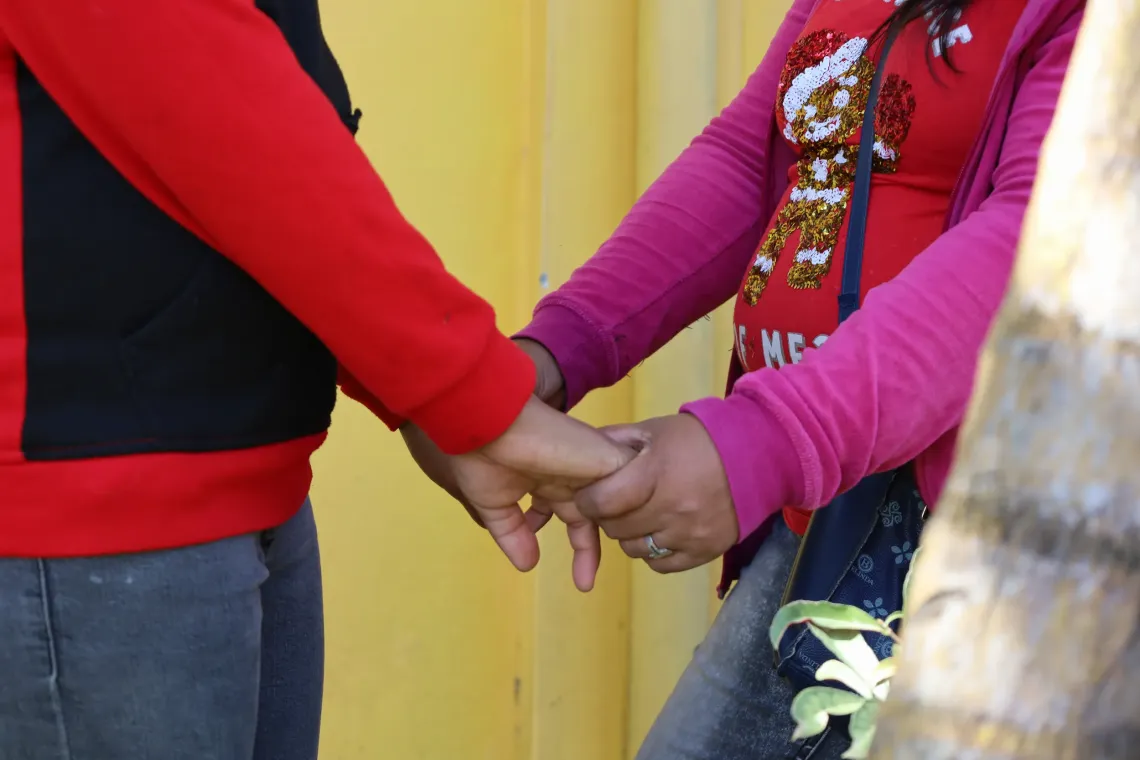
In Wao, Lanao del Sur, cases of gender-based violence (GBV) and sexual abuse are not uncommon especially during emergencies.
“During emergencies or disasters, cases tend to increase. Children become more vulnerable, which makes timely support even more important,” said Arlyn Wali, a social worker at Wao District Hospital.
Laws in the Philippines recognize and protect women and children from violence, including the Anti-Violence Against Women and Their Children Act of 2004 (RA 9262) and the Special Protection of Children Against Abuse, Exploitation and Discrimination Act (RA 7610), which provide the basis for support and services for survivors.
However, gaps in access to services remain, especially in geographically isolated and conflict-affected areas like the Bangsamoro region, where at least 398 cases of gender-based violence and child protection concerns were handled from 2019 to the third quarter of 2025.
Violence against children does not stop during emergencies—in many cases, it becomes harder to detect and respond to. That’s why services must not only be available, but also accessible, coordinated, and sensitive to children’s needs.


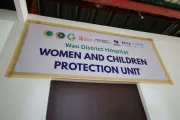
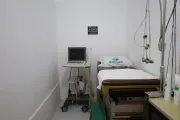
In Wao District Hospital, the Women and Children Protection Unit (WCPU), established in 2025, does not yet have a dedicated space and is temporarily housed within the OB-GYNE office—limiting privacy and focused care.
A new facility will change that, a 36-square meter one-stop center providing medical, psychosocial, and legal support is set to be completed in April.
“In many areas, especially those that are geographically isolated, access to timely and coordinated services remains a challenge. Facilities like the Women and Children Protection Unit help ensure that survivors receive immediate, comprehensive, and child-sensitive care in one place,” said Datu Abdulshattar Zailon II, Division Chief of the Ministry of Health in BARMM.
Designed with children in mind, the WCPU provides a safe, private, and welcoming space where survivors can speak freely and confidentially. Its design helps ease anxiety, creating a calmer and less intimidating environment that supports children during interviews, examinations, and the healing process.
Strict confidentiality measures and child-friendly procedures are followed to protect survivors’ identities and prevent re-traumatization, ensuring that children are interviewed and supported in a safe and respectful manner.
“At the hospital level, it is important to have a dedicated space where we can immediately attend to cases like this. They no longer have to go to different places just to access services,” said Dr. Arianne D. Palomar, WCPU Coordinator.
The WCPU will be supported by a Multidisciplinary Team whose members have undergone training to strengthen their capacity in handling child protection cases.
Composed of a doctor, social worker, health worker, and police officers, the team works in close coordination to ensure that cases are handled in a child-sensitive and holistic manner.
Through regular case conferences, the team members jointly assess the child’s needs, agree on a care plan, and coordinate medical, psychosocial, and legal services—helping reduce delays and ensuring that decisions are made in the best interest of the child.
Under the revised national case management protocol, service providers are encouraged to adopt a ‘no wrong door’ approach—ensuring that wherever a child first seeks help, they are immediately guided to coordinated, multidisciplinary support without unnecessary referrals or repeated interviews.
For Nurse Mie Anne Laurel, the presence of a dedicated unit also means better care for survivors.
Cases are handled more effectively when there is a facility like this. Survivors are given privacy, and their needs are better addressed—not only physically, but also emotionally.
For the Ministry of Social Services and Development, strengthening facilities like the WCPU is also about making sure that no child is left behind in accessing protection services.


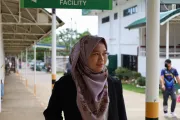
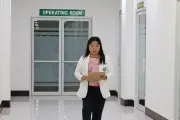
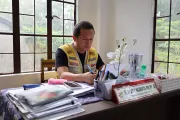
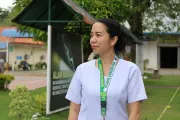
For children like Shasha, it is a safe place to seek help.
It offers a more compassionate way to begin healing without having to relive their experience again and again.
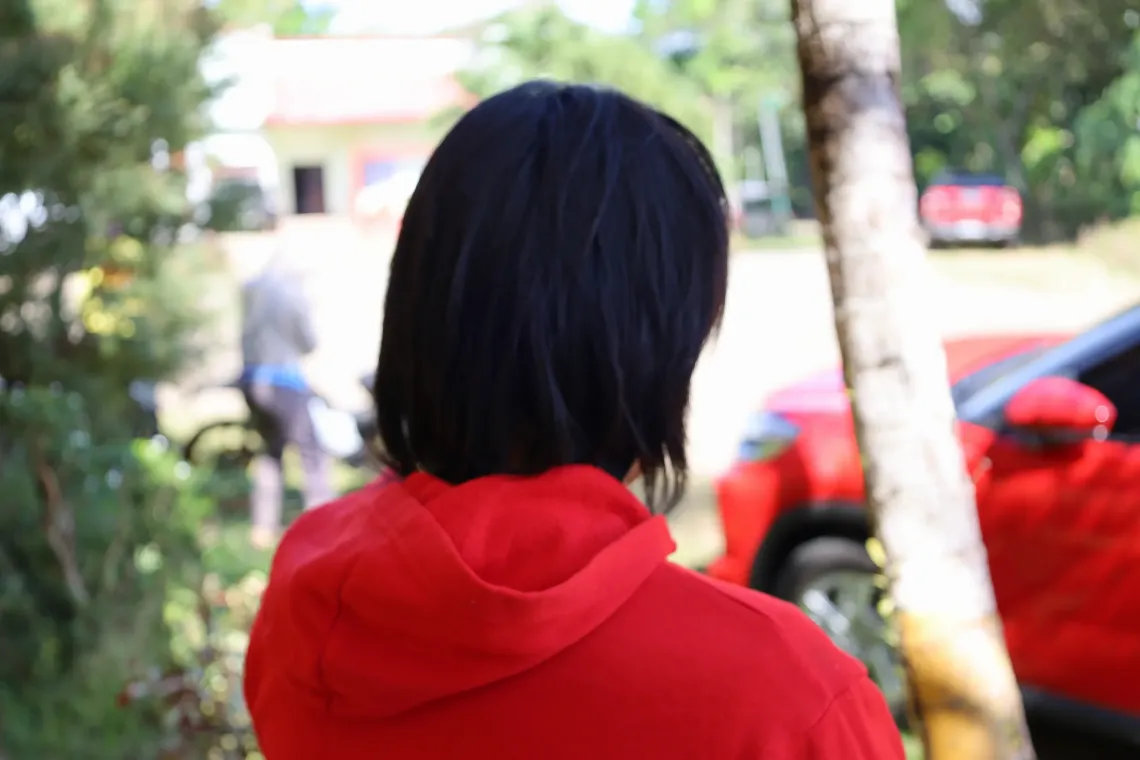
While the case continues to move forward, Shasha is choosing to focus on her healing.
“It’s good to have a place like this where we can go for help. I hope others won’t have to go through what I experienced—and if it happens, they won’t be afraid to speak up,” she said.