Heroes we need, heroes in need
Championing children with disabilities, while championing those who guide them
Heroes can hide in plain sight, especially for children with disabilities.
Many who devote their lives to them are often overlooked, pushed to the margins of daily concerns. Yet their work is vital: they uplift children in need and create a community of care that nurtures every stage of life.
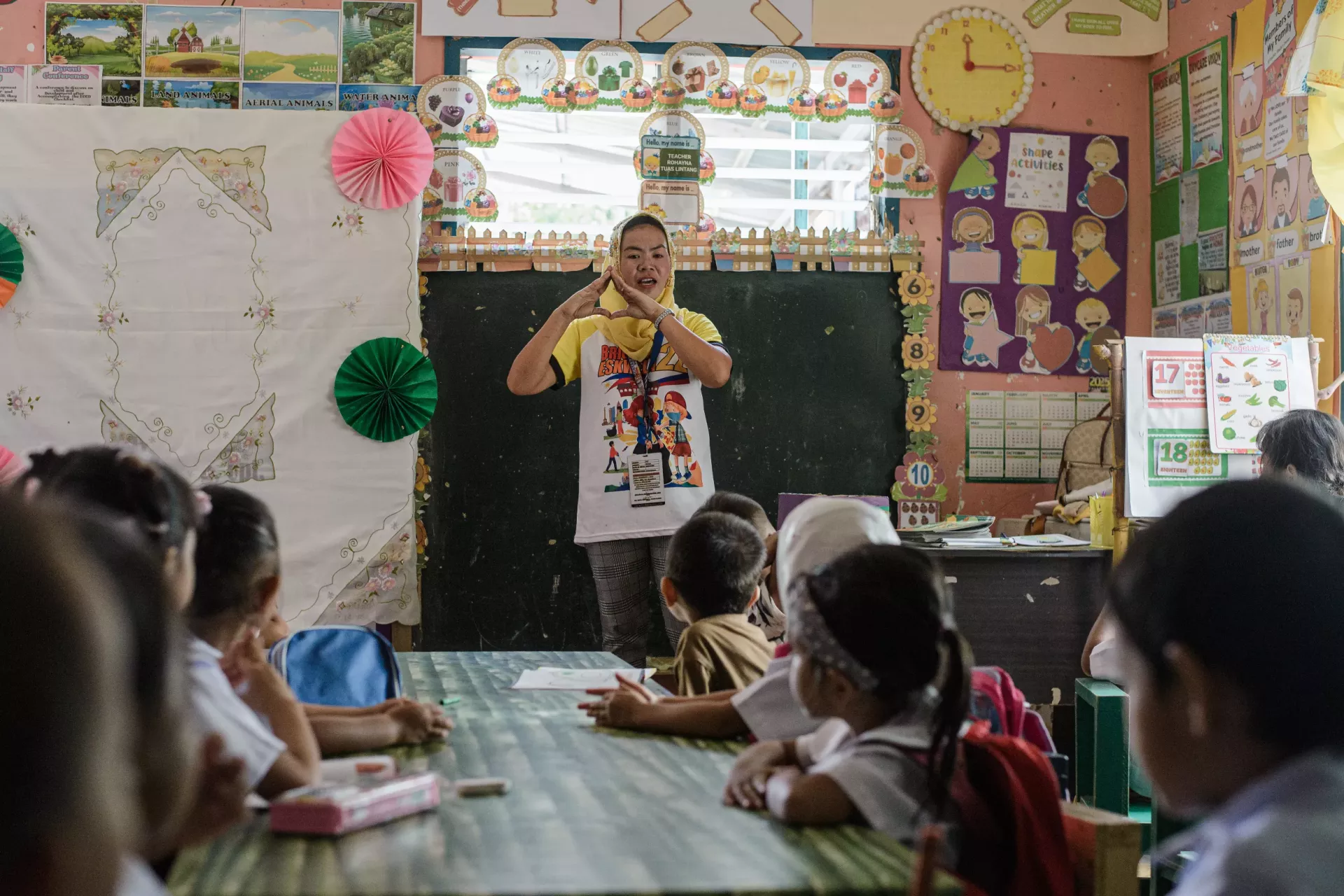
In the remote barangay of Kibleg in Maguindanao del Norte, a modest mint-green-and-pink bungalow serves as a child development center. Inside, the room brims with toys and colorful illustrations, a space built on care and creativity.
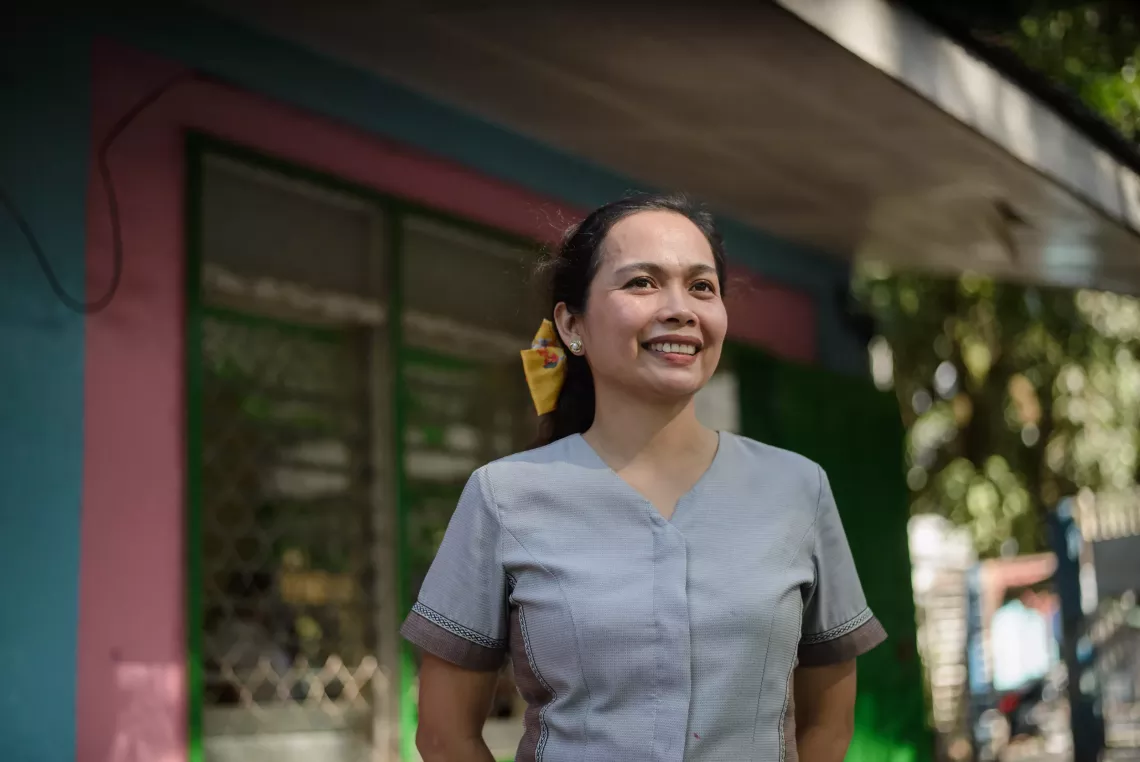
Here, Rohayna Tuas Lintang has served as a child development worker for 11 years. She now teaches 48 pupils, including two children with disabilities.
“This is where children begin,” she said, referring to their education, though she may just as well have meant their growth as human beings.
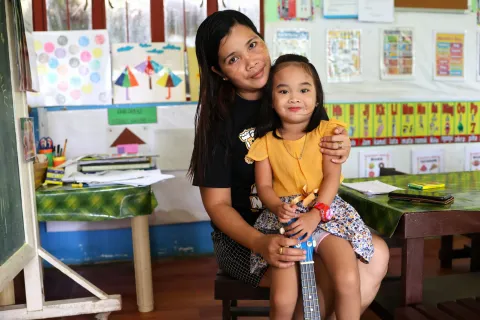
Among her students are Hope, 4, diagnosed with mild autism and other health concerns, and Alleeya, 3, who shows developmental delays but remains undiagnosed because her family cannot afford to see a specialist.
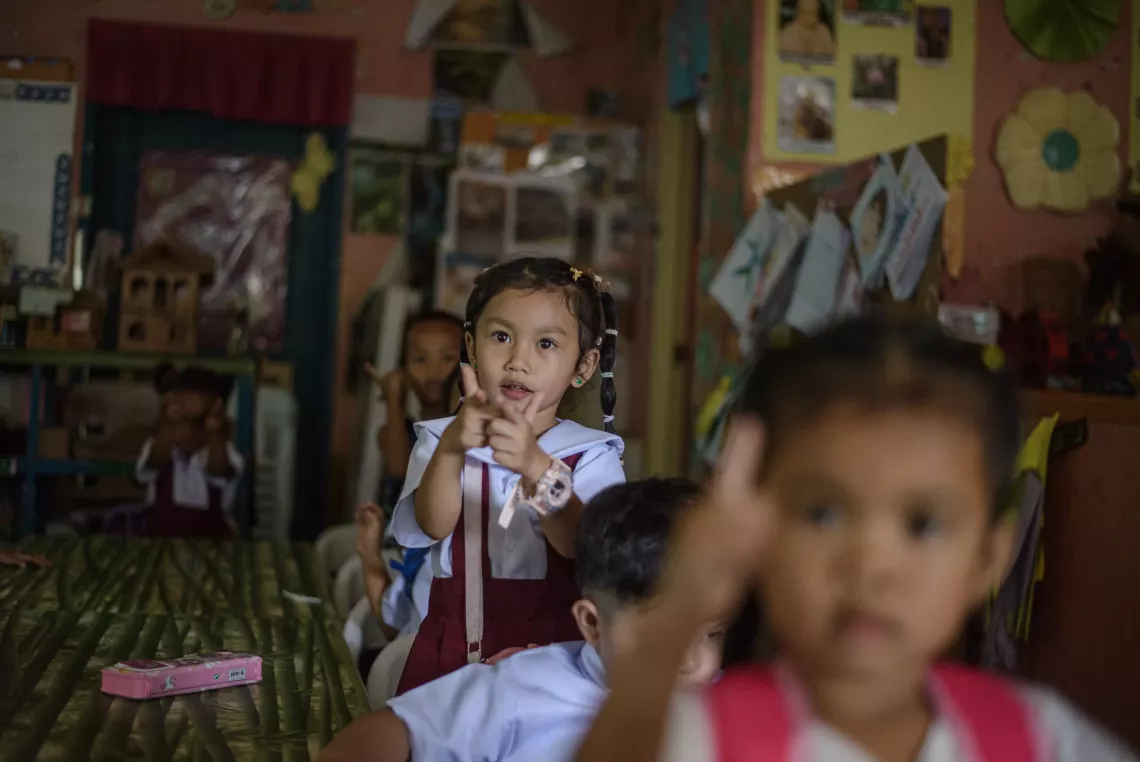

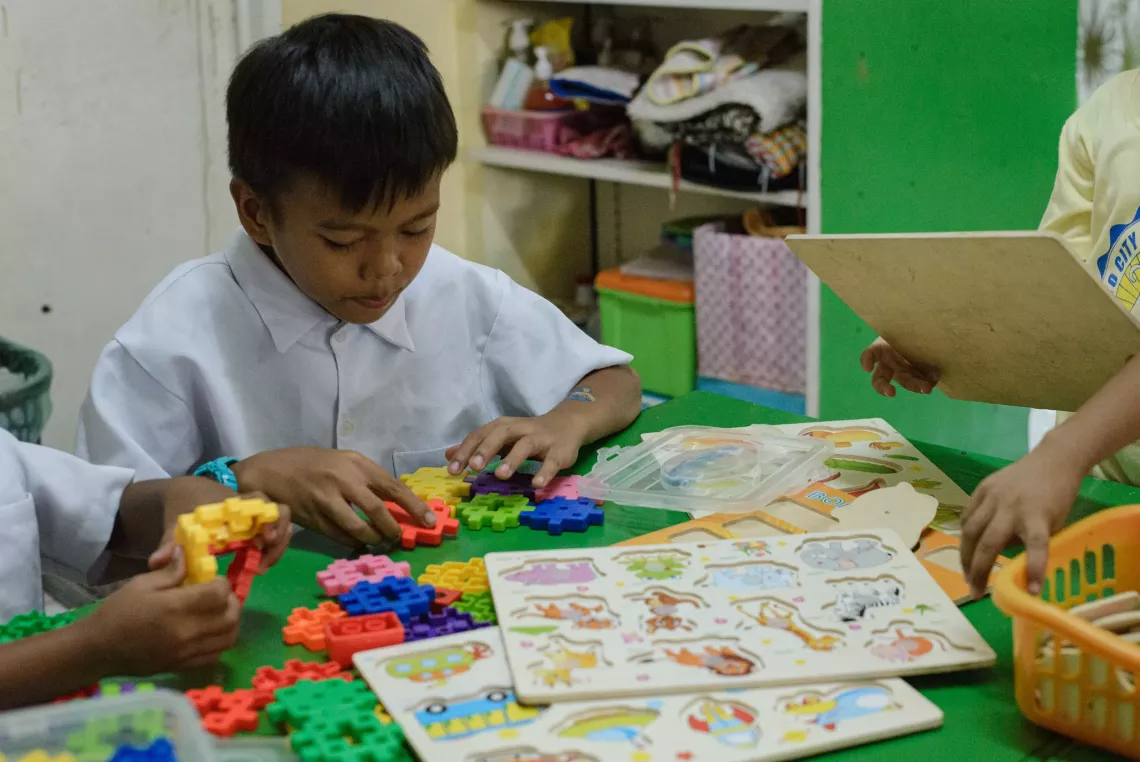
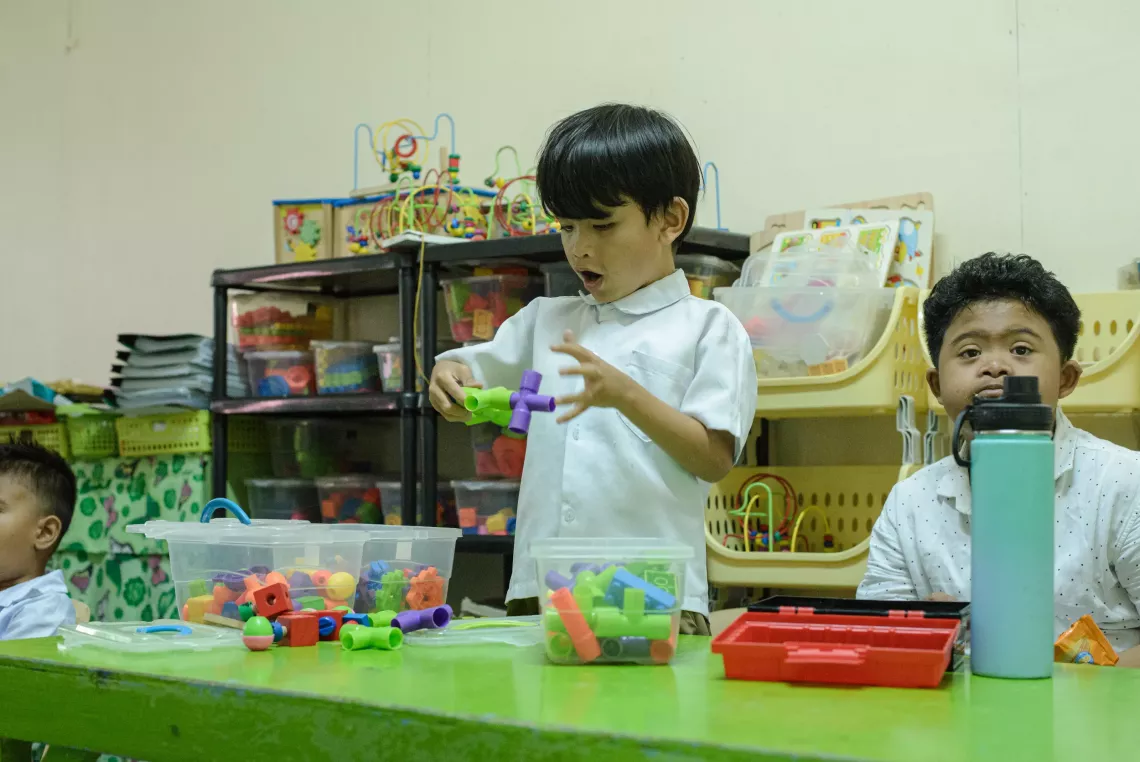
For both, and for all her pupils, Rohayna has become more than a teacher, she is their steady guide in learning, growing, and a safe space for growth and learning.
“Us child development workers, we have many needs, such as for our students. Sometimes, our needs are not provided for, since as they say, we are only a small priority,” she said.
For someone who receives a monthly salary of only PHP 2,500, Rohayna had to buy, collect, and craft most of the decorations, toys, and materials inside her classroom.
In our own little ways, we do the best we can to take care of the needs of our students
In May 2024, UNICEF and its donors supported training for child development workers and teachers in BARMM to strengthen disability-inclusive early childhood development (ECD).
The training introduced ECD kits which include boxes of educational toys designed to support children with diverse disabilities through play and sensory integration.
Originally created for emergencies, these adapted kits for BARMM are now used beyond crisis situations to support children’s learning and development through play.
For Rohayna, this was the first time in over a decade of service that she received supplies for her students.
“If I didn’t attend this training, I wouldn’t have received kits for the kids,” she said.
She explained that the toys in the ECD kits are essential, helping children like Alleeya and Hope calm down and engage with others.
Teachers Eden Jurane and Marilyn Cananua of Cotabato City Central Pilot School, who also joined the UNICEF training, shared the same view.
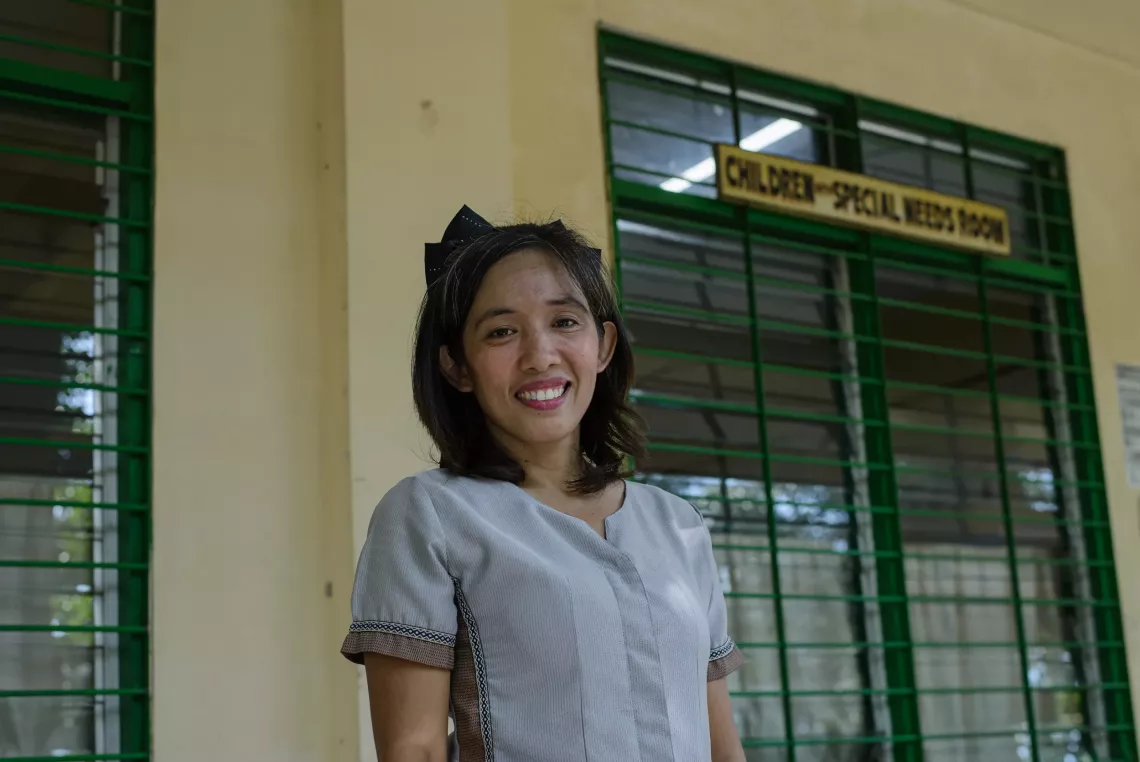
“It helps us better understand the different natures of children, including those undiagnosed,” Eden said, adding that inclusivity training would also benefit teachers in higher grades.
For Eden, teaching children with disabilities in mainstream classrooms also requires patience and constant guidance.
She recalled a former pupil, Kian Mosne, a child on the autism spectrum, who often distracted classmates but taught her the value of understanding and consistency.
Eden stressed that parents and classmates must also be guided. “I orient the parents that we have a child who is like this, and I also orient the other children,” she said.
Support for children with disabilities cannot rest on teachers alone. In Cotabato City, the Persons with Disability Affairs Office (PDAO) works to ensure their welfare as well.
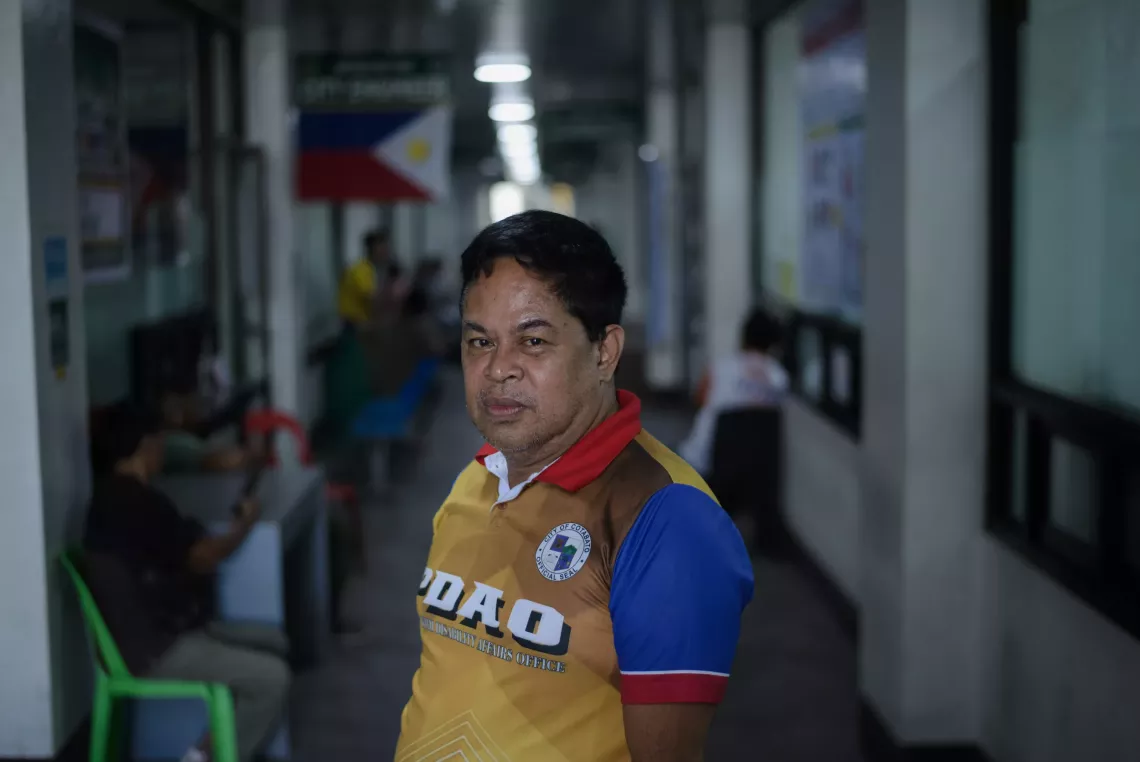
PDAO Head Ricardo Castillon, knows firsthand the value of a welcoming community. A mechanical engineer by profession, he faced job rejections due to his polio condition.
“I didn’t think of my disability before, until I graduated, applied, and was denied employment. I told myself, apparently, there’s a difference between those without disabilities and those with disabilities,” he said.
Today, Ricardo works to close that divide. As head of PDAO, he leads awareness campaigns, collects data, identifies service gaps, and maximizes office funds to provide financial support for education, therapy, psychiatric aid, and livelihoods.
He knows the challenges for children with disabilities remain vast, which is why he pushes for stronger collaboration with agencies like the city health office and partners such as UNICEF to address these.
At the regional level, BARMM’s Ministry of Social Services and Development (MSSD) also operates the recently renovated Center for Persons with Disabilities, a social and vocational rehabilitation facility for people aged seven and above.
The center offers training in life skills such as literacy, self-care, and self-esteem, alongside livelihood courses like massage therapy, cookery, and computer operation, preparing persons with disabilities for independence and success.
Each trainee is paired with a social worker for case management to ensure continued support even after training.
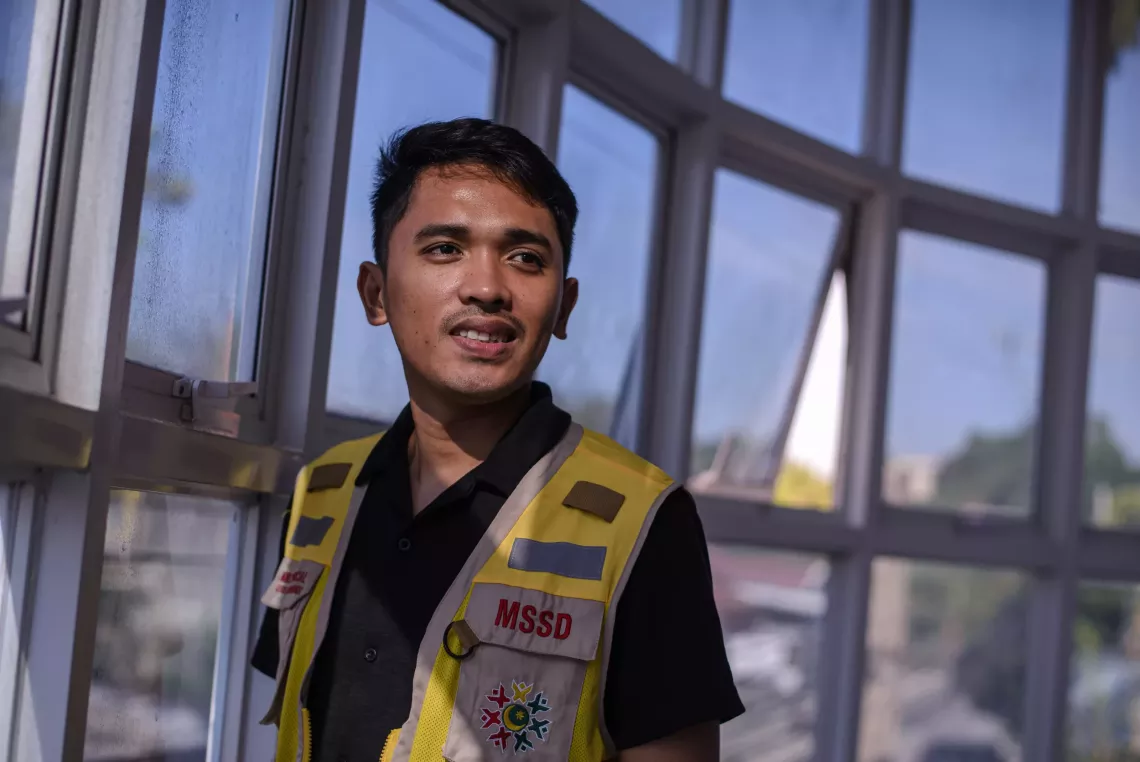
Bryan Abdullah, head of the center, explained that the courses are also complemented by case management, where each “client” is assigned to a social worker.
“We have this helping relationship. Even after the training we still have the responsibility for the continuity of our interventions. The mission, after all, is the improved quality of life of persons with disability,” he said.
This aspiration is shared by teachers like Rohayna, Eden, and Marilyn, by PDAO and local governments, and by UNICEF, which is building a Disability Inclusion Network in BARMM. The network aims to formalize collaboration, foster champions, and strengthen support systems in the Bangsamoro region.
The BARMM government will eventually lead this network through the MSSD and the Ministry of Health, with continued assistance from UNICEF.
Because when the support system is strong, so is the chance for children with disabilities to grow safe, equal, and welcome.
Sometimes that chance shines in unforgettable moments, like when Marilyn recalled her former deaf and mute student, Raven Refuela, who once outdrew a classmate and, without saying a word, seemed to declare: I can do that too.
How You Can Help
Thanks to the generous contributions of individual donors, UNICEF and their partners have been able to work with the Government and other stakeholders to ensure that every child receive life-saving vaccines.
For this we need your support. Please consider donating to UNICEF at https://donate.unicef.ph/campaign/champions. We very much appreciate your contribution.