Cash-first is children first
How UNICEF’s cash-first approach funded by the UN Central Emergency Response Fund promotes dignity for vulnerable families with children and helps improve government systems in times of crisis

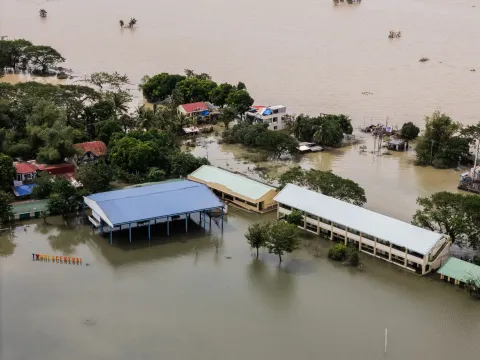
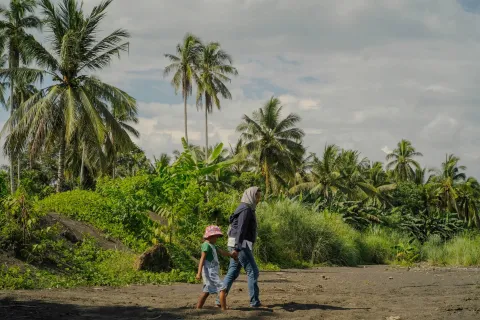
Genefina Toledo, with her three-year old daughter Jasmine in tow, breathes a sigh of relief as she withdraws Php5,000 from the LandBank cash machine in San Andres, Catanduanes. Genefina is one of around 5,000 recipients of UNICEF’s emergency cash assistance for children and families impacted by Super Typhoon Uwan [international name Fung-wong].
“During the typhoon, water got inside our house and I had to evacuate with my four children for our safety. Our livelihood was affected as my husband works as a part time security guard. This cash grant from UNICEF is a big help to us because it addressed our daily needs,” she shared.
During emergencies, UNICEF uses a cash-first approach which prioritizes speed, dignity, and cost-effectiveness by providing unrestricted cash to affected families and children under five. While UNICEF also provides emergency supplies, these cash grants give families the flexibility to choose what they need most—whether food, medicine, clothing for their children or other essentials.
According to UNICEF’s 2025 State of the World’s Children Report, predictable and adequate cash assistance - including when families receive them after disasters - is one of the most effective ways to reduce poverty and its impacts.
“My priorities are rice, vitamins for my child, fruits, and clean water. The rest I will give to my children for their allowance and transportation expenses going to school,” Genefina explained.

Cash-first is children-first
The benefits of a cash-first approach are many. It is speedier as cash can be delivered quickly through digital payments to families registered in the national social protection system through Pantawid Pamilyang Pilipino Program (4Ps) enrolled in Landbank, the largest government-owned bank in the Philippines. Lower logistics costs compared to shipping of goods make it more cost-effective. When families spend locally, they support the local economy and help communities recover faster. Cash grants also promote sustainability by utilizing and improving existing systems. Most of all, cash empowers families to make their own decisions, respecting their agency and dignity. They can prioritize what matters most for their children’s well-being.
“I prefer to receive cash instead of relief packs because you can use it for more things. I know best what my family needs, so receiving cash is better for us,” Genefina adds.
Pivoting to a cash-first approach entailed strong collaboration among UNICEF, the Department of Social Welfare and Development (DSWD), and cash actors in the humanitarian space. As part of preparedness efforts, UNICEF identified priority areas for emergency response, ones frequently hit by strong typhoons such as Catanduanes.
Strengthening national social protection systems
UNICEF met with DSWD officials, local government units, and 4Ps municipal links to help facilitate the cash grants. The social welfare department identified the amount of the grant and which households should be included. Market assessments were conducted to confirm goods are available and prices are stable. Cash is then delivered digitally to households’ accounts through Landbank. Should problems arise, a grievance and redress mechanism was put in place to receive feedback, address complaints, and other inquiries related to the program. Post-distribution monitoring is then done to ensure that families spend the cash to support the needs of their families and children. The monitoring visits are also a form of direct engagement to gather feedback and complaints so families and children can report issues, reinforcing transparency and trust.

“Cash assistance is not just about meeting needs—it’s about giving families the power to choose, restore dignity, and better prepare them for shocks in the future. Without such support, disasters often push vulnerable families deeper into poverty undermining children’s health, education, protection, and prospects. Cash transfers act as a means to help families take control and avoid irreversible harm,” Rosela Agcaoili, UNICEF Philippines Social Policy Specialist, explains.
Thanks to our generous donors
This life-saving emergency cash assistance was made possible through the support of the United Nations Central Emergency Response Fund and other partners committed to helping children and families recover from crises. If you want to help minimize the tolls of disasters on our families and our children and keep your family safe, please consider donating to UNICEF. We very much appreciate your contribution.