Why Pakistan needs HPV vaccination to safeguard women and girls
A brave, cervical cancer survivor and mother of seven calls for HPV vaccine uptake to protect against this preventable disease.

Wah, Punjab: "Two years ago, I started experiencing severe headaches and stomach pain, followed by excessive bleeding. I was too nervous to talk to my family about what was happening," recalls Shahida Bibi, a housewife and mother of seven from a village in Wah City, 40 kilometers from Pakistan’s capital. With no formal education, Shahida has spent her life raising her children and supporting her husband’s farming.
For months, Shahida endured increasing pain and physical weakness. A visit to the village clinic resulted in a prescription for multivitamins, offering no relief. It wasn’t until a concerned female relative took her to a gynecologist in a nearby town that she received a proper diagnosis. The tests revealed devastating news: Shahida had cervical cancer and required emergency surgery to remove her uterus.
Battle against cervical cancer
The diagnosis turned Shahida’s life upside down. As a woman and mother, she faced many challenges with this daunting disease. Her husband and family were unfamiliar with cervical cancer, its treatment and the necessary follow-up care. The financial strain was immediate and overwhelming. Already struggling to meet daily needs, the family was unprepared for the catastrophic health expenses that came with her diagnosis.
“The hospital was an hour away, and she was not in a condition to take local transport. We had to hire a cab each time,” explains Ayesha, Shahida Bibi’s niece and caretaker. “The emergency surgery alone cost us PKR 350,000 (USD 1,250), which had to be paid in one go. That didn’t include the daily transportation to Islamabad, countless tests and doctors’ fees at various hospitals.”
Her treatment continued for eight to nine months after the diagnosis. Three months after her surgery, Shahida underwent intensive radiation and chemotherapy.

Thankfully, the cost of radiation and chemotherapy was covered by the government health card (Sehat), easing some of the financial strain on the family. Shahida persisted despite the challenges, attending quarterly checkups after completing her treatment. Today, she is cervical cancer-free and focused on rebuilding her life with her family’s support.
A clarion call for vaccination
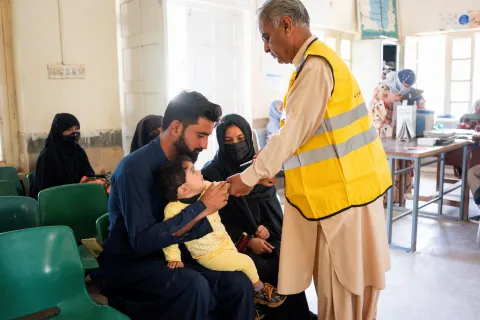
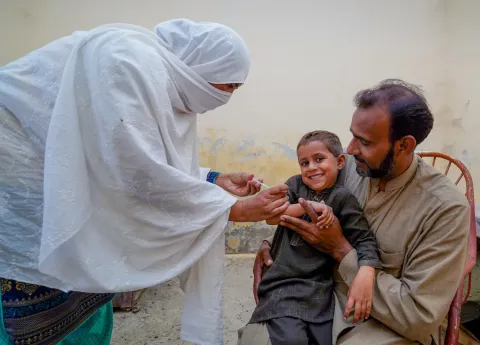
In Pakistan, cervical cancer is a silent killer, claiming the lives of 3,200 women each year despite being preventable with a simple vaccine administered to girls at an early age. Yet, awareness about HPV and the importance of vaccination remains alarmingly low. In 2025, UNICEF together with partners GAVI, the Vaccine Alliance and the World Health Organization will support the Government of Pakistan to introduce the HPV vaccine to help protect millions of adolescent girls from cervical cancer.
HPV vaccination aims to reach 17.8 million girls aged 9-14. The initial campaign will cover 15 million girls, followed by introduction into the routine immunization schedule, targeting an additional 2.8 million girls.
Some of the greatest barriers to HPV vaccine acceptance are myths and taboos surrounding vaccines in Pakistan. Myths such as vaccines cause infertility, HPV vaccine is just for sexually active girls etc. have sown seeds of doubt among parents. Addressing these misperceptions requires close community engagement with men and boys, dismantling misinformation, and cultivating trust and confidence among women and adolescent girls.
“I don’t want anyone else to go through the pain I endured,” Shahida says with conviction. “If I had access to this vaccine when I was younger, I wouldn’t have suffered so much. I urge all the young girls in my village and their mothers to get vaccinated. They are fortunate to have this opportunity.”
Shahida and her niece recently supported a 40-year-old mother of three in their community who was diagnosed with early-stage cervical cancer. Drawing from their own experience, they guided her through referrals, medical advice and treatment options. The mother’s eldest daughter had to drop out of school to care for her younger siblings, underscoring the ripple effects of health crises on families.
Reflecting on their journey, Shahida and her niece have become strong advocates for greater awareness and access to healthcare in rural areas.
“Medical camps organized by the government have the community’s trust. Setting up these camps to educate women about HPV and cervical cancer could make a big difference,” Ayesha suggests.
Sehatmand Beti, Sehatmand Gharana Healthy daughter, healthy home
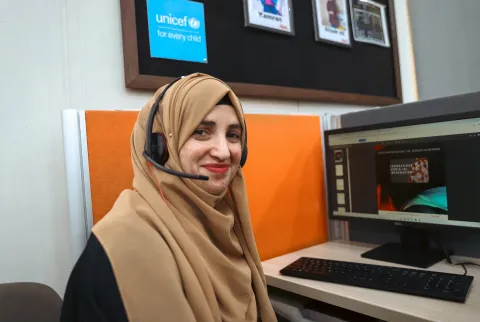
UNICEF, in collaboration with the Ministry of National Health Services, Regulations and Coordination, the Federal Directorate of Immunization, and other partners, is working to bridge the awareness gap on the importance of HPV vaccination. These joint efforts go beyond consultations, fostering community engagement to rally support and raise awareness among local civil society organizations, non-governmental organizations and local community networks at the grassroot level. This growing interest and trust in the HPV vaccine underscores the vital role of education and outreach in building acceptance and confidence.
Shahida’s message is simple but powerful: “A healthy daughter is the heart of a happy, healthy and united household.” Through her courage and determination, Shahida is not only a survivor but also an advocate, inspiring her community to embrace preventive care and protect future generations of girls in Pakistan.