Communities are Helping Girls Reclaim Their Futures in Khyber Pakhtunkhwa
With support from the UK Government and UNICEF, Community-based Child Protection Committees are protecting children’s rights
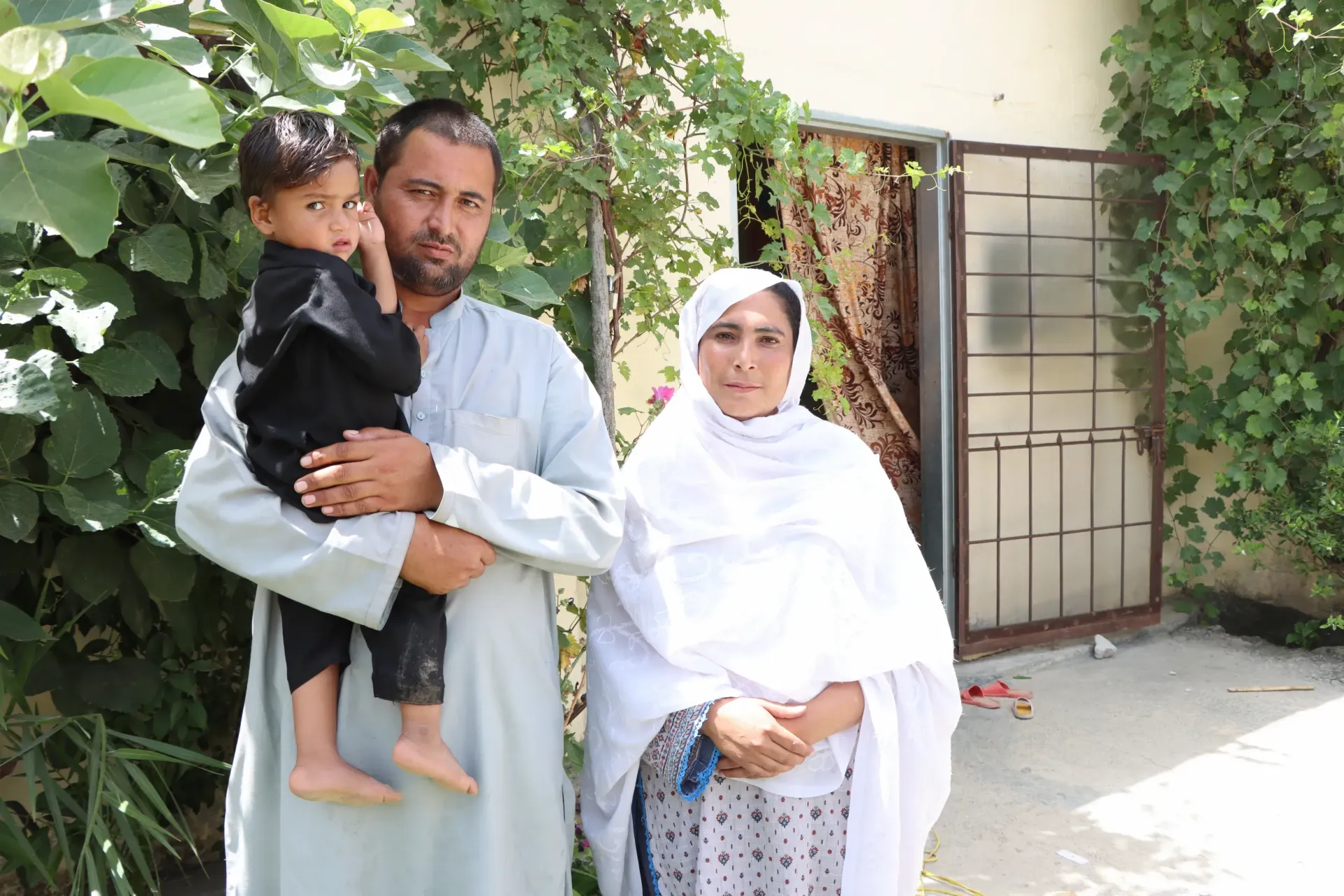
Mardan, Khyber Pakhtunkhwa: “Child marriage is still a routine practice in my village. Some people even threatened to burn my house down when I tried to stop it. But I didn’t back down,” says Shaheen.
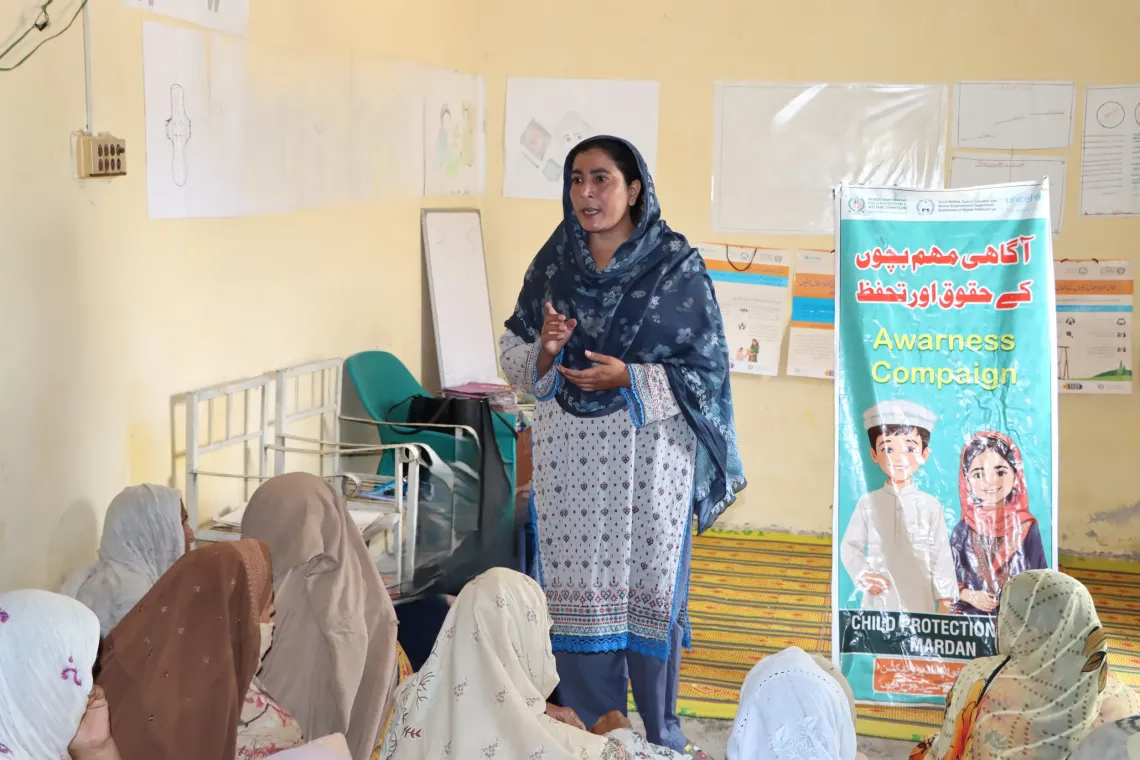
Shaheen, President of the Community-Based Child Protection Committee in Khazana Dheri, Mardan, Khyber Pakhtunkhwa, and a trained Lady Health Visitor, supports her community through advocacy against harmful practices affecting women and children, referral of children in need to child protection services, polio campaigns, immunization efforts and family planning guidance.
Her journey as a changemaker began long before formal roles.
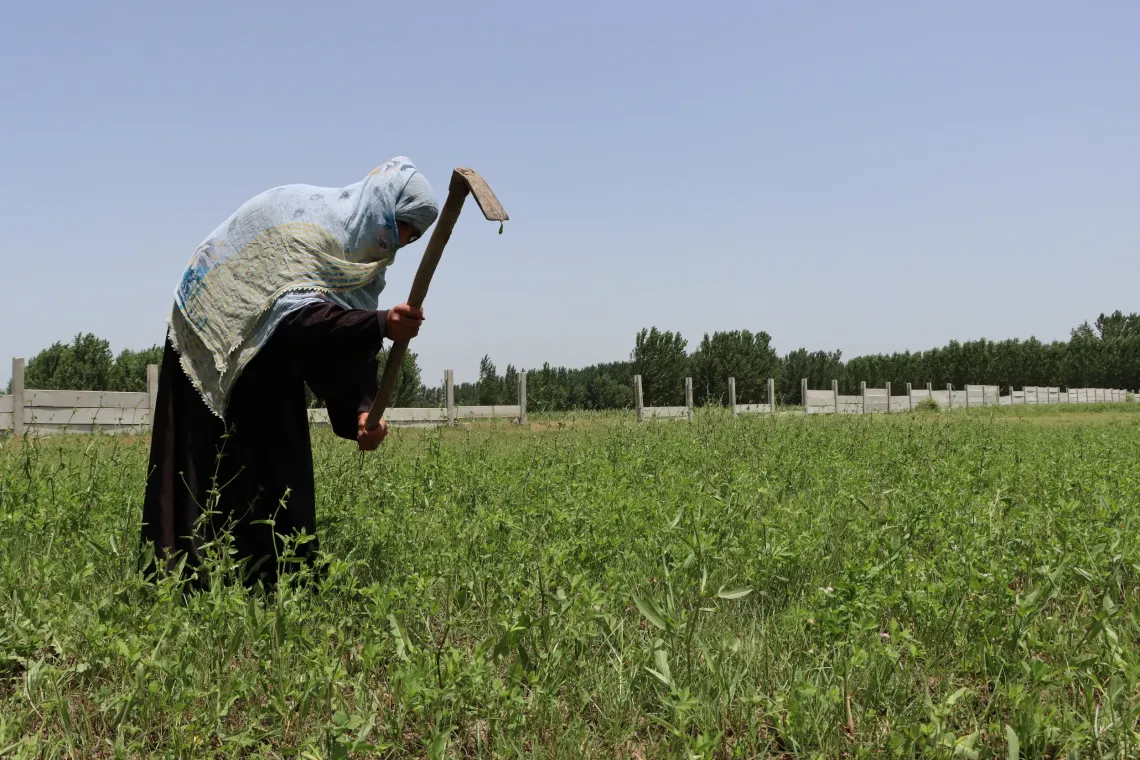
“I started working for the welfare of women back in 2005 when I finished my matriculation,” Shaheen recalls. “My father motivated me. He saw how hard women worked in the fields alongside their husbands, only to return home to endless chores with no opportunity to learn or grow.”
Addressing Child Marriages
As President of the Community-Based Child Protection Committee in Khazana Dheri, established in 2024 by the Child Protection and Welfare Commission Khyber Pakhtunkhwa with support from UNICEF and the AAWAZ II programme funded by the UK Government, Shaheen has been working to protect children in her village.
One of her priorities was preventing child marriage, a harmful practice that persists in part of the region. According to the Multiple Indicator Cluster Survey 2019, 22 per cent of girls and 6 per cent of boys are married before the age of 18 in the province.
So far, Shaheen and her committee have successfully intervened in stopping four child marriages in their community.
“We had to visit families several times before the weddings,” she says. “We explained the health risks, legal implications, and the role of the Child Protection Unit. It was difficult, but we were able to protect those girls, and they are now continuing their education.”
The committee brings together members from different parts of the community, including a madrassa teacher, a schoolteacher, and a women village councilor. Shaheen herself reaches nearly 5,000 people through her polio eradication work, helping the committee identify and respond to child protection concerns.
Stopping Swara, Protecting Girls’ Futures
The committee’s strength was tested when a so-called “honor” killing in the village when a tribal feud threatened the safety of young girls. A traditional jirga (council of elders) recommended “swara”, a harmful practice in which girls are married off to settle disputes, particularly in cases of murder.
Swara is illegal in Khyber Pakhtunkhwa, but the practice persists in some communities under customary dispute resolution mechanisms.
In Khazana Dheri, the Community-Based Child Protection Committee worked with local leaders, including the mosque imam, village council members, and teachers, to stop a planned swara case. Despite facing social pressure as women for challenging a jirga decision, the committee successfully prevented the swara.
“The UNICEF child rights training changed our thinking,” said committee member Tajmahal Bibi. “What was once seen as tradition, we now understand can harm children’s safety and dignity. By standing against swara, we were not opposing our community but protecting our daughters and their futures.”
Ending Hazardous Child Labour
Child labour has become a growing concern in the community, pushing many children out of school and into unsafe working conditions. In Khazana Dheri, children were found working in the informal jaggery production factory, exposed to hazardous and adulterated chemicals, which contributed to declining school attendance.
Since the establishment of the Community-Based Child Protection Committee in 2024, Shaheen has intensified efforts to address child labour and promote access to education.
Working with the local Food Authority and the Assistant Commissioner, she has helped strengthen enforcement of child labour regulations and raise awareness among families and employers.
“We started the fight against child labour in 2024, and as of May 2026, I am proud to say that not a single child under the age of 18 is working in those factories,” Shaheen shared.
Community Protection for Every Child
Across Khyber Pakhtunkhwa, UNICEF and the Child Protection Welfare Commission, with support from the UK Government under the AWAAZ II programme, have established 87 Community-Based Child Protection Committees in Chitral, Mardan, Swat, Charsadda, and Lower Dir.
These committees help local leaders identify, report, and respond to child abuse, exploitation, and harmful practices.
In Khazana Dheri, Shaheen’s committee has become an example of local action against entrenched social norms, with grassroots protection systems gradually expanding across the province.
For Shaheen, the journey continues, but change is already visible, children once at risk of harmful practices such as child marriage and child labour are now in classrooms, learning and building their futures.