Trading Tools for Textbooks
How Child Protection Services helped a 12-year-old boy reclaim his childhood
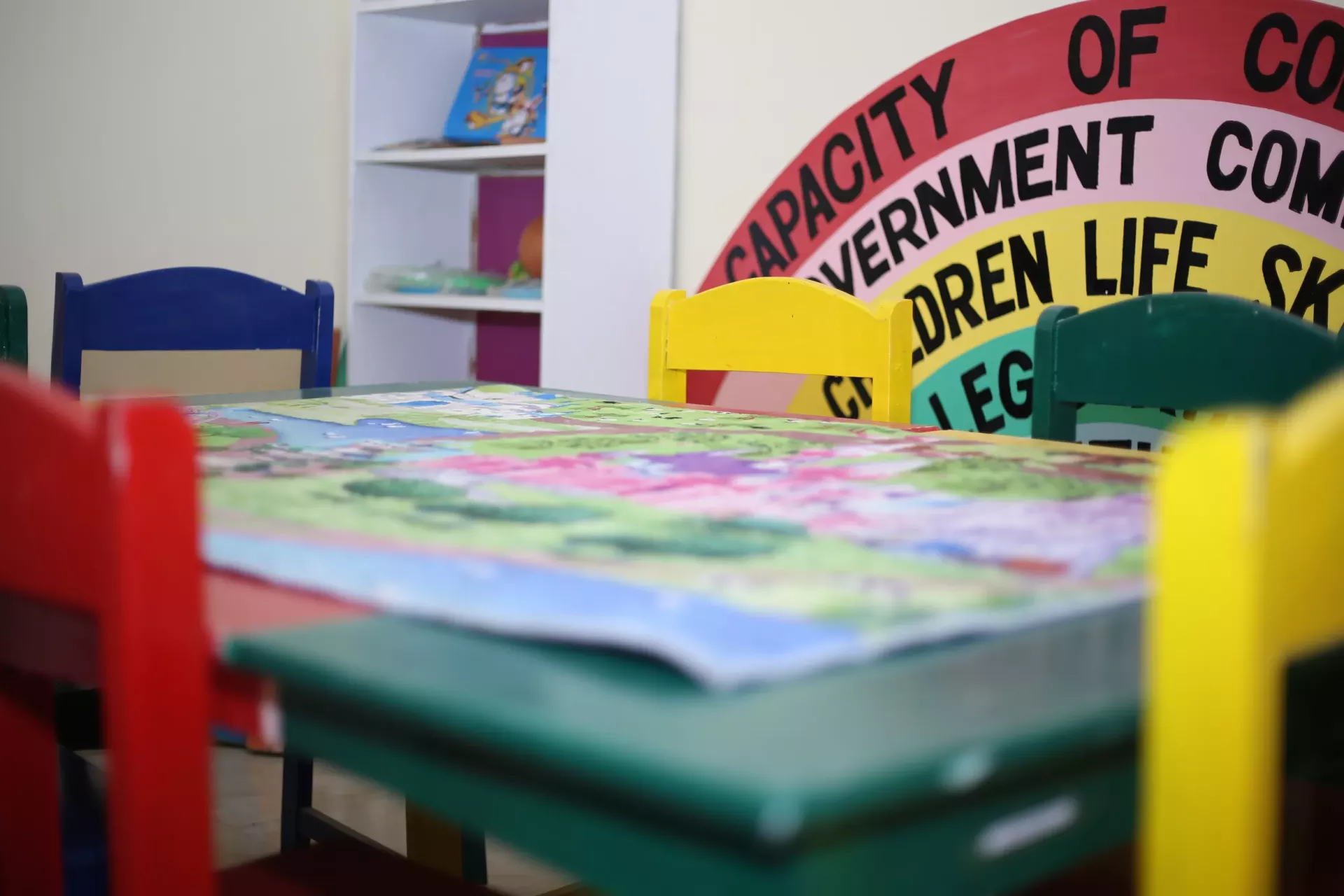
Rajanpur, Punjab: In a quiet village in Rajanpur, 12-year-old Sajjad (name changed for protection) spent his days not with schoolbooks, but with the hot sparks of a heavy, dangerous welding torch. His school days had ended before they could even begin.
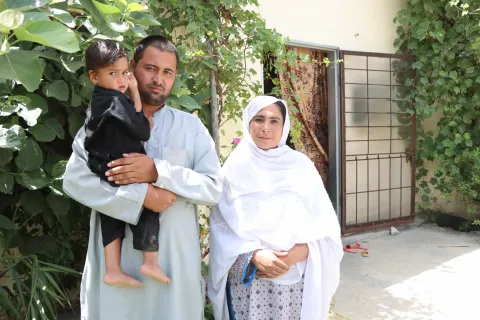
After losing his father at a young age, Sajjad and his mother, Fazeela (name changed for privacy) found themselves trapped in a cycle of abuse. Living under the control of his uncle, who wanted to take over their inheritance, the young boy was forced into hazardous child labour. Education was out of the question, while violence was a daily reality for Sajjad.
“I didn’t think anything could change,” Fazeela shares. “We were completely alone and both of us were getting quite frustrated.”
But in early 2024, their situation was reported to the Child Protection Unit (CPU) in Rajanpur, setting in motion a response that would change their lives. Within days, the District Child Protection Unit (DCPU) mobilized a multidisciplinary team—a child psychologist, case worker, and legal advocate. Sajjad and his mother received support to safely leave the harmful environment and settle with nearby relatives.
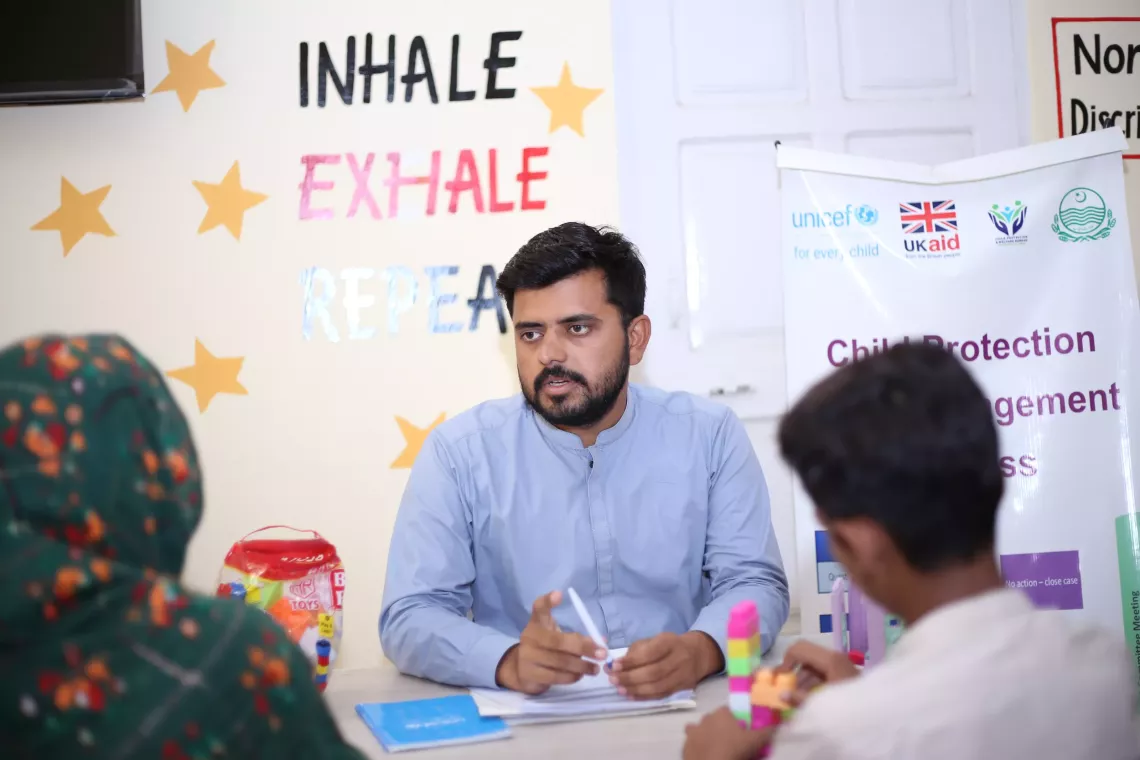
At their first session at the DCPU, Sajjad arrived quiet and withdrawn, but he voiced a clear and determined wish: “I just want to go back to school.”
Over the next few weeks, the team worked together to make that happen. Legal action was taken to secure protection for both mother and child, including formal mediation with the abusive uncle, who was held accountable and agreed to end all forms of violence and child labour.
“When I went to the DCPU, they were very supportive and offered me encouraging words,” says Sajjad now.
At the same time, the DCPU supported them with psychosocial counselling and practical help, like assisting Fazeela to apply for the Benazir Income Support Programme to improve their financial stability. Fazeela also began attending parenting sessions and received vocational training to help her build a more secure future. This process, supported by legal measures and close follow-up, helped restore safety and stability for Sajjad and Fazeela, and made it clear to the extended family that abuse would not be tolerated.
Sajjad was re-enrolled in school and began attending regularly. To support his emotional and mental wellbeing, the DCPU worked closely with school administrators to ensure a welcoming and supportive environment. His teachers were sensitized to signs of distress and guided on how to respond with care. As part of a buddy system, a classmate was paired with Sajjad to help him adjust, especially during transitions and break times.
Alongside weekly counselling sessions, these steps helped Sajjad slowly rebuild his sense of self, and he began looking ahead with hope. “I love going to school. Sajjad They gave me a uniform and schoolbooks. I go every day and get to play with my friends,” shares a vibrant Sajjad.
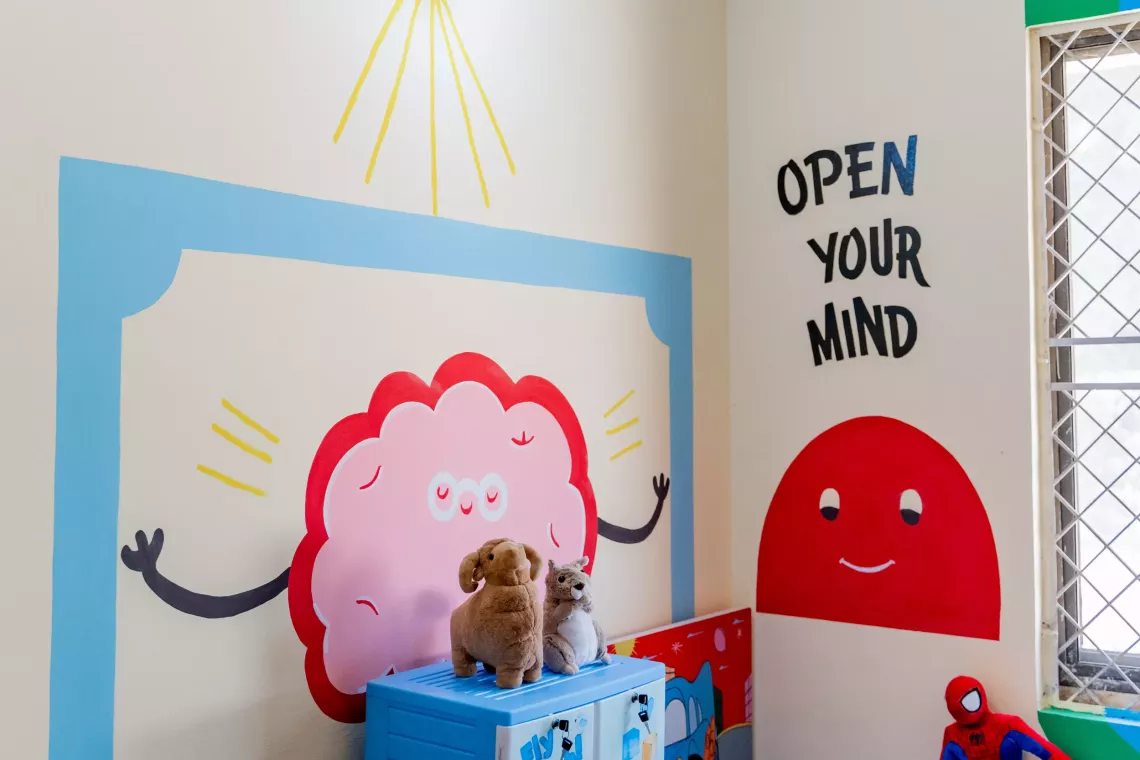
Fazeela, too, began to regain a sense of independence. With a new set of skills in tailoring, she earns a small income and feels more confident about her role as a parent. “We are finally standing on our own feet,” she says.
Weekly counseling helped Sajjad manage anxiety, while his mother received support to establish routines, reinforce learning, and build her parenting confidence. By the fourth and final session, Sajjad was thriving, academically, emotionally, and socially.
Their case continues to be monitored by the DCPU to ensure safety and long-term support—but for now, Sajjad is right where he belongs: in school, playing with classmates, and building a future. Sajjad 's journey is just one of many being supported through a strengthened child protection system in Rajanpur.
With funding from the UK Foreign, Commonwealth and Development Office (FCDO), UNICEF is working with the Child Protection and Welfare Bureau (CPWB), Government of Punjab, to operationalize and strengthen District Child Protection Units (DCPUs) in six districts, including Rajanpur, under the AAWAZ-II Programme. These units provide case management services to respond to children who are victims and survivors of child abuse, violence, neglect, and exploitation.
Each DCPU has a dedicated team including a child protection officer, case workers, and a psychologist that provide a safe and supportive setting where children and families can seek support and connect with services – such as legal support, education, health care, counselling, and follow-up care.
With continued support from FCDO, more children like Sajjad can be protected from exploitation, transitioned back into school, and given the tools they need to rebuild their lives with dignity. By investing in strong local systems and coordinated child protection services, UNICEF and our partners are working to ensure that every child is safe, heard and supported to secure a brighter future.