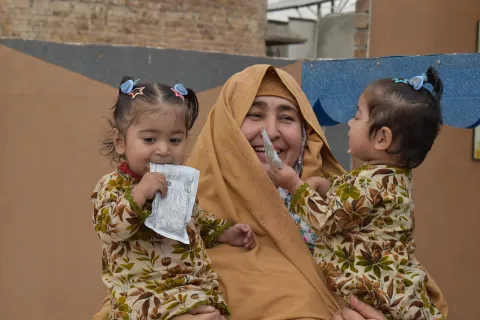
Building Immunity, Changing Lives
With funding from Canada, UNICEF is creating life-changing impact through integrated services in Balochistan
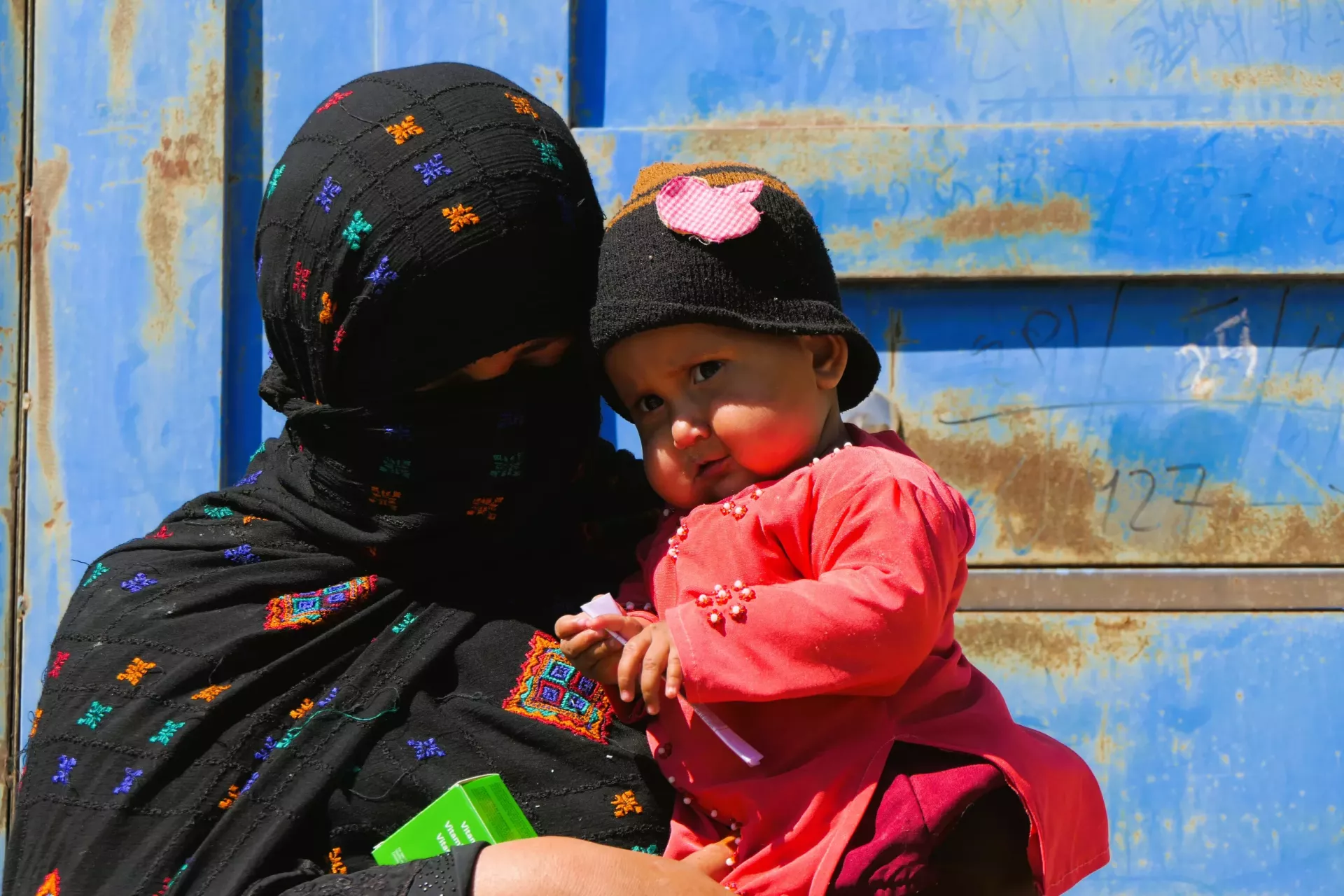
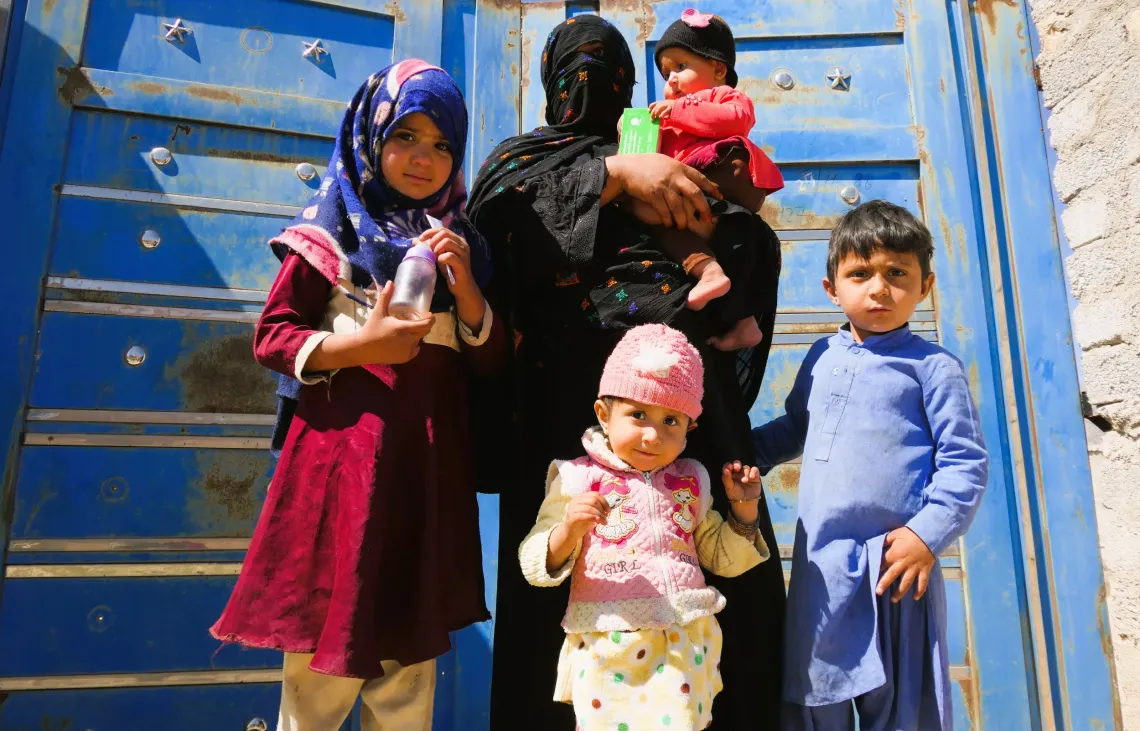
Quetta district, Balochistan: Sixteen-month-old Hala’s journey is an example of the impact of integrated services provided by UNICEF, with support from the Government of Canada, in the underserved areas of Balochistan province. Hala lives in Union Council Saraghurgai, Quetta District, a region where healthcare facilities are scarce, and the community is marginalized.
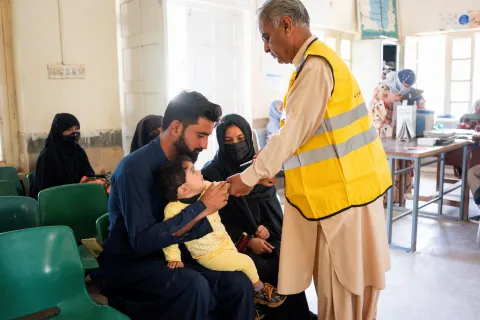
Saraghurgai Basic Health Unit (BHU), the only healthcare facility for Saraghurgai and nearby areas, has screened almost 20,000 children since Integrated Service Delivery (ISD) began, with more than 6,000 found to be malnourished. The ISD approach aims to foster a culture of vaccine acceptance that protects and empowers the communities, offering not only essential immunization services but also maternal and child healthcare, nutritional support, while emphasizing the importance of basic WASH (Water, Sanitation, and Hygiene) interventions.
Transforming Lives Through Integrated Service Delivery
UNICEF’s health systems strengthening approach focuses on community engagement, enhancing routine immunization and Polio vaccination to build a healthier future for children.
Hala’s story began in August 2024 when her mother, Asiya (name changed), brought her to the BHU Saraghurgai. Hala was severely malnourished, and Asiya was urgently seeking help.
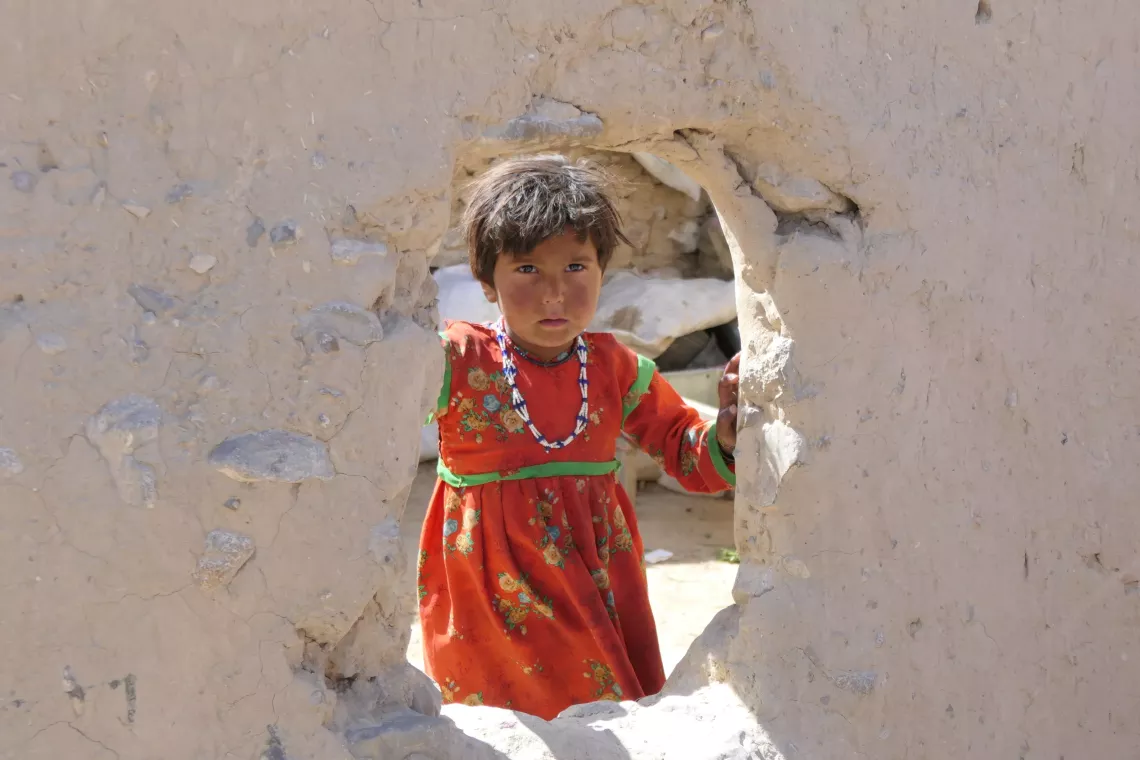
Asiya recalls, “I was traveling on a bus when a lady sitting next to me expressed concern about Hala’s condition. She said Hala would not survive if she did not receive proper nutrition. The woman told me about the free health services being provided at the center. Without wasting a moment, I rushed there next day.”
Hala was provided with free nutritional supplements and scheduled for regular follow-up visits. After eight visits, Hala made remarkable progress, transforming from a severely malnourished child to a healthy one. The center also offered Asiya valuable counseling on maintaining Hala’s weight and providing her with nutritious, locally available food.
The recovery journey highlights the power of community mobilization. Asiya learned about BHU Saraghurgai’s services from another community member, proving how community support promotes health services.
“The integrated services supported by UNICEF and Canada have been life changing. We were unaware of the importance of nutrition and immunization. Regular counseling sessions from BHU staff have made a real difference in our lives,” says Sohbat Khan, a community member.
Reaching the Unreached: Delivering ISD to Migrant Communities
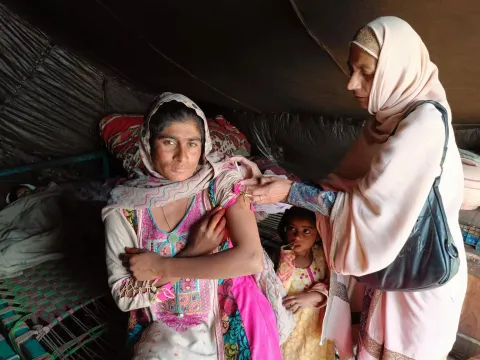
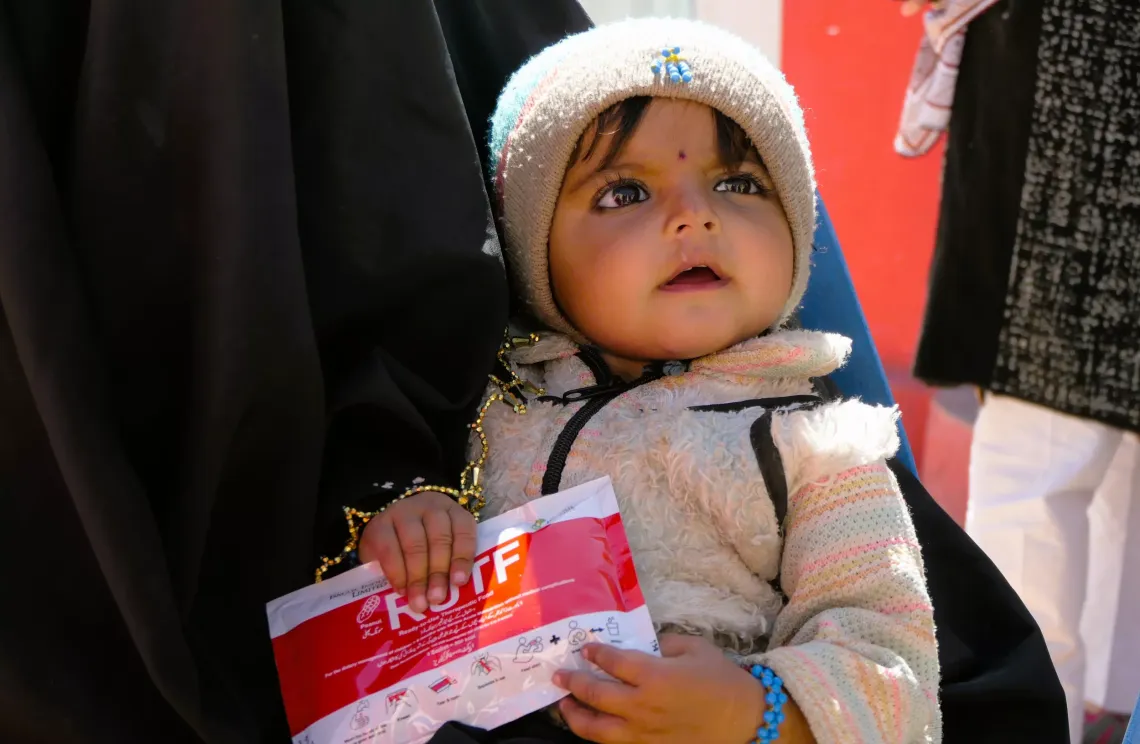
UNICEF’s integrated approach extends beyond Saraghurgai to Mian Gundi, a remote area with a large migrant and mobile population. Lacking basic health facilities, the community faces critical health challenges linked to malnutrition. Initially, vaccination efforts were met with resistance, but the introduction of free nutritional services has significantly improved acceptance. “Now, families welcome us because they see the benefits of the integrated services,” says Nida Khan, Outreach Officer for Union Council Mian Gundi.
The ISD program in Quetta District demonstrates strong collaboration between local authorities and UNICEF.
Dr. Aimal Khan, Quetta’s District Health Officer, highlights malnutrition’s impact on polio eradication. “Malnutrition weakens immunity, increasing polio risk. Of the 516,000 children under five, 40% are nutritionally deficient. In 2024, Balochistan reported 27 polio cases, nearly half involving children with incomplete immunization despite multiple polio doses.”
Bushra, Community-Based Officer, adds, “Hala’s family once resisted vaccines, but integrated services now help us reach communities with confidence, ensuring children receive polio drops without resistance.”
Hala’s journey from severe malnutrition to recovery is a story of resilience, community acceptance, and the impact of an integrated model for the deprived areas facing multiple issues. Her recovery demonstrates how a unified approach can improve the lives of children and families, bringing hope to the most vulnerable communities of Quetta.