Gender Equality and Adolescent Development and Participation (ADAP)
UNICEF Pacific aims to promote a life free of inequality, discrimination, and violence for women and children in the region.
The challenge
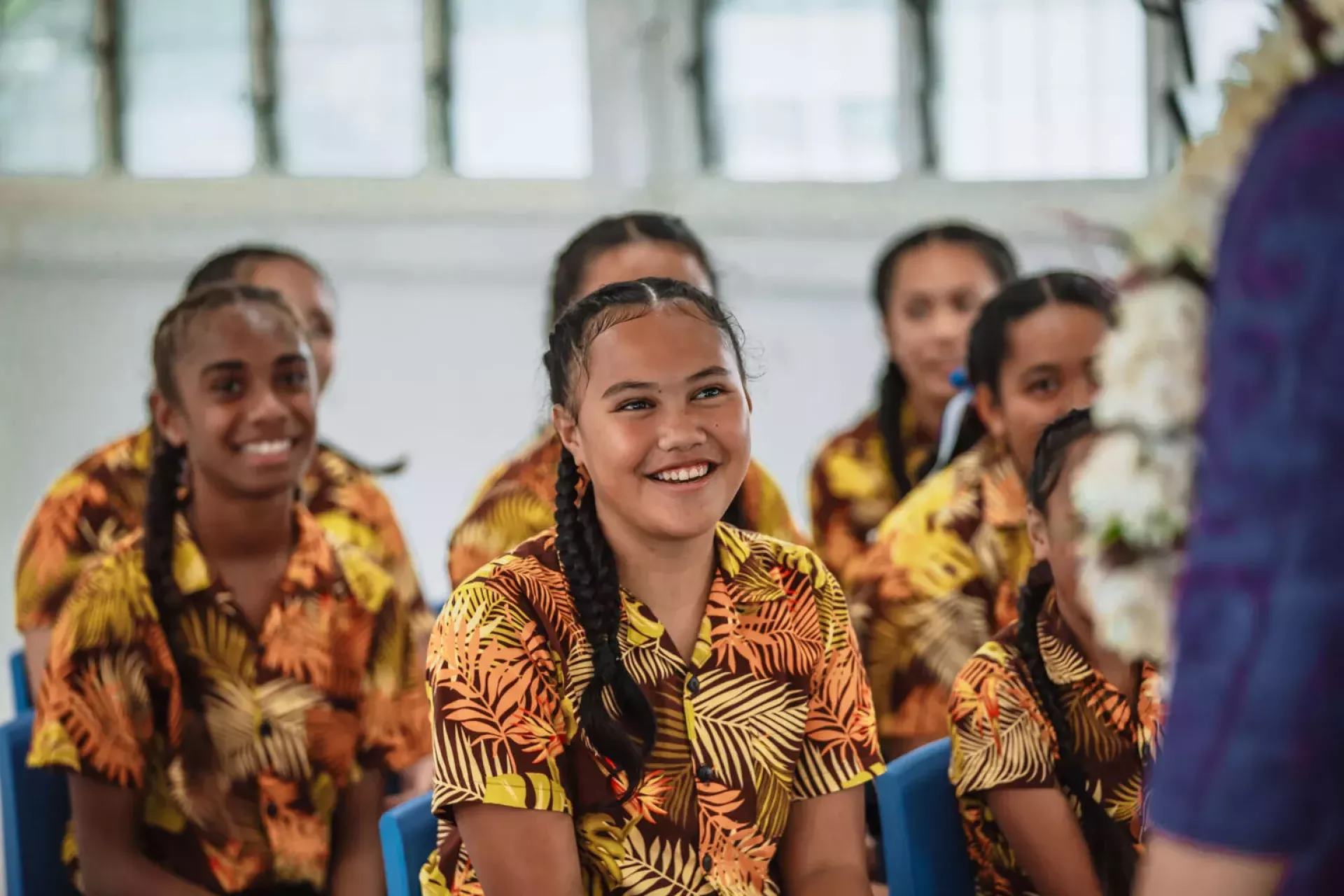
Young people account for more than half of the Pacific population and play an important role as agents of change.
They are more connected, aware and eager to bring fresh perspectives, offer solutions and support partnerships towards social change. Investing, particularly in adolescent girls, is critical for economic and social development in the Pacific Islands.
Educated and empowered girls are more likely to contribute positively to their families, communities, and the entire region.
Health and Nutrition
The average adolescent birth rate in the region is 50 births per 1,000 women (aged 15-19 years). Unintended pregnancy can negatively impact girls and lead to early marriage and dropping out of school. Adolescent girls are also more likely to suffer from iron deficiency due to menstruation and growth spurts. Overweight and obesity rates are also high in the Pacific, with girls more likely to be overweight or obese than boys.
Education
Most Pacific Island countries have achieved near gender parity in enrolment in early childhood and primary education. However, in secondary school, enrolment rates in most countries drop significantly, particularly for boys who leave school to work. Girls still face challenges transitioning from school to work - even though they may outperform boys. Barriers to accessing education are also common for adolescents with disabilities.
WASH
Water, Sanitation, and Hygiene (WASH) facilities and Menstrual Health and Hygiene (MHH) services are important for girls’ education and participation in activities. More than half of the schools in the Pacific lack basic WASH services. Access to improved sanitation facilities and clean water is uneven across the Pacific Island countries. Kiribati, Solomon Islands, and Vanuatu have the most people without access, especially in rural areas, with over 80% of the population lacking improved sanitation.
Child Protection
Violence against children is widespread in the Pacific region, affecting over 80 per cent of children. The prevalence of gender-based violence (GBV) is endemic, with nearly two out of three women subjected to physical or sexual violence in their lifetime. Corporal punishment is viewed as a normal way to discipline children in many countries. Women and girls with disabilities, for example, are at greater risk of multiple forms of discrimination and violence against them.
Social Protection
Around 40 per cent of children are estimated to be at risk of falling below the poverty line. Even in households that appear to be above the poverty line, girls and children may not benefit as much as men from financial resources. Children with disabilities and those living in remote areas are also more likely to experience poverty.
Climate, Disaster Risk Reduction and Emergencies
The Pacific faces severe climate challenges with natural disasters like volcanic eruptions, droughts, and cyclones. Women and girls are disproportionately affected by these disasters due to their reliance on natural resources and limited ability to respond.
The solution
Gender Equality and ADAP are integral priorities in UNICEF's commitment to children, permeating all aspects of its work. Investing in adolescence not only enhances immediate well-being but also generates substantial demographic benefits, fostering sustainable development.
UNICEF strategically intervenes during adolescence to create a ripple effect, promoting lifelong empowerment and equality between boys and girls, women and men. Adolescent girls programming intersects both agendas, necessitating dedicated commitments to their protection, well-being, and agency. Furthermore, meaningful participation of adolescent girls and boys is a crucial strategy for advancing gender equality. Achieving adolescents’ empowerment requires transforming gender norms influencing civic participation and the realization of rights.
Across the Pacific, we are working towards:
- Long-term approach with interventions throughout the child’s development.
- Empowering girls and adolescents by removing obstacles that hinder them from achieving their full potential.
- Promoting meaningful participation of adolescents, particularly girls, in programme design and decision-making processes.
- Targeted interventions aimed at specific priorities, including tackling adolescent pregnancy, early marriage, and violence against girls.
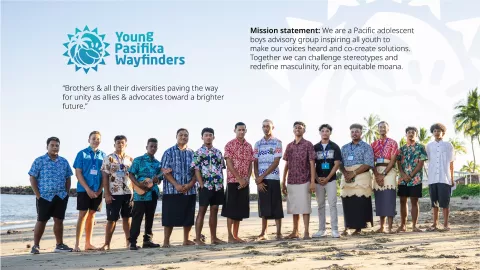
- Engaging men and boys as allies for gender equality by adopting a gender-transformative approach that promote positive masculinities in support of women and girls and in their own right, looking to build more just and equitable societies.
- Collaborative effort with governments, partners, and adolescents themselves. This multi-stakeholder approach leverages the expertise and resources of different groups for a broader impact.
- Knowledge sharing through the creation of a knowledge hub and youth-led action initiatives to share best practices, resources, and youth perspectives on gender equality within the organization.
- Data and reporting to strengthen how data is collected, analyzed, and reported. Collection of sex disaggregated data to better understand how programmes impact girls and boys differently.
- Integration of gender throughout UNICEF’s programmes.
Resources
Strategic guidance for these two domains includes the UNICEF Pacific MCO Gender Equality and Adolescent Strategy 2024-2027, and its Brief, which proposes actions to advance gender equality and the participation of adolescents in specific priority areas in line with the global UNICEF Gender Action Plan (2022-2025).
The UNICEF Strategic Plan 2022-2025 underscores the importance of strengthening mechanisms for adolescent participation and civic engagement. UNICEF’s Guidelines on Adolescent Participation and Civic Engagement provide the conceptual understanding and strategies to expand opportunities for adolescents to participate meaningfully in various aspects of their lives, including home, school, community, and political processes. UNICEF's Programme Guidance for the Second Decade and Adolescent Girl Programme Strategy 2022-2025 elaborates on the need to programme with and for adolescents, in order to fulfil child rights during adolescence.