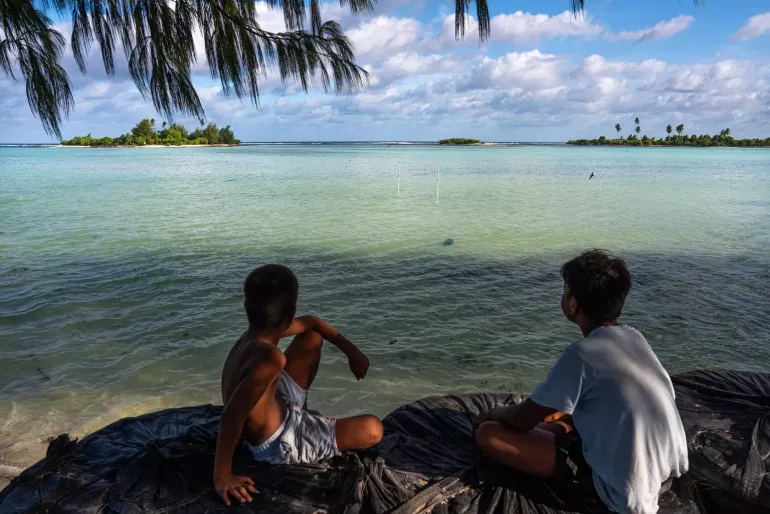
In Kiribati, leadership isn’t just found in government buildings or boardrooms—it’s alive in classrooms, village halls, and even on the sandy shores of our islands. And guess what? It’s young people who are rising up (‘TEIRAKE’) and shaping the future.
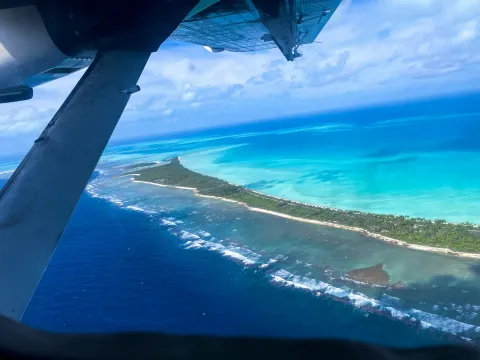
I grew up in a beautiful island nation made up of 33 coral atolls and reef islands scattered across the Pacific ocean. One of those islands is Kiritimati—aka Christmas Island. It’s remote, it’s massive, and it’s full of potential. It takes about 4 hours by plane to get there from South Tarawa which is the mainland of Kiribati, which means Kiritimati faces its own unique challenges. But if there’s one thing we’ve learned out here, it’s this: distance doesn’t stop determination.
Why Youth Leadership Matters
Kiribati has a population of around 120,000—and over half of us are under 30. That’s not just a fun fact. That’s a wake-up call.
Sure, being young in a remote island nation comes with challenges—unemployment, lack of opportunities, and sometimes feeling left out of national conversations. But it also means we’re full of ideas, energy, and the drive to make things better. We’re not just the future—we’re the ‘now’.
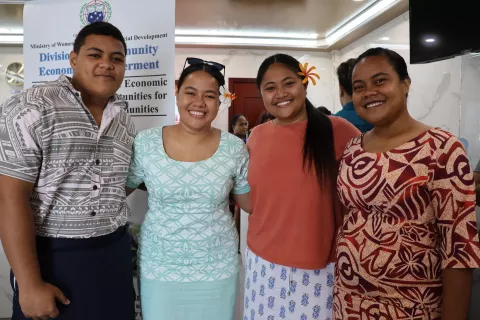
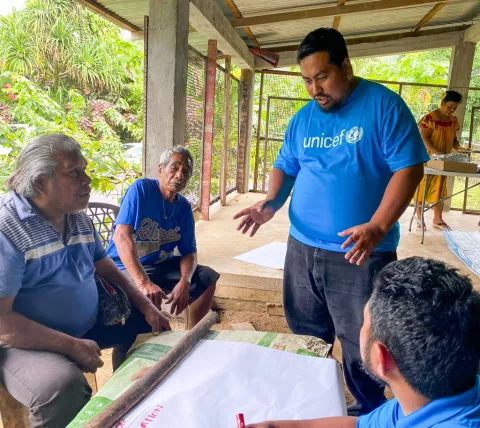
That’s why we launched the Youth Leadership Training on Kiritimati from February 10–12, 2025. Over 20 young people (aged 18–25) came together for three days of learning, connecting, and dreaming big.
With support from UNICEF, Tungaru Youth Action, the Kiribati National Youth Council, and the Ministry of Women, Youth, Sports and Social Affairs, we didn’t just host a training—we lit a spark.

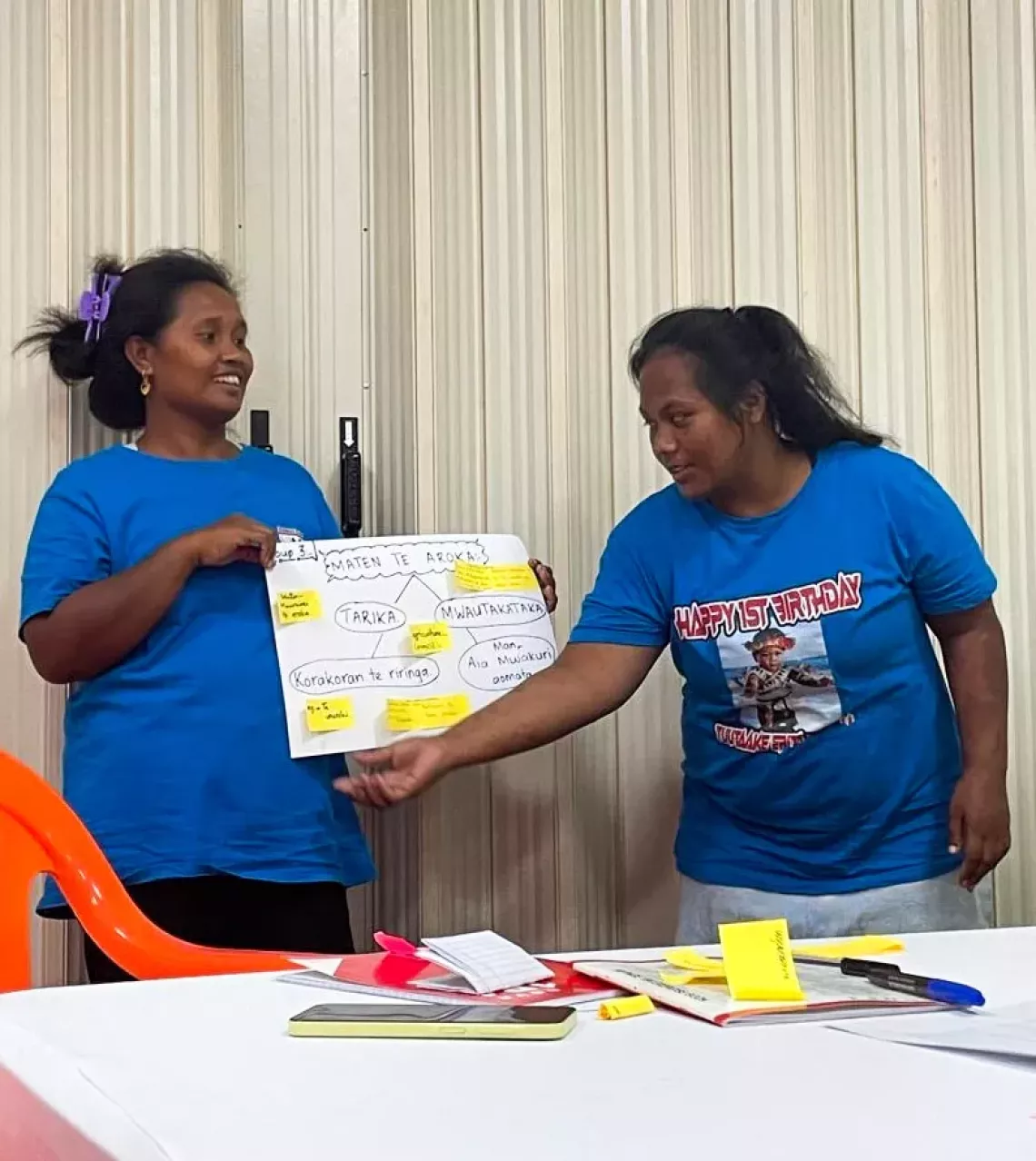

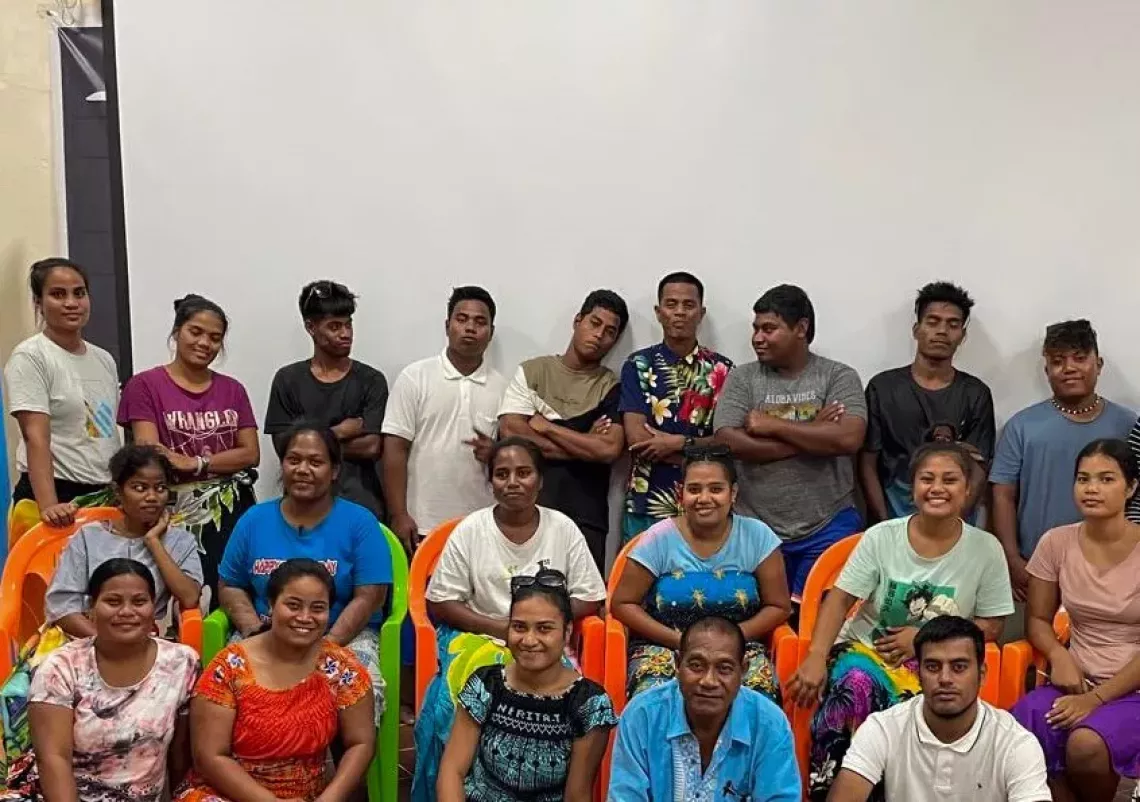

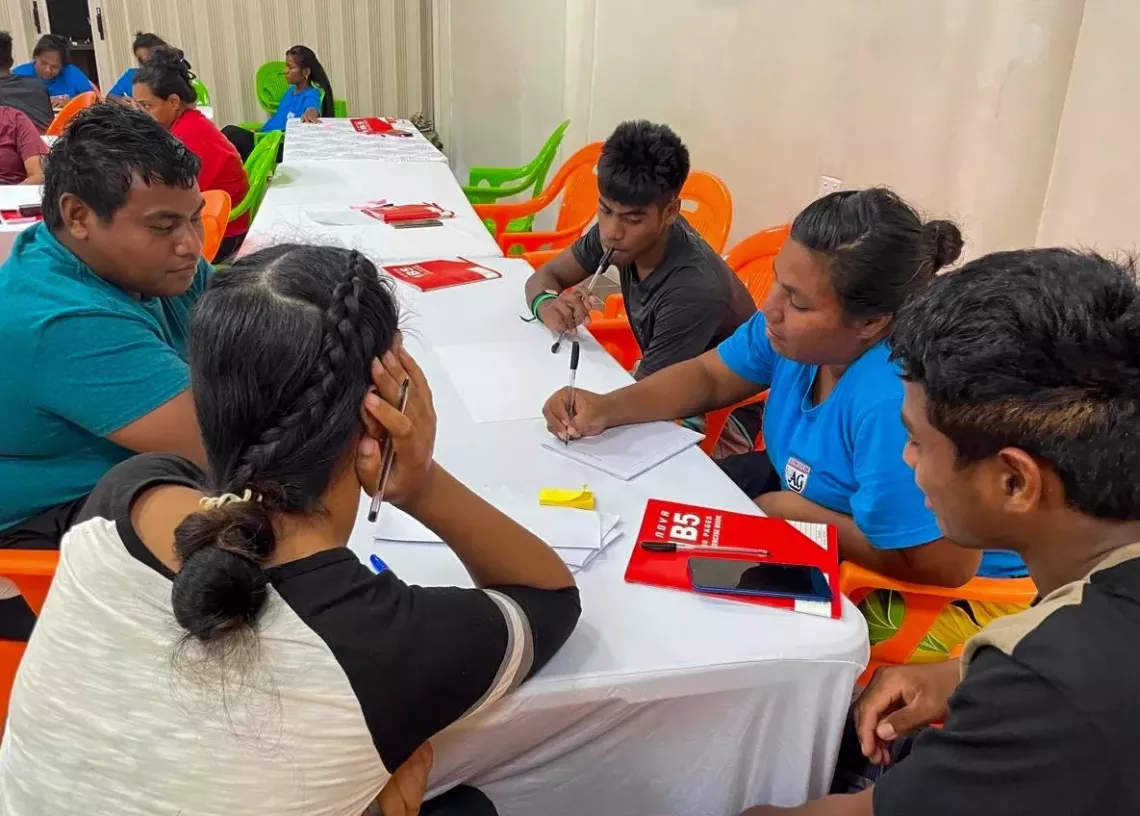
What Went Down: 3 Days of Growth, Grit, and Goals
We packed a lot into those three days:
- Leadership and personal growth
- Community engagement and youth advocacy
- Project planning and sustainable development
- Communication and team-building
- Real youth participation (not tokenistic stuff)
What stood out? The energy. The creativity. The passion. These weren’t just attendees—they were already leaders in action and now they are becoming more empowered to turn the tides on their shores starting from their communities.
“I feel empowered by the three-day training, especially the sessions on youth advocacy. I am now motivated to share the lessons I’ve learnt with other youths from my village, to rise up and actively lead solutions to the problems that we see.” — Nei Katarina, Banana Village.
A First for Kiritimati: Meet the Mouakena Youth Association
One of the biggest wins? The birth of the Mouakena Youth Association—Kiritimati’s first-ever youth-led organization. This isn’t just a group. It’s a movement. A platform for young people to lead, speak up, and take action.
And we made sure it was inclusive. One of our participants was deaf, and with the help of a sign language interpreter, she was fully engaged. It was a powerful reminder: inclusion isn’t optional—it’s essential.
My personal journey: From Participant to Facilitator
This training hit close to home for me. My own leadership journey started when I was nominated to attend a Youth Advocacy Training in Bangkok in 2023, thanks to UNICEF. That experience sparked a cascade training in South Tarawa, where I live. Then I applied for a grant and my proposal to bring youth leadership training to Kiritimati was selected.
Fast forward to August 2024, I joined UNICEF as a Youth & Adolescent Engagement Officer in Kiribati. Co-facilitating this training with Mr. Abetenoko—who was once a participant in my first training—was a full-circle moment. Watching him lead sessions on Kiritimati filled me with pride and hope.
What’s Next? Let’s Keep the Momentum Going
We’re just getting started. Here’s what we need to keep the fire burning:
- Support Youth Projects
The energy is there – but follow up is critical. These young leaders need mentorship, in-person guidance, and access to resources to help bring their ideas to life. - Listen to Local Voices
Youth identified real issues in their villages:- Tabwakea: Drought and water scarcity
- Ronton: Coastal erosion and waste
- Banana: No proper bus stand for school students
- Poland: Education quality needs a boost
- Back the Mouakena Youth Association
This new group needs partners. Let’s work with them, not just for them. - Reach Remote Youth
Youth on outer islands like Kiritimati deserve equal access to opportunities. Regular, in-person capacity-building workshops and leadership training tailored to their needs and context is essential. - Prioritize Inclusion
Many deaf youth in Kiritimati haven’t learned sign language. Let’s change that with inclusive education, sign language training, and tailored workshops—to ensure no young person is left behind.
Final Thoughts
Youths aren’t a problem to solve—they’re the solution we’ve been waiting for. The Kiritimati Youth Leadership Training proved that when we invest in young people, it’s like giving young people the key to unlock a promising future for themselves and the next generations to come!
Let’s keep showing up, speaking out, and stepping up. Kiribati’s future is in good hands—ours.
* TEIRAKE in Kiribati means Rise up or Stand up so the title means ‘Rise up Young leaders on Kiritimati island’.
The Youth led Advocacy Initiative aims to accelerate the impact of young changemakers to positively transform themselves and their communities. The goal is simple: to enable young people to take action and make change. The Initiative is led by UNICEF's Adolescent Development and Participation (ADAP) team.