Water Opened the Door for Healthcare to Return
A story of renewed hope in Nayavuira, Rakiraki
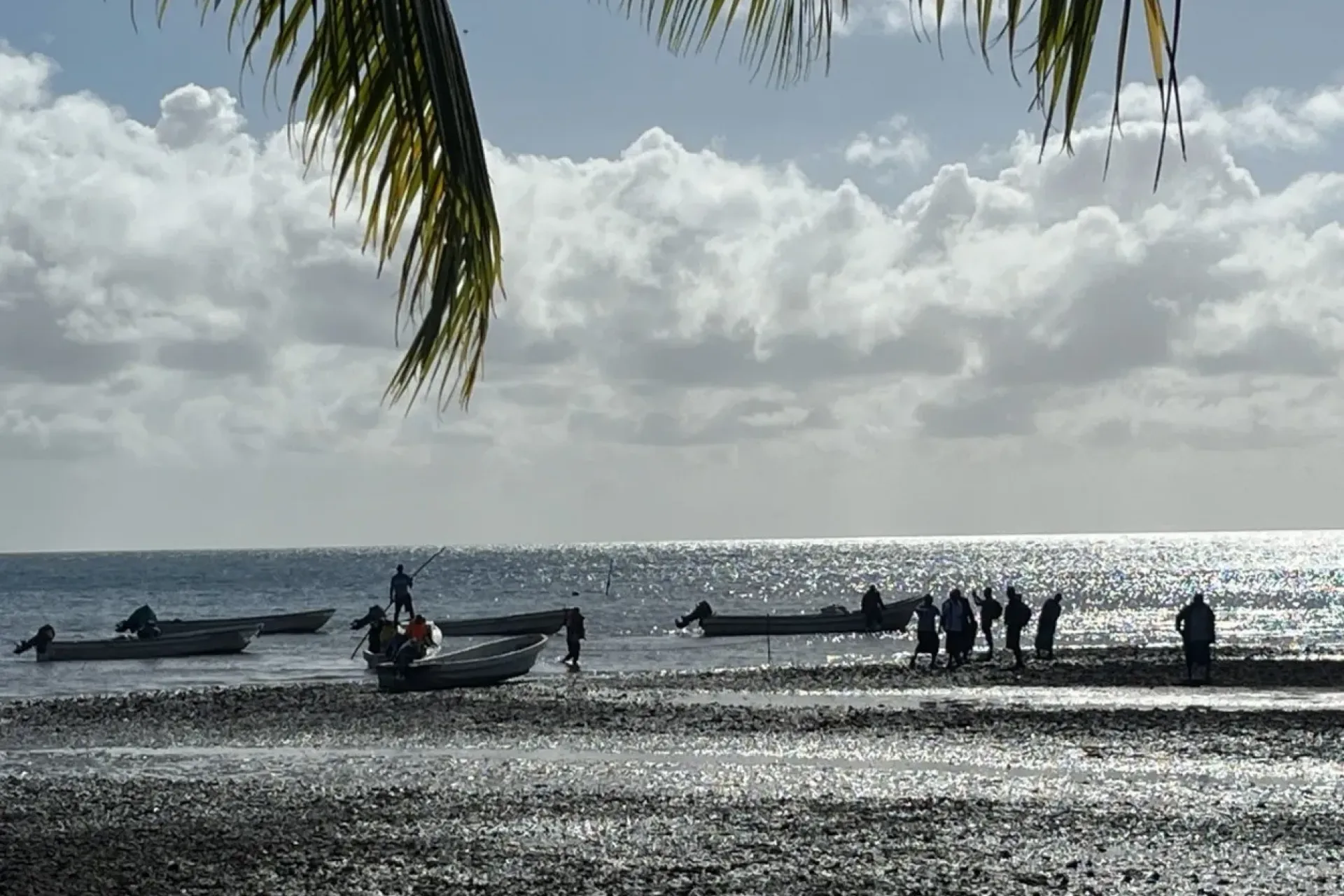
At the far edge of Rakiraki, across the sea lies the remote village of Nayavuira, its isolation shaping daily life for the 480 residents who call it home. For this small community, access to healthcare was a constant concern: reaching the mainland means a journey by boat, lasting anywhere from half an hour to over 90 minutes depending on the waves. Once ashore, the trip continues by bus for another 18 kilometres to Rakiraki Hospital. For parents with sick children, elders needing care, or anyone else with a health concern, this is really the last thing they want to face.
The Nayavuira Nursing Station should have stood as the community’s first line of care, but lacking clean water, toilets, and basic hygiene facilities, it was nearly impossible for health workers to stay
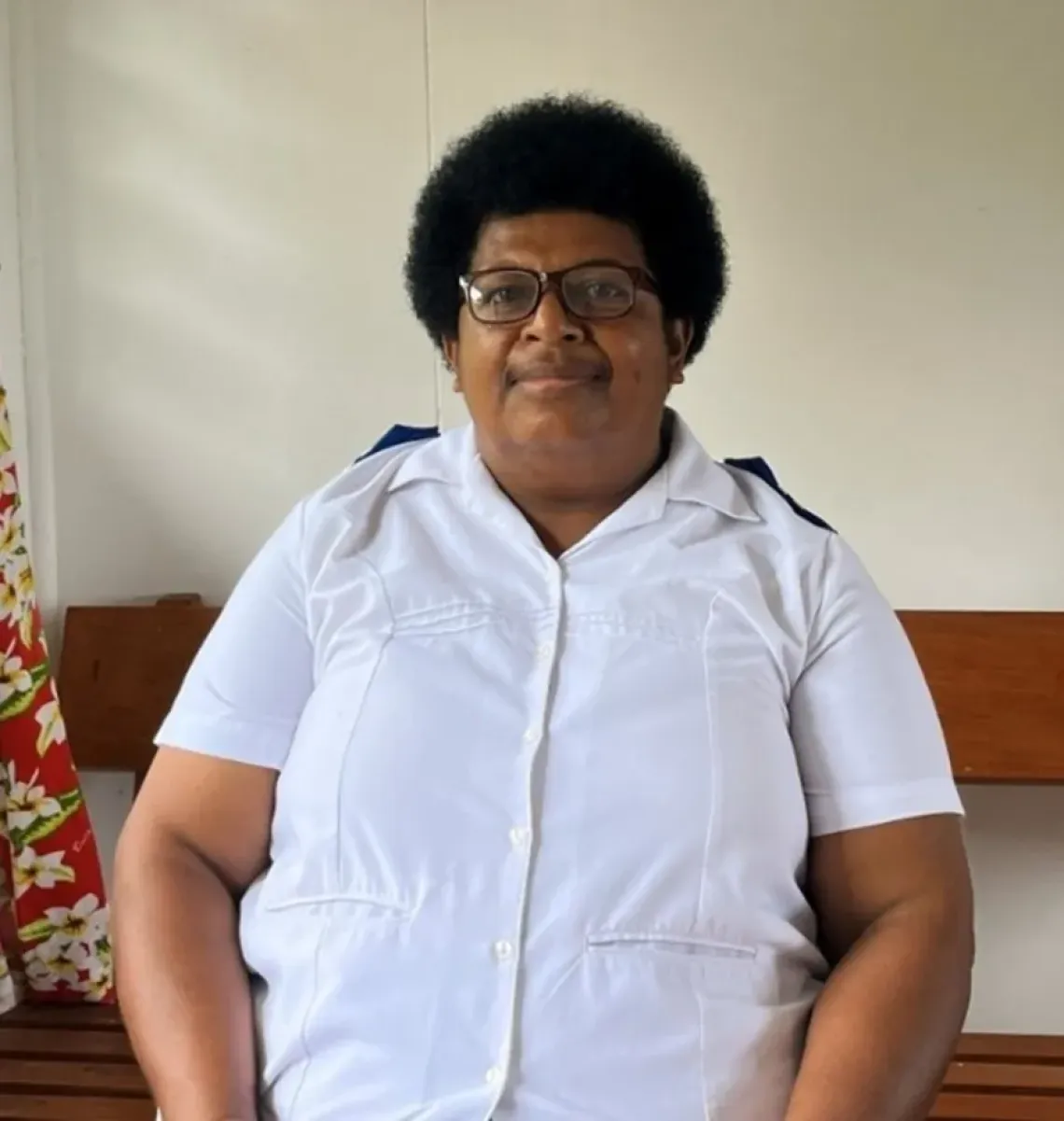
“How can you care for patients when there is no water? You cannot wash your hands or clean your instruments,” says nurse Maritina Tinainasomi.
Instead, families found themselves forced to make costly and exhausting journeys for even minor illnesses, with a single hospital visit draining up to US $50 from household budgets - a significant sum in this remote setting.
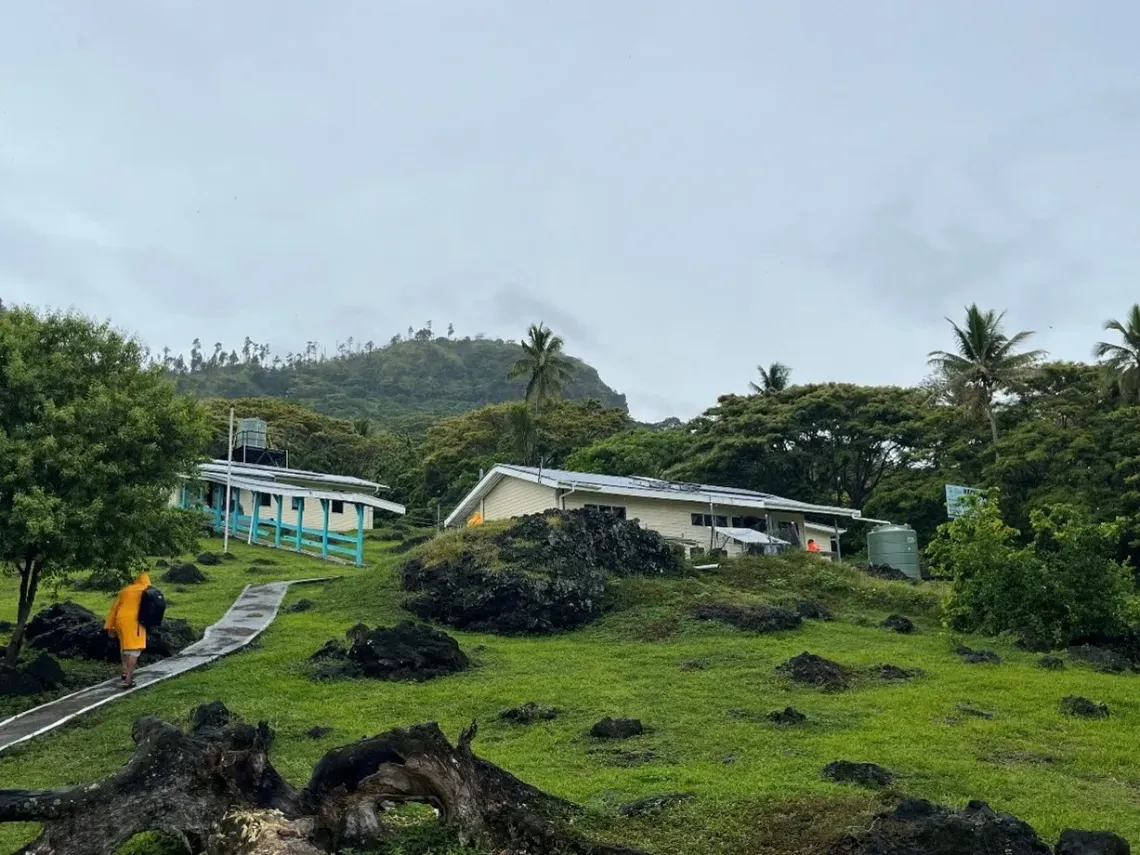
In 2024, UNICEF and the Fiji Ministry of Health and Medical Services (MHMS) started working on a plan to change all this around. With a catchment area of 3 kindergartens and a primary school, Nayavuira needed a functioning health centre – one with permanent staff able to keep themselves, their patients and their equipment clean.
To make this possible, climate-resilient WASH infrastructure was installed at the Nayavuira Nursing Station. The upgrades included a new water supply line and 20,000-litre storage tanks, solar power for reliable electricity, renovated toilets, and new handwashing stations with improved hygiene facilities. Each element was designed to withstand heavy rain, cyclones, and power cuts, ensuring that the centre could remain open and safe for both staff and patients.
Once the facility was finally ready to reopen, nurse Maritina Tinainasomi moved into the staff quarters and began providing full-time care – restoring essential health services to the heart of Nayavuira. She says that from the day she arrived, there has not been a single day without water.
“Because there is clean water, I was able to come here. Without these conditions, it would have been very difficult to work,” she says. “Now, when a patient walks in, I can wash my hands and start care immediately.”
One of the biggest improvements she says, is infection prevention. “The risk of infection used to be very high. Now we can properly clean instruments, sanitise our hands, and care for patients safely, especially babies and those with low immunity.”
Nayavuira does not have a delivery room, so high-risk pregnancies are referred to larger hospitals. However, postnatal care for mothers and newborns is provided at the local station. Maritina recalls a recent visit from a young mother and her baby. “I was able to bathe the newborn, sterilise the tools, and support the mother — all with clean water. That is a big change.” In the past, such basic and essential services were extremely difficult to provide due to water scarcity.
With the nursing station open again, patients have begun returning, some by boat, others on foot from nearby villages. “They tell me the place feels clean and safe now. And they are relieved not to travel far anymore.” The new patient toilets are especially appreciated. Previously, many had to rely on uncomfortable and unsafe facilities in the village. “Now when patients come in, they feel safe and respected. They are no longer embarrassed or worried about using the facility. The place is clean, and their dignity is protected.”
“Your health begins here,” Maritina urges. “This facility belongs to all of us. Keep it clean, practice good hygiene, and the village stays healthy.”
WASH improvements have done more than repair infrastructure; they have made it possible for healthcare to return. “When I see patients recover after just a day or two, it makes me truly happy,” Maritina says. “Because these facilities exist, I can give my best.”
The reopening of Nayavuira Nursing Station was supported by the Republic of Korea (ROK) through ACT-A, UNICEF’s technical guidance, and the Fiji Ministry of Health. Together, they delivered reliable water, safe sanitation, solar energy, and climate-resilient infrastructure — enabling healthcare to return and protecting children and families.