Nigeria's Polio Journey to Zero
It's been three years now and Nigeria has not recorded a single case of wild polio. A network of frontline workers and traditional leaders have been instrumental in polio eradication and strengthening community health systems.
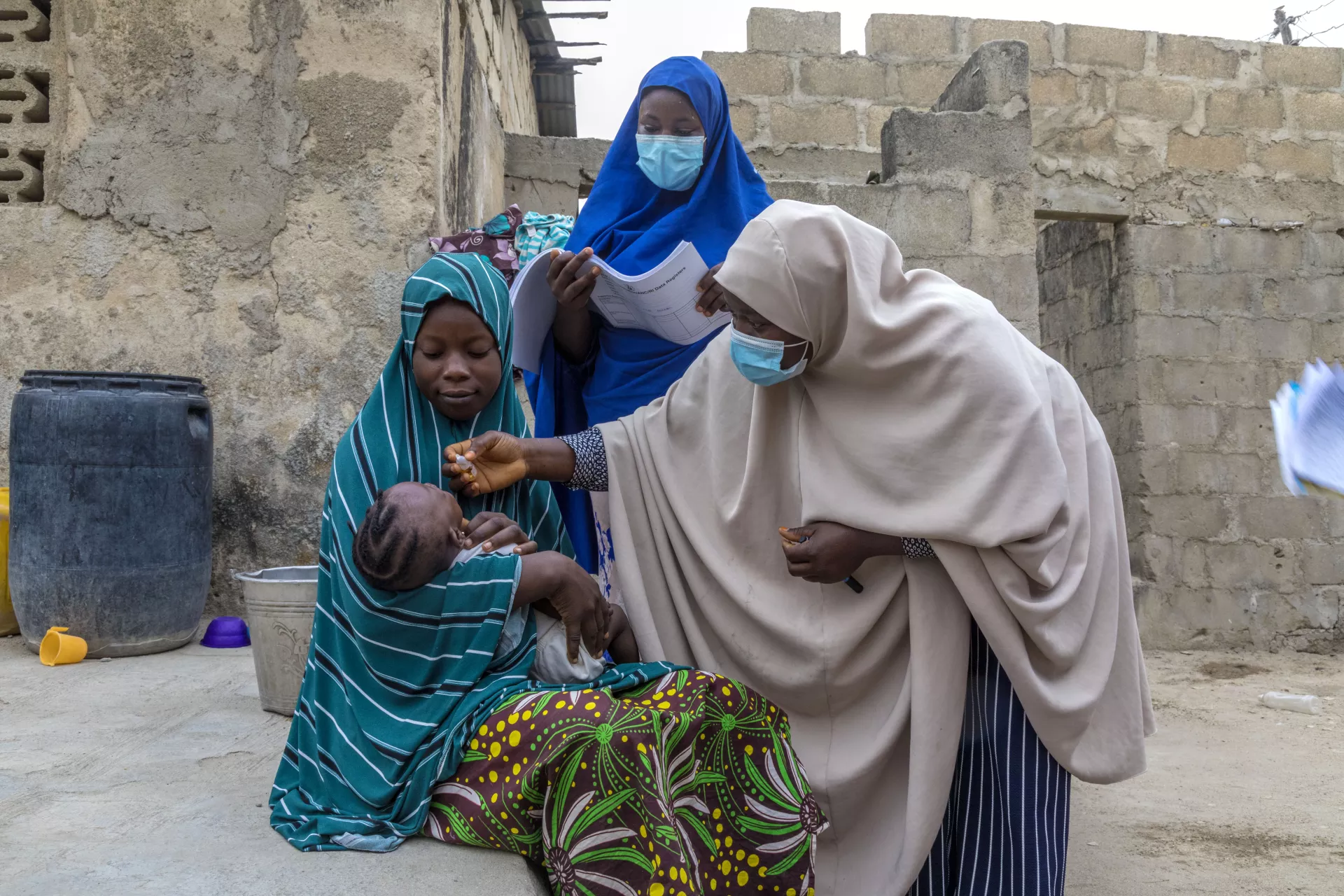
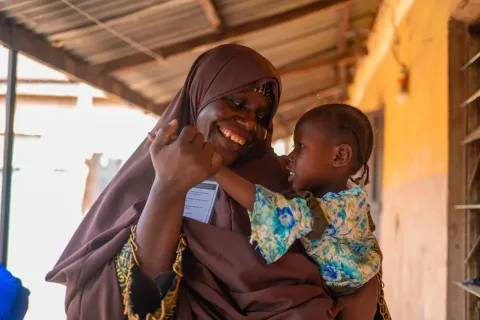
Najaatu Musa makes her way through Bosso2 community. She leads her team on the house-to-house routine vaccination campaign in Minna, Niger State, north-central Nigeria. They make a stop at Amina Mohammed’s compound, where a member of her team vaccinates six-month-old Amina, who shares the same name with her mum. Najaatu is a volunteer community mobilizer.
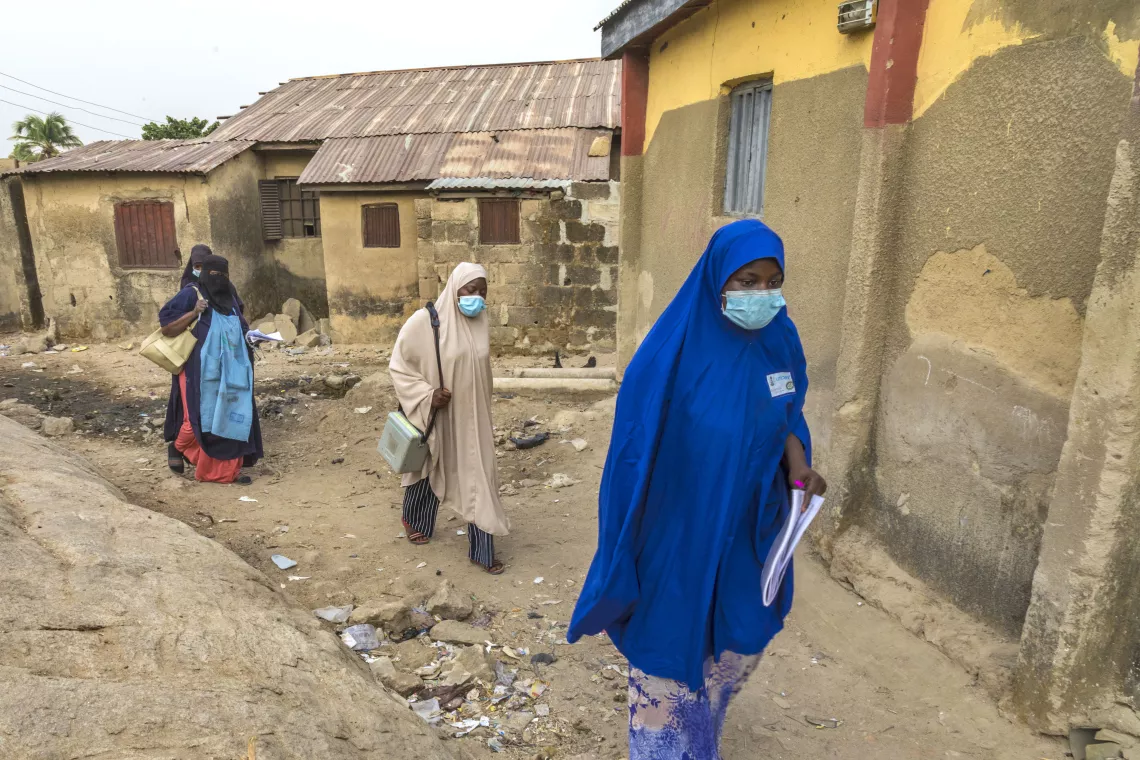
“I became a volunteer community mobilizer because I saw the need to help women in our community and their children. I teach them the importance of ante-natal care and routine immunization, so that when they give birth, they’ll know when to take the child for vaccination,” says Naajatu as she supervises her team.
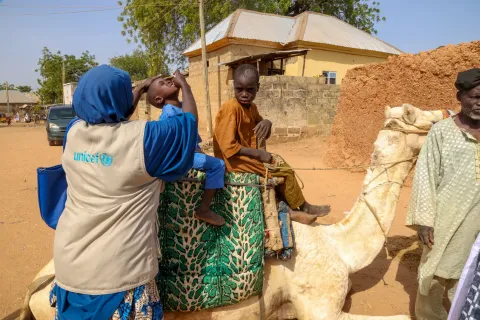
Najaatu is one of the many volunteer community mobilizers working in northern Nigeria to ensure every child is vaccinated against childhood killer diseases, thereby contributing to the polio/routine immunization success story.
Nigeria’s battle with poliomyelitis has been a huge success! There has been no recorded case of wild polio virus since 2016. The last case was recorded in Borno State, north-east Nigeria in 2016.
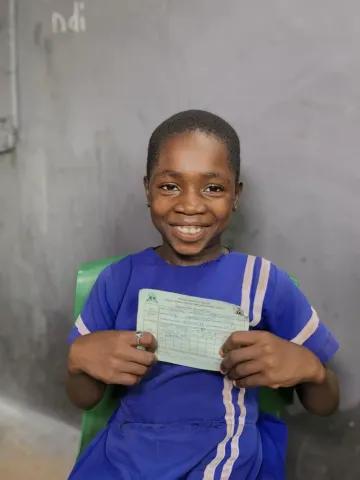
To sustain Nigeria’s polio-free status, over 270 million vaccines are administered yearly in the country. Frontline health workers serve as the lead in this combined effort to totally eradicate polio in Nigeria.
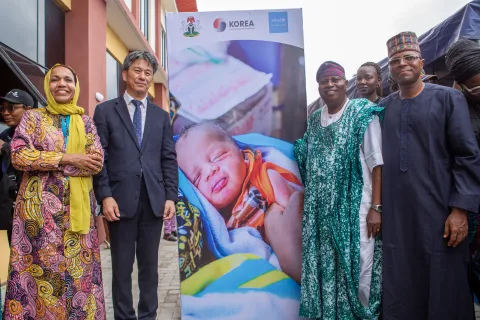
The success recorded in Nigeria drew members of the US congressional staff to the country, led by Brian Massa, Director of Global Health Advocacy, Immunization and Global Health Security at the United Nations Foundation, for an overview of UNICEF and WHO’s support to Nigeria’s polio eradication, immunization, and COVID-19 vaccination efforts.
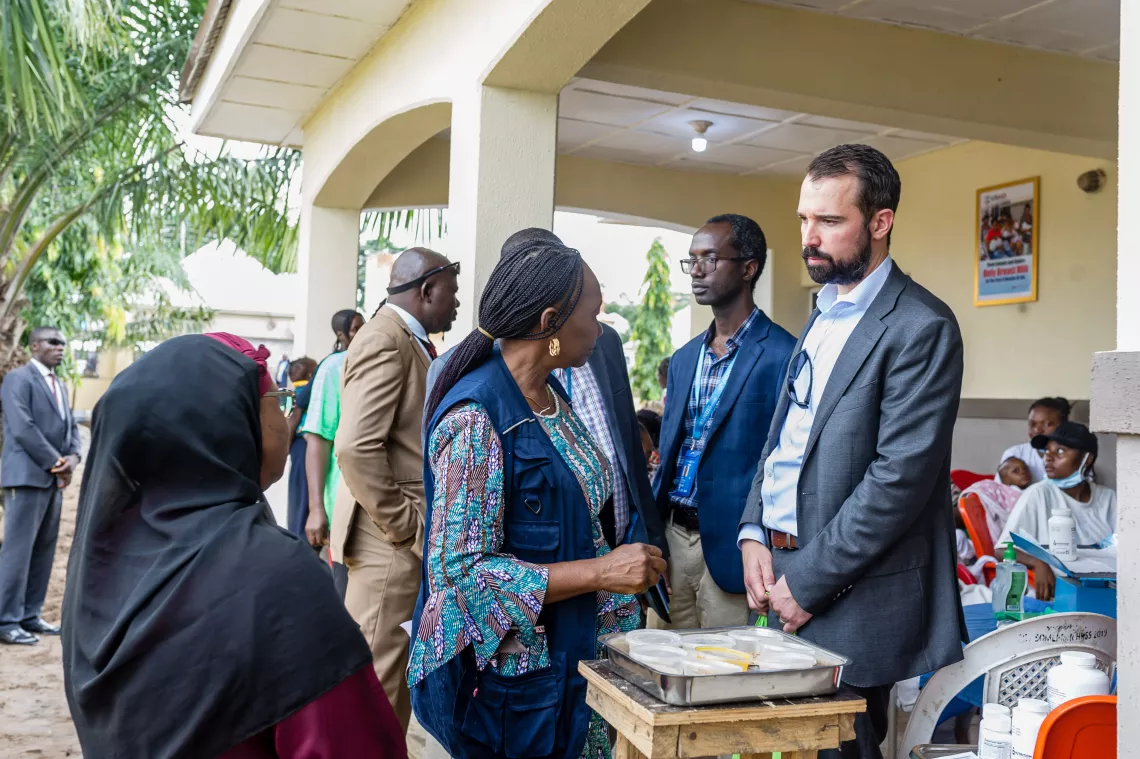
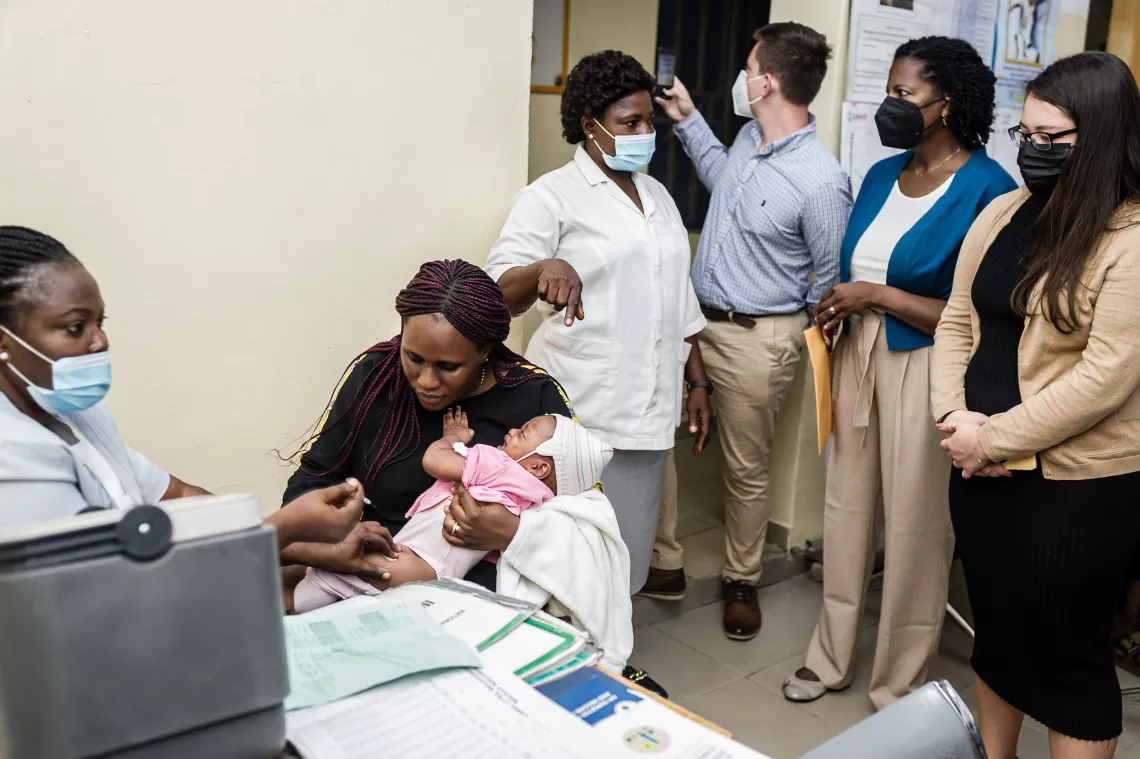
“Our visit to Nigeria is to see the investments made on polio eradication, but we now see that the efforts have impacted routine immunization, primary health care and COVID-19 efforts. This is a remarkable achievement,” said Brian.
The team observed children being immunized at the Aleita primary health care centre, a suburb of Nigeria’s Federal Capital Territory.
Nigeria deployed various strategies and implemented many programmes in the efforts to eradicate polio under the National Polio Eradication programme, with States creating and adapting theirs to suit their various contexts.
The US Congress team had the opportunity to visit Jiwa community in the Federal Capital Territory, whose traditional leader, Alhaji Idris Musa, was a former health worker.
Alhaji Musa briefed the team on how his efforts and those of other traditional leaders helped in dispelling a lot of misinformation that was spread within their communities.
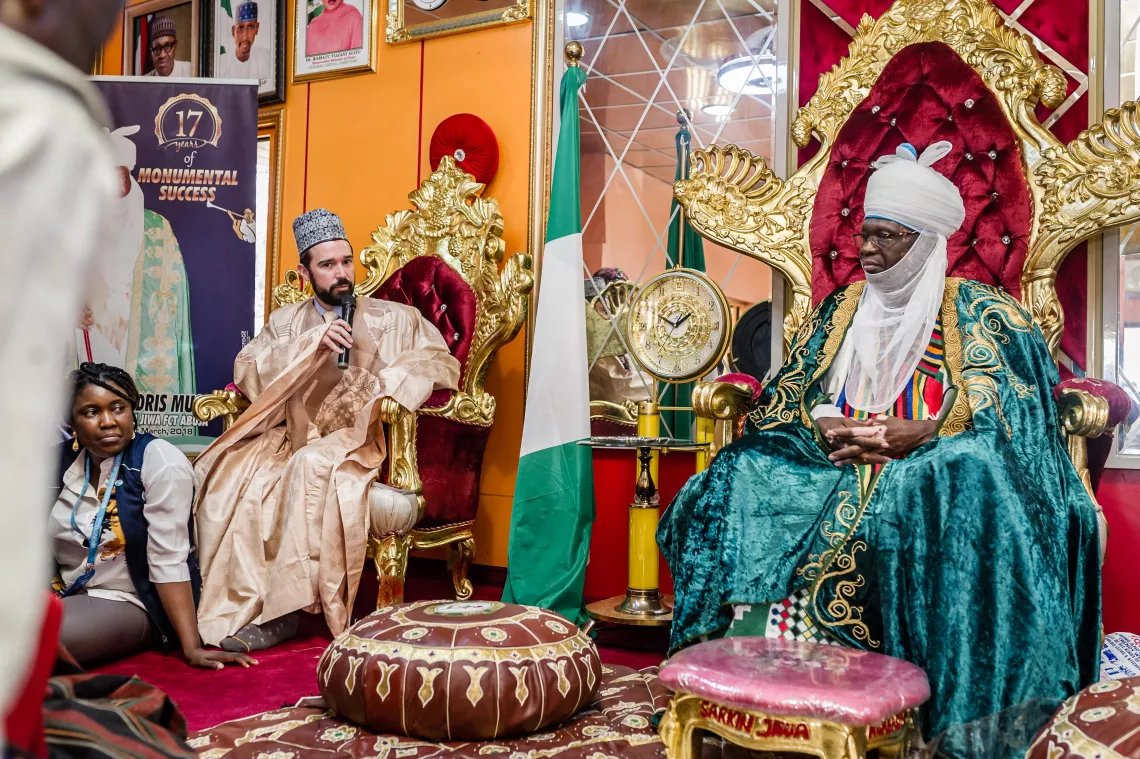
“My experience as a health worker greatly influenced my advocacy for health care in our community. I used to administer Polio vaccines to children in the community while serving as a public health officer. Now as a traditional leader, I’m able to dispel myths about polio vaccination when misinformation is spread,” explained the emir.
Emir Musa also played a significant role in supporting sensitization campaigns on the importance of polio vaccination and routine immunization in Nigeria.
UNICEF Nigeria’s Chief of Health, Dr. Eduardo Celades, however, believes that Nigeria is not yet out of the woods, as a lot still needs to be done to keep Nigerian children safe from polio permanently.
“We might have won the battle against wild polio, but the war against other types of polio is not yet over. The presence of the polio virus anywhere in the world is a threat to children everywhere.”
“Thanks to collaborative efforts, perseverance, and strong conviction that a world without any type of polio is possible, we have kept wild polio virus out of Nigeria’s borders”.
“It is gratifying to note that with the support of UNICEF and other partners, the Nigerian government is maintaining that equilibrium as far as polio is concerned.”