Mummy Told Me It Will Protect My Future
A Daughter's Trust, A Mother's Mission
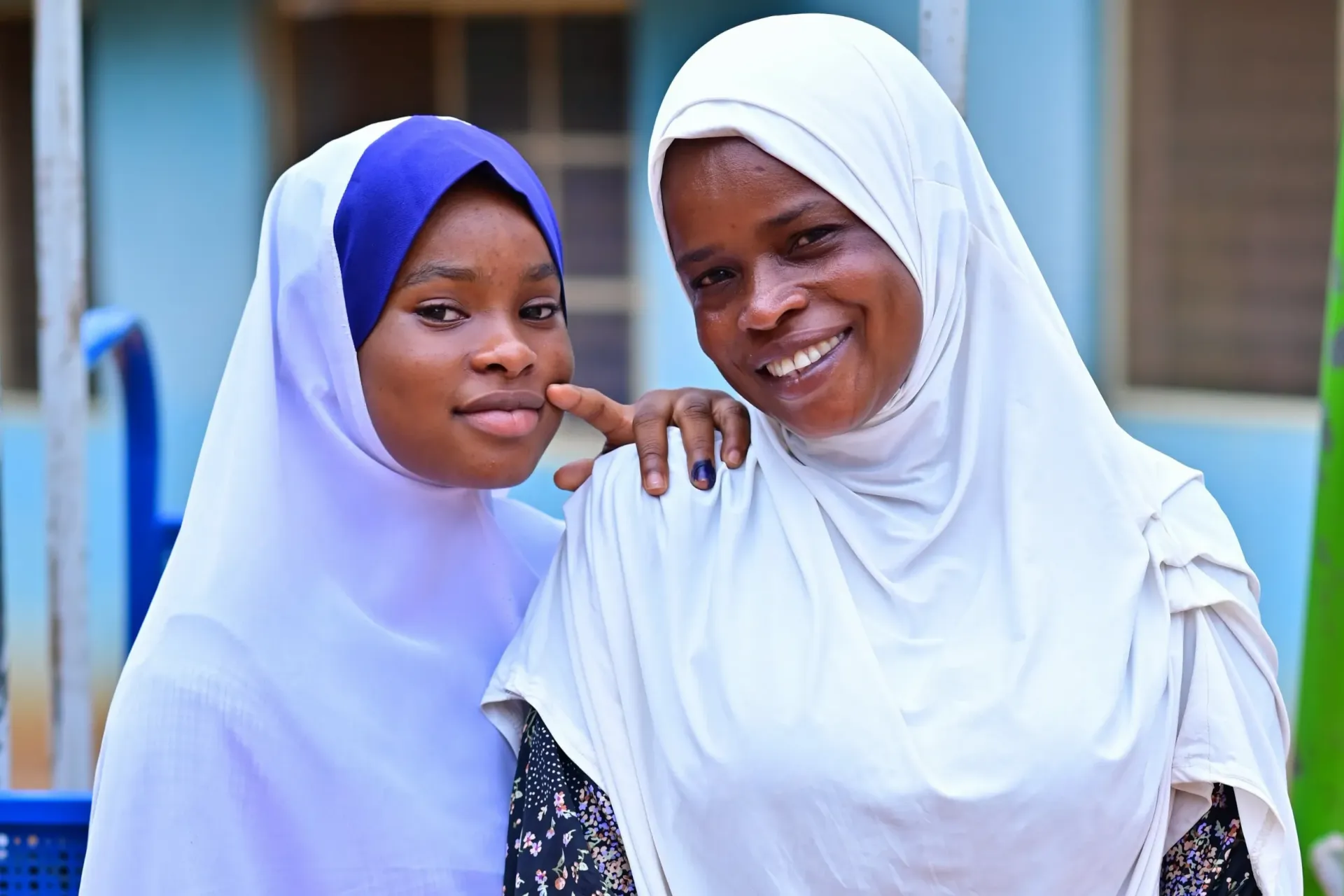
When the HPV vaccine cost ₦50,000, public health nurse Kafayat Raji could only dream of protecting her daughter Aisha from cervical cancer. Today, that protection is free, and this mother-daughter pair is changing what is possible for girls in Oyo State.
In the quiet morning light of Ibadan, before the roads fill and the sun starts to bite, Kafayat Raji, a nurse by profession, steps out of her home with a sense of purpose she has carried for more than two decades. Everyone in Inalende knows her, from shopkeepers lifting their shutters to schoolchildren rushing past with half-tied uniforms. They call her “Nurse Raji” with the kind of fondness reserved for someone who has been part of the community for as long as anyone can remember.
But this morning sits differently on her shoulders. Today, she is not only a health worker. She is a mother finally keeping a promise she has held quietly for years.
For the longest time, the HPV vaccine was a dream just slightly out of reach. At nearly fifty thousand naira, it was something she wanted desperately for her daughter Aisha but could never afford. She carried that fear silently, knowing too well what cervical cancer looks like when it arrives too late. She has held the hands of women fighting battles they did not know were coming, battles that could have been prevented with a vaccine their families simply could not pay for.
I wanted to protect her, but back then, it was not financially possible.
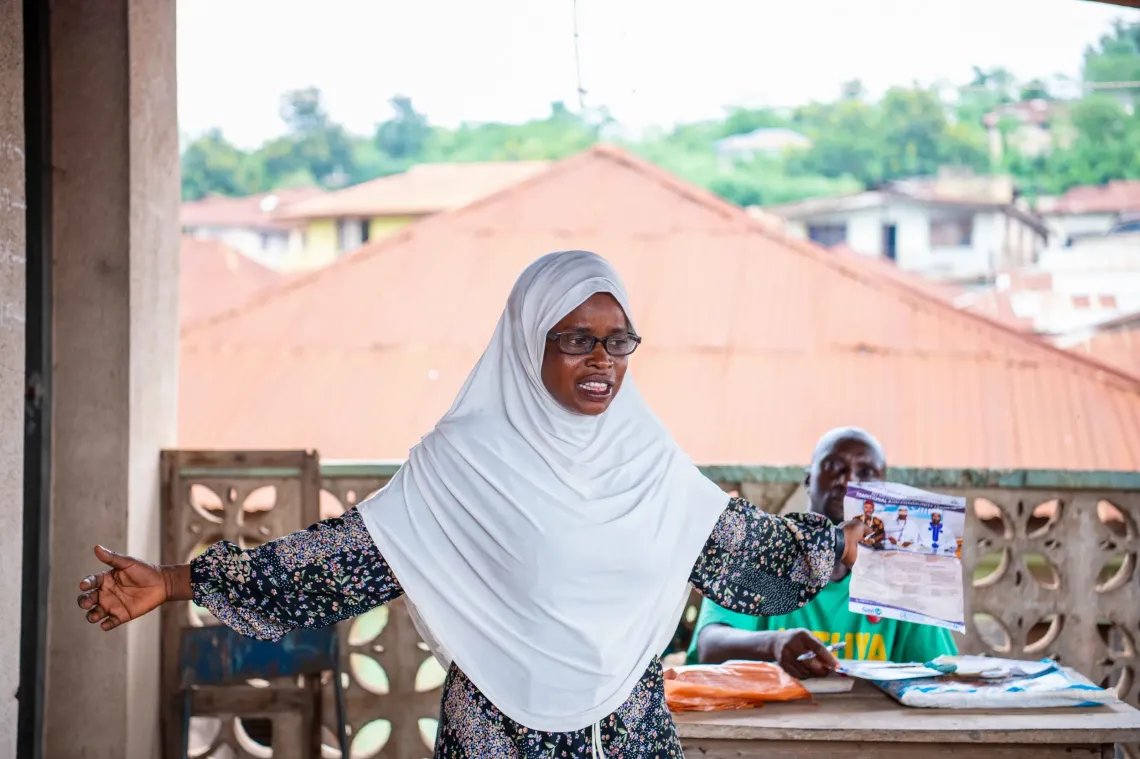
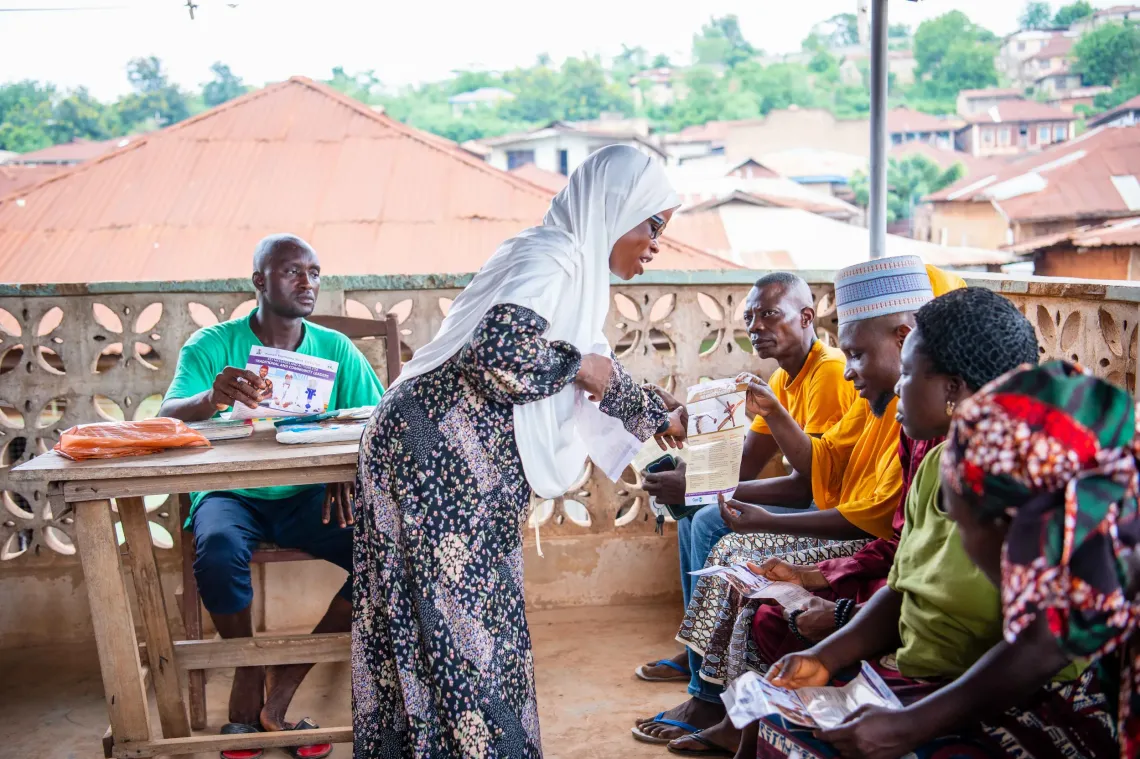
For years, she has moved through communities in Inalende Ward, from Bola to Agala, stopping in courtyards and markets and school corridors. She explains what HPV is, how it spreads, and why vaccinating girls early can protect them years before they even understand the risk. She sits with mothers and fathers, grandmothers and aunties, answering fears that come from not knowing, breaking down myths before they spread.
“People know breast cancer,” she says. “Everyone talks about that. But cervical cancer? Many only hear about it when the sickness has already taken hold. That is when it hurts the most.”
That gap in awareness is exactly why she walks these streets every day.


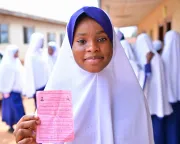
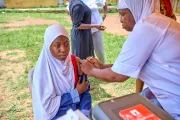
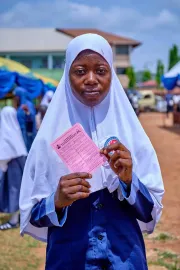

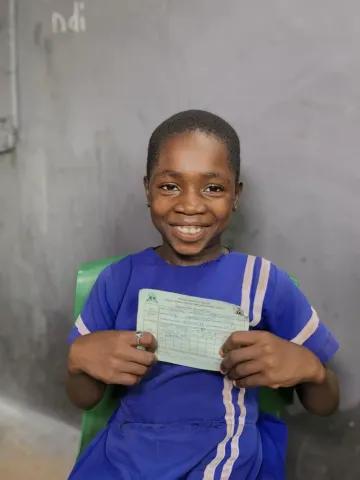
At Aisha’s school in Bashorun, vaccination day fills the courtyard with nervous energy. Girls stand in small clusters, laughing too loudly, holding each other’s hands, whispering about the needle they pretend not to be afraid of. The nurses set up their tables, and every so often a girl steals a quick glance, then looks away as if that will make the moment pass faster.
Aisha stands among them, quiet but determined. She has heard her mother talk about this vaccine for years. She knows what it means. She knows why it matters.
“I am a little scared,” she admits. “But mummy told me this will protect my future. So I trust her.”
When her name is called, she steps forward, her shoulders stiff with nerves. The nurse bends slightly to meet her eyes and explains each step slowly, reassuringly. Aisha nods. One quick pinch, one steady hand on her arm, and it is over.
“It only pained for a second,” she says afterward, smiling through the relief. “I feel strong.”
Her classmates cheer and tease her, and the tension breaks. One after another, the girls come forward. What begins with one girl’s bravery becomes a chain reaction of courage across the courtyard.
A few feet away, Kafayat watches her daughter, her eyes bright with pride and quiet relief. For years, she carried the ache of knowing there was a vaccine that could protect Aisha, but she could not give it to her. Watching her daughter receive it today feels like lifting a weight she has long carried alone.
“This gives our girls a chance,” she says. “A chance to grow without fear.”


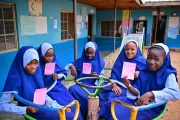
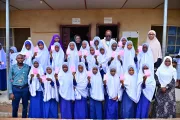
Across Nigeria, that chance is now within reach for millions of girls. The HPV vaccine, once unaffordable for most families, is now free for girls aged 9 to 14. And with its addition to Nigeria’s routine immunization schedule, parents can walk into any health facility once their daughters turn nine and give them this life saving protection.
“This vaccine saves lives,” Kafayat says firmly. “All we must do is make sure every family understands it and brings their daughters.”
As the school day resumes, Aisha gathers her books, her smile returning as the nerves fade away. She dreams of becoming a teacher one day, maybe even a nurse, just like her mother. Today feels like a small step toward that future, a step taken with courage, trust, and a tiny sting of a needle.
“I know I can grow up healthy now,” she says softly.
At the school gate, Kafayat waits, watching the girls scatter across the dusty street, their chatter rising in the warm Ibadan afternoon. Each girl carries something invisible but powerful, protection that was once out of reach and is now firmly in their hands.
With every HPV dose given, another girl’s tomorrow opens wider. Another mother breathes easier. Another future becomes possible.
HPV vaccines are now available free of charge for all girls aged 9 to 14 across Nigeria. Parents can visit their nearest health centre to ensure their daughters receive this life saving protection against cervical cancer.