Muhammed, a returnee Almajiri, puts his dream back on track
UNICEF supported the Kaduna State government to reunite more than 35,000 Almajirai with their parents and has trained social workers in child protection and case management
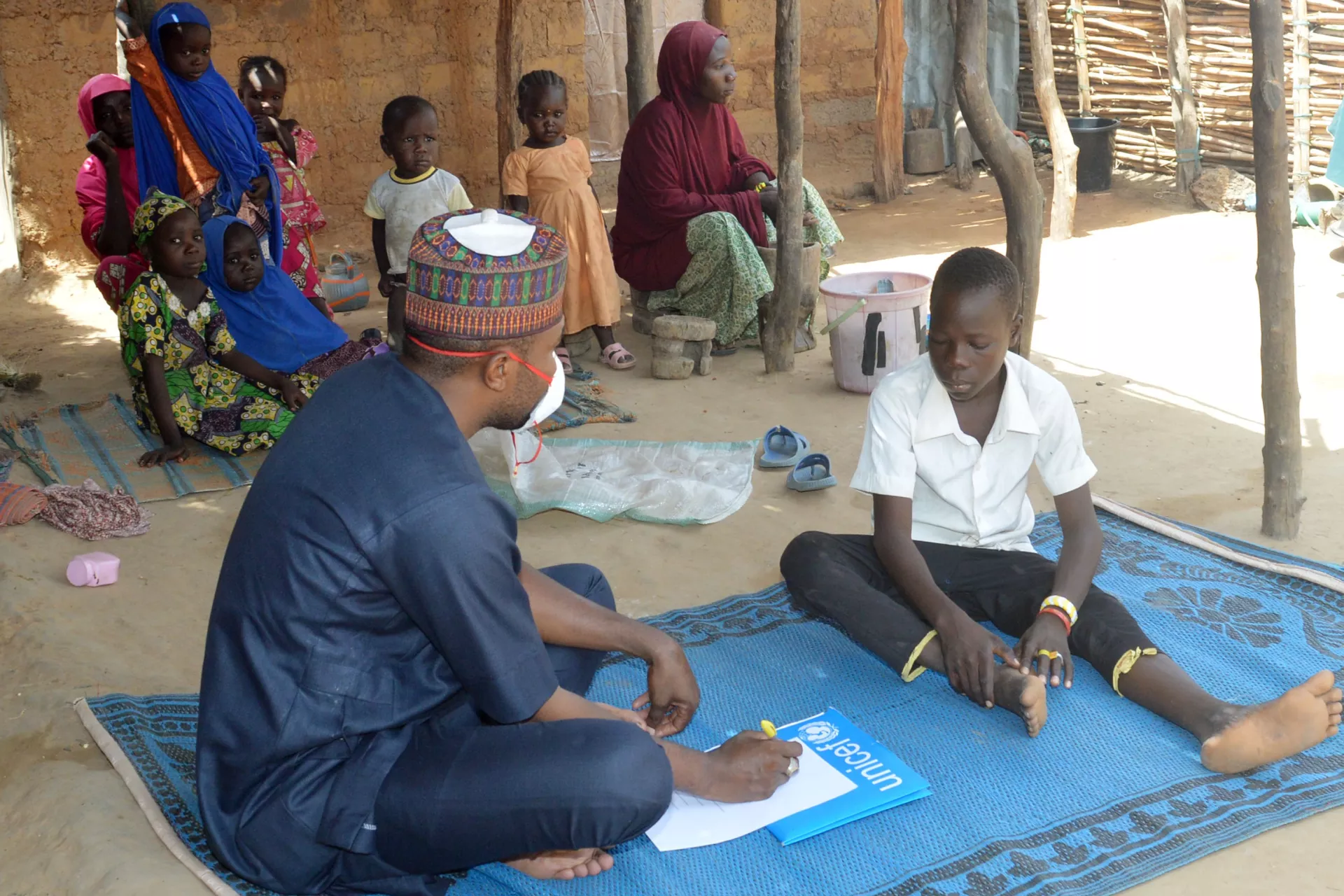
Muhammed Abdulkadir, 14, is only now waking up from a two-year nightmare, one that started when his father decided to send him away from home for Qur’anic training under a Mallam (Islamic teacher) in Kano.
Muhammed, who had been in primary four in his Doka village in Kaduna State in northern Nigeria, had dreamed of finishing his education and then proceeding to the Nigerian Defense Academy, so that he could become an officer to serve his country.
But when he arrived in Kano, he found himself among hundreds of other children who had lost contact with their homes and families - also sent out for training as ‘Almajiri’. When he woke up the next morning, he was handed a bowl and told he had to go out and beg for the food he would eat that day.
When Muhammed returned to the Almajiri school, the Mallam demanded the proceeds of his begging and Muhammed told him that he had eaten the little he had received. The Mallam punished him by making him kneel for hours and warned him not to do that again.
"Since that day, I made sure I brought food and money home for Mallam,” said Muhammed. “There are days I felt I should tell my father what I was going through, but I didn't know where I could find him. I couldn’t even find the road to my village.”
Almajiri schools are appealing to many parents, as they claim to offer a free Qur’anic education. But once the children arrive at the schools, often in distant locations, they are typically forced by their Mallams to beg in the streets to fund their education.
Happily, Muhammad’s nightmare ended when state officials removed the Mallam, part of a UNICEF-supported effort by various state governments to shut down Almajiri schools to stop the spread of COVID-19.
He remembered the day vehicles showed up to take the Mallam away, and then to take the children back to their parents.
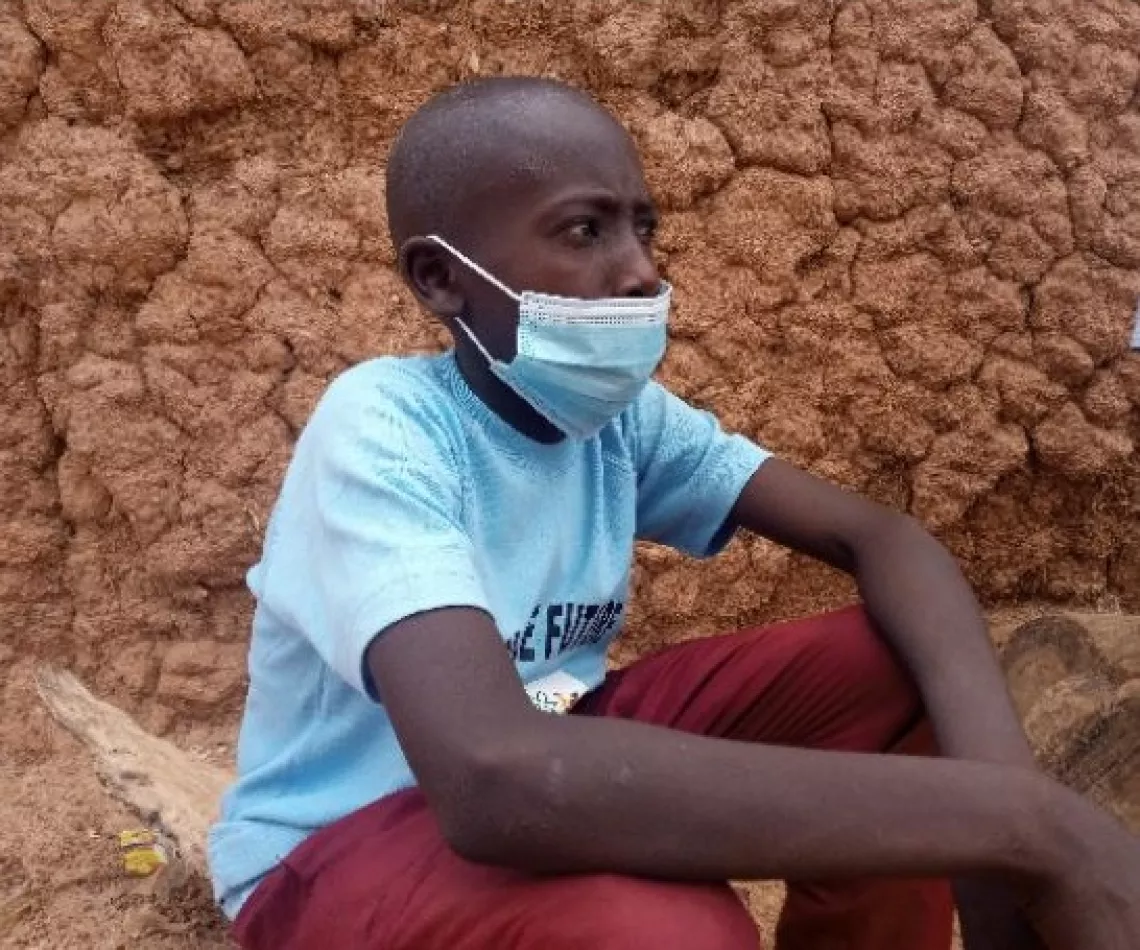
“At first, I didn't want to go but they brought us back to Kaduna and after a few days they took me back to my village,” he said. "I am so happy to be back home with my parents and my siblings. I have now been registered in school to continue my education and my dream of becoming a soldier is back on track,” said Muhammed.
For Muhammed’s mother, Bilkisu Yakuba, who had lost hope of ever seeing her son again, the reunion was joyful. She had objected to the idea of sending Muhammed away, but had been told by family and friends it was the right thing to do, as being an Almajiri was part of Nigerian culture.
“I have always hated the Almajiri system, because it turned freeborn children into slaves. Anytime I remembered that my son is begging somewhere I felt very bad and prayed to Allah to bring him home safely,” she said. "Now that he is back and planning to go to school, I am very hopeful that his dreams and my dreams for him will still come true.”
UNICEF supported the Kaduna State government to reunite more than 35,000 Almajirai with their parents during the COVID-19 lockdown and has trained 35 social workers in child protection and case management who can interview and deliver psychosocial support to the returned Almajiri children and help with documenting their cases.
To help support children who have missed several years of formal education and are now too old for primary or secondary schools, Kaduna State officials have set up Business Apprentice Training Centers to help the returnees receive training to enter the workforce.
Adam Zakari, UNICEF Chief of Field Office in Kaduna, said that a deeper understanding of the Almajiri system must be the starting point of a wider analysis of the difficulties facing children in Nigeria.
"The issue of Almajiri is a challenge. We first need to understand the root causes. What are the factors leading parents to send their children to Mallams?” he said.
He points to economic factors, a lack of parental accountability, inadequate laws or improper implementation of laws, and weakness of social services as factors that need to be examined.
"Although people are trying to present the Almajiri issue and the challenges surrounding it as purely a religious issue, we know that things are not always as presented and there are many other factors at play.”