

The TRAILs Framework: Skills for young leaders, today and tomorrow
A holistic approach to equipping adolescents and young people with the skills to learn, adapt, lead and thrive

Young people in Maldives are growing up in a rapidly changing world. New technologies are transforming how they learn and work. The climate crisis is reshaping the future of island communities. Economic and social changes are creating new opportunities, while also presenting challenges for young people as they transition from education to employment and adulthood.
How can young people be prepared for a future that is constantly evolving?
Education and technical knowledge remain essential. But they are not enough on their own.
Young people also need to think critically, communicate effectively, care for their well-being, make informed decisions and work with others to solve problems. They need the confidence and ability to adapt to change, explore opportunities and contribute to the decisions that affect their lives.
These abilities are known as transferable skills.
To help bring these competencies together, UNICEF Maldives has developed the TRAILs Framework, a conceptual framework that identifies the skills needed to support the holistic development of adolescents and young people. It provides a common understanding of the competencies that can help young people navigate life’s challenges and prepare for the future.
What is the TRAILs Framework?
The TRAILs Framework brings together skills under four interconnected pillars: Technical, Resilient, Agency-driven and Innovative Leadership skills for young people for today and tomorrow.
Its purpose is to support young people to develop a combination of competencies that can be applied across different stages of life and in different settings, from classrooms and workplaces to families and communities.
Unlike job-specific competencies, which prepare a person for particular tasks or occupations, transferable skills can be applied across multiple contexts. A young person who learns to communicate effectively through a school project, for instance, can apply that same ability when participating in community discussions, advocating for an issue or entering the workforce.
Similarly, the ability to think critically can help young people evaluate information, make choices and respond to new challenges, while adaptability supports them in navigating changes in their personal lives and the world around them.
The TRAILs Framework recognizes that young people need a combination of these competencies. Technical knowledge is important, but so are well-being, the ability to exercise agency and the capacity to develop new ideas.
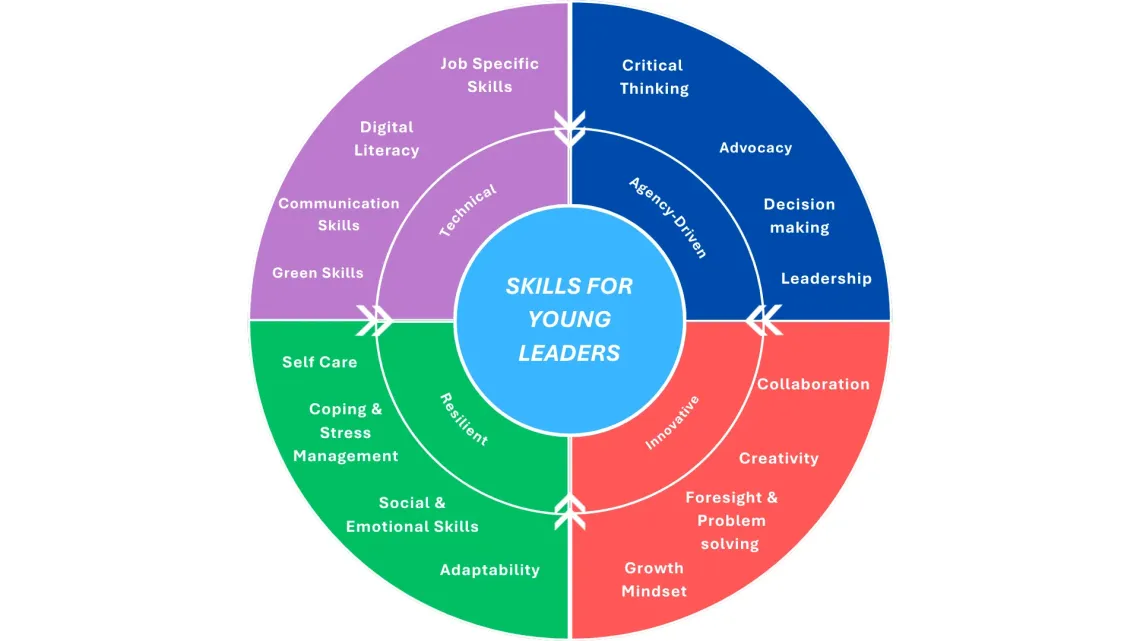
The TRAILs Framework at a glance
Technical: Practical competencies for learning, work and everyday life. This includes job-specific skills, digital literacy, communication skills, and green skills.
Resilient: Well-being and the ability to navigate challenges. This includes skills related to self-care, coping and stress management, social and emotional intelligence, and adaptability.
Agency-driven: Informed decisions, meaningful participation and leadership. This includes critical thinking, advocacy, decision-making and leadership skills.
Innovative: Creativity, collaboration and solutions for the future. This includes the ability to collaborate, be creative, have foresight and solve problems, and nurture a growth mindset.
Intended outcome: Technical, Resilient, Agency-driven and Innovative young Leaders for today and tomorrow.
Why do transferable skills matter?
The skills young people need are changing. Yet preparing for the future is not simply about predicting which occupations will exist or which technologies will become essential. It is about equipping young people with the competencies to continue learning, respond to change and make meaningful choices throughout their lives.
UNICEF’s global work on transferable skills recognizes that learning extends beyond academic knowledge and that a broad range of competencies is needed to support young people’s development across education, employment and everyday life.
For Maldives, this is particularly relevant. Young people must navigate transitions between education, training and employment, often while facing limited access to opportunities and services across dispersed island communities.
But skills development is about more than employability. Young people need the ability to look after their well-being, develop healthy relationships, understand their rights and responsibilities, participate in decisions and contribute to their communities.
The TRAILs Framework approaches skills development from this broader perspective. It recognizes that preparing young people for the future means supporting their development as individuals, active citizens and contributors to society.
Understanding the four pillars of TRAILs
Each pillar represents an important dimension of young people’s development. While they focus on different competencies, the four pillars are designed to complement one another.
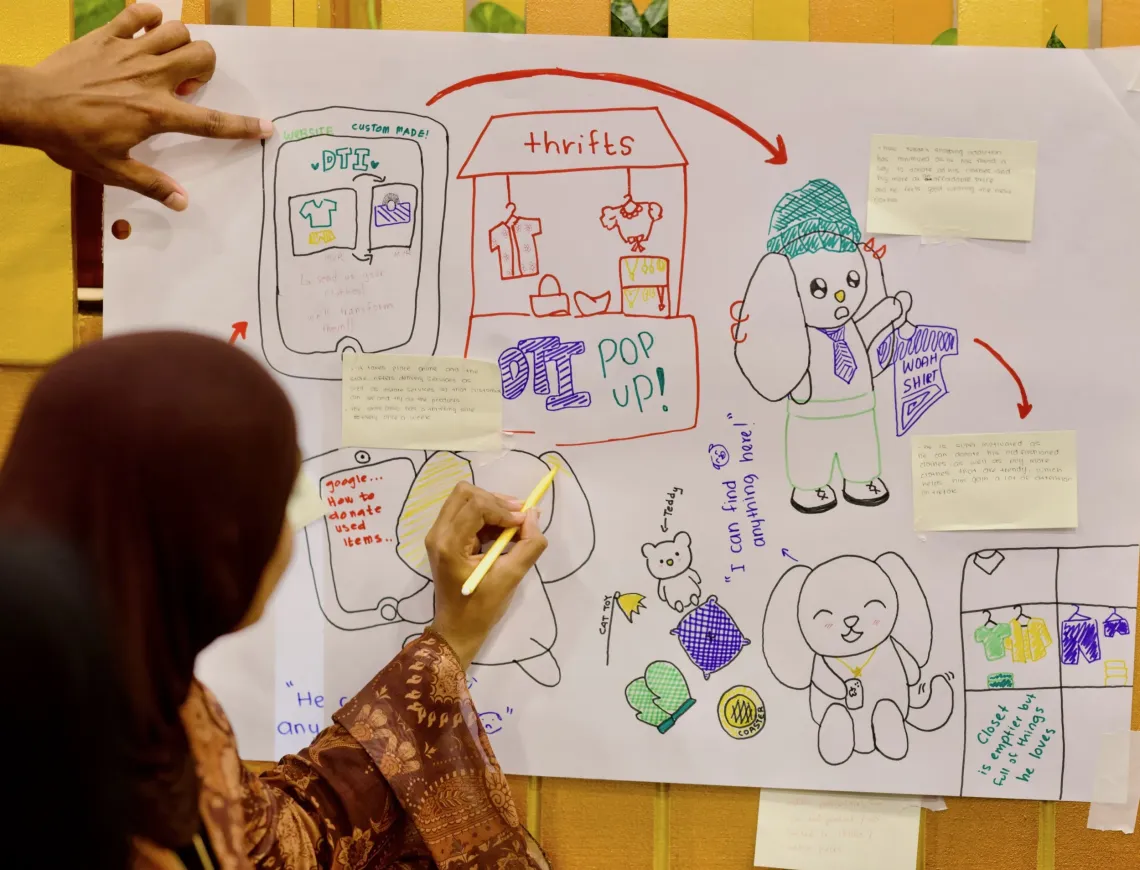
1. Technical: Skills to learn, work and participate
The world of education and employment is evolving. Digital technologies are changing how information is accessed and shared, while emerging industries and environmental challenges are creating demand for new knowledge and competencies. Young people need opportunities to develop practical abilities that enable them to navigate these changes and prepare for different pathways.
The Technical pillar focuses on four skills.
Job-specific skills
These are the practical knowledge and competencies needed to perform particular tasks or occupations. They may be acquired through technical and vocational education, practical training, internships, apprenticeships and workplace experiences. Developing job-specific skills helps young people explore career pathways, gain experience and prepare for opportunities in employment and entrepreneurship.
Digital literacy
Digital literacy is the ability to use digital technologies effectively, safely and responsibly. Beyond operating devices and applications, it includes accessing and evaluating information, creating digital content, understanding online risks and protecting personal information. As digital technologies become increasingly embedded in education, work and daily life, digital literacy helps young people participate confidently and make informed choices in digital environments.
Communication skills
Communication enables young people to express ideas, share information and understand others. It involves speaking, writing, listening and communicating through different formats and platforms, while adapting messages to different audiences.
Green skills
Green skills equip young people with the knowledge and competencies needed to understand environmental challenges and contribute to sustainable practices and solutions. These can include understanding climate change, conserving resources, reducing waste and exploring environmentally sustainable livelihoods. For young people in Maldives, green skills are particularly relevant to challenges affecting island communities, including climate change, waste management and the protection of marine and coastal environments.
2. Resilient: Skills to adapt and thrive
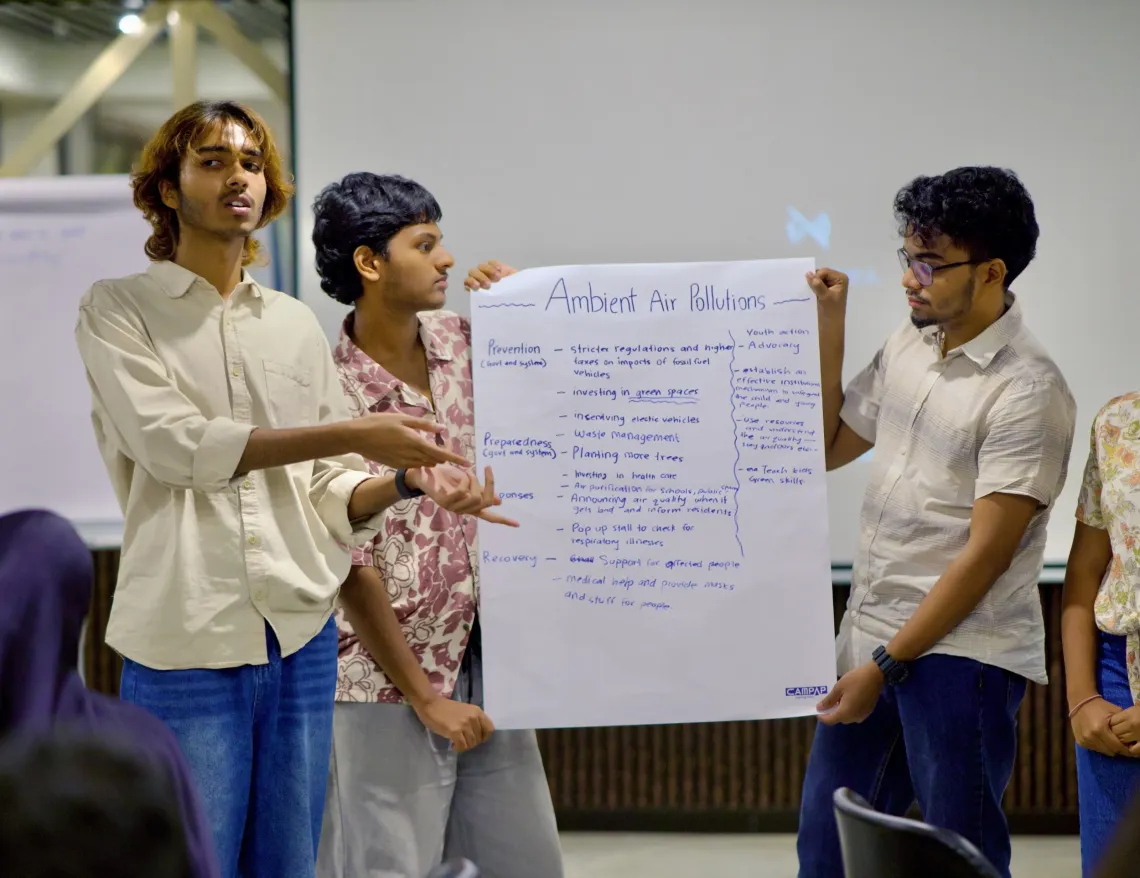
Growing up brings opportunities for discovery and development. It can also involve uncertainty, pressure and difficult transitions. Young people may face challenges related to education, relationships, employment, changing circumstances and expectations about their futures. The ability to respond to these experiences is an important part of their development.
The Resilient pillar focuses on strengthening young people’s capacity to understand their needs, manage challenges, build supportive relationships and adapt to change. It encompasses four skills.
Self-care
Self-care involves recognizing and responding to one’s physical, mental and emotional needs. It includes developing healthy routines, maintaining personal boundaries, balancing responsibilities and knowing when to seek support. These abilities help young people take an active role in their well-being and recognize the importance of caring for themselves while navigating different responsibilities.
Coping and stress management
Young people encounter different sources of stress throughout their lives. Coping and stress management skills enable them to recognize stressful situations, understand their emotional responses and identify constructive ways of responding. These may include managing workloads, seeking guidance, accessing support and developing healthy strategies to navigate difficult experiences.
Social and emotional skills
Social and emotional skills help young people understand and manage emotions, demonstrate empathy and build positive relationships. They enable individuals to recognize different perspectives, interact respectfully and navigate disagreements constructively. These competencies are essential for creating supportive relationships and participating in inclusive learning and community environments.
Adaptability
Adaptability is the ability to adjust to changing circumstances and respond to unfamiliar situations. It involves being open to new experiences, learning from challenges and reconsidering approaches when circumstances change. Adaptability can support young people through educational transitions, evolving workplace requirements and changes in their personal lives.
3. Agency-driven: Skills to decide, participate and lead
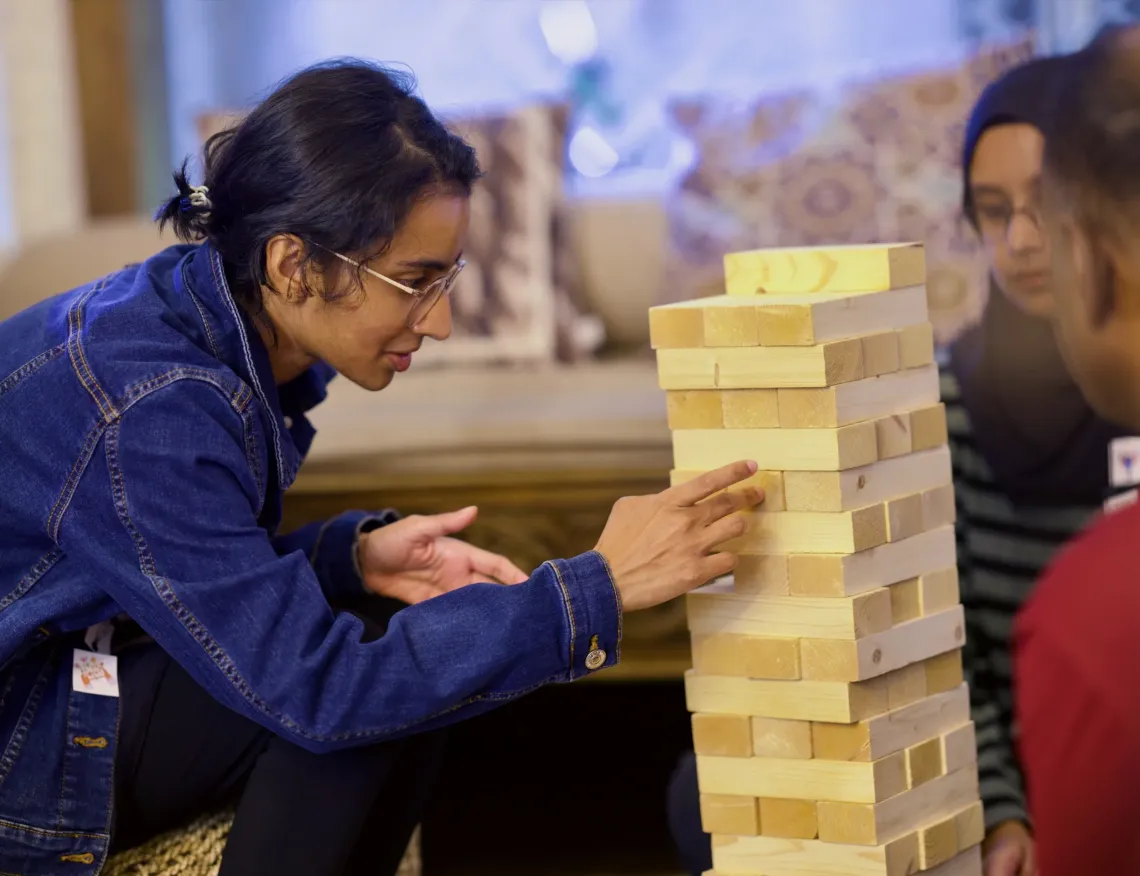
Young people have the right to be heard in matters that affect their lives. Yet having a voice does not always mean having the opportunity to influence decisions. Meaningful participation requires both the skills to express views and the spaces, information and support needed to turn those views into action.
The Agency pillar refers to a person’s ability to make choices and act on matters affecting their life. The Agency-driven pillar focuses on enabling young people to think independently, make informed decisions, advocate for their priorities and exercise leadership. It brings together four skills.
Critical thinking
Critical thinking is the ability to examine information, assess evidence, question assumptions and consider different perspectives. It helps young people distinguish reliable information from misinformation and develop reasoned conclusions. These abilities are increasingly important as young people navigate complex informations, make personal decisions and engage with issues affecting society.
Advocacy
Advocacy enables young people to express their views, raise awareness and promote change on issues that matter to them. It involves understanding an issue, developing informed messages, communicating with different audiences and engaging with those who can influence decisions. Through advocacy, young people can contribute their perspectives to community initiatives, institutional processes and public discussions.
Decision-making
Decision-making involves understanding available options, considering potential consequences and making informed choices. It requires young people to evaluate information, recognize risks and reflect on the possible impacts of their decisions. Developing this skill helps young people take greater ownership of choices affecting their education, careers, relationships and participation in society.
Leadership
Leadership is the ability to take initiative, support others and work towards shared goals. It involves responsibility, communication, decision-making and the ability to encourage participation. Leadership is not limited to holding formal positions. Young people demonstrate leadership when they support their peers, organize activities, contribute to community initiatives or take action on issues they care about.
The Agency-driven pillar recognizes young people as active participants in their own development and in the future of their communities. But agency cannot be developed through skills training alone. Young people also need access to information, inclusive spaces for participation and genuine opportunities to influence the decisions affecting them.
When institutions listen to young people and create opportunities for their meaningful involvement, they help strengthen both individual agency and more responsive decision-making.
4. Innovative: Skills to create solutions for the future
Many of the challenges young people face do not have simple solutions. Addressing environmental concerns, improving access to opportunities and responding to changing community needs require the ability to explore new ideas, learn from experience and work with others.
Innovation is often associated with technology. But it extends much further. It can involve finding a more effective way to deliver a service, developing a community initiative or identifying a practical solution to an everyday problem. The Innovative pillar focuses on four skills that support this process.
Collaboration
Collaboration is the ability to work effectively with others towards shared goals. It involves exchanging ideas, respecting different perspectives, sharing responsibilities and contributing to collective decisions. Through collaboration, young people can bring together diverse knowledge, experiences and abilities to address challenges that may be difficult to tackle individually.
Creativity
Creativity involves generating ideas, exploring possibilities and approaching familiar challenges from different perspectives. It enables young people to question existing approaches, imagine alternatives and develop new ways of addressing problems. Creativity is relevant across different settings, from education and entrepreneurship to community development and everyday decision-making.
Foresight and problem-solving
Foresight is the ability to consider future possibilities and anticipate how present decisions may affect longer-term outcomes. Problem-solving involves identifying challenges, examining their underlying causes and developing and evaluating possible responses. Together, these competencies help young people think beyond immediate circumstances and develop solutions that take future needs and implications into account.
Growth mindset
A growth mindset recognizes that skills and abilities can be strengthened through learning, practice, feedback and support. It encourages young people to remain open to new experiences, reflect on setbacks and continue developing their competencies. Rather than viewing challenges as fixed limitations, young people can learn to see them as opportunities to improve their understanding and explore different approaches.
Innovation requires more than generating ideas. Young people need opportunities to experiment, test solutions, learn from mistakes and translate their thinking into practical action. The Innovative pillar recognizes the importance of creating environments where young people’s curiosity and creativity are encouraged and where they have opportunities to work together on challenges that matter to them.
Preparing young people for a future they can shape
The future will bring new challenges and opportunities, many of which cannot yet be fully anticipated. Preparing young people for that future requires more than equipping them with knowledge for today’s needs. It requires developing their ability to learn continuously, adapt to changing circumstances, make informed choices and contribute to society.
The TRAILs Framework brings these competencies together through four interconnected dimensions of development. Technical skills provide practical knowledge and abilities. Resilience strengthens well-being and adaptability. Agency enables informed choices, meaningful participation and leadership. Innovation encourages creativity, collaboration and the development of solutions.
Together, these competencies provide a foundation for young people to pursue opportunities, navigate challenges and take an active role in shaping their futures.
For UNICEF Maldives, strengthening skills development is part of the broader commitment to supporting young people to be seen, heard and engaged, and ensuring they have meaningful opportunities to contribute to their communities and country.
Skills for young leaders, today and tomorrow
The TRAILs Framework provides a holistic approach to supporting young people with the competencies they need for lifelong learning, personal well-being, active citizenship, employment and entrepreneurship. Its intended outcome is to develop Technical, Resilient, Agency-driven and Innovative young Leaders, equipped to navigate the challenges of today and contribute to the opportunities of tomorrow.