Ignoring parenting is costing your business
Part 1 of 2
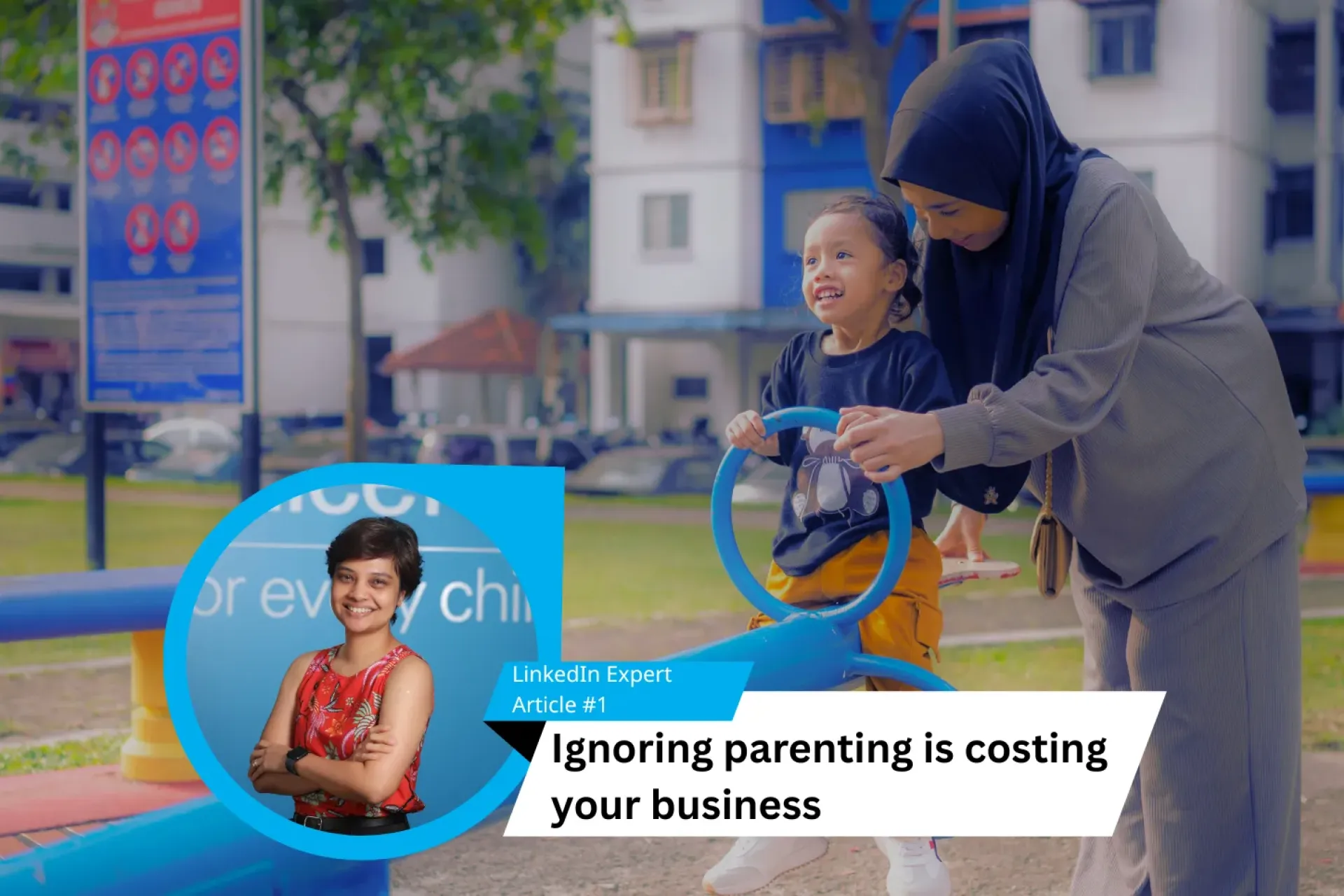
On a typical weekday, a parent in Kuala Lumpur moves between two competing worlds; delivering results at work and being present at home. What may seem like a personal struggle is, in fact, shaping how companies perform and how the economy grows.
Malaysia is entering a new era for corporate sustainability. This year, around 130 large public-listed companies are expected to publish reports according to the National Sustainability Reporting Framework, aligned with the International Financial Reporting Standards (IFRS) Sustainability Disclosure Standards. This marks an important shift towards disclosures that are decision-useful and financially material.
At the same time, companies are facing growing pressure. Talent is harder to retain, labour risks are rising across supply chains and policy makers are focused on productivity and long-term growth. These challenges are often analysed separately but they are connected by a common and overlooked factor that Environmental, Social, and Governance (ESG) have yet to recognize as financially material: parenting.
Children are a significant business stakeholder. More than 1 in 4 people in Malaysia are children. Their lives are shaped every day by how businesses operate; as children of employees, members of communities, consumers, and the future workforce and business leaders.
Yet children remain largely invisible in financial analysis. While ESG frameworks address labour and human rights, these frameworks rarely consider parenting or its long-term economic impact. This reflects a broader short-term mindset, where companies focus on quarterly performance and underinvest in the foundations of future growth.
Parenting becomes financially material when we look at the workforce. A large share of Malaysia's workforce is in the 25 to 54 age group, years when many employees are raising young children or managing caregiving responsibilities.
Family-friendly policies are not just employee benefits. They are a core part of human capital strategy because they directly affect workforce stability, productivity and risk.
When employees face long hours, unpredictable schedules or limited access to childcare, the pressure does not stay at home and shows up at work. It leads to higher stress, absenteeism, lower focus, and increased turnover. For businesses, this translates into higher recruitment costs, disruptions to operations, lower quality output, and more time and money spent fixing mistakes and delays.
Parenting is also linked to supply chain and compliance risks. Malaysia’s export sectors, particularly palm oil and manufacturing, have faced sustained scrutiny over labour practices. Recent product bans have shown how quickly labour issues can lead to financial losses and restricted market access. When workers lack basic support, including childcare and education, the risk of child labour increases.
Expectations are also shifting. Investors are increasingly assessing workforce practices as part of risk and performance, while consumers, especially millennials and GenZs, are supporting companies that demonstrate responsible and inclusive practices.
Neglecting parenting does not only affect today’s workforce, it shapes tomorrow’s. When working parents are not supported, children face poorer health, weaker educational outcomes, and less stability at home. Over time, this affects the quality of the future workforce, with implications for productivity, fiscal sustainability, and economic growth.
Parenting can no longer be left out of the corporate value equation. The business ecosystem is taking constructive steps to encourage companies to examine how workers who are parents are treated and whether they have the conditions to care for their families.
In the second part of this series, we will outline how Malaysian companies and investors can integrate parenting into existing business frameworks to unlock talent stability, reduce supply chain risks, and strengthen long-term performance.