Going mobile to reach children in rural Sabah
Helping children and families in hard-to-reach areas access health services

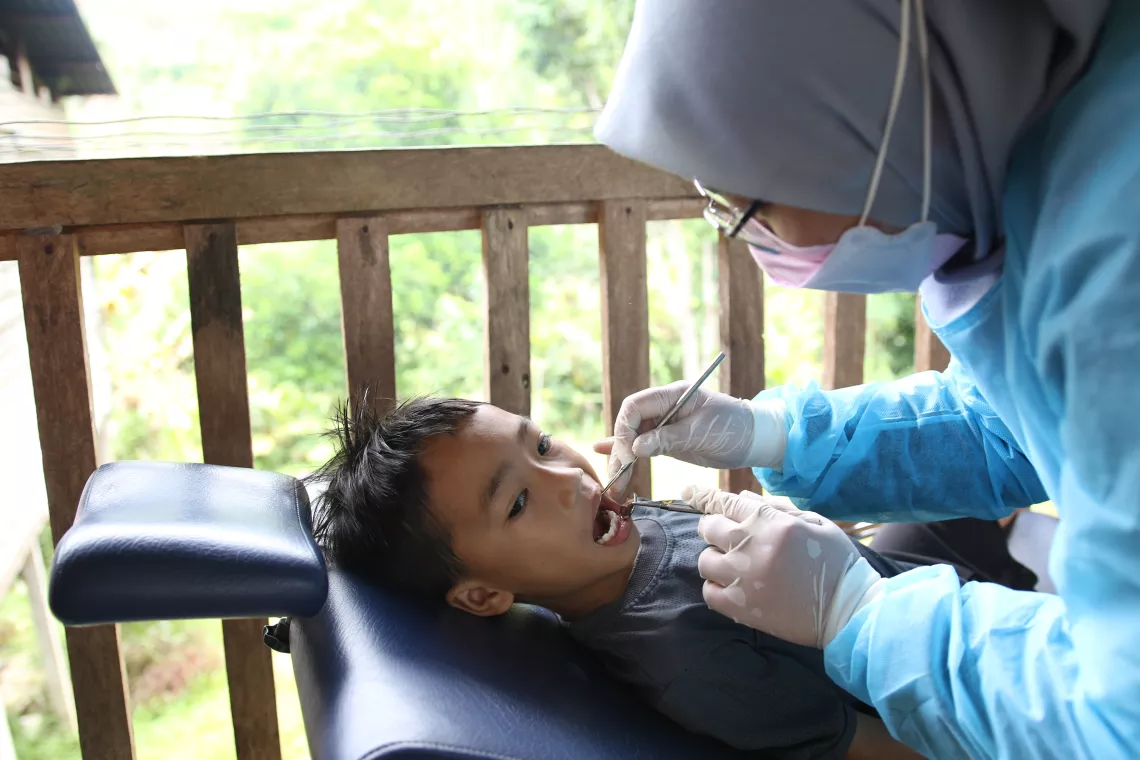
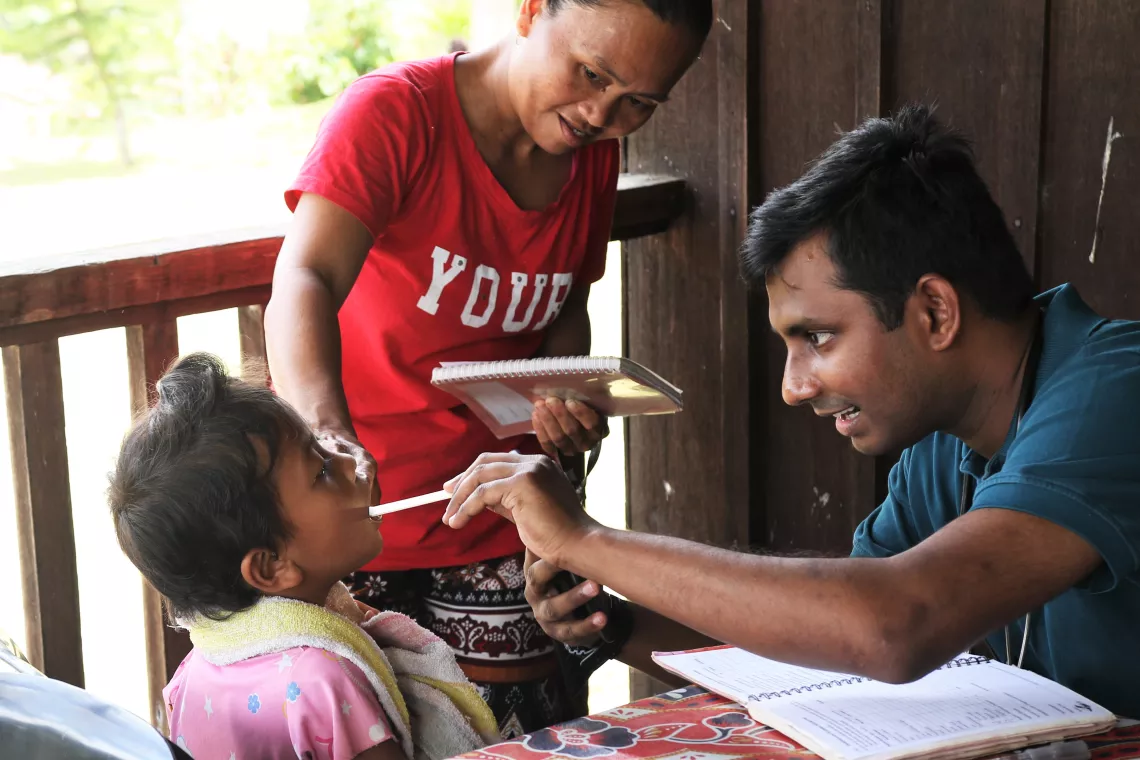
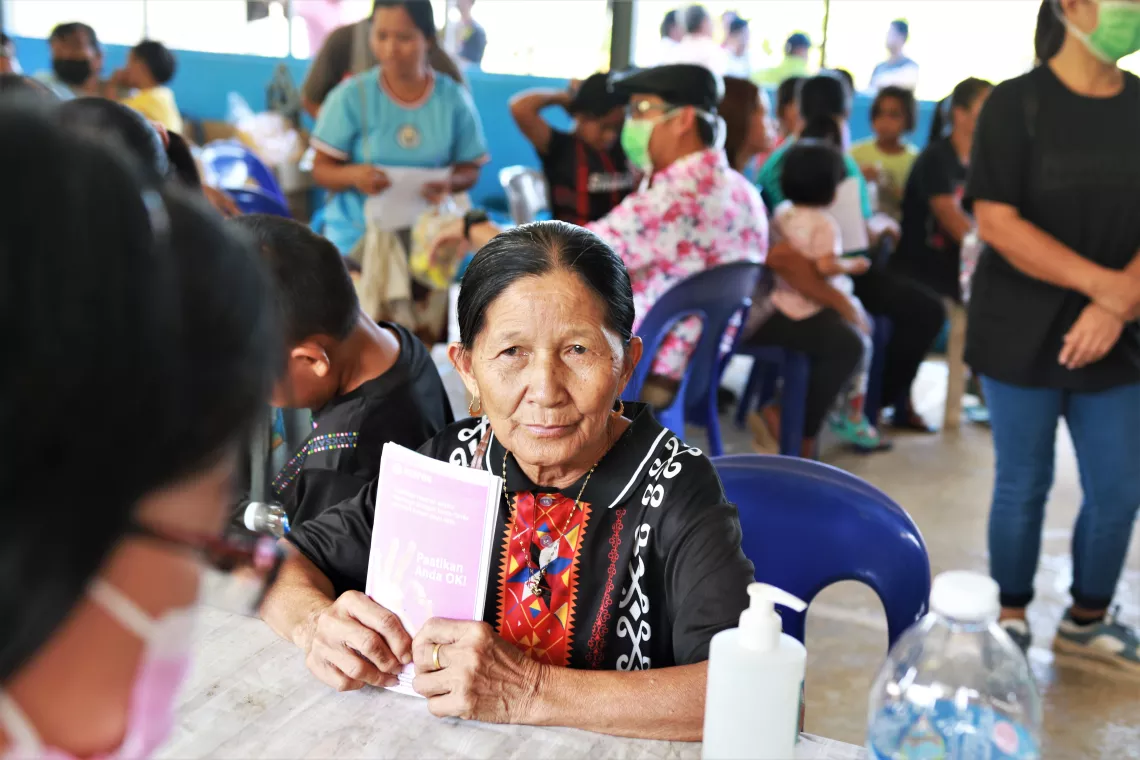
In March 2023, UNICEF joined a mission led by the Sabah Health Department to the town of Kemabong in the district of Tenom, Sabah, one of the hardest-to-reach areas in Malaysia. The mission brought healthcare workers and mobile health teams into rural and remote locations to provide much-needed health services for children and families residing in those areas.
Several healthcare institutions took part in the mission, including Queen Elizabeth Hospital, Keningau Hospital, Tenom Hospital, Kemabong Health Clinic, and dental clinics. They were assisted by the Sabah Nurses Association, Health Clinic Advisory Panel, and Tenom 4-Wheels Club.
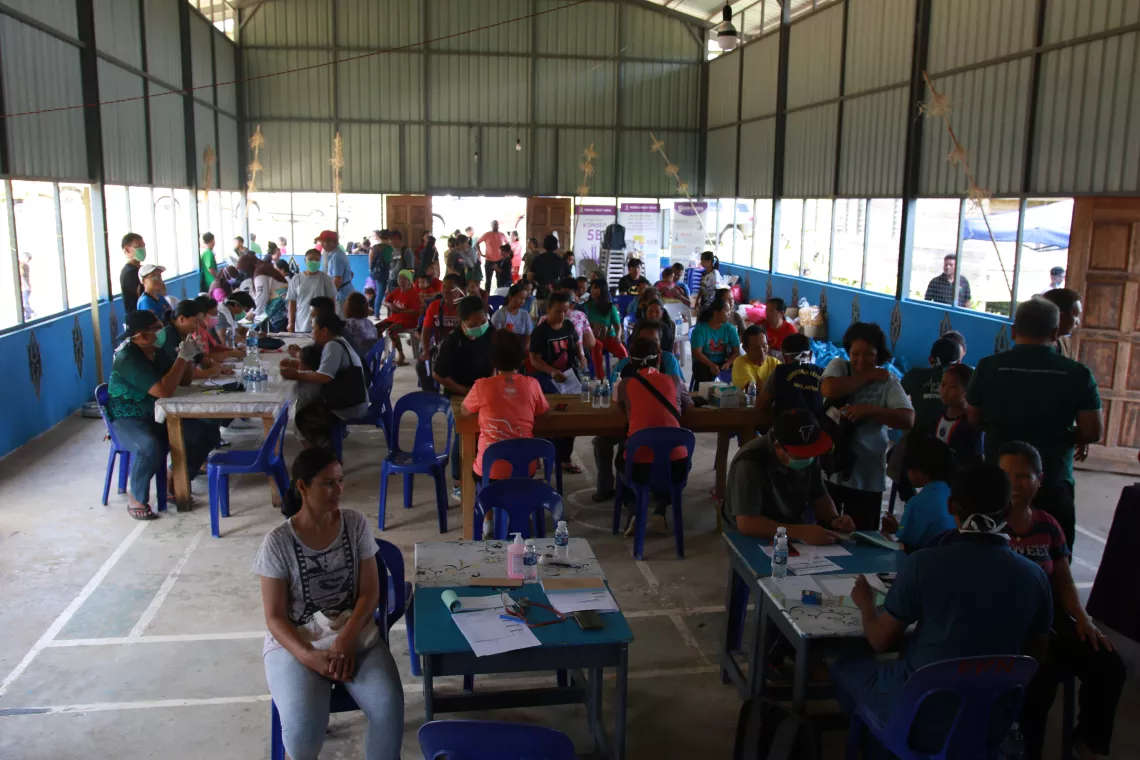
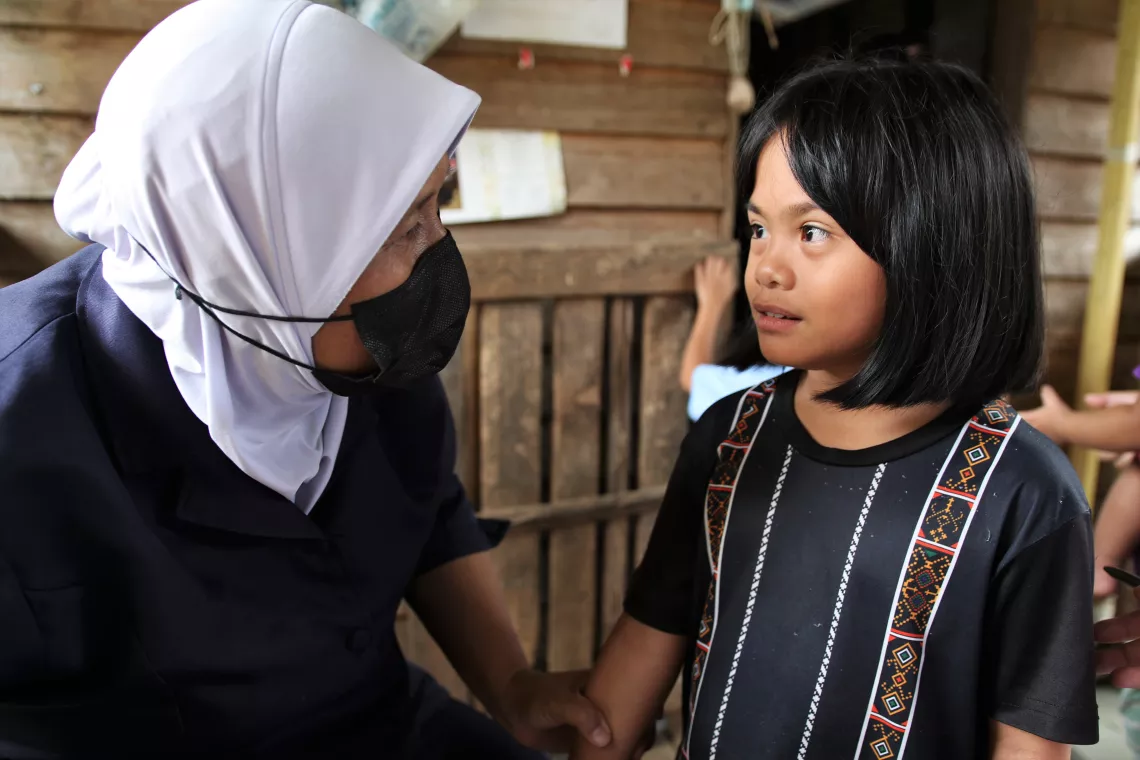
The convoy visited three villages in Kemabong: Kampung Patian Tengah, Kampung Kolorok, and Kampung Ahuron. Kampung Kolorok is the biggest village with 300 households and it is the only village with a school in its compound. Kampung Ahuron and Kampung Patian Tengah have 24 and 80 households respectively.
The residents are mostly of the third largest indigenous group in Sabah called Murut. They are self-sufficient wildlife hunters and farmers, and the forest is their prime source of food and medicine.
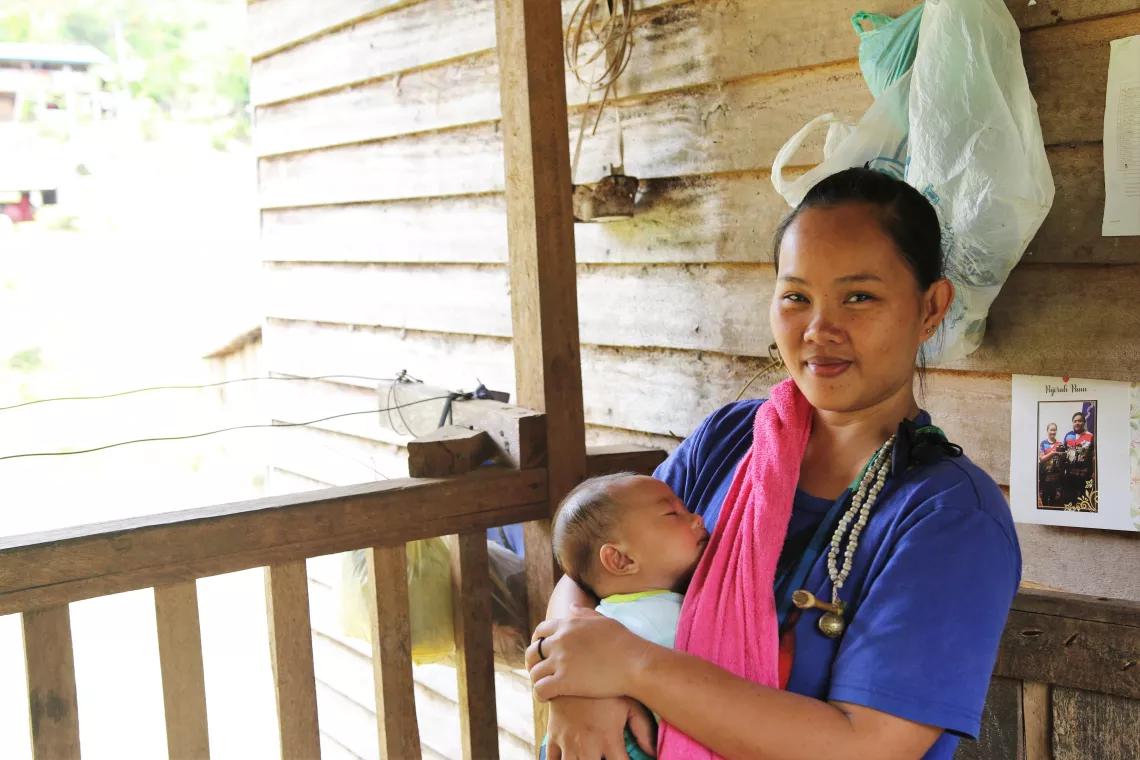
The closest healthcare service is government owned Kemabong Health Clinic. It takes the residents more than 5 hours of walking through quiet and isolated roads with risks of wild animals, and the trip can cost them from RM50 to RM200 (USD10-USD45).
There are no grocery shops in the village so buying groceries at the nearest market can take hours. Some of the residents earn a small income by selling herbs and vegetables at a weekend market called “Pasar Tamu”. Food supplies such as eggs and onions are considered a luxury.
The villages are accessible by 4x4 wheels through narrow, muddy, and slippery terrains. The distance to the nearest town, Kemabong, is only 20km yet poor infrastructure and lack of telecommunications and internet coverage have disconnected them from the rest of the world.
In Kampung Kolorok, they must climb about 100 meters on the steep hill to the peak to get telephone and internet service. The secluded spot is a favorite hang-out spot for teenagers, where they sit on cut tree branches and play online games.
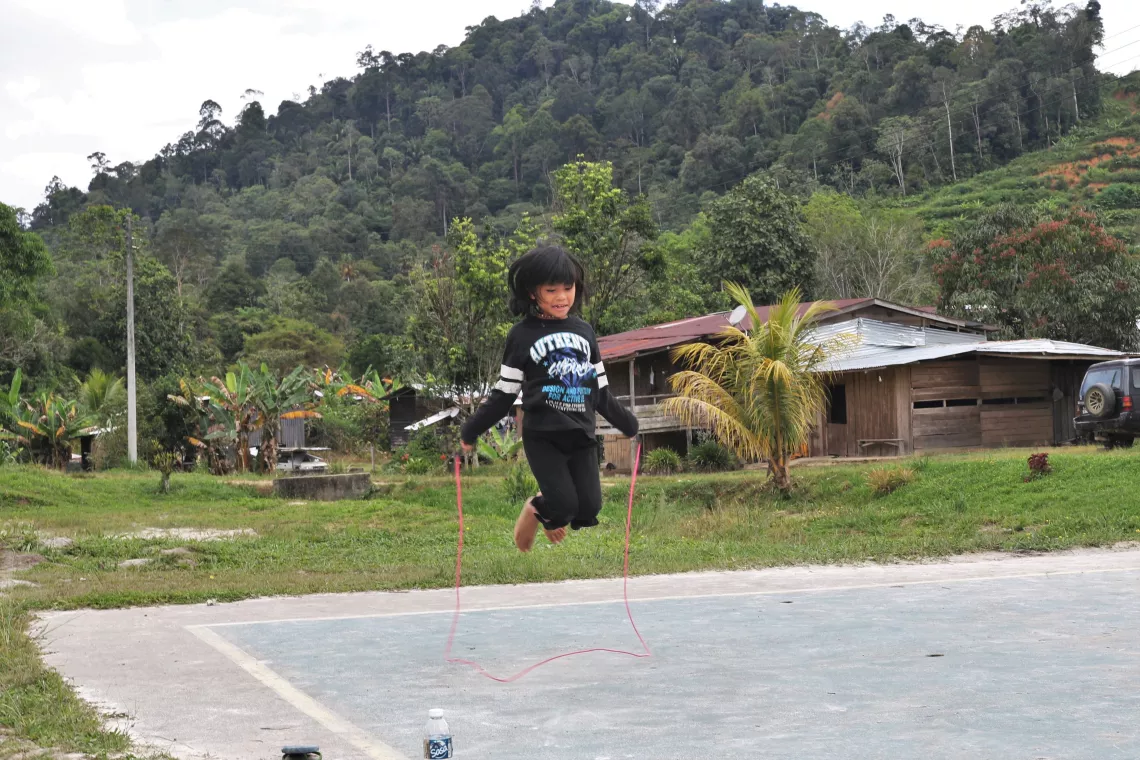
During the mission, the medical staff took part in plant-identifying games and morning workouts with village residents. These exercises were part of the initiatives for healthcare workers to get to know the communities they serve.
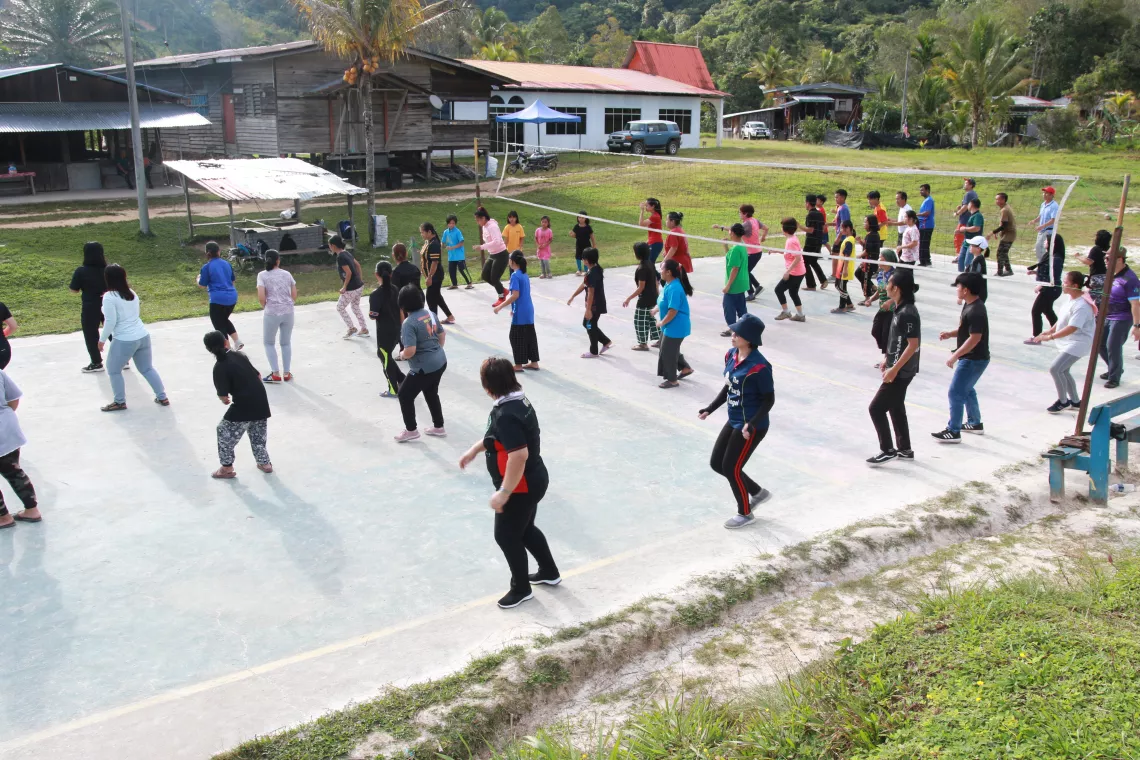
Through partnerships at the national and community levels, UNICEF works to strengthen health systems and deliver health services for children and families.
To complement efforts by the Ministry of Health Malaysia to provide medical care for children and mothers, UNICEF procured life-saving medical supplies and equipment thanks to generous funding from the People of Japan. The funding also supports mobile health teams’ outreach programmes in rural and remote areas in Malaysia.
About UNICEF
UNICEF promotes the rights and wellbeing of every child, in everything we do. Together with our partners, we work in 190 countries and territories to translate that commitment into practical action, focusing special effort on reaching the most vulnerable and excluded children, to the benefit of all children, everywhere.
For more information about UNICEF and its work for children, visit www.unicef.org