Carrying the heavy burden no more
Farha’s family finds relief through UNICEF’s cash for basic needs programme

Shabaa village, Syria – “I couldn’t express my feelings when UNICEF’s partner told me about the money transfer we would receive soon, so I just cried. I didn’t have a penny at home,” said Farha, a 47-year-old mother living in Shabaa, a small village in Rural Damascus, Syria. She smiled gently as she recalled: “My children and I started to write down our to-buy list enthusiastically.”
Farha, a widow, lives with her five children, Asmaa (17), Majd (15), Esraa (14), Zahra (11), and Hussein (6). Three years ago, the family’s life took a drastic turn when Farha’s husband suddenly passed away. Forced to sell their large house in rural Ar-Raqqa and share the inheritance with her late husband’s children from a previous marriage, Farha and her kids moved to Shabaa village to be near her parents. With their share of the inheritance, they bought a small apartment and tried to rebuild their lives. “After his death, our life turned upside down,” Farha said, wiping a tear. “The big shining house turned into a tiny dark apartment, the decent living into long days of hunger, and the happiness into hardship,” she commented.
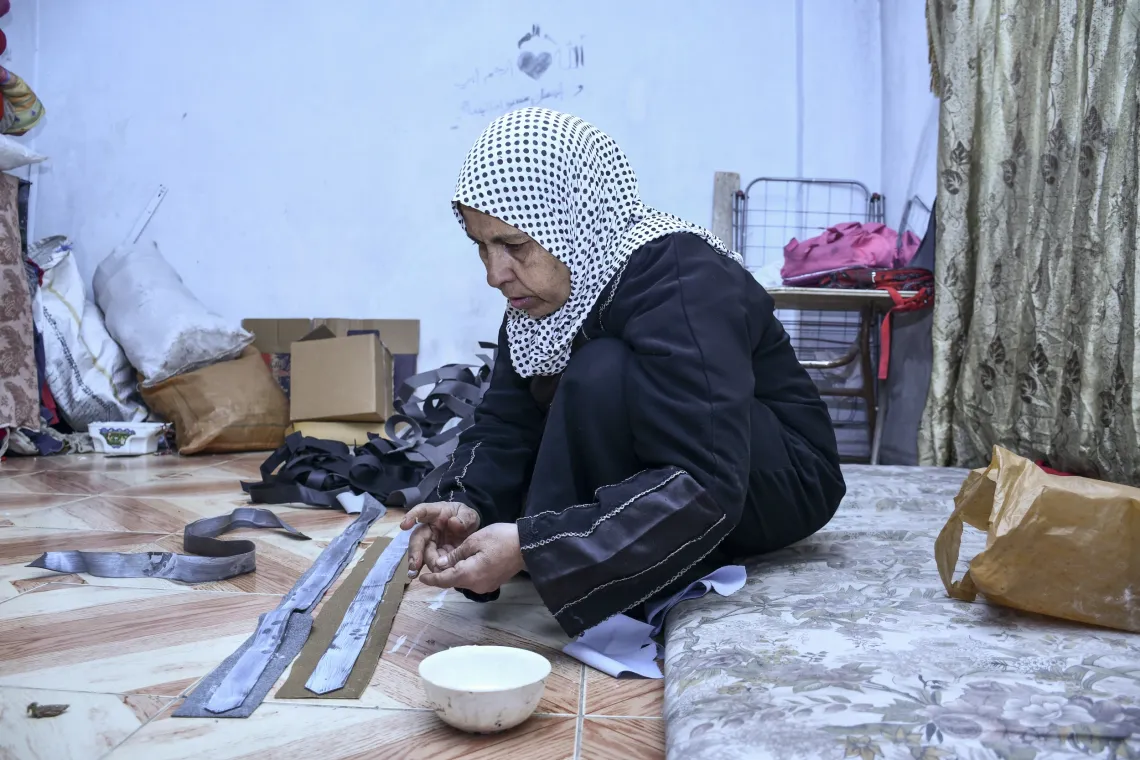
Adjusting to the life in Shabaa village has been an uphill battle for Farha. Once a housewife, she now shoulders the responsibility of providing for her family. “I make belts for a shop in Damascus, but the income barely covers our daily bread,” she said. At times, Farha and her five children go to bed hungry, especially during recent months with the rising prices of basic commodities.

To make ends meet, Asmaa, her eldest daughter, started working at a factory, but the high cost of transport forced her to quit. “I hate the nighttime because hunger feels worse then, especially when my little brother cries for food,” said Asmaa. “Hearing my mother promise him a better tomorrow was heartbreaking.”
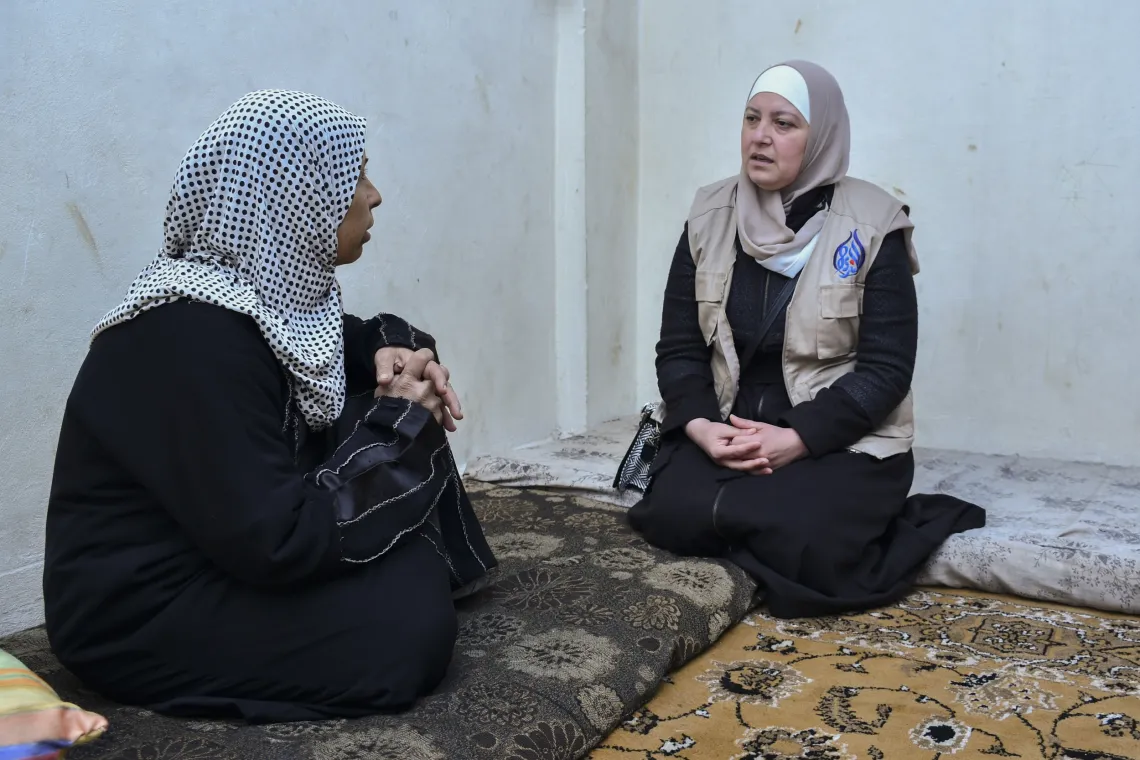
With nearly 14 years of conflict, 85 per cent of the population are struggling to make ends meet. Families increase their reliance on aid and negative coping mechanisms like child labour and suboptimal diets. In November 2024, everything changed when UNICEF-supported team visited Shabaa village as part of the cash for basic needs programme, which helps vulnerable families meet essential needs during difficult times. Farha’s family was identified as one of the beneficiaries. “I bought food first—rice, sugar, lentils, oil—and even managed to get some detergents and a wooden stove,” Farha said, her face lighting up. “For the first time since we arrived in Shabaa, my children feel warm during winter,” she added. The wooden stove has been a lifeline for the family, serving not only as a source of heat but also for cooking meals.

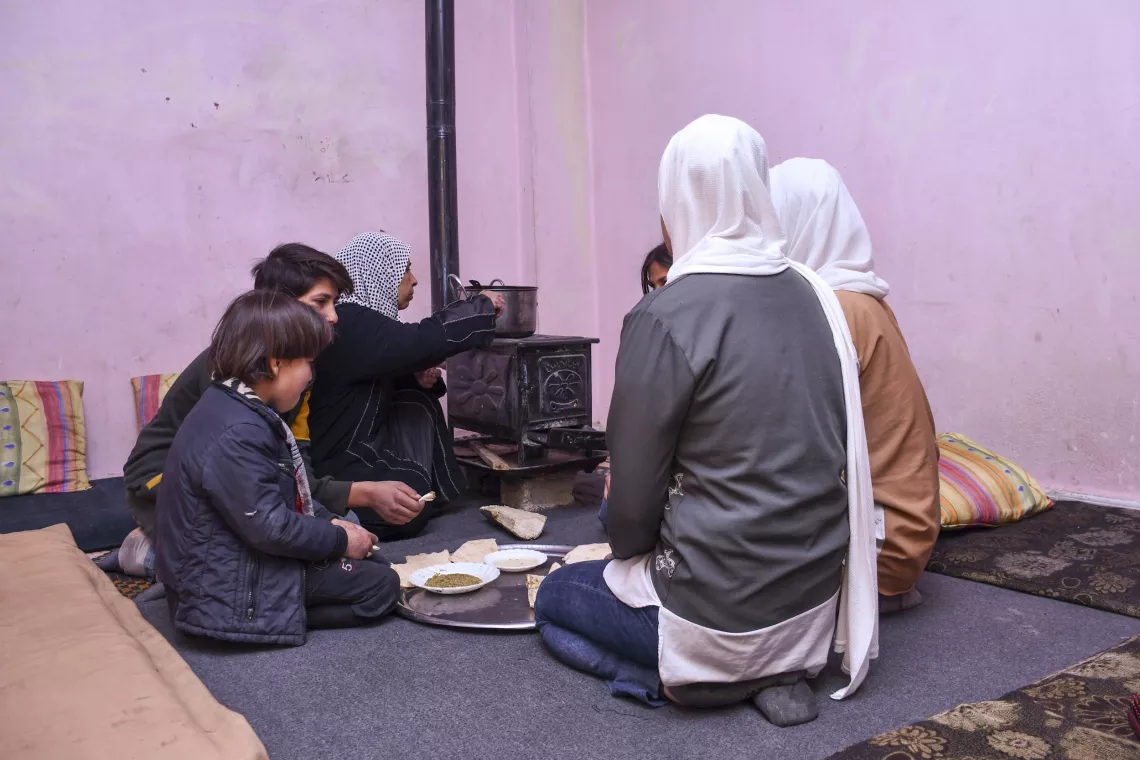

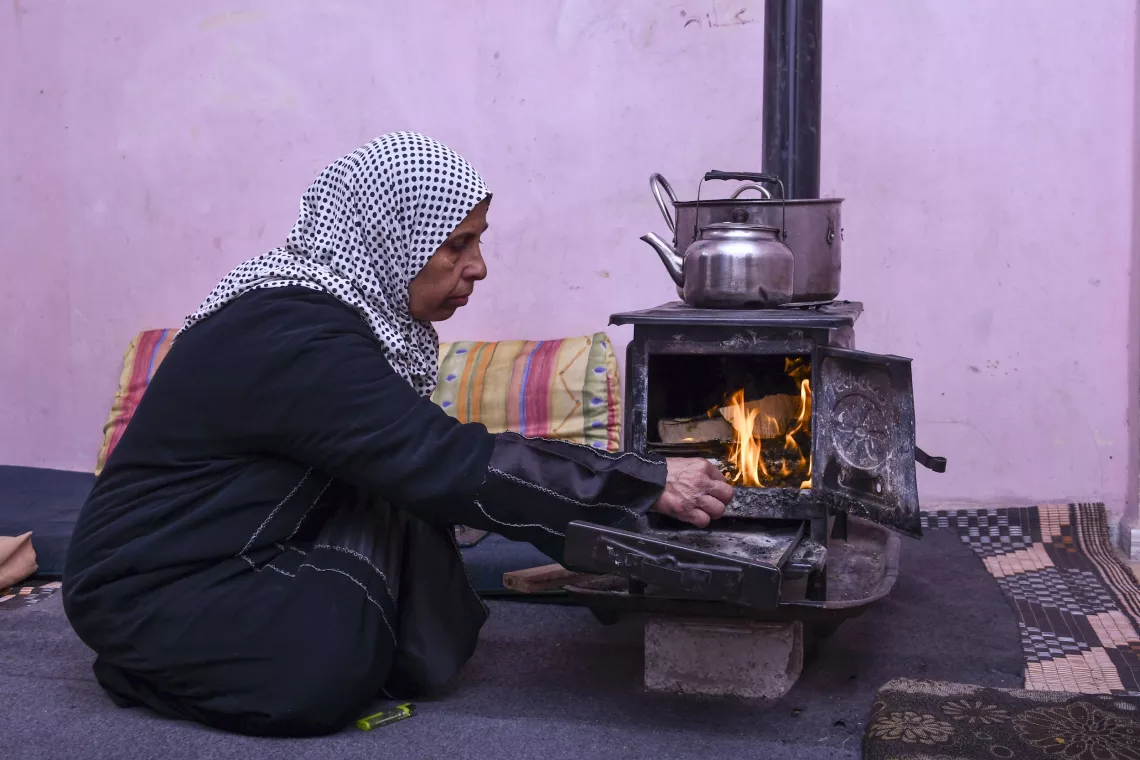

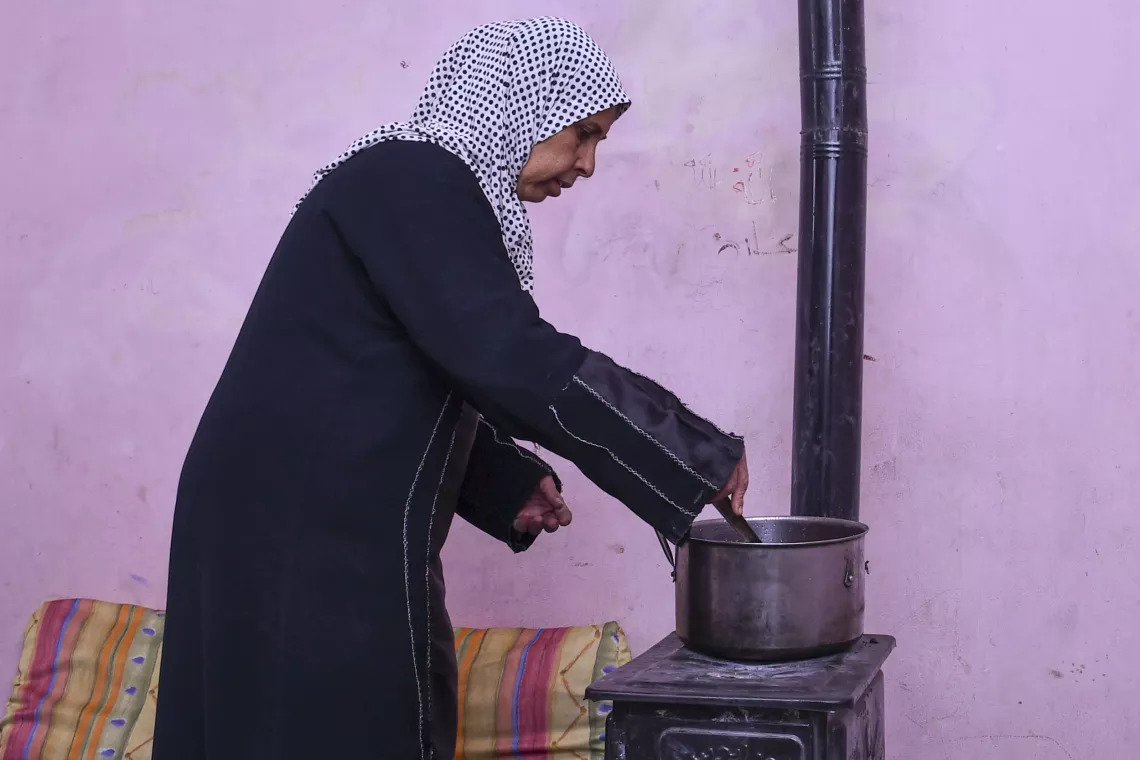
The cash assistance, distributed in four tranches, has transformed their lives. The first two payments included an additional amount for winter needs. Farha shared her plans for the next transfer: “I’ll buy food again, of course, but I also want to buy my children some new clothes. I can’t stop imagining their happy faces wearing them.” She added with a smile: “This is the first time since my husband’s death that I feel someone is helping me carry the heavy burden.”
Since January 2024, UNICEF has reached 101,221 children across Syria with the cash for basic needs programme. The activities were funded by the European Civil Protection and Humanitarian Aid Operations (ECHO), the Global Humanitarian Thematic Fund, the governments of Canada, The Netherlands, Norway, and Ireland.