When caregivers deliver more in one place
Integrated approach expands community health services
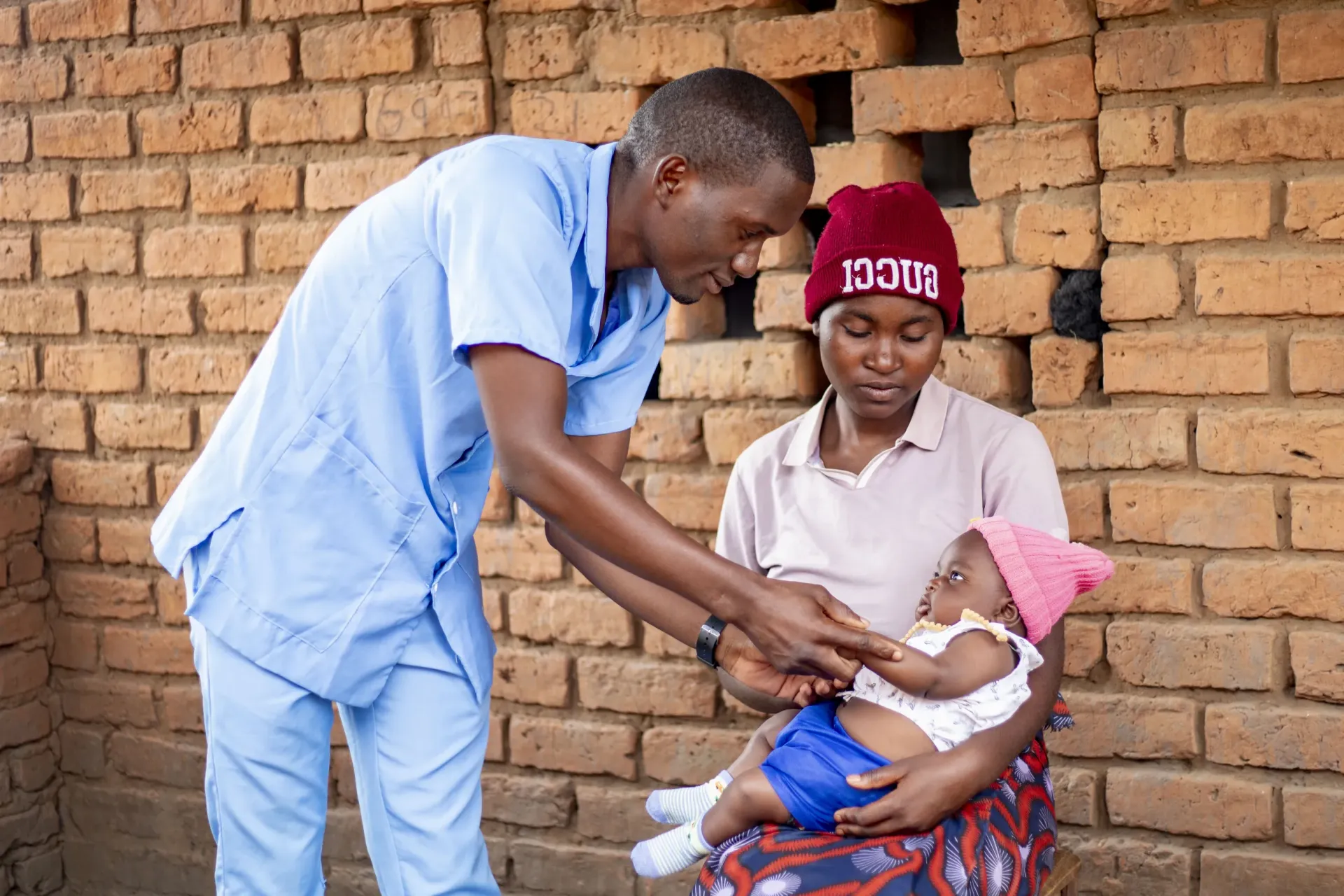
Grace Chimkomola is a familiar face in Khong'onthero rural community in Rumphi District, northern Malawi.
For the community midwife assistant (CMA), every second Thursday of the month is a busy day. Wearing a maroon uniform, she takes centre stage when community health workers meet in the rural locality along the boundary between Malawi and Zambia to provide essential services.
Grace serves a rural population of 1,200, including 204 children under five.
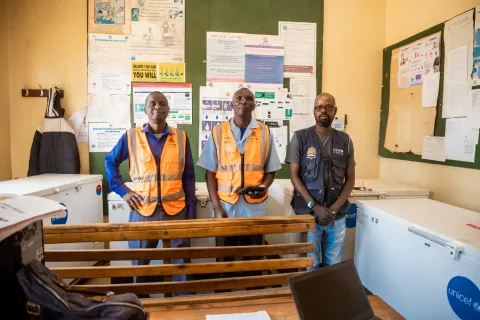
She is one of 12 caregivers at Chisimuka Health Centre, about 80km west of Rumphi District Hospital. The caregivers include a medical assistant, two CMAs and nine health surveillance assistants (HSAs).
“During community clinics, all CMAs and HSAs go to one site and share roles. Some register clients while others weigh babies, provide vaccines, family planning, as well as screening for malnutrition, high blood pressure and common illnesses in one place,” Grace explains.
The integrated approach has expanded her work beyond visiting homesteads with pregnant women, breastfeeding mothers and those with children under five, so they do not skip vaccines and routine hospital visits. She also shares the benefits of HIV testing, blood pressure checkups, malaria prevention drugs, sanitation, balanced diets and antenatal visits.
"The heart-to-heart talks encourage many women to seek antenatal care early and avoid skipping sessions,” Grace explains.
The CMA is one of 40 community healthcare workers trained to bring integrated life-saving services to rural areas.
In March 2025, UNICEF, with funding from UK’s Foreign, Commonwealth and Development Office (FCDO), supported Rumphi District Health Office to train 16 CMAs and 24 HSAs on how to integrate sexual, reproductive, maternal, newborn, child and adolescent health plus nutrition services.
Following the capacity building, the frontline workers now provide coordinated and sustained care that addresses all aspects of patient health from pregnancy to early childhood.
Grace states: "With the new knowledge and skills, I confidently deliver different health services in my community and surrounding areas. People who once had to climb hills and cross rivers to reach Chisimuka Health Centre no longer worry about the treacherous travel. We provide health services to them. They only go to the facility when they are critically ill.
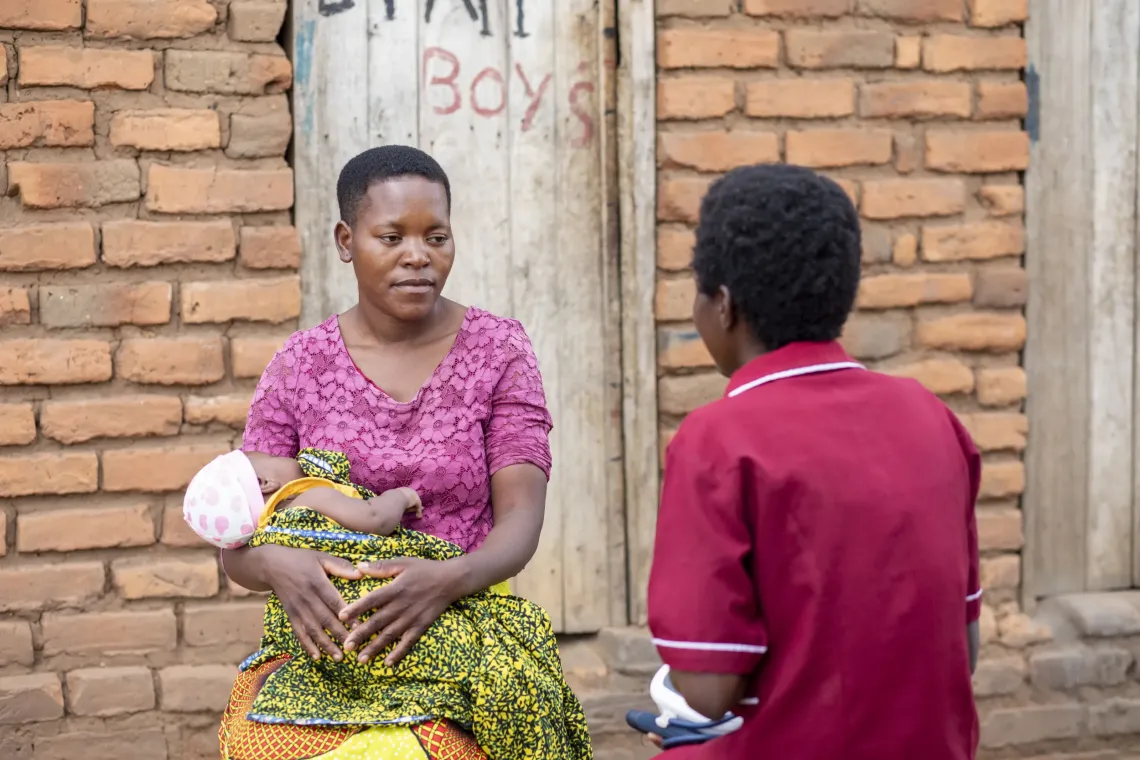
The team provides multiple services in one place and refers suspected illnesses to skilled caregivers at the health centre for confirmation and treatment.
At the receiving end, Chisimuka Health Centre In-Charge Adriano Luwe assists dozens of patients, including children with breathing difficulties caused by severe malaria and pneumonia, major killers of children below five.
"The outreach team provides first aid and refers other illnesses to us. The integrated approach has improved the referral, identification and treatment of illnesses that affect children. We rarely skip common illnesses that kill children, as was the case when community clinics only focused on weighing and vaccinating babies," he says.
From the medical assistant’s experience, integrating health services ensures quality services reach many people close to where they live.
"This lessens pressure on understaffed rural health centres and leaves no child or woman behind. Currently, we see children before the condition gets out of hand," he says.
Malawi’s Ministry of Health envisions every person getting quality care within five kilometres.
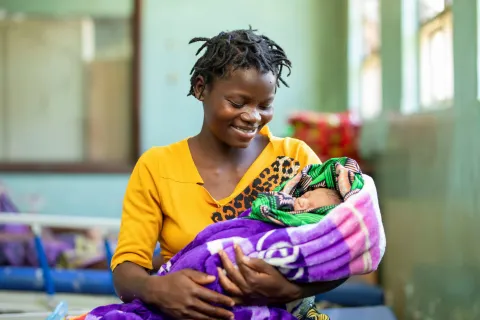
"When our caregivers come to my village, I save money and time. An over 30-minute bicycle ride to the health centre costs about K15 000, enough to buy vegetables and a kilogramme of meat for my family," says Roselyn Kumwenda, an 18-year-old mother in Khong'onthero Village.
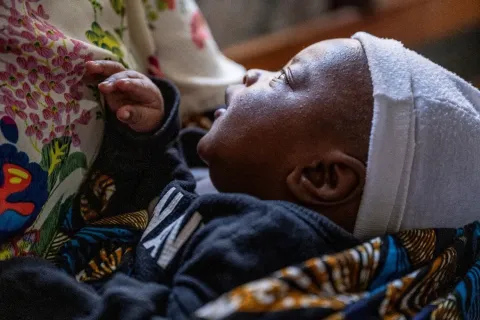
The integrated outreach clinic saved her feverish baby, born on 4 August 2025.
“Fortune was shivering, crying and couldn’t eat when I took her to the monthly clinic. Our community health worker referred her to Chisimuka, where a rapid test showed she had malaria. Mr Luwe gave me medicine, and Fortune got better,” she recounts.